Health
What are American Staffordshire Terrier cancer quick tips?
Keep up with regular vet check-ups, maintain a healthy diet, and watch for any unusual changes in your dog's health. Early intervention can make a significant difference.

Quick answer
What are American Staffordshire Terrier cancer quick tips?
Keep up with regular vet check-ups, maintain a healthy diet, and watch for any unusual changes in your dog's health. Early intervention can make a significant difference.
Cancer is a serious concern for American Staffordshire Terriers, as they face higher rates of this disease compared to some other breeds. Understanding it can make a significant difference for you and your pet.
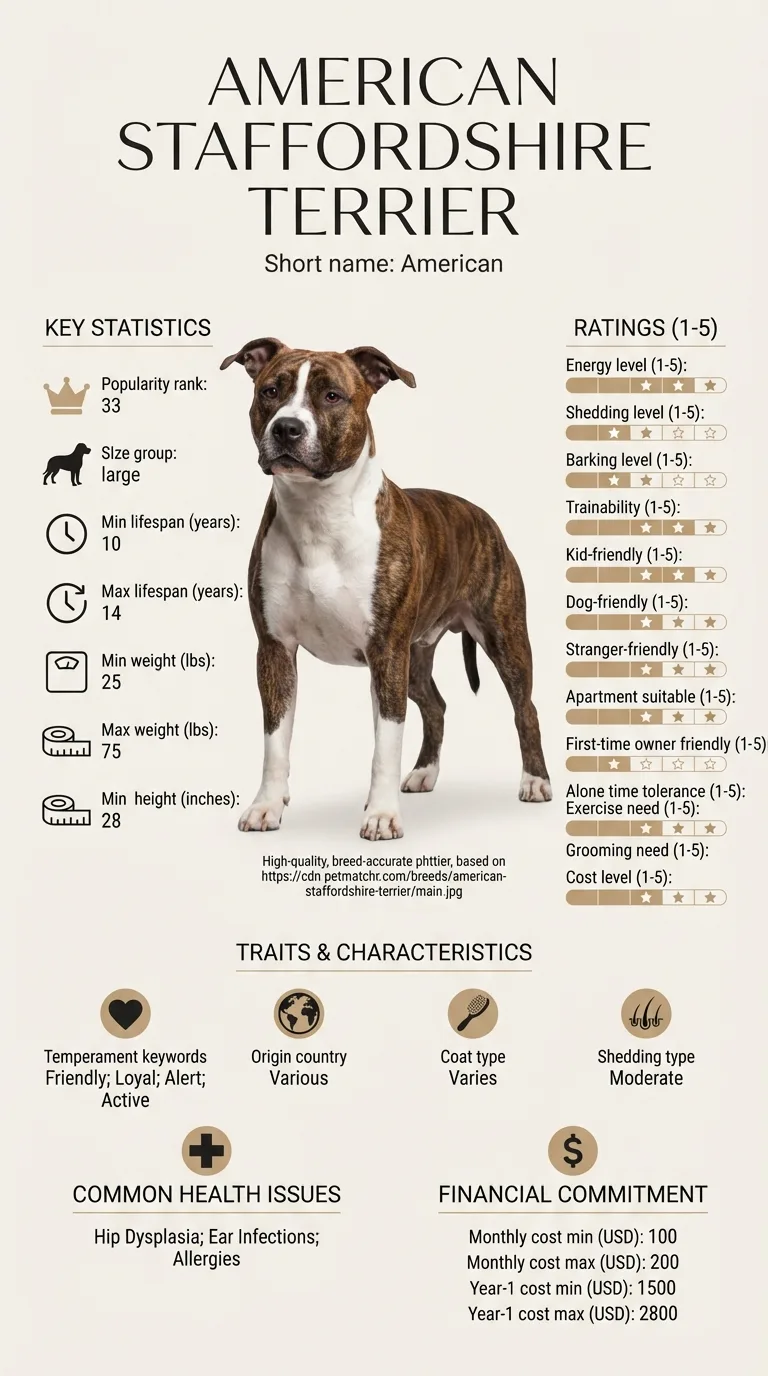
Owners of American Staffordshire Terriers, especially those with older dogs or those experiencing unexplained weight loss or lethargy, may find themselves particularly concerned about cancer. It's important for these owners to be informed and prepared.
This guide is not medical advice. If your dog shows pain, sudden behavior change, or worsening symptoms, consult a licensed veterinarian.
Some links may be affiliate links. We may earn a commission at no extra cost to you. We only suggest products we believe are helpful for dog owners.
We research and check what we publish, but we do not warrant that any figure, date, price, or statement is accurate, complete, or current, and we accept no liability for any loss, cost, injury, or other harm arising from the use of this site. Use it as one reference among several. You remain responsible for your own decisions and for your dog's care - confirm anything that matters with a licensed veterinarian or another qualified professional before you act on it. Full disclaimer.
Check this first
Recognizing when your American Staffordshire Terrier's cancer is an emergency can be crucial for their well-being. There are specific signs that indicate you should call your vet immediately. If your dog experiences sudden weight loss, severe lethargy, persistent vomiting, or difficulty breathing, these are red flags. Additionally, any bleeding that doesn't stop or swelling in the abdomen warrants immediate attention.
On the other hand, some symptoms may not be as urgent but still require monitoring. If your dog is showing mild signs such as occasional coughing, minor lethargy, or slight changes in appetite, these can often be watched with a plan. Keeping track of their behavior and noting any changes is essential. It’s also wise to consult your vet for a follow-up if you notice these less severe symptoms persisting or worsening over time.
In summary, while emergencies demand fast action, many cases can be managed with careful observation and regular veterinary care. Staying informed about your American Staffordshire Terrier's health will help you make the best decisions for their care.
If any of these apply, call your vet or an emergency clinic now. The rest of this page is for the cases that are not an emergency.
Cancer is a significant concern for American Staffordshire Terriers. Day-to-day, you might notice unusual fatigue, weight loss, or changes in appetite. These signs can be subtle at first but are crucial to recognize early.
Cancer is increasingly common in American Staffordshire Terriers, especially as they age. Studies suggest that nearly 1 in 4 dogs may face a cancer diagnosis in their lifetime, making awareness and early detection vital.
American Staffordshire Terriers can be predisposed to certain types of cancer due to their genetic makeup. Some studies suggest that specific breeds, including the American Staffordshire Terrier, may inherit a higher risk for particular cancers. This breed's size and overall health can also contribute to these risks.
Environmental factors can play a significant role in the development of cancer in dogs. Exposure to toxins, chemicals, and poor diet may increase the likelihood of cancer. Additionally, factors like lack of exercise and obesity can negatively impact your dog's overall health, potentially leading to cancer.
If you observe any signs of illness, like weight loss, lethargy, or unusual lumps, schedule a vet appointment promptly. Early intervention can be critical in managing health conditions, including cancer.
Avoiding these common mistakes can help improve the situation for your American Staffordshire Terrier. Here are some behaviors that might unintentionally worsen their cancer risk or make management harder.
Start here: American Staffordshire Terrier Most Common Genetic Disorders
See all American Staffordshire Terrier health problems, which breeds are prone to cancer, or the full American Staffordshire Terrier breed guide for temperament, exercise needs and ownership costs.
Managing cancer in your American Staffordshire Terrier can take several months to years, depending on the type and stage. Regular vet visits, treatment plans, and monitoring will be crucial.
Success means maintaining a good quality of life for your dog, which can include managing symptoms effectively, following treatment protocols, and providing emotional support.
Jessica, a dog mom in Los Angeles, noticed her American Staffordshire Terrier, Max, had lost weight and seemed more tired than usual. After a vet visit, she learned Max had cancer. With a treatment plan that included surgery and chemotherapy, Jessica dedicated herself to Max's care. She researched dietary changes and found ways to keep him comfortable. It wasn’t easy, but over time, Max regained some energy and joy, allowing them both to enjoy their time together.
Key takeaway: Understanding and committing to your dog's cancer treatment can significantly improve their quality of life, even in challenging times.
Cancer in American Staffordshire Terriers can be caused by various factors, including genetics, age, and environmental influences. Regular vet check-ups can help catch potential issues early. Keeping an eye on any changes in behavior or health is essential.
Look for unusual lumps, persistent coughing, changes in appetite, or unexplained weight loss. If you notice any of these signs, schedule a vet visit immediately for further evaluation and tests.
While you can't completely prevent cancer, you can reduce risks by maintaining a healthy diet, regular exercise, and routine vet check-ups. Avoid exposing your dog to harmful substances, and keep them at a healthy weight.
Consult your veterinarian about treatment options, which may include surgery, chemotherapy, or palliative care. It's crucial to discuss the best course of action tailored to your dog's specific situation.
Survival often depends on the type and stage of cancer. Many dogs respond well to treatment and can live fulfilling lives. Early detection improves the chances of successful treatment.
Cancer can lead to changes in behavior, such as lethargy, decreased interest in play, or unusual aggression. Monitor your dog closely and communicate any concerns to your vet for proper guidance.
Common cancers in this breed include lymphoma, mast cell tumors, and bone cancer. Regular vet visits can help monitor your dog's health and catch any issues early.
Look for unusual weight loss, persistent lethargy, or any lumps that seem to grow. Changes in appetite or behavior can also be warning signs that warrant a vet visit.
Keep a consistent routine and ensure they have a comfortable space to rest. Consult with your vet about dietary changes and any supplementary care that can ease their treatment.
Older dogs are generally at a higher risk for cancer. Additionally, genetics and previous health issues can contribute to their likelihood of developing cancer.
While not all cancer can be prevented, maintaining a healthy lifestyle through proper diet and regular exercise can reduce risks. Regular veterinary check-ups are also important for early detection.
Keep up with regular vet check-ups, maintain a healthy diet, and watch for any unusual changes in your dog's health. Early intervention can make a significant difference.
Aim for at least annual check-ups, but more frequent visits may be necessary as your dog ages or if any health issues arise. Regular screenings can help catch potential problems early.
Costs can vary widely based on the type of treatment and location, but expect to spend anywhere from $1,000 to $10,000. Discuss finances with your vet to plan accordingly.
Yes, a balanced diet can support your dog's overall health and may help reduce cancer risks. Consult your vet for dietary recommendations tailored to your dog.
If your dog seems uncomfortable, schedule a vet appointment as soon as possible. Identifying the issue early can lead to better outcomes.
A one-page prep sheet for this condition: the signs, the questions to ask, what to get priced. Unlocks here.
You get: Vet visit prep sheet
No spam. One-click unsubscribe. See our privacy policy.
Preview page 1 before you decide.