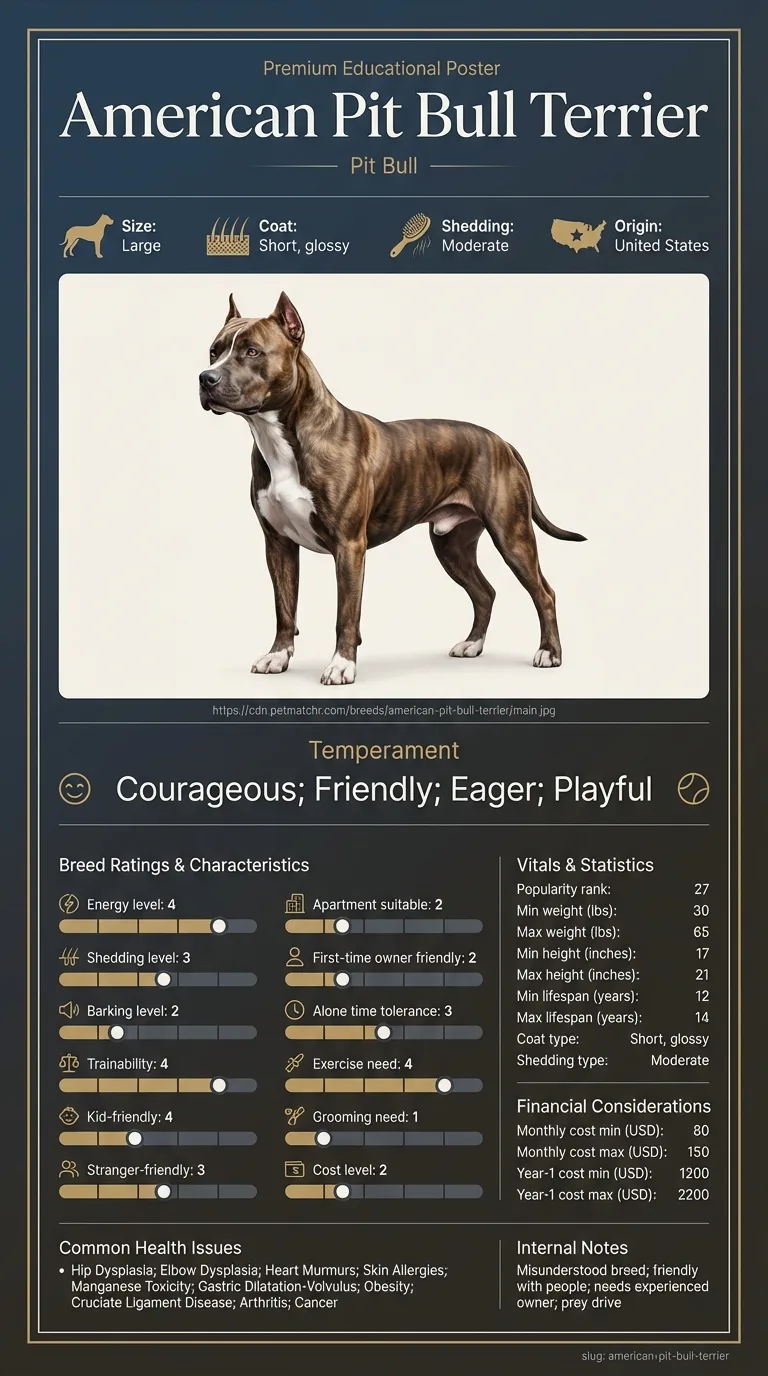
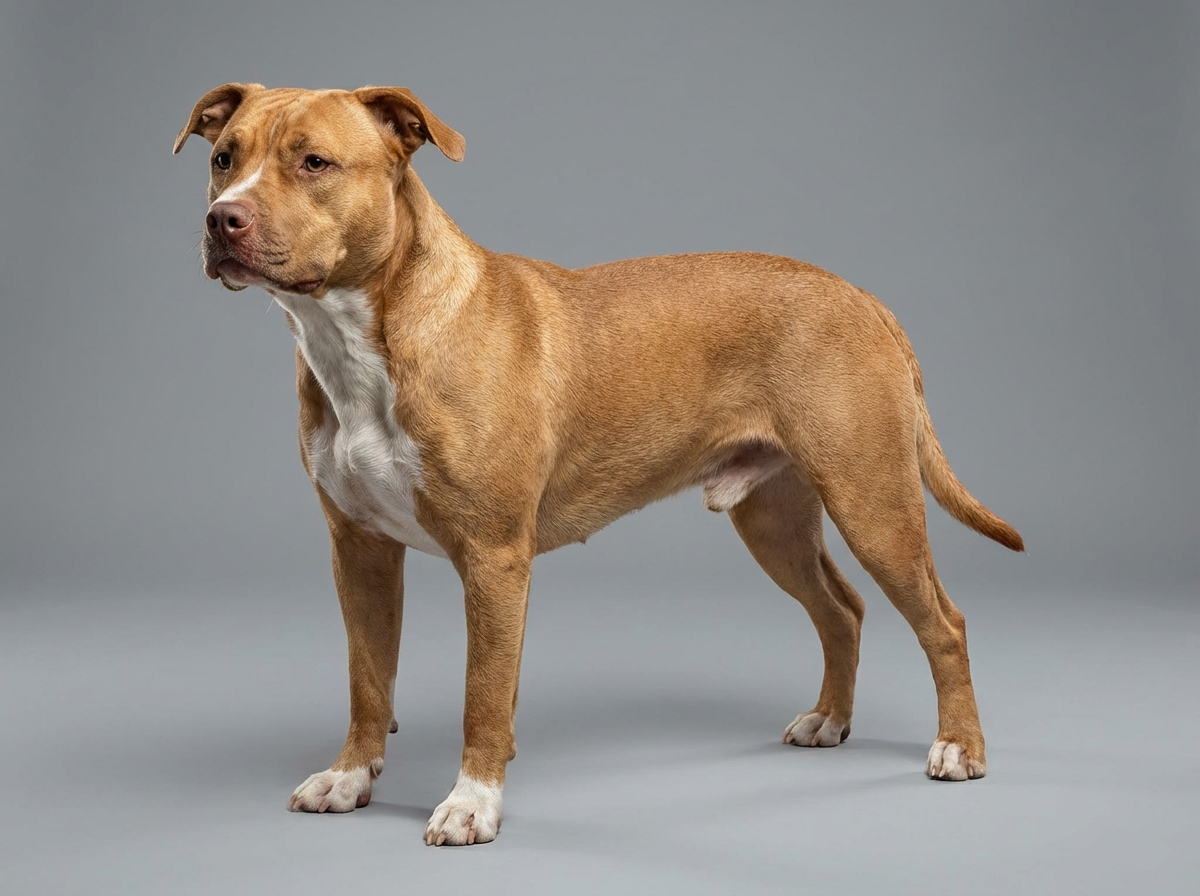
Understanding American Pit Bull Terrier Small Nostrils (Stenotic Nares)
American Pit Bull Terrier small nostrils (stenotic nares) can lead to serious breathing issues. This condition often affects their quality of life.
Owners of American Pit Bull Terriers with small nostrils often include first-time dog parents or busy families who may not be aware of the potential health issues. It's vital for these owners to understand the signs of breathing difficulties.
Important reminder
This guide is not medical advice. If your dog shows pain, sudden behavior change, or worsening symptoms, consult a licensed veterinarian.
Some links may be affiliate links. We may earn a commission at no extra cost to you. We only suggest products we believe are helpful for dog owners.
What this problem looks like
American Pit Bull Terriers can suffer from small nostrils, also known as stenotic nares. This condition can lead to breathing difficulties, especially during exercise or in hot weather. Owners may notice their dog struggling to catch their breath or making unusual sounds while breathing.
Common triggers
Exercise or physical exertion
Hot or humid weather
Stress or anxiety
Stenotic nares are relatively common in American Pit Bull Terriers, particularly among those with a brachycephalic (short-nosed) structure. While not every Pit Bull will face this issue, it's important for potential owners to be aware of it and discuss any concerns with a vet.
Why this happens
Breed factors
The American Pit Bull Terrier is prone to brachycephalic features, which can include small nostrils (stenotic nares). This inherited trait often causes breathing difficulties because their short snouts can restrict airflow. It's important to recognize that not all Pit Bulls will have this issue, but those with more pronounced brachycephalic traits are at higher risk.
Environment factors
Environmental factors can also contribute to breathing issues in American Pit Bull Terriers. High heat and humidity can exacerbate their breathing problems. Additionally, exposure to allergens or irritants, such as smoke or strong fragrances, may worsen their respiratory condition.
What you can try
At-home strategies
Keep your home environment cool and well-ventilated, especially during hot weather.
Ensure your dog maintains a healthy weight. Obesity can worsen breathing difficulties, so monitor their diet and exercise.
Use a harness instead of a collar when walking. This reduces pressure on their throat and makes breathing easier.
When to consider a trainer
If your American Pit Bull Terrier exhibits anxiety or stress related to breathing issues, a professional trainer can help. Look for trainers experienced with brachycephalic breeds. They can work on calming techniques and positive reinforcement to reduce anxiety.
When to talk to your vet
If you notice persistent difficulty breathing, excessive snoring, or any signs of distress, consult your vet. They can assess your dog's condition and recommend treatments or possible surgical options if necessary. Regular check-ups are also essential to monitor any changes in your dog's health.
Realistic expectations
You can expect to see improvements in your American Pit Bull Terrier's breathing within a few weeks of implementing training and environmental adjustments. For significant changes, a few months of consistent effort may be necessary.
Success means your Pit Bull can breathe more easily and comfortably, showing fewer signs of distress during physical activities. You should notice a reduction in snorting or snoring, and your dog should enjoy walks and playtime without excessive panting.
Mistakes that make this worse – American Pit Bull Terrier small nostrils (stenotic nares)
Understanding what not to do is just as important as knowing how to help your American Pit Bull Terrier with small nostrils (stenotic nares). Here are some common mistakes to avoid.
Ignoring breathing difficulties: If your Pit Bull shows signs of labored breathing, it's essential to consult a vet instead of hoping it will improve on its own.
Overexerting during exercise: Allowing your dog to engage in high-intensity activities can worsen their breathing issues. Opt for moderate exercise, like short walks, to keep them active without strain.
Neglecting weight management: Overweight dogs can experience more severe breathing problems. Maintain a balanced diet and regular exercise to keep your dog at a healthy weight.
Using harsh training methods: Stressful situations can exacerbate breathing problems. Employ positive reinforcement techniques to encourage good behavior without causing anxiety.
Assuming it's a minor issue: Some owners might dismiss small nostrils as a cute quirk. Recognize that this can lead to serious health complications if left untreated.
Failing to monitor symptoms: Regularly observe your Pit Bull for any changes in breathing or behavior. Early detection can help prevent further complications.
Avoiding vet visits: Some may believe they can manage health issues without professional help. Regular check-ups are crucial for identifying and addressing breathing problems.
When It Is an Emergency
Understanding when small nostrils (stenotic nares) in your American Pit Bull Terrier become an emergency is crucial. If your dog shows severe breathing difficulties, such as gasping, wheezing, or straining to breathe, this is a red flag that requires immediate veterinary attention. Additionally, if your dog collapses, has bluish gums, or is excessively lethargic, these symptoms can indicate a serious issue that must be addressed right away.
On the other hand, if your American Pit Bull Terrier occasionally snorts or has minor snoring while resting, it may not be an emergency. Monitoring them for signs of discomfort during exercise, such as excessive panting or reluctance to engage in play, is important. You can often manage mild cases with a planned approach, which may include training or lifestyle adjustments to help your dog breathe more comfortably.
In summary, call your vet if you notice any of the following urgent signs:
- Severe difficulty breathing
- Gasping or wheezing sounds
- Collapse or fainting
- Bluish discoloration of gums
- Extreme lethargy or unresponsiveness
For less urgent cases, keep track of your dog's breathing patterns and any distress during activities. If you notice worsening symptoms or your dog appears to be struggling, it’s best to consult with your veterinarian to discuss next steps.

Understanding American Pit Bull Terrier Small Nostrils (Stenotic Nares) - When It Is an Emergency
Jenna and Max: Overcoming Breathing Issues Together
Jenna, a busy nurse in Dallas, adopted Max, an American Pit Bull Terrier with small nostrils, or stenotic nares. She noticed he struggled to breathe during walks, often stopping to pant heavily. After researching online, Jenna learned about training techniques and environmental adjustments. She began to focus on short, gentle walks and avoided hot weather. With patience and consistent training, Max's breathing improved significantly over three months, allowing him to enjoy longer walks without distress.
Key takeaway: With dedication and the right approach, you can help your American Pit Bull Terrier manage breathing issues effectively, improving their overall quality of life.
Frequently asked questions
Why does my American Pit Bull Terrier have small nostrils (stenotic nares)?
Small nostrils, or stenotic nares, are common in certain breeds, including the American Pit Bull Terrier. This condition can cause breathing difficulties and is often due to genetics. If you suspect this is affecting your dog, consult your vet for a proper evaluation. This answer relates to American Pit Bull Terrier small nostrils (stenotic nares).
How can I help my American Pit Bull Terrier with small nostrils (stenotic nares)?
To help your American Pit Bull Terrier, ensure they maintain a healthy weight and avoid overheating. Regular vet check-ups are crucial to monitor breathing issues, and in severe cases, surgery may be recommended to widen the nostrils.
What are the signs of breathing problems in my American Pit Bull Terrier?
Watch for signs like excessive panting, snoring, or labored breathing. If your dog seems lethargic or struggles during exercise, it may indicate breathing problems due to small nostrils. Contact your vet for advice.
Can training help my American Pit Bull Terrier with small nostrils (stenotic nares)?
While training won't fix the physical issue, it can help manage behaviors that arise from breathing difficulties. Positive reinforcement and gradual exposure to exercise can help improve your dog's confidence and comfort.
Is surgery the only solution for stenotic nares in American Pit Bull Terriers?
Surgery is a common solution for severe cases of stenotic nares, but it's not the only option. Lifestyle changes, weight management, and regular vet visits can help manage symptoms. Always discuss options with your veterinarian.
What causes small nostrils (stenotic nares) in American Pit Bull Terriers?
Small nostrils in American Pit Bull Terriers are often caused by genetics. This condition can lead to breathing difficulties and may be more common in certain bloodlines.
How can I tell if my American Pit Bull Terrier has breathing issues?
Signs of breathing issues in your American Pit Bull Terrier include excessive panting, noisy breathing, or lethargy during exercise. If you notice these symptoms, consult your vet for advice.
Are there any treatments for small nostrils (stenotic nares) in dogs?
Treatment options can include surgical procedures to widen the nostrils, which can improve airflow. Always discuss the risks and benefits with your veterinarian before making a decision.
Can small nostrils (stenotic nares) affect my dog's activity level?
Yes, stenotic nares can limit your American Pit Bull Terrier's ability to exercise comfortably. If your dog is easily fatigued or struggles during physical activity, it may be related to this condition.
When should I see a vet for my American Pit Bull Terrier's breathing issues?
If your American Pit Bull Terrier shows signs of severe breathing difficulty, such as gasping for air or blue-tinged gums, seek immediate veterinary attention. Regular check-ups are also vital for monitoring their respiratory health.
What are quick tips for managing small nostrils in American Pit Bull Terriers?
Keep your dog cool and avoid strenuous activities in hot weather. Regular vet check-ups are essential to monitor their health and breathing. Consider using a harness instead of a collar to reduce pressure on their throat.
Costs
How much does it cost to treat stenotic nares in American Pit Bull Terriers?
Treatment costs can vary widely, from basic vet consultations ($50-$200) to surgical options that may range from $1,000 to $3,000. It's best to consult your vet for a personalized estimate.
Living
Is exercise safe for American Pit Bull Terriers with small nostrils?
Exercise is important but should be monitored closely. Avoid intense activities, especially in hot weather, to prevent breathing distress. Short, gentle walks are usually best.
Related DogBreedCompass guides
American Pit Bull Terrier separation anxiety guide – Learn how to help your American Pit Bull Terrier adjust to separation anxiety, which can be common in this breed.
American Pit Bull Terrier health issues – Explore the common health issues in the American Pit Bull Terrier, including how small nostrils can affect breathing.
American Pit Bull Terrier cost breakdown – Understanding the costs associated with owning an American Pit Bull Terrier can help you budget for their needs.