DogBreedCompass
← Back to breed profile

American Pit Bull Terrier Respiratory Disease: What You Need to Know

American Pit Bull Terrier respiratory disease can significantly affect your dog's health and quality of life.

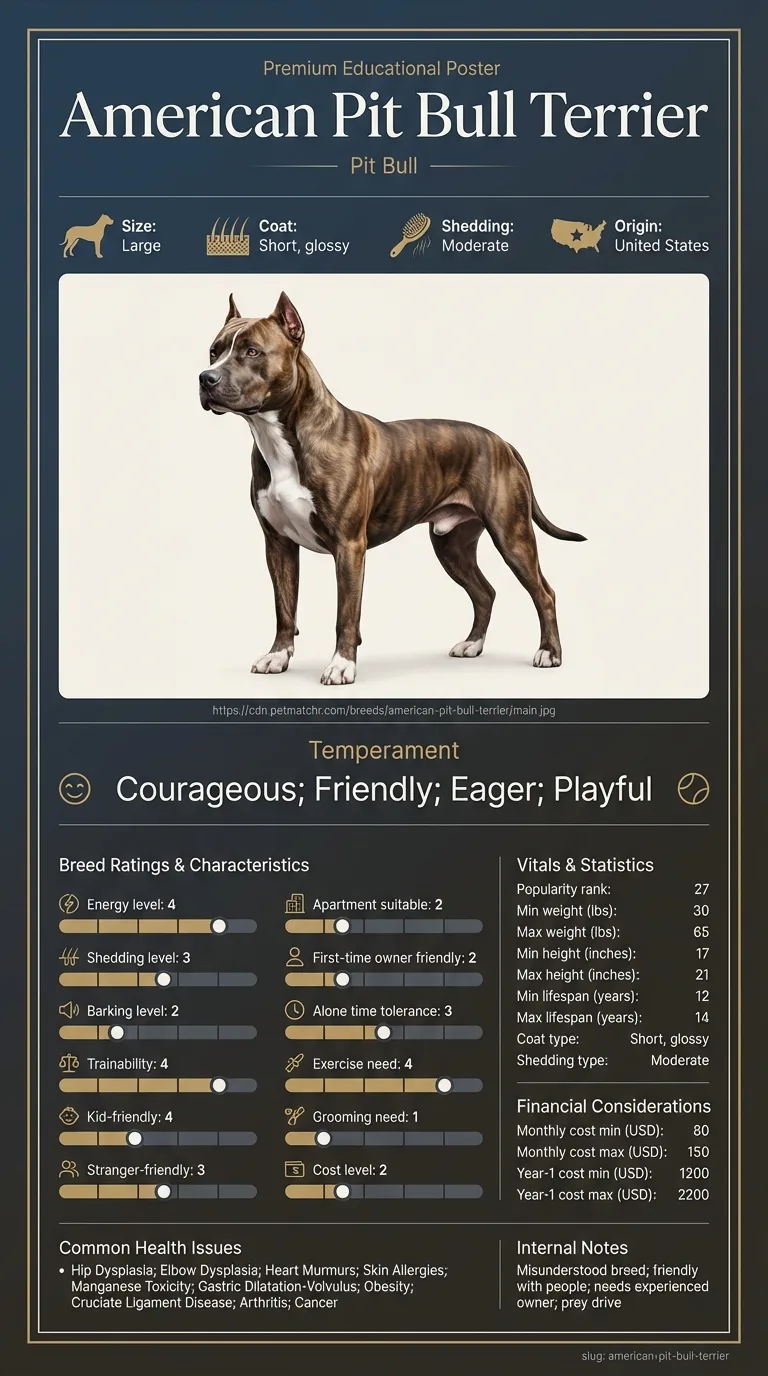
American Pit Bull Terrier Respiratory Disease: What You Need to Know infographic

Many Pit Bull owners, especially those new to the breed, may find themselves facing this issue without knowing how to help their dogs.

Important reminder

This guide is not medical advice. If your dog shows pain, sudden behavior change, or worsening symptoms, consult a licensed veterinarian.

Some links may be affiliate links. We may earn a commission at no extra cost to you. We only suggest products we believe are helpful for dog owners.

What this problem looks like

American Pit Bull Terriers can face respiratory disease, which may show up as coughing, wheezing, or difficulty breathing. Daily activities might be interrupted by these symptoms, making walks or playtime challenging. Understanding the signs and seeking timely care is important for their well-being.

Common triggers

  • Allergies to pollen or dust
  • Exposure to smoke or strong odors
  • Obesity, which can strain their respiratory system
  • Infection or illness, such as kennel cough

Respiratory disease is fairly common in American Pit Bull Terriers, especially due to their physical traits and potential for obesity. While not every dog will experience these issues, being aware of the risks can help owners take proactive steps.

Why this happens

Breed factors

The American Pit Bull Terrier, while not a brachycephalic breed, can still develop respiratory issues due to their size and physical traits. Their large chest and deep ribcage can predispose them to certain respiratory diseases. Additionally, they might be more affected by common allergens, which can exacerbate breathing problems.

Environment factors

Environmental factors play a significant role in respiratory disease. Poor air quality, exposure to smoke, or allergens like pollen can trigger respiratory issues in Pit Bulls. Additionally, a lack of exercise can lead to obesity, which can further strain their respiratory system.

What you can try

At-home strategies

  • Ensure your home has good ventilation and keep air purifiers running to reduce allergens.
  • Maintain a healthy weight for your Pit Bull through regular exercise and a balanced diet.
  • Limit outdoor activities during high pollen seasons or poor air quality days.
  • Regularly clean your home to minimize dust and pet dander.

When to consider a trainer

If your American Pit Bull Terrier shows signs of anxiety or stress related to breathing issues, a professional trainer can help. They can guide you in creating a calm environment and suggest training techniques to ease your dog's anxiety.

When to talk to your vet

Consult your vet if you notice persistent coughing, wheezing, or any unusual breathing patterns. Early intervention is crucial for respiratory diseases, and your vet can recommend treatments or further investigations if needed.

Realistic expectations

You can expect to see improvements in your American Pit Bull Terrier's respiratory health within a few weeks to a few months, depending on the severity of the condition and your commitment to treatment.

Success looks like your dog breathing easier, having more energy, and enjoying playtime without excessive panting or coughing. Regular vet check-ups will also help monitor their progress.

Mistakes that make this worse

Avoiding these common mistakes can help improve your American Pit Bull Terrier's respiratory health.

  • Ignoring signs of distress: Many owners overlook symptoms like coughing or labored breathing. Instead, monitor your dog's breathing closely and consult a vet if you notice any issues.
  • Not providing enough exercise: While exercise is crucial, overdoing it can exacerbate respiratory issues. Aim for moderate, short walks and play sessions, focusing on your dog's comfort level.
  • Using harsh training methods: Punitive training can increase anxiety, worsening respiratory problems. Opt for positive reinforcement techniques that promote a calm and happy environment.
  • Neglecting weight management: Obesity can worsen respiratory conditions. Keep your dog at a healthy weight with a balanced diet and regular vet check-ups.
  • Exposing to allergens: Allergens like smoke or pollen can trigger respiratory issues. Ensure your home is smoke-free and clean, and consider air purifiers to reduce allergens.
  • Skipping vet visits: Regular check-ups are vital for monitoring respiratory health. Make sure to keep appointments and follow your vet's recommendations for care.
  • Failing to recognize breed-specific risks: American Pit Bull Terriers may have unique health challenges. Stay informed about their specific needs and be proactive in addressing potential issues.

When American Pit Bull Terrier Respiratory Disease is an Emergency

Recognizing when your American Pit Bull Terrier's respiratory issues become an emergency is crucial. Some signs warrant immediate vet attention, while others can be monitored at home with a care plan. If you notice your dog exhibiting severe breathing difficulties, such as choking, gasping for air, or blue-tinged gums, it’s time to call your vet right away.

Other red flags include persistent coughing, wheezing, or any signs of distress like excessive panting or lethargy. If your Pit Bull is struggling to breathe after exercise, this could indicate a serious problem that requires urgent care. On the flip side, if your dog has a mild cough, sneezing, or occasional wheezing that doesn’t worsen, you can likely watch and wait. However, keep a close eye on any changes in behavior or symptoms.

For monitoring at home, create a comfortable space for your dog, ideally in a cool, quiet area. If the symptoms persist or worsen over a few days, consult your vet for further guidance. Always err on the side of caution—when in doubt, it's best to seek professional advice.

American Pit Bull Terrier Respiratory Disease: What You Need to Know - When American Pit Bull Terrier Respiratory Disease is an Emergency

Jake's Journey with Bella's Respiratory Disease

When Jake adopted Bella, his American Pit Bull Terrier, he noticed she often struggled to catch her breath after short walks. Concerned, he took her to the vet, who diagnosed her with respiratory disease. Jake learned that keeping Bella calm and minimizing her exposure to allergens was crucial. With a new training routine focused on gentle exercise and a cleaner home environment, Bella's condition improved significantly within a few months. Now, she happily plays fetch without panting excessively.

Key takeaway: Addressing respiratory disease in American Pit Bull Terriers requires a combination of veterinary care, environmental adjustments, and a tailored exercise plan. With dedication, owners can greatly enhance their dog’s quality of life.

Frequently asked questions

Why does my American Pit Bull Terrier have respiratory disease?

American Pit Bull Terriers can develop respiratory diseases due to various factors, including genetics, environmental conditions, and exposure to allergens. Brachycephalic breeds are particularly at risk, which can lead to breathing difficulties. Regular vet check-ups can help identify and manage these issues early.

How can I stop American Pit Bull Terrier respiratory disease?

To manage or prevent respiratory disease in your American Pit Bull Terrier, ensure they have a healthy lifestyle. This includes maintaining a proper weight, exercising regularly, and avoiding exposure to smoke or pollutants. Regular veterinary check-ups can also help catch any problems early.

What are the symptoms of respiratory disease in American Pit Bull Terriers?

Common symptoms include coughing, wheezing, labored breathing, and lethargy. If you notice these signs, it's crucial to consult your veterinarian promptly. Early detection can make a significant difference in treatment outcomes.

Is training effective for managing respiratory disease in American Pit Bull Terriers?

While training itself won't cure respiratory disease, it can help manage your dog's stress and anxiety, which may worsen symptoms. Positive reinforcement training can create a calm environment that allows your Pit Bull to breathe easier. Consult a trainer experienced with health issues for tailored strategies.

Are there specific treatments for American Pit Bull Terrier respiratory disease?

Treatments vary based on the underlying cause, but they may include medication, lifestyle changes, and in some cases, surgery. Work closely with your veterinarian to find the best approach for your dog. Regular follow-ups are essential to monitor progress.

Can environmental changes help reduce respiratory issues in my American Pit Bull Terrier?

Yes, improving your home environment can significantly help. Ensure good ventilation, reduce allergens like dust and pollen, and avoid exposing your dog to cigarette smoke or strong chemicals. Simple changes can lead to better respiratory health.

What can I do if my American Pit Bull Terrier has a respiratory emergency?

If your dog shows signs of severe respiratory distress, such as gasping for air or blue-tinged gums, seek emergency veterinary care immediately. While waiting, keep your dog calm and in a comfortable position to reduce stress.

What are the early signs of respiratory disease in my American Pit Bull Terrier?

Early signs of respiratory disease can include coughing, wheezing, and difficulty breathing. If your Pit Bull shows signs of lethargy or has trouble exercising, it may indicate a respiratory issue that needs attention.

How does age affect respiratory disease in American Pit Bull Terriers?

Older American Pit Bull Terriers are at a higher risk for respiratory diseases due to age-related health decline. Regular vet check-ups are crucial to catch any early signs and manage their health effectively.

Can environmental factors worsen respiratory disease in my American Pit Bull Terrier?

Yes, environmental factors like smoke, pollen, and pollution can aggravate respiratory diseases. Keeping your home clean and reducing exposure to allergens can help manage your dog's symptoms.

When should I take my American Pit Bull Terrier to the vet for respiratory issues?

If your Pit Bull exhibits persistent coughing, labored breathing, or any sudden changes in behavior, it's important to consult a vet. Timely intervention can make a significant difference in managing respiratory disease.

Are there specific training methods to help my American Pit Bull Terrier with respiratory disease?

Training methods that focus on calmness and controlled exercise can be beneficial for American Pit Bull Terriers with respiratory issues. Avoid high-intensity activities and opt for shorter, more frequent walks to keep your dog healthy without overexerting them.

Quick answers

View more answers
Health

What are quick tips for managing American Pit Bull Terrier respiratory disease?

Keep your dog at a healthy weight, provide regular exercise, and reduce exposure to smoke and allergens. Regular vet check-ups are essential for early detection and management.

Training

How can I train my American Pit Bull Terrier with respiratory issues?

Use positive reinforcement techniques to encourage calm behavior and avoid overly strenuous activities. Consult a trainer familiar with health issues for personalized strategies.

Costs

What is the average cost for treating respiratory disease in American Pit Bull Terriers?

Treatment costs can vary widely but may range from $100 to several thousand dollars, depending on the severity and type of treatment required. Always discuss costs with your vet.

Living

What should I watch for in my American Pit Bull Terrier's breathing?

Monitor for coughing, wheezing, or difficulty breathing. These symptoms could indicate respiratory disease and warrant a vet visit.

Living

Are there any specific environments to avoid for my American Pit Bull Terrier?

Yes, try to avoid smoky or polluted areas, as well as environments with high allergens. A clean, well-ventilated space is ideal for their health.

Related DogBreedCompass guides

Related guides