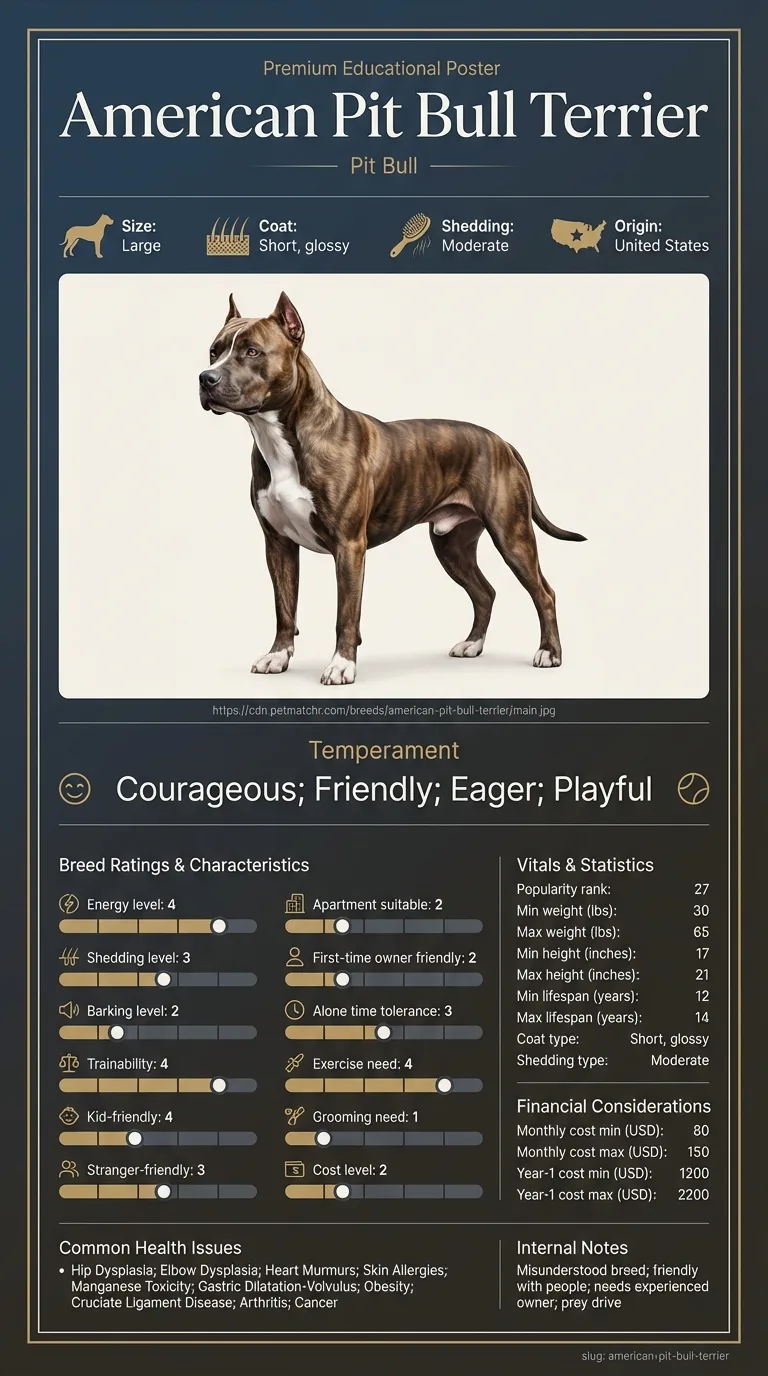
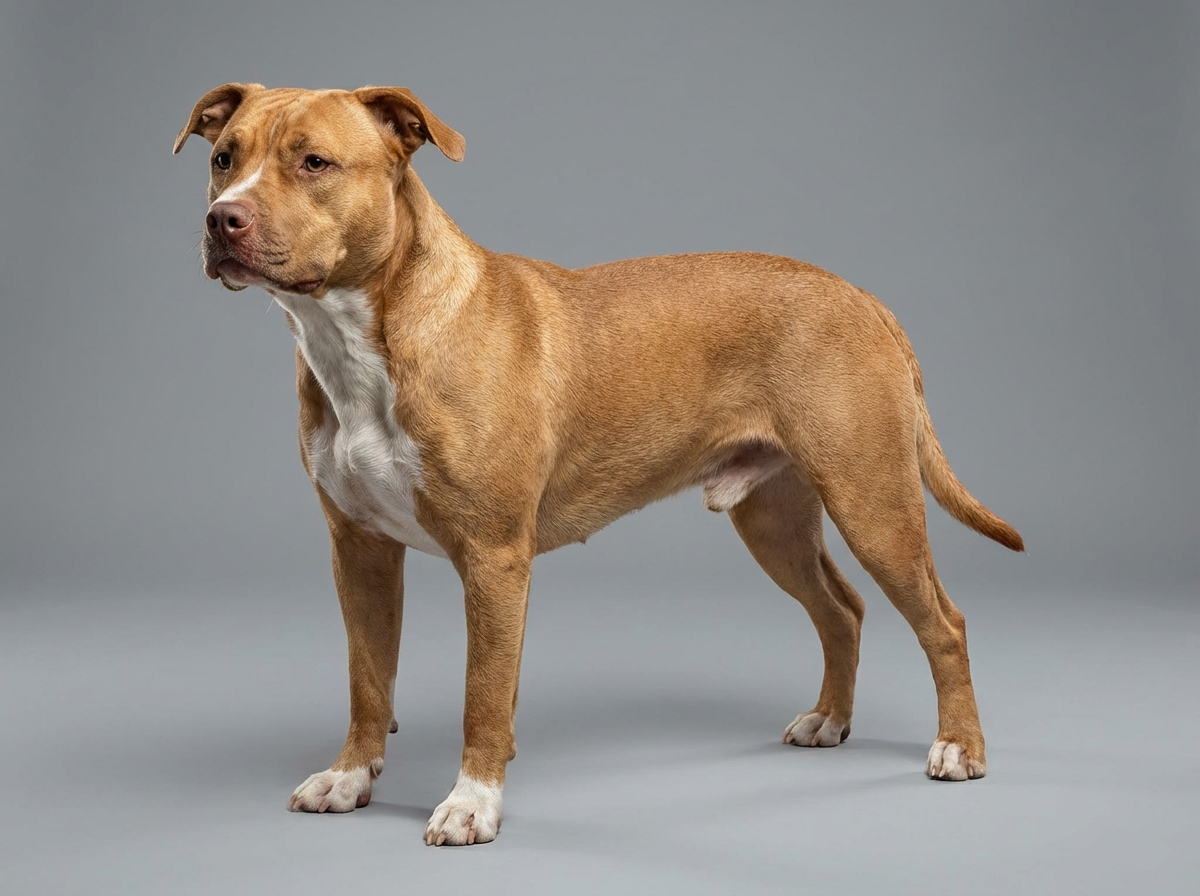
American Pit Bull Terrier Brachycephalic Airway Syndrome (BOAS)
Quick answer
What are quick tips for managing American Pit Bull Terrier brachycephalic airway syndrome (boas)?
Keep your dog cool and avoid strenuous activities during hot weather. Regular vet visits are crucial for monitoring their health. Training with positive reinforcement can help reduce stress.
American Pit Bull Terrier brachycephalic airway syndrome (BOAS) can lead to serious breathing issues, especially in warmer weather.
Owners of American Pit Bull Terriers, especially first-time dog owners or those living in warmer climates, often find managing BOAS challenging. They may notice their dogs gasping for air during play or experiencing distress in heat.
Important reminder
This guide is not medical advice. If your dog shows pain, sudden behavior change, or worsening symptoms, consult a licensed veterinarian.
Some links may be affiliate links. We may earn a commission at no extra cost to you. We only suggest products we believe are helpful for dog owners.
We research and check what we publish, but we do not warrant that any figure, date, price, or statement is accurate, complete, or current, and we accept no liability for any loss, cost, injury, or other harm arising from the use of this site. Use it as one reference among several. You remain responsible for your own decisions and for your dog's care - confirm anything that matters with a licensed veterinarian or another qualified professional before you act on it. Full disclaimer.
Check this first
When American Pit Bull Terrier Brachycephalic Airway Syndrome (BOAS) Is an Emergency
Understanding when your American Pit Bull Terrier's brachycephalic airway syndrome (BOAS) becomes an emergency is crucial. Some signs indicate you should call your vet immediately, while others can be monitored at home with care. Here’s how to differentiate between the two.
If any of these apply, call your vet or an emergency clinic now. The rest of this page is for the cases that are not an emergency.
What this problem looks like
American Pit Bull Terriers can suffer from brachycephalic airway syndrome (BOAS), which leads to breathing difficulties. This condition is particularly concerning during hot weather or strenuous exercise. Owners may notice their dogs panting excessively, struggling to breathe, or becoming fatigued quickly.
Common triggers
Hot weather
Exercise or playtime
Obesity
Stress or excitement
Narrowed airways
Brachycephalic airway syndrome is a common issue in some American Pit Bull Terriers, particularly those with shorter snouts. While not all Pit Bulls will develop this condition, it's essential for owners to be aware of the risks and monitor their pets for symptoms.
Why this happens
Breed factors
The American Pit Bull Terrier is not a brachycephalic breed, but some individuals may develop similar airway issues due to their unique anatomy. They might have narrow nostrils or an elongated soft palate, which can cause breathing difficulties. Genetics also play a role, as certain bloodlines may be more prone to respiratory issues.
Environment factors
Factors such as obesity, heat, and stress can worsen breathing problems. If your Pit Bull is overweight, it can put extra pressure on their airways. Additionally, environments with high temperatures or humidity can exacerbate breathing challenges, especially during exercise.
What you can do at home (once it is not an emergency)
When to talk to your vet
If your dog exhibits severe breathing difficulties, persistent coughing, or lethargy, contact your vet immediately. They can assess the severity of brachycephalic airway syndrome (BOAS) and recommend appropriate treatment options.
At home, alongside your vet's plan
Maintain a healthy weight for your American Pit Bull Terrier by providing a balanced diet and regular exercise. Aim for daily walks and play sessions to keep them fit.
Avoid strenuous activities during hot weather. Opt for early morning or late evening walks when it's cooler outside.
Create a calm environment for your dog. Reducing stressors can help manage their anxiety and improve breathing.
Mistakes that make Brachycephalic Airway Syndrome (BOAS) worse
Avoid these common mistakes to help improve your American Pit Bull Terrier's brachycephalic airway syndrome (BOAS). Each mistake can inadvertently make the situation worse, delaying progress.
Ignoring signs of breathing trouble: If your Pit Bull is struggling to breathe, don't brush it off. Seek veterinary advice immediately to explore treatment options.
Overexerting during exercise: While exercise is important, avoid intense activities, especially in hot weather. Opt for shorter, cooler walks instead.
Neglecting weight management: Obesity can worsen BOAS symptoms. Keep your dog at a healthy weight through proper diet and regular exercise.
Using restrictive collars: Collars that put pressure on the throat can make breathing harder. Consider using a harness to distribute pressure away from the neck.
Failing to provide adequate ventilation: Keeping your dog in hot, poorly ventilated spaces can exacerbate breathing issues. Ensure they have a cool, comfortable environment.
Postponing vet check-ups: Regular check-ups are crucial for monitoring BOAS. Delaying these visits can lead to undetected complications.
Lack of training: Some owners might think behavior issues are unrelated to BOAS. Training can help manage anxiety and stress, which can affect breathing.
More American PIT Bull Terrier health & behavior issues
You can expect to see improvements in your American Pit Bull Terrier's brachycephalic airway syndrome (boas) within 4 to 8 weeks of consistent care adjustments and follow-up with your vet.
Success means your dog breathes more easily, participates in everyday activities without excessive panting, and enjoys walks comfortably.
Red-Flag Signs: Call Your Vet Now
If your dog displays any of these symptoms, don’t wait. Contact your veterinarian right away.
American Pit Bull Terrier Brachycephalic Airway Syndrome (BOAS) - Red-Flag Signs: Call Your Vet Now
Severe difficulty breathing or gasping for air
Blue or grayish gums or tongue
Excessive panting or distress, especially in heat
Coughing, wheezing, or gagging that doesn't improve
Lethargy or collapse
Mild Cases: Watch and Wait
In less severe situations, you can monitor your American Pit Bull Terrier at home. Keep an eye out for these signs:
American Pit Bull Terrier Brachycephalic Airway Syndrome (BOAS) - Mild Cases: Watch and Wait
Mild snoring or snorting sounds during sleep
Occasional coughing without distress
Temporary panting after exercise or excitement
Overcoming Breathing Challenges: Jake's Journey
Meet Jake, a busy nurse in Chicago who adopted an American Pit Bull Terrier named Max. Max struggled with brachycephalic airway syndrome (boas), gasping for air during walks and showing signs of discomfort in warm weather. Realizing they needed help, Jake consulted a vet and learned about lifestyle changes, including shorter walks and avoiding heat. With patience and gradual training, Max began to adapt, and Jake noticed a significant improvement in his breathing and energy levels.
Key takeaway: By understanding and addressing Max's specific needs, Jake transformed their outings into enjoyable experiences, proving that with the right approach, managing brachycephalic airway syndrome (boas) is possible.
Frequently asked questions
Why does my American Pit Bull Terrier have brachycephalic airway syndrome (boas)?
Brachycephalic airway syndrome (boas) is often due to genetics, as it's common in breeds with short snouts, including Pit Bulls. Their anatomical structure can restrict airflow, leading to breathing difficulties. Consulting a vet can help assess your dog's specific condition.
How can I help my American Pit Bull Terrier with brachycephalic airway syndrome (boas)?
To help your dog, ensure they stay cool and avoid strenuous exercise in hot weather. Regular vet check-ups are important to monitor their condition. Training can also help them cope with stressors that may worsen their breathing issues.
What are the signs of brachycephalic airway syndrome in my Pit Bull?
Signs include excessive panting, snoring, and difficulty breathing, especially during exercise or heat. You may also notice your dog being easily fatigued. If you observe these symptoms, consult your veterinarian for guidance.
Can training improve my American Pit Bull Terrier's condition with brachycephalic airway syndrome (boas)?
Yes, training can be beneficial. Focus on calm, positive reinforcement methods to help reduce anxiety, which can exacerbate breathing problems. Avoid high-energy activities, especially in warm weather, to keep your dog comfortable.
Is surgery an option for American Pit Bull Terrier brachycephalic airway syndrome (boas)?
In some cases, surgery may be recommended to correct anatomical issues causing airway obstruction. A veterinary specialist can evaluate your dog's condition to determine if this option is right for them. Always discuss potential risks and benefits with your vet.
What should I do if my American Pit Bull Terrier has severe breathing issues?
If your American Pit Bull Terrier shows signs of severe breathing problems, such as gasping or extreme lethargy, seek veterinary help immediately. Severe cases of brachycephalic airway syndrome (BOAS) can lead to serious health risks.
Can older American Pit Bull Terriers develop brachycephalic airway syndrome (BOAS)?
Yes, older American Pit Bull Terriers can develop brachycephalic airway syndrome (BOAS) as their anatomy changes with age. Regular vet check-ups can help monitor their breathing and health condition as they grow older.
How can I help my American Pit Bull Terrier with BOAS during hot weather?
Keep your American Pit Bull Terrier cool during hot weather by providing plenty of fresh water and shade. Avoid strenuous activities during peak heat hours, and consider using air conditioning to keep them comfortable.
What are the long-term effects of brachycephalic airway syndrome (BOAS) in American Pit Bull Terriers?
Long-term effects of brachycephalic airway syndrome (BOAS) can include chronic respiratory issues, decreased exercise tolerance, and potential heart problems. Regular veterinary care is crucial to manage these risks.
Is surgery a viable option for American Pit Bull Terriers with severe BOAS?
Yes, surgery can be a viable option for American Pit Bull Terriers with severe brachycephalic airway syndrome (BOAS). Consult with a veterinary specialist to discuss the risks and benefits of surgical intervention tailored to your dog's condition.
What are quick tips for managing American Pit Bull Terrier brachycephalic airway syndrome (boas)?
Keep your dog cool and avoid strenuous activities during hot weather. Regular vet visits are crucial for monitoring their health. Training with positive reinforcement can help reduce stress.
Living
How does weather affect American Pit Bull Terrier brachycephalic airway syndrome (boas)?
Hot and humid weather can worsen breathing difficulties in dogs with brachycephalic airway syndrome. It's best to keep your dog indoors during extreme heat.
Health
What should I do if my American Pit Bull Terrier has breathing issues?
If your dog experiences breathing difficulties, stay calm and seek veterinary assistance immediately. Quick action can help ensure their safety.
Related DogBreedCompass guides
American Pit Bull Terrier health issues – Learn more about the common health issues related to American Pit Bull Terriers, including how to manage brachycephalic airway syndrome.
American Pit Bull Terrier behavior problems – Find effective strategies for managing behavior problems in American Pit Bull Terriers, especially those with health challenges.
American Pit Bull Terrier cost breakdown – Understand the costs associated with owning an American Pit Bull Terrier, including potential health care costs for brachycephalic airway syndrome.
A fuller vet-visit kit for American PIT Bull Terrier Brachycephalic Airway Syndrome Boas
The free prep sheet covers the same-day warning signs, a symptom log and the questions to ask. We are considering a fuller kit that adds a cost worksheet for the usual tests and treatments (US price ranges with their sources) and a plain-English guide to ways of covering the bill. It is not built yet; this list tells us whether it is worth building.
One email, no spam, unsubscribe anytime. Information only, not veterinary advice.