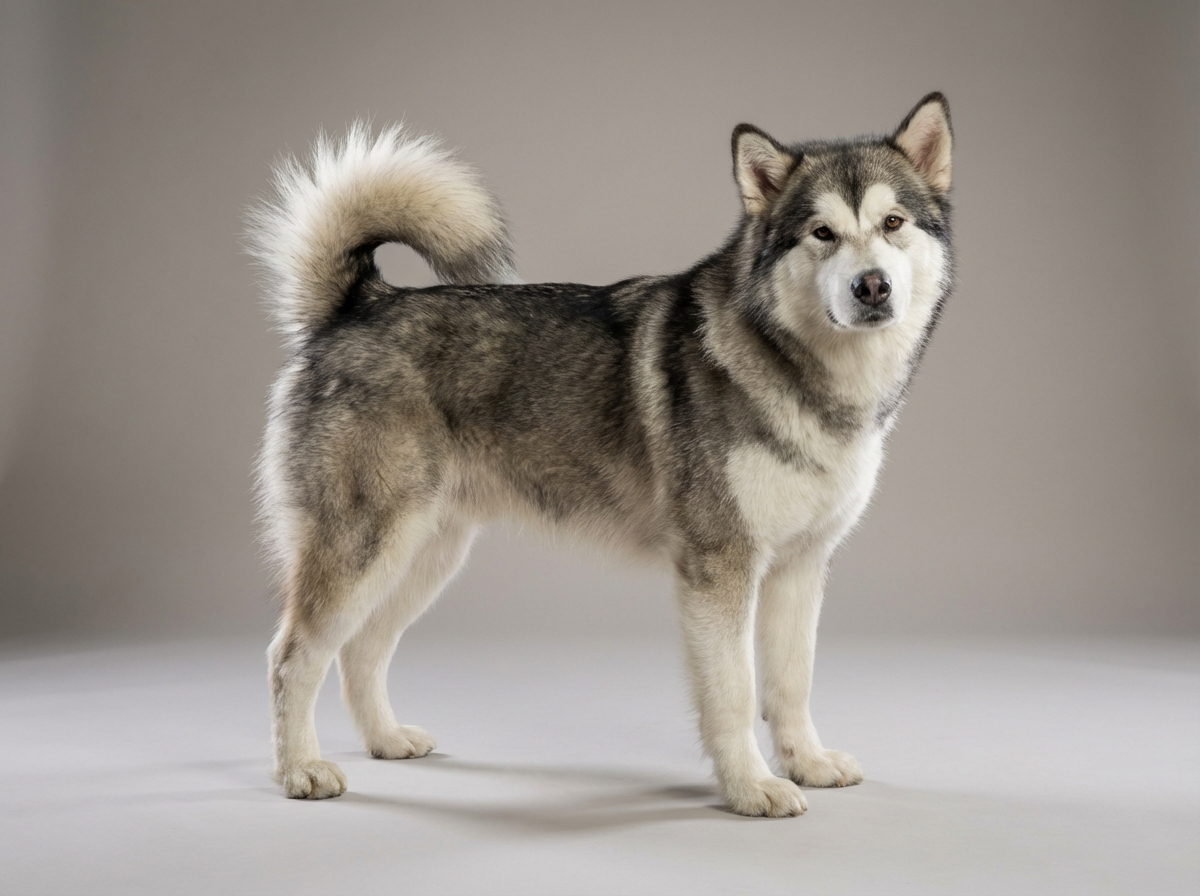
What are quick tips for Alaskan Malamute respiratory disease?
Ensure your Malamute maintains a healthy weight and gets regular exercise while avoiding extreme weather. Monitor their breathing and seek vet advice if you notice any signs of distress.
Alaskan Malamute respiratory disease can pose serious health risks for your dog. Understanding this issue is crucial for their well-being.

Owners of Alaskan Malamutes, especially first-time dog parents, may struggle with recognizing the signs of respiratory disease. Busy families or individuals who are not familiar with dog health may find it challenging to navigate these issues effectively.
This guide is not medical advice. If your dog shows pain, sudden behavior change, or worsening symptoms, consult a licensed veterinarian.
Some links may be affiliate links. We may earn a commission at no extra cost to you. We only suggest products we believe are helpful for dog owners.
Alaskan Malamute respiratory disease is a significant concern for this breed, leading to breathing difficulties and reduced stamina. Common signs include coughing, wheezing, and labored breathing, which can make daily activities like walking or playing more challenging. These symptoms can often worsen during exercise or in hot, humid weather, making it crucial for owners to monitor their dog's health closely.
Respiratory disease is notably prevalent among Alaskan Malamutes, with studies showing they are at a 479% higher risk compared to non-brachycephalic breeds. This makes it essential for owners to be vigilant and proactive in managing their dog's respiratory health.
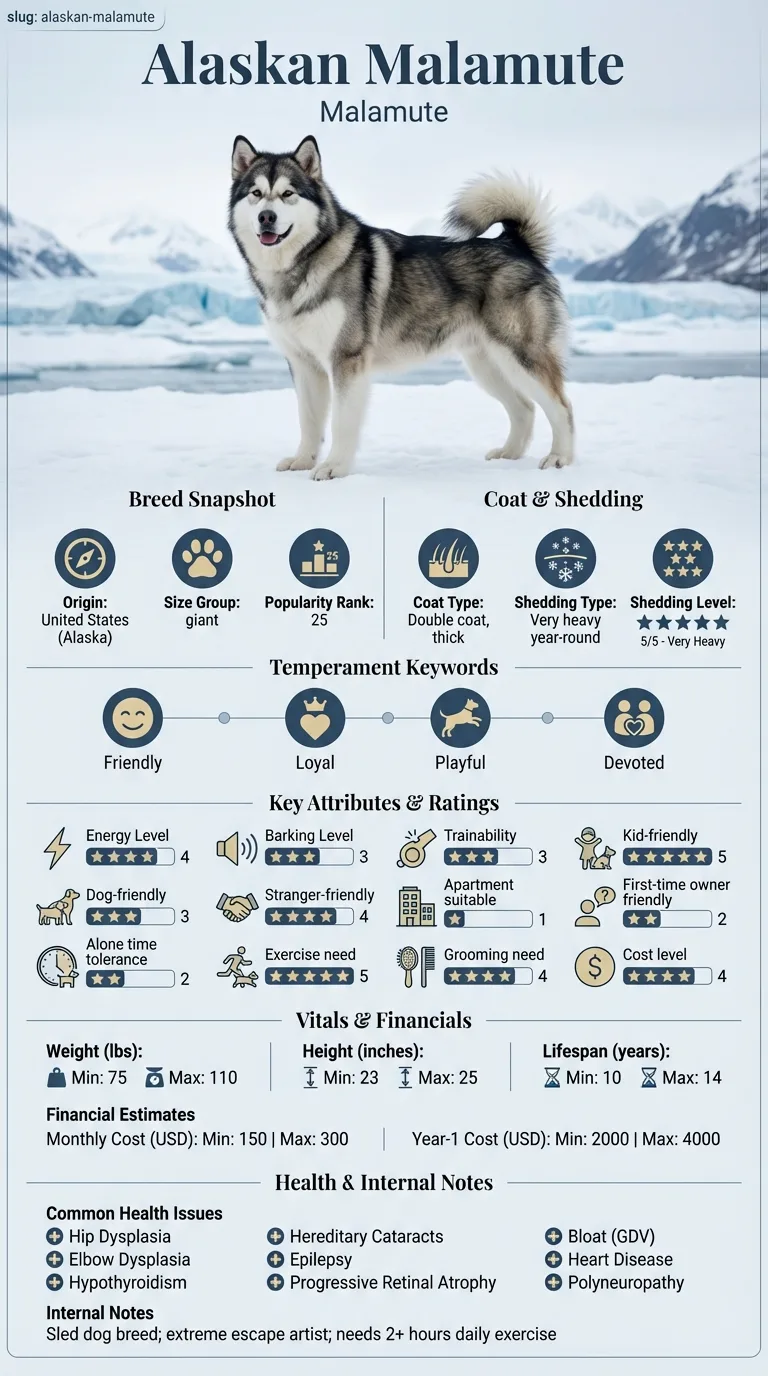
Alaskan Malamutes are a giant breed with a thick double coat, which can lead to respiratory issues, especially in warm climates. Their large size and structure may also make them more susceptible to certain lung and airway problems. Additionally, their high energy demands can contribute to health issues if not met with proper exercise.
Environmental factors play a significant role in respiratory disease. Exposure to smoke, allergens, or even extreme temperatures can aggravate a Malamute's breathing. Additionally, a lack of proper ventilation in living spaces can lead to respiratory stress, especially if the dog is confined indoors for long periods.
If your Malamute shows signs of anxiety or stress related to their breathing issues, consider enlisting a professional trainer. They can help you implement training techniques that promote calmness and confidence in your dog.
It's crucial to talk to your vet if your Alaskan Malamute experiences persistent coughing, labored breathing, or any other unusual symptoms. A vet can provide a thorough examination and recommend appropriate treatments or medications to manage the respiratory disease.
With consistent training and care, you can see improvements in your Alaskan Malamute's respiratory health within 3 to 6 months.
Success means your Malamute shows reduced respiratory distress during exercise and can enjoy activities without excessive panting or coughing.
Understanding common mistakes can help improve your Alaskan Malamute's respiratory health. Here are some behaviors to avoid, along with safer alternatives.
Recognizing when your Alaskan Malamute's respiratory disease is an emergency is crucial for their health. If you notice any severe symptoms, such as labored breathing, excessive coughing, or blue-tinged gums, it's essential to call your vet immediately. These signs can indicate a serious condition that requires prompt medical attention.
On the other hand, if your Malamute is showing mild symptoms like occasional coughing or slight wheezing, you may be able to monitor them at home. Keep track of their behavior and symptoms, and create a plan to consult with your vet if things don’t improve. However, never ignore changes in your dog's breathing patterns, as they can escalate quickly.
In summary, call your vet if you observe any of the following red-flag signs: - Severe difficulty breathing - Persistent coughing or gagging - Blue or gray gums - Lethargy or weakness - Rapid breathing or heart rate
If symptoms are mild, watch and wait, but always err on the side of caution. Keeping your vet's contact information handy can help in emergencies, ensuring your furry friend gets the care they need.

Sarah, a dedicated dog owner from Seattle, noticed her Alaskan Malamute, Max, struggling to breathe after just a short walk. Concerned, she sought advice from her vet, who explained the risks of respiratory disease in larger breeds like Max. Armed with this knowledge, Sarah started a tailored exercise plan and invested in a training program to help Max build stamina gradually. Over time, she incorporated breathing exercises and made sure he had frequent breaks during walks. Within a few months, Max was not only breathing easier but was also happier and more active.
Key takeaway: With patience and the right approach, you can help your Alaskan Malamute manage respiratory issues effectively.
Alaskan Malamutes are prone to respiratory issues due to their size and thick double coat. Factors like obesity, lack of exercise, and environmental conditions can exacerbate respiratory problems. Regular vet check-ups can help monitor their respiratory health. This answer relates to Alaskan Malamute respiratory disease.
To prevent respiratory disease in your Alaskan Malamute, ensure they maintain a healthy weight through proper diet and regular exercise. Avoid exposing them to extreme heat or allergens, and schedule regular vet visits for early detection of potential issues.
Training your Alaskan Malamute to follow commands can help manage their activity levels, preventing overexertion. Incorporate gentle exercise routines, and consider obedience training to improve their overall health and behavior. Always consult with a vet before beginning any new training.
Common signs include coughing, wheezing, difficulty breathing, and excessive panting. If your Alaskan Malamute shows these symptoms, seek veterinary advice immediately. Early intervention is crucial for managing respiratory conditions effectively.
A balanced diet low in fat can help maintain your Alaskan Malamute's weight. Foods rich in omega fatty acids can support overall health, including respiratory function. Always consult your vet for personalized dietary advice.
Yes, environmental factors like smoke, pollen, and extreme temperatures can worsen respiratory conditions. Ensure a clean living space and avoid exposure to harsh elements whenever possible. Keeping their environment comfortable can significantly help their respiratory health.
Signs of respiratory disease in an Alaskan Malamute can include coughing, wheezing, difficulty breathing, and excessive panting. If your Malamute is showing any of these symptoms, it's important to consult your veterinarian as soon as possible.
Yes, older Alaskan Malamutes may be more prone to respiratory diseases due to a decline in overall health and potential underlying conditions. Regular veterinary check-ups become increasingly important as your dog ages to catch any issues early.
Creating a calm environment and avoiding excessive exercise during hot or humid weather can help manage your Malamute's respiratory issues. Consult your vet for specific care strategies and possible treatments tailored to your dog's needs.
While you can't completely prevent respiratory diseases, maintaining a healthy weight, providing regular exercise, and ensuring routine veterinary care can minimize risks. Proper grooming can also help by reducing allergens and irritants in your home.
Several factors can contribute to respiratory disease in Alaskan Malamutes, including genetics, environmental factors, and underlying health issues. Regular veterinary check-ups can help identify and manage these risks effectively.
Ensure your Malamute maintains a healthy weight and gets regular exercise while avoiding extreme weather. Monitor their breathing and seek vet advice if you notice any signs of distress.
Treatment for respiratory disease can range from $200 to over $1,000, depending on the severity and required interventions. Regular vet check-ups can help manage costs by catching issues early.
If your Malamute starts coughing frequently, consult your vet to rule out respiratory diseases or infections. Early diagnosis is key to effective treatment.
Yes, training can help manage their exercise levels and prevent overexertion. Incorporate gentle and fun activities to keep them active without straining their respiratory system.