Behavior
What are quick tips for managing Alaskan Malamute progressive retinal atrophy (pra-rcd3)?
Ensure your home is safe by keeping pathways clear and consistent. Use verbal cues to guide your dog and maintain a stable environment.
Alaskan Malamute progressive retinal atrophy (PRA-RCD3) is a serious condition that leads to vision loss in these majestic dogs.
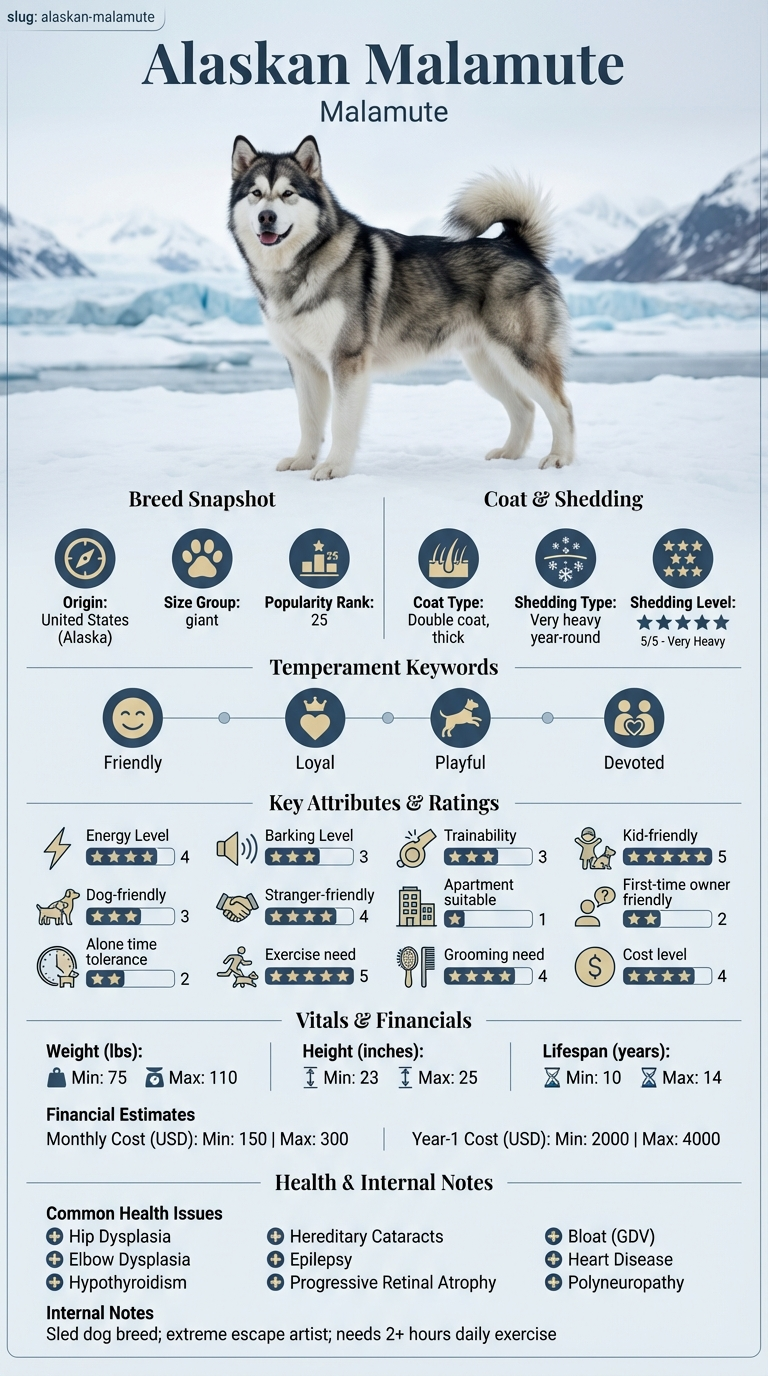
Owners of Alaskan Malamutes often face challenges with PRA-RCD3, especially if they are not familiar with common health issues in the breed. New dog owners or those with busy lifestyles may find it difficult to notice early signs of this condition, which can lead to confusion and distress.
This guide is not medical advice. If your dog shows pain, sudden behavior change, or worsening symptoms, consult a licensed veterinarian.
Some links may be affiliate links. We may earn a commission at no extra cost to you. We only suggest products we believe are helpful for dog owners.
Alaskan Malamute progressive retinal atrophy (pra-rcd3) is a genetic condition that leads to gradual vision loss. This condition can start as early as a few years old, making daily life challenging for both the dog and the owner. Symptoms may include difficulty navigating in low light, bumping into objects, or reluctance to participate in activities they once enjoyed.
Progressive retinal atrophy (pra-rcd3) is relatively common in Alaskan Malamutes, with studies suggesting that it affects a significant percentage of the breed, particularly as they age. Awareness and early detection are crucial for managing the condition.
Alaskan Malamutes are prone to progressive retinal atrophy (PRA-rcd3) due to their genetic makeup. This inherited condition leads to the gradual degeneration of the retina, causing vision loss over time. It’s important to note that this issue is more common in certain lines of the breed.
While PRA-rcd3 is primarily a genetic condition, environmental factors can worsen a dog's overall health. Poor nutrition, lack of exercise, and insufficient mental stimulation can lead to additional stress on their visual system. Keeping Malamutes healthy can help manage their predisposition to this condition.
If you notice significant changes in your Malamute's behavior, such as increased anxiety or confusion, a professional trainer can help. They can provide strategies to build your dog's confidence and adapt to their changing vision.
Consult your vet if you suspect your Malamute has PRA-rcd3. Symptoms include difficulty seeing in low light, bumping into objects, or reluctance to navigate new areas. Early detection can help manage the condition more effectively.
You may start seeing changes in your Alaskan Malamute's vision within a few months after diagnosis. Progression can vary, but many dogs adapt well over time with proper care and adjustments in their environment.
Success means your Malamute maintains a good quality of life, learns to navigate their surroundings, and enjoys daily activities despite vision challenges. Regular vet check-ups and adjustments based on their needs are crucial.
It's important to avoid certain behaviors that can worsen your Alaskan Malamute's progressive retinal atrophy (PRA-rcd3). Here are some common mistakes and safer alternatives.
Knowing when Alaskan Malamute progressive retinal atrophy (PRA-rcd3) is an emergency can make a big difference in your dog's care. It's crucial to identify serious signs that require immediate veterinary attention. If you notice sudden changes in your Malamute's behavior, such as excessive stumbling, inability to navigate familiar spaces, or signs of pain, you should call your vet right away.
On the other hand, mild cases of PRA-rcd3 may allow for monitoring and gradual management. Signs like slight difficulty seeing in low light or occasional bumping into objects could indicate early stages. These cases can often be observed with a plan that includes regular vet check-ups and supportive care at home. However, any sudden or severe changes in your dog's vision should not be ignored and warrant immediate action.
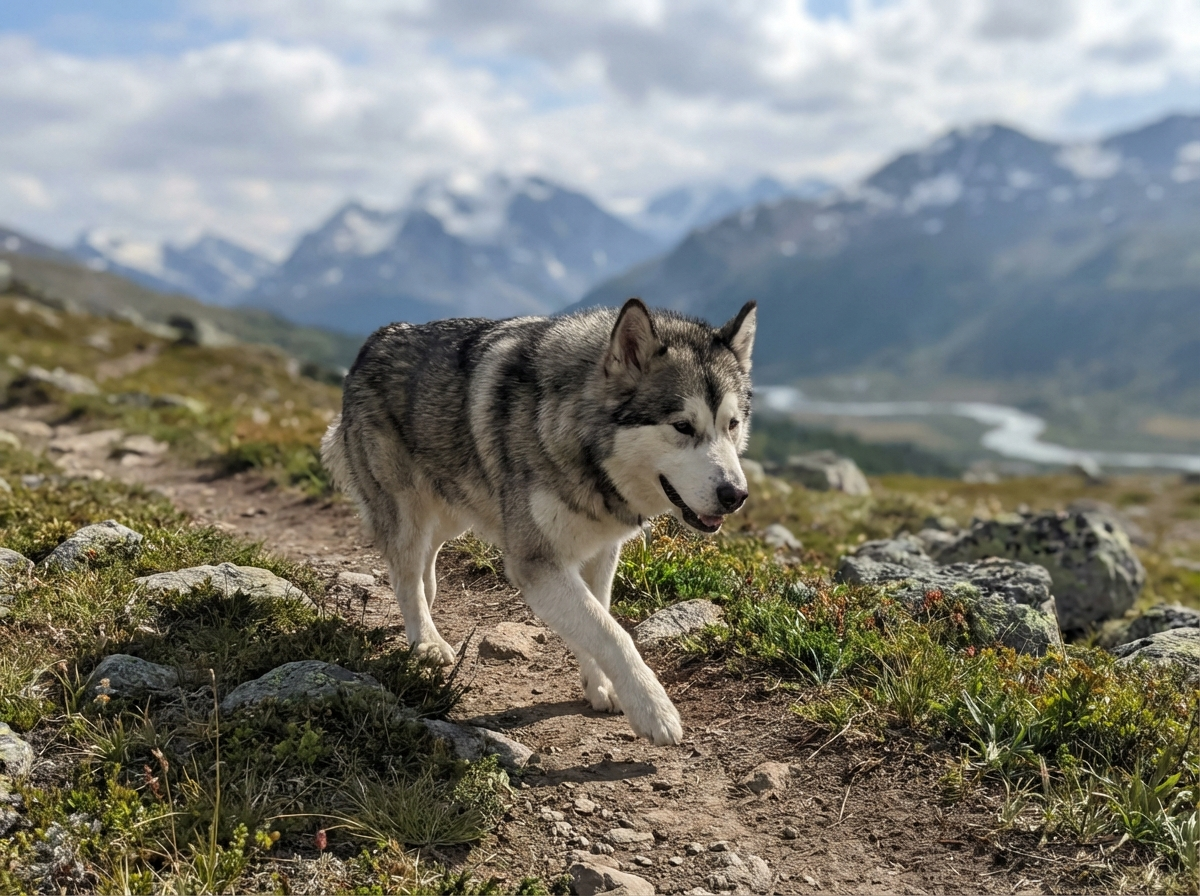
When Sarah adopted Max, her Alaskan Malamute, she was thrilled to have a loyal companion. After a few months, she noticed Max bumping into furniture. A vet confirmed it was progressive retinal atrophy (PRA-rcd3). Initially overwhelmed, Sarah learned to adapt Max's environment, using rugs to guide him and keeping pathways clear. With patience, Max learned to navigate using his other senses, and they even took up scent games together. Their bond deepened as they adjusted to this new challenge.
Key takeaway: With the right adjustments and a positive mindset, you and your dog can thrive despite challenges like PRA. Adaptation is key.
Alaskan Malamute progressive retinal atrophy (pra-rcd3) is a genetic condition that leads to gradual vision loss. It affects the retina, which is crucial for sight, causing dogs to lose their ability to see over time. Early detection can help manage the condition better.
This condition is often hereditary, meaning it can be passed down from parent to puppy. If your Malamute has PRA, it's likely due to genetic factors rather than environmental causes. Regular vet check-ups with eye exams can help catch this early.
While there's no cure for PRA, you can support your dog by making their environment safe and predictable. Use consistent cues and avoid rearranging furniture to help them navigate easily. Training them with verbal commands can also assist in their adjustment.
Signs may include difficulty seeing in dim light, bumping into objects, or reluctance to move around new environments. If you notice these behaviors, consult your vet for a thorough examination. Early signs can indicate the progression of the disease.
Yes, but with proper care, many dogs adapt well to vision loss. Keeping a stable routine and minimizing changes in their environment can help maintain their confidence. Regular vet visits can also ensure their overall health remains stable.
Currently, there is no treatment to reverse the effects of PRA. However, managing your dog's environment and providing supportive care can improve their quality of life. Speak with your vet for personalized advice.
Focus on positive reinforcement and use verbal commands to guide your dog. Consistent training sessions can help them learn new skills and adapt to their changing abilities. Patience is key as they adjust to their vision loss.
Early signs of progressive retinal atrophy (PRA) in Alaskan Malamutes include difficulty seeing in low light, bumping into objects, and changes in behavior such as hesitance to navigate stairs. If you notice these signs, it's important to consult a vet for a thorough examination.
Currently, there is no cure for progressive retinal atrophy (PRA) in Alaskan Malamutes. However, you can help your dog adapt by creating a safe environment and using training methods to assist them in navigating their surroundings.
Yes, progressive retinal atrophy (PRA) is often hereditary in Alaskan Malamutes. Responsible breeders typically screen for this condition to avoid passing it on to future generations. Always ask about health testing when considering a puppy.
To help your Alaskan Malamute cope with vision loss from PRA, maintain a consistent layout at home, use verbal commands, and keep their environment free of obstacles. Engaging in scent-based games can also stimulate their other senses.
If you notice any changes in your Alaskan Malamute's vision or behavior, it's time to see the vet. Early intervention can help manage the condition better and provide you with strategies for support.
Ensure your home is safe by keeping pathways clear and consistent. Use verbal cues to guide your dog and maintain a stable environment.
Watch for signs like hesitance to move around or bumping into things, which may indicate vision issues. Regular vet checks are essential.
Expect monthly costs for care, including vet visits and any necessary adjustments at home, to range from $150 to $300.
Yes, training can help them adapt to their environment and enhance their confidence. Focus on verbal cues and positive reinforcement.