Behavior
What are quick tips for managing Alaskan Malamute neurologic disease?
Maintain a healthy diet, provide regular exercise, and ensure mental stimulation. Regular veterinary check-ups are essential for monitoring health.

Quick answer
What are quick tips for managing Alaskan Malamute neurologic disease?
Maintain a healthy diet, provide regular exercise, and ensure mental stimulation. Regular veterinary check-ups are essential for monitoring health.
Alaskan Malamute neurologic disease can be a serious concern for owners. This condition may impact your dog's quality of life, making it crucial to understand its symptoms and management.
Typical owners facing this challenge often include first-time Malamute parents, busy families, or those living in areas without easy access to veterinary care. These individuals may feel overwhelmed by their pet's health issues and unsure of how to provide the best care.
This guide is not medical advice. If your dog shows pain, sudden behavior change, or worsening symptoms, consult a licensed veterinarian.
Some links may be affiliate links. We may earn a commission at no extra cost to you. We only suggest products we believe are helpful for dog owners.
We research and check what we publish, but we do not warrant that any figure, date, price, or statement is accurate, complete, or current, and we accept no liability for any loss, cost, injury, or other harm arising from the use of this site. Use it as one reference among several. You remain responsible for your own decisions and for your dog's care - confirm anything that matters with a licensed veterinarian or another qualified professional before you act on it. Full disclaimer.
Check this first
Knowing when Alaskan Malamute neurologic disease is an emergency is crucial for your pet's health. There are specific red flags that indicate you should call your vet immediately. If your Malamute shows severe symptoms such as seizures, sudden loss of balance, or extreme lethargy, these are signs that require urgent attention.
Other alarming symptoms may include difficulty breathing, sudden blindness, or extreme agitation. If you notice any of these signs, don’t hesitate. Call your vet right away as these could indicate a serious condition that needs immediate intervention.
On the other hand, some symptoms may not require immediate action. If your Alaskan Malamute is experiencing mild signs such as occasional disorientation or slight coordination issues, you can monitor their condition at home. Keep an eye on their symptoms over a few days and take notes to share with your vet.
It's important to have a plan. Regular check-ins with your vet can help you understand what symptoms to watch for. If they worsen or new symptoms appear, reach out to your veterinarian sooner rather than later. Being informed can make a significant difference in your dog's health and well-being.
If any of these apply, call your vet or an emergency clinic now. The rest of this page is for the cases that are not an emergency.
Alaskan Malamute neurologic disease can manifest in various ways including seizures, coordination issues, and changes in behavior. This condition can significantly impact your Malamute's quality of life. Owners often notice unusual movements or a lack of responsiveness during daily interactions.
Neurologic disease is relatively rare but poses a higher risk for Alaskan Malamutes compared to other breeds. Studies suggest they have a 291% higher risk, which makes it important for owners to be vigilant.
Alaskan Malamutes have a genetic predisposition to various neurologic diseases, including polyneuropathy. This condition can affect their nerve function, leading to mobility issues and other symptoms. Additionally, their size and strength can make them more susceptible to certain health problems as they age.
Environmental factors, such as poor nutrition and lack of exercise, can exacerbate neurologic issues in Malamutes. Stressful living conditions, like frequent changes in routine or inadequate mental stimulation, can also contribute to their overall health decline. It's essential to provide a stable environment to help minimize these risks.
If your Malamute shows signs of neurologic disease, such as difficulty walking, weakness, or seizures, it's crucial to consult a vet promptly. They can diagnose the condition and recommend appropriate treatments or therapies.
Avoiding certain behaviors can help your Alaskan Malamute with neurologic disease feel better. Here are common mistakes to steer clear of.
Start here: Alaskan Malamute Most Common Genetic Disorders: Screening
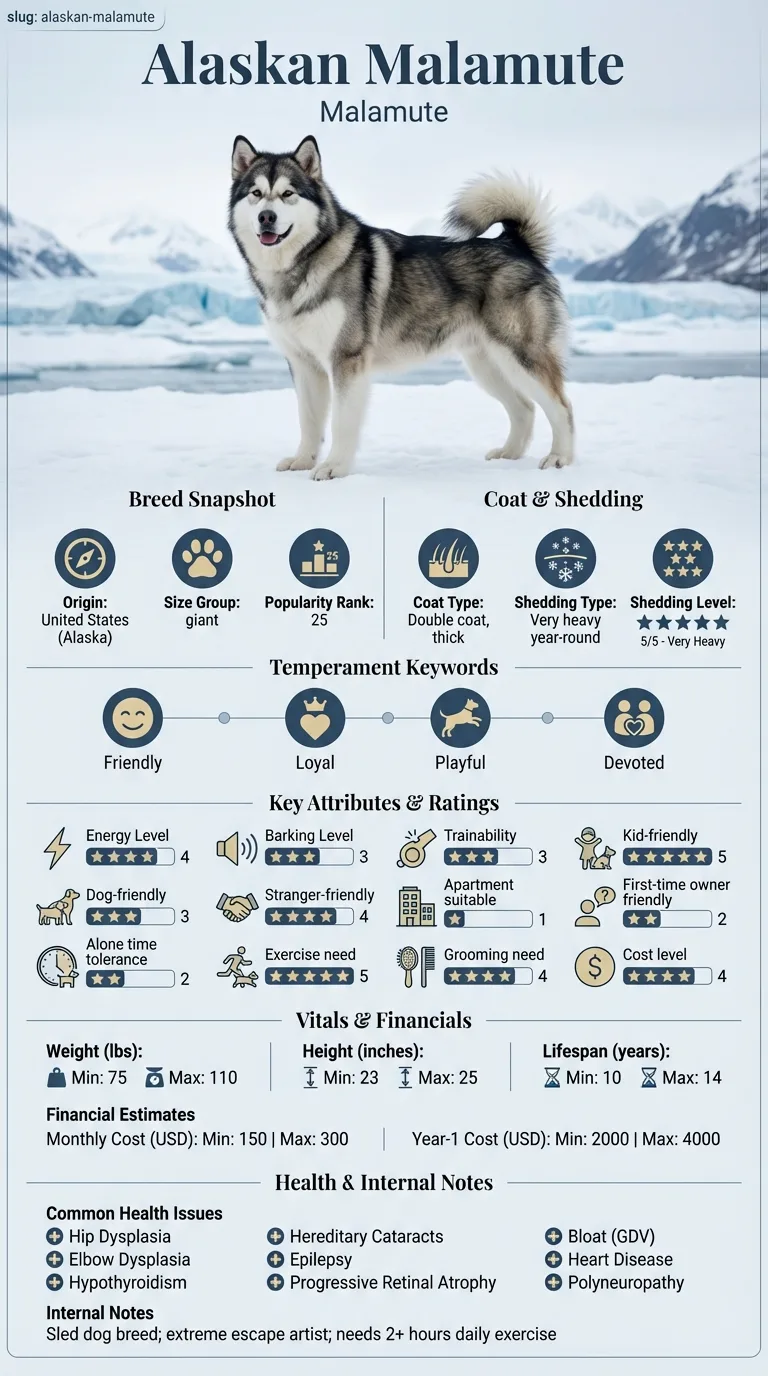
See all Alaskan Malamute health problems, which breeds are prone to neurologic disease, or the full Alaskan Malamute breed guide for temperament, exercise needs and ownership costs.
Addressing Alaskan Malamute neurologic disease typically requires a commitment of several months for effective management. Owners should expect to see initial improvements within 4 to 6 weeks of implementing a tailored care plan.
Success means your Malamute shows improved coordination and reduced symptoms, like tremors or weakness. You'll also feel more confident in managing their care and making adjustments as needed.
When Lisa adopted Bella, she had no idea the Alaskan Malamute would face neurologic issues. After noticing Bella’s unusual shaking, she took her to the vet. The diagnosis was neurologic disease, and Lisa felt overwhelmed. With the vet’s guidance, she created a structured routine with specific exercises and dietary adjustments. Over the next few months, Bella showed remarkable improvements. She regained her strength and even picked up her favorite game of fetch again, which had seemed impossible at first.
Key takeaway: With patience and the right support, managing Alaskan Malamute neurologic disease can lead to a better quality of life for your dog.
Alaskan Malamutes can develop neurologic diseases due to genetic factors, nutritional deficiencies, or environmental stressors. Regular vet check-ups can help catch these issues early. If you notice unusual behaviors, consult your vet immediately.
Signs of neurologic disease in Alaskan Malamutes include unsteady gait, seizures, or changes in behavior. If your dog is showing these symptoms, it's crucial to seek veterinary care. Early diagnosis can significantly impact treatment success.
Treatment may involve medications, dietary changes, or physical therapy depending on the specific condition. Your vet will guide you through the best options for your dog's needs. Regular follow-ups are essential to monitor progress.
While not all neurologic diseases are preventable, maintaining a healthy diet and regular exercise can reduce risks. Additionally, screening for genetic predispositions can be helpful. Consult with your vet about preventive care.
Neurologic disease in Alaskan Malamutes can stem from various factors, including genetics, poor nutrition, or lack of mental stimulation. Identifying the root cause is key to effective management. Work closely with your vet for a tailored approach.
The prognosis varies widely depending on the type and severity of the disease. Some conditions may be managed effectively with treatment, while others may lead to a decreased quality of life. Regular veterinary care is vital for monitoring.
Early signs of neurologic disease can include changes in behavior, difficulty walking, or loss of coordination. If you notice your Malamute seems unusually clumsy or is having trouble with balance, it's time to consult your vet.
Treatment options for neurologic disease can vary based on the specific condition. Some diseases can be managed with medication and lifestyle changes, while others may require more intensive treatment or even surgery.
Creating a safe environment is essential for your Malamute. This might involve removing obstacles that could cause falls and providing a comfortable space for rest. Regular vet check-ups are also crucial for monitoring their condition.
Some neurologic diseases can have a genetic component, meaning they may be more likely to occur in certain bloodlines. If you're considering breeding, it's important to consult with a vet about potential risks and genetic testing.
If your older Malamute exhibits symptoms like confusion, seizures, or difficulty moving, contact your vet immediately. Early intervention can make a significant difference in managing their health.
Maintain a healthy diet, provide regular exercise, and ensure mental stimulation. Regular veterinary check-ups are essential for monitoring health.
Create a safe, comfortable environment and establish a routine. Training and positive reinforcement can help manage behaviors affected by neurologic disease.
Stay calm and ensure your dog is in a safe space. Do not put anything in their mouth, and contact your vet immediately after the seizure ends.
A balanced diet rich in essential nutrients can support overall health. Supplements may be necessary if deficiencies are detected; consult your vet for advice.
Yes, certain neurologic diseases are more prevalent in Alaskan Malamutes due to genetic factors. Regular screening can help catch these issues early.
A one-page prep sheet for this condition: the signs, the questions to ask, what to get priced. Unlocks here.
You get: Vet visit prep sheet
No spam. One-click unsubscribe. See our privacy policy.
Preview page 1 before you decide.