Behavior
What are quick tips for managing Alaskan Malamute gastrointestinal disorders?
Monitor your dog's diet closely and switch to high-quality, easily digestible food. Ensure they stay hydrated and consult your vet if symptoms persist.

Quick answer
What are quick tips for managing Alaskan Malamute gastrointestinal disorders?
Monitor your dog's diet closely and switch to high-quality, easily digestible food. Ensure they stay hydrated and consult your vet if symptoms persist.
Alaskan Malamute gastrointestinal disorders can be a serious concern for owners. These conditions, including inflammatory bowel disease and acid reflux, can lead to discomfort and health issues.
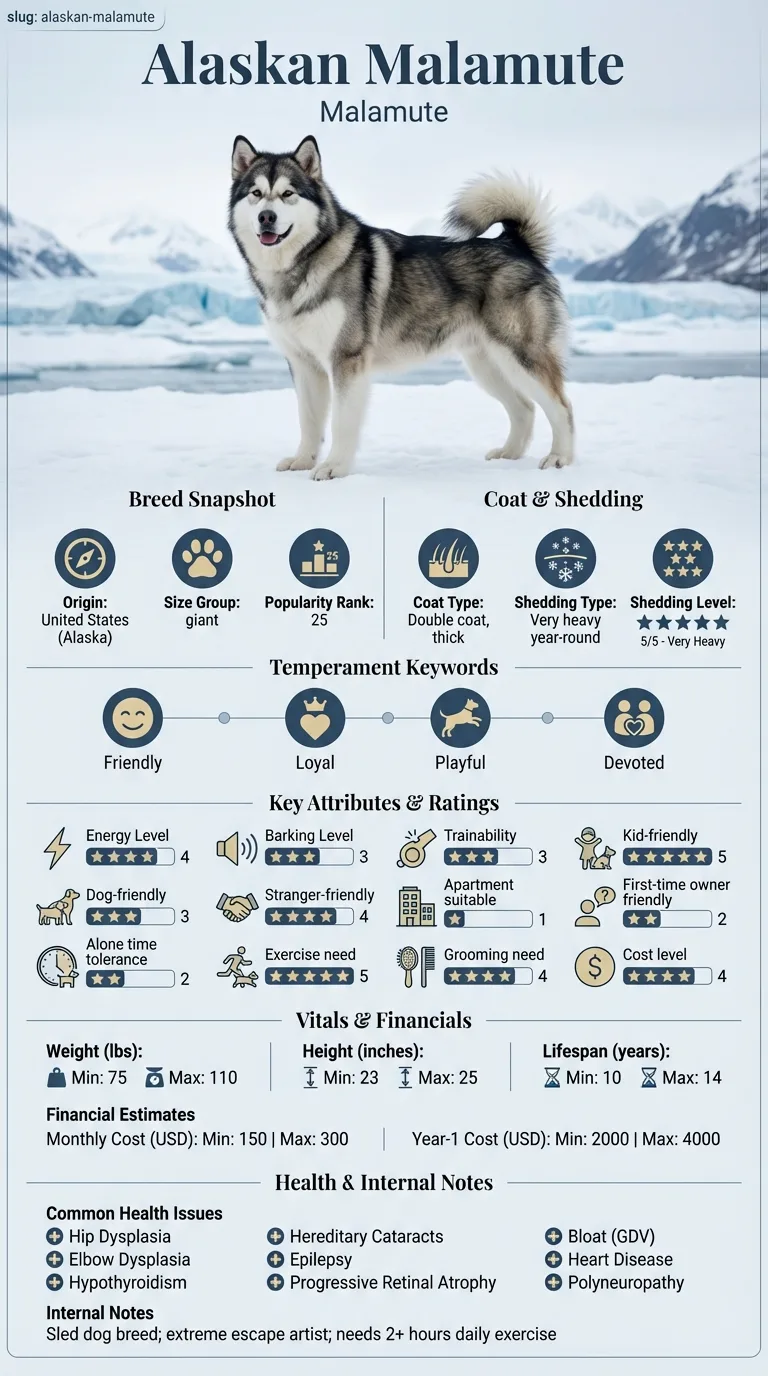
Typically, first-time Alaskan Malamute owners or those unaware of the breed's specific health needs can struggle with gastrointestinal disorders. Busy families or individuals may find it hard to spot subtle signs of distress, leading to delays in treatment.
This guide is not medical advice. If your dog shows pain, sudden behavior change, or worsening symptoms, consult a licensed veterinarian.
Some links may be affiliate links. We may earn a commission at no extra cost to you. We only suggest products we believe are helpful for dog owners.
We research and check what we publish, but we do not warrant that any figure, date, price, or statement is accurate, complete, or current, and we accept no liability for any loss, cost, injury, or other harm arising from the use of this site. Use it as one reference among several. You remain responsible for your own decisions and for your dog's care - confirm anything that matters with a licensed veterinarian or another qualified professional before you act on it. Full disclaimer.
Check this first
Red-flag symptoms that require urgent care include: - Persistent vomiting, especially if there's blood. - Diarrhea that lasts more than 24 hours or is accompanied by blood. - Signs of dehydration, such as dry gums or lethargy. - Abdominal swelling or extreme pain when touched. - Loss of appetite for more than 24 hours.
These symptoms may indicate serious conditions like bloat or intestinal blockage. In these cases, waiting can worsen the situation.
On the other hand, mild gastrointestinal issues can generally be monitored. Symptoms like occasional vomiting or loose stools can often be managed at home. You might consider: - A temporary switch to a bland diet, like boiled chicken and rice. - Keeping your Malamute hydrated with plenty of water. - Monitoring their behavior and stool over the next few days.
If your dog seems otherwise healthy and the symptoms are mild, it's okay to watch and wait. Just keep an eye on them, and if things worsen, don’t hesitate to reach out to your vet. Knowing when to act is key to keeping your Alaskan Malamute healthy.
If any of these apply, call your vet or an emergency clinic now. The rest of this page is for the cases that are not an emergency.
Alaskan Malamute gastrointestinal disorders can be a real challenge for owners. These disorders may manifest as vomiting, diarrhea, or a lack of appetite. This breed is prone to issues like inflammatory bowel disease and acid reflux, making it essential to watch for changes in their eating habits or behavior.
Gastrointestinal disorders are relatively common in Alaskan Malamutes, especially as they age or if they have a sensitive stomach. Many owners report dealing with these issues at some point, making it important to stay vigilant.
Alaskan Malamutes are prone to certain genetic health issues, including gastrointestinal disorders. Their large size and specific breed characteristics can make them more susceptible to problems like bloat or inflammatory bowel disease. Additionally, their diet and eating habits can impact their digestive health.
Environmental factors such as diet, stress, and changes in routine can trigger gastrointestinal disorders in Alaskan Malamutes. Overfeeding, sudden diet changes, or low-quality food can lead to digestive upset. Stressful situations, like moving or loud noises, may also exacerbate these issues.
Consult a vet if your Malamute experiences persistent vomiting, diarrhea, or shows signs of pain or discomfort. These could be symptoms of serious conditions that require medical attention. Regular check-ups are also important to monitor any potential underlying health issues.
Many owners unknowingly reinforce gastrointestinal issues in Alaskan Malamutes. Here are some common mistakes to avoid.
Start here: Alaskan Malamute Most Common Genetic Disorders: Screening
See all Alaskan Malamute health problems, which breeds are prone to gastrointestinal disorders, or the full Alaskan Malamute breed guide for temperament, exercise needs and ownership costs.
Improving Alaskan Malamute gastrointestinal disorders can take several weeks to months. Consistency in diet and care is key.
Success means reduced symptoms, such as less vomiting or diarrhea, and your Malamute appearing healthier and more energetic.
Sarah, a dedicated Alaskan Malamute owner, noticed that her dog Max frequently had digestive issues. After several vet visits and trying different foods, Sarah discovered that a grain-free diet suited Max best. Within a month, his gastrointestinal problems significantly decreased, and he had more energy to play.
Key takeaway: Experimenting with diet is crucial for managing Alaskan Malamute gastrointestinal disorders. Always consult a vet for tailored advice.
Alaskan Malamutes can experience gastrointestinal disorders due to various factors such as diet, food allergies, or underlying health issues. Stress and anxiety may also contribute to digestive problems in these dogs. If your Malamute shows persistent symptoms, consult your vet for a thorough evaluation. This answer relates to Alaskan Malamute gastrointestinal disorders.
To address gastrointestinal disorders in Alaskan Malamutes, start by evaluating their diet. Transition to a high-quality, easily digestible food and monitor for any allergies. Regular vet check-ups can also help identify and manage underlying health conditions.
Common signs include vomiting, diarrhea, bloating, and changes in appetite. You may also notice weight loss or lethargy. If you observe any of these symptoms, it's essential to consult your veterinarian.
Yes, changing to a more digestible diet can help alleviate gastrointestinal issues. Look for dog food specifically formulated for sensitive stomachs. Always make changes gradually to avoid further digestive upset.
Absolutely. Stress and anxiety can trigger digestive issues in Alaskan Malamutes. Creating a stable routine and providing a calm environment can help reduce stress levels and improve their overall health.
Yes, stress can contribute to gastrointestinal disorders in Alaskan Malamutes. Factors like changes in routine, moving to a new home, or loud noises can trigger digestive issues.
For older Malamutes, consider a gentler diet and smaller, frequent meals. It's also crucial to keep their stress levels low and consult a vet for tailored advice.
If your Malamute has persistent vomiting or diarrhea lasting more than 24 hours, or shows signs of pain, lethargy, or dehydration, you should seek veterinary care immediately.
Feeding a high-quality diet with balanced nutrients can help. It's also beneficial to avoid sudden changes in diet, which can upset their stomach. Gradual transitions are key.
Monitor your dog's diet closely and switch to high-quality, easily digestible food. Ensure they stay hydrated and consult your vet if symptoms persist.
Yes, avoid foods with fillers, artificial additives, and common allergens like wheat, soy, and dairy. Opt for simple, natural ingredients.
Regular vet check-ups every six months are recommended, but consult your vet sooner if you notice any concerning symptoms.
Treatment costs can vary widely, typically ranging from $200 to $1,000 depending on diagnostics and treatment options.
While training itself won't directly solve gastrointestinal issues, reducing stress through positive reinforcement can improve your dog's overall well-being.
A one-page prep sheet for this condition: the signs, the questions to ask, what to get priced. Unlocks here.
You get: Vet visit prep sheet
No spam. One-click unsubscribe. See our privacy policy.
Preview page 1 before you decide.