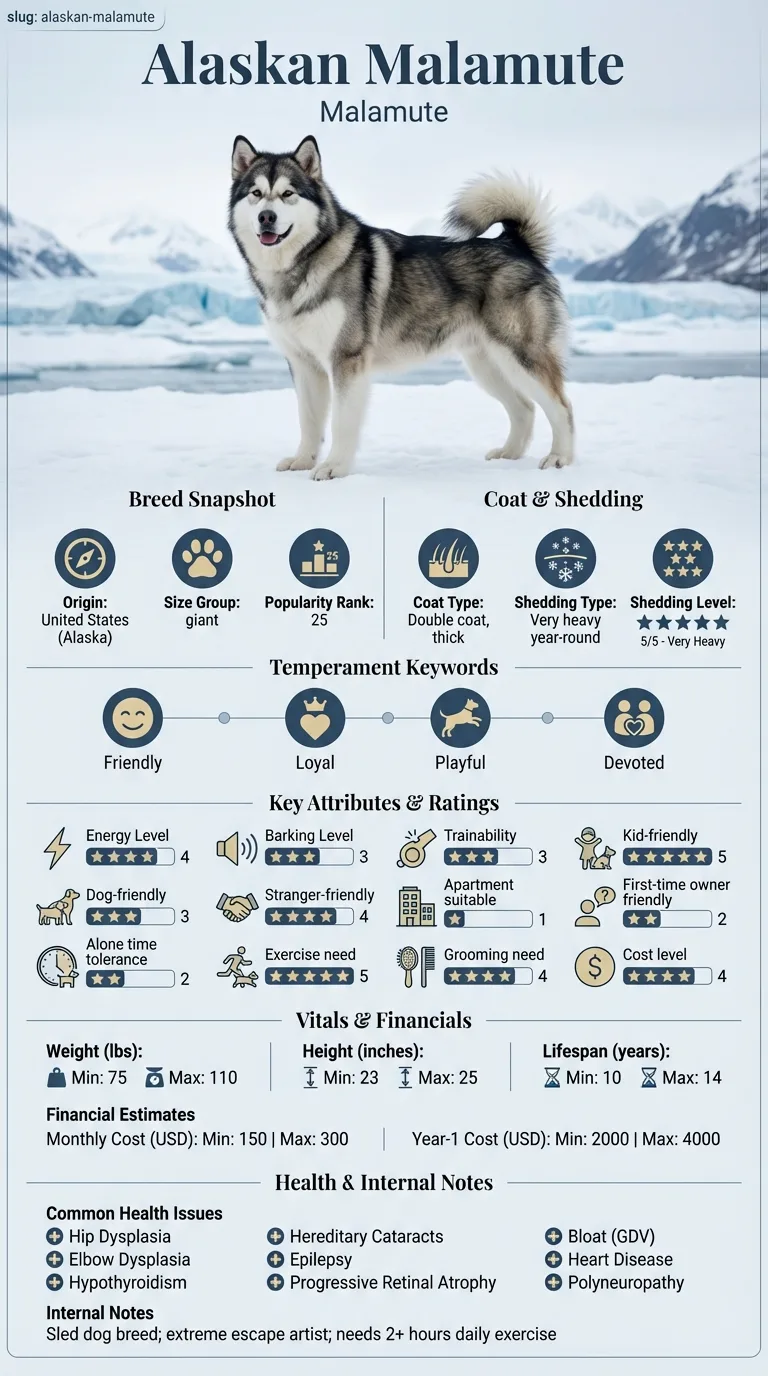
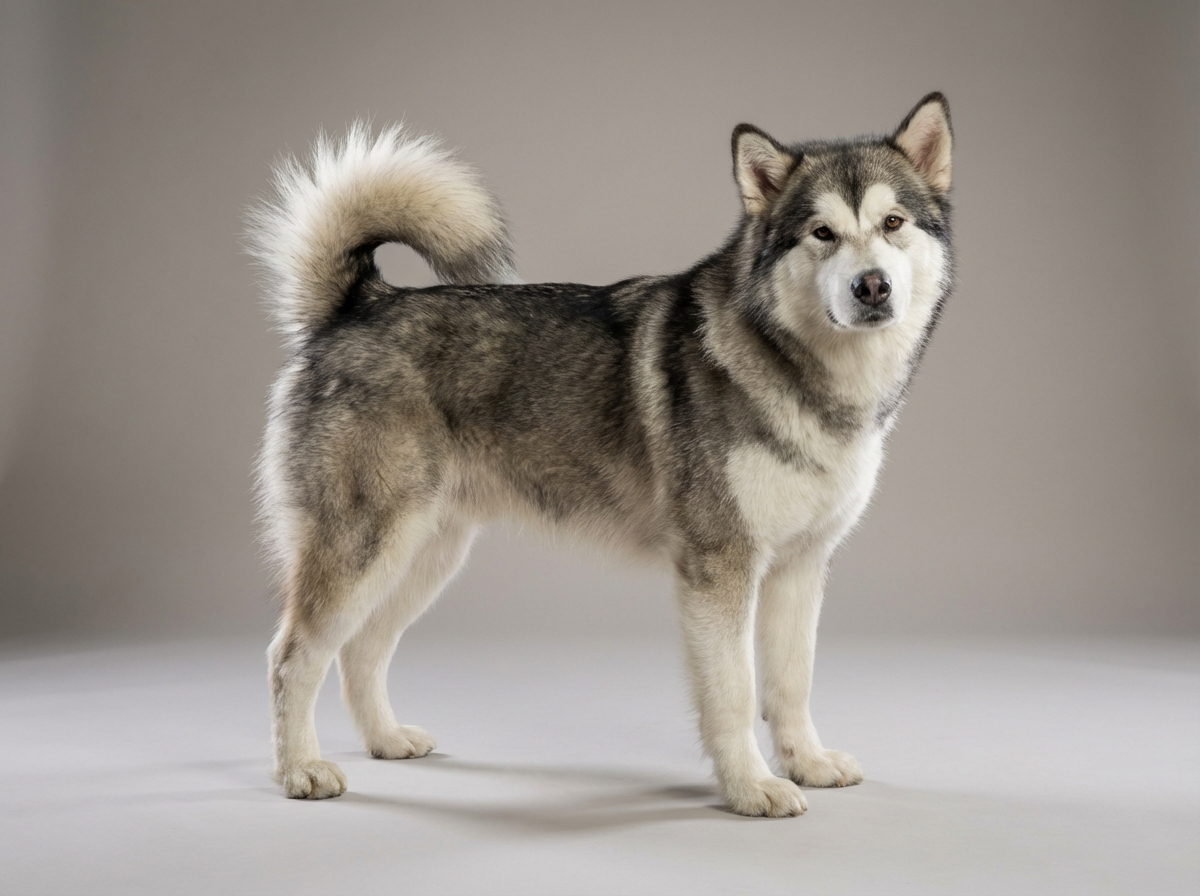
What are quick tips for Alaskan Malamute back problems?
Regular vet check-ups and maintaining a healthy weight are key to preventing back problems in Alaskan Malamutes. Incorporate low-impact exercises and avoid rough play to protect their spine.
Alaskan Malamute back problems can be a serious concern for owners. These issues often stem from the breed's unique physical structure.

This issue typically affects owners of Alaskan Malamutes, especially those who may not be aware of the specific needs of this giant breed. Busy families and first-time dog owners may find it particularly challenging to manage these health concerns.
This guide is not medical advice. If your dog shows pain, sudden behavior change, or worsening symptoms, consult a licensed veterinarian.
Some links may be affiliate links. We may earn a commission at no extra cost to you. We only suggest products we believe are helpful for dog owners.
Alaskan Malamute back problems are a common issue due to their long spine and short legs. Owners may notice their dog struggling to jump, play, or even walk comfortably. These problems can stem from various factors, including genetics, weight, and lack of exercise.
Back problems in Alaskan Malamutes are fairly common, especially in older dogs. Many owners report issues related to mobility as their pets age, making it important to monitor their health closely.
Alaskan Malamutes have long spines and short legs, which can make them prone to back problems. Their size and weight also put additional strain on their spine, especially in activities that involve jumping or climbing.
Improper exercise or excessive weight can worsen back issues. A lack of support during activities, like jumping off furniture, can also lead to injury. Additionally, an uneven or hard living environment can contribute to back stress.
If your Malamute struggles with basic commands or exhibits signs of discomfort during regular activities, consider hiring a trainer. A professional can help with training methods that avoid stressing their back.
If your Malamute shows persistent signs of pain, such as reluctance to move, whining, or changes in behavior, it’s time to consult a vet. They can assess for serious issues like hip dysplasia or other underlying conditions.
You can expect to see improvements in your Alaskan Malamute's back problems within 4 to 6 weeks of consistent training and care. However, some issues may require ongoing management.
Success means your Malamute can move comfortably without pain and engage in regular activities, such as playing and walking. A noticeable reduction in discomfort and increased mobility are key indicators.
Understanding common mistakes can help you avoid worsening back problems in your Alaskan Malamute. Here are some key pitfalls to watch out for.
Recognizing when your Alaskan Malamute's back problems require immediate veterinary attention is crucial. If your dog shows any of these red-flag signs, call your vet right away. Signs of an emergency include inability to walk, severe pain (evident from whining or yelping), loss of bladder or bowel control, or sudden weakness in their hind legs. These symptoms can indicate serious conditions like herniated discs or spinal injuries that need prompt treatment.
On the other hand, if your Malamute has mild issues like occasional stiffness, slight limping, or seems hesitant to jump, you can monitor these symptoms closely. Create a plan that includes rest, gentle exercise, and weight management to help alleviate mild back problems. Keep track of any changes in their behavior or mobility, and consult your vet if the situation worsens or doesn’t improve within a few days.
Always remember that early intervention can prevent more severe issues down the road, so don’t hesitate to reach out to your veterinarian if something feels off with your dog's back health.

Sarah, a busy nurse in Seattle, adopted Max, her Alaskan Malamute, hoping for a loyal companion. Soon after, she noticed Max struggled to jump onto the couch and seemed stiff after walks. Concerned about his back problems, Sarah consulted her vet, who recommended a mix of weight management, tailored exercise, and gentle stretching. With patience and dedication, Sarah followed a new routine. After a couple of months, Max was not only more comfortable but also more active, happily chasing after his favorite toy again.
Key takeaway: Addressing Alaskan Malamute back problems requires a proactive approach. With the right care and consistent effort, you can help your dog lead a more comfortable and active life.

Alaskan Malamutes can experience back problems due to their long spine and short legs. This unique structure can lead to conditions such as intervertebral disc disease or general back pain. Regular veterinary check-ups and monitoring their activity levels can help catch issues early.
To stop Alaskan Malamute back problems, focus on maintaining a healthy weight and providing low-impact exercises. Avoid activities that put undue stress on their back, like jumping or rough play. Consult with a vet for tailored exercise and training plans.
Signs of back problems in Alaskan Malamutes include difficulty jumping, reluctance to play, and noticeable pain when touched along the spine. If your Malamute shows any of these signs, it’s essential to consult your veterinarian for an evaluation.
Yes, training is crucial for preventing Alaskan Malamute back problems. Teaching them proper commands can prevent jumping and rough play that strain their backs. Positive reinforcement training methods will help keep their movements safe.
Absolutely! Maintaining a healthy weight is vital for Alaskan Malamutes to reduce the strain on their backs. A balanced diet and regular exercise can help keep them fit, which in turn minimizes the risk of back issues.
Common signs include difficulty getting up or lying down, reluctance to play or exercise, and abnormal posture. You may also notice your Malamute yelping or whining when moving, which can indicate pain.
To prevent back problems, maintain a healthy weight, provide proper exercise, and avoid high-impact activities. Regular vet check-ups can also help catch any early signs of issues.
If your Alaskan Malamute shows persistent signs of discomfort or pain, it’s crucial to see a vet. Immediate attention is necessary if they have difficulty walking or if their symptoms worsen.
Yes, older Alaskan Malamutes are more prone to back problems due to natural wear and tear. Regular vet visits and appropriate exercise can help manage these issues as they age.
Treatment options may include physical therapy, weight management, and pain relief medications. In severe cases, surgery might be necessary, so it's essential to discuss options with your vet.
Regular vet check-ups and maintaining a healthy weight are key to preventing back problems in Alaskan Malamutes. Incorporate low-impact exercises and avoid rough play to protect their spine.
Alaskan Malamutes need at least 2 hours of exercise daily to stay healthy. This helps prevent obesity, which can exacerbate back problems.
If your Alaskan Malamute shows signs of pain, consult your vet immediately. Early intervention can prevent more serious back issues.
A balanced diet rich in nutrients can support your Alaskan Malamute's overall health. Consider consulting your vet for specific dietary recommendations to support joint health.