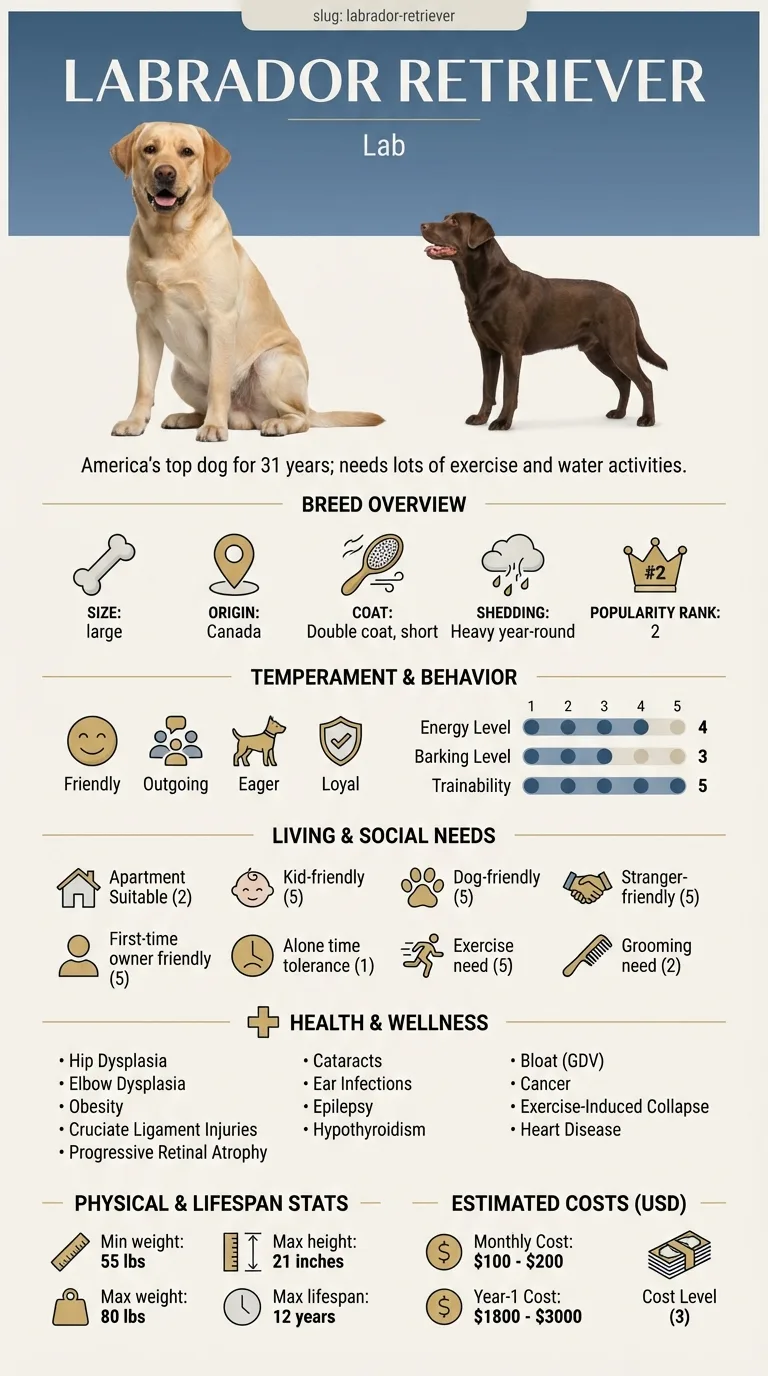
What is the Fort Worth dog cost of living?
A Fort Worth dog cost of living plan should cover food, routine veterinary care, training, supplies, housing-related pet charges, and an emergency reserve. The total depends on your dog and your choices.
Dog ownership in Fort Worth can work well in an apartment when daily exercise, cooling breaks, and rental policies are part of the plan from the start.

Fort Worth can suit dog owners who can provide consistent walks, enrichment, and a predictable home routine. It is especially practical for apartment residents who are ready to ask about pet policies before signing a lease and to schedule activity around hot parts of the day.
Budget for both routine and unexpected parts of dog ownership. Food, preventive veterinary visits, grooming needs, training, supplies, renter fees, and urgent care can all affect the total. Your dog's size, coat, age, and individual needs will influence the plan.
Dog ownership in Fort Worth looks different from one household to the next. An apartment near a walkable route can be a good setup for a smaller or moderate-energy dog, while a home with a yard can add convenience but does not replace exercise, training, and supervised time together. Before choosing a neighborhood, look at the walking surfaces, shade, traffic, and the time it takes to reach outdoor space you would use regularly.
If you rent, read the pet policy before applying. Ask about deposits, recurring pet rent, vaccination or registration paperwork, weight limits, and any breed restrictions. These details can affect which dog is realistic for your household and may change from one property to another.
Fort Worth's warm weather also shapes a dog routine. Early-morning and evening walks are often more comfortable than the hottest part of the day. Carry water on longer outings, provide a cool indoor place to rest, and watch your individual dog for signs that it needs a break.
A nearby dog park can be useful for some social dogs, but it is not required for every dog or every day. Choose parks and playgroups based on your dog's comfort, training, and supervision needs. Leashed neighborhood walks, training games, scent work, and calm time at home can be equally valuable parts of living with a dog in Fort Worth.
A downtown apartment resident with a regular office schedule may do best with an adult dog that can settle between walks. Their plan might include a morning walk before work, a midday break arranged with a trusted helper when needed, and a calmer evening outing once temperatures ease.
A family in a neighborhood with a fenced yard may have more space, but still needs to decide who handles feeding, training, walks, and veterinary appointments. A friendly, trainable dog can fit family life well when adults set consistent rules and the dog receives age-appropriate exercise.
A remote worker may have more flexibility, yet a dog still benefits from planned independence time instead of constant attention. Short training sessions, enrichment, and a dependable walk schedule help create a routine that works whether the owner is at home or away.
These examples show why the best dogs for Fort Worth are not one-size-fits-all. Energy level, size, grooming needs, temperament, and the household's available time matter more than choosing a dog solely because it seems suited to a city.
Fort Worth can be a workable place for dog owners when housing, walking access, and daily time are planned carefully. Whether a specific neighborhood or rental is dog-friendly depends on its current rules, amenities, and the needs of the individual dog.
The best dogs for Fort Worth are dogs whose exercise needs, size, and temperament fit the home and routine you can provide. For apartment living, many people prioritize a dog that can settle indoors after appropriate exercise and training rather than relying on breed alone.
Warm-weather planning is important for living with a dog in Fort Worth. Favor cooler times of day for longer walks, bring water when appropriate, and give your dog a comfortable place to cool down indoors. Contact a veterinarian promptly if your dog seems unwell or has concerning heat-related symptoms.
A Fort Worth dog cost of living plan should include recurring food and preventive-care needs as well as grooming, training, supplies, housing fees, and an emergency cushion. Actual costs vary with the dog, the household, and the services you choose. When researching dog ownership in Fort Worth, always prioritize individual veterinary assessment over general breed assumptions.
Ask a prospective landlord or property manager for the complete pet policy in writing. Confirm deposits, monthly fees, size or breed restrictions, required documents, limits on the number of pets, and any community rules for shared outdoor areas.
Look for a routine that you can repeat: regular toilet breaks, exercise that matches the dog's age and ability, mental enrichment, rest, and positive training. A nearby green space can help, but a consistent plan matters more than having access to a single destination.
A Fort Worth dog cost of living plan should cover food, routine veterinary care, training, supplies, housing-related pet charges, and an emergency reserve. The total depends on your dog and your choices.
Fort Worth can support dog ownership when you choose housing with a workable pet policy and build a consistent routine for walks, exercise, and cooling breaks during warm weather.
This guide is not medical advice. If your dog shows pain, sudden behavior change, or worsening symptoms, consult a licensed veterinarian.
Some links may be affiliate links. We may earn a commission at no extra cost to you. We only suggest products we believe are helpful for dog owners.