Guide

Protective Dog Breeds: Choosing Your Loyal Guardian

Looking for a furry bodyguard? This guide will help you choose the best protective dog breeds for your family and home.

Understanding Protective Dog Breeds

Protective dog breeds are known for their loyalty and instinct to guard their family. These breeds can offer not just companionship but also a sense of security. For families looking for a furry protector, understanding the nuances of these breeds is crucial.

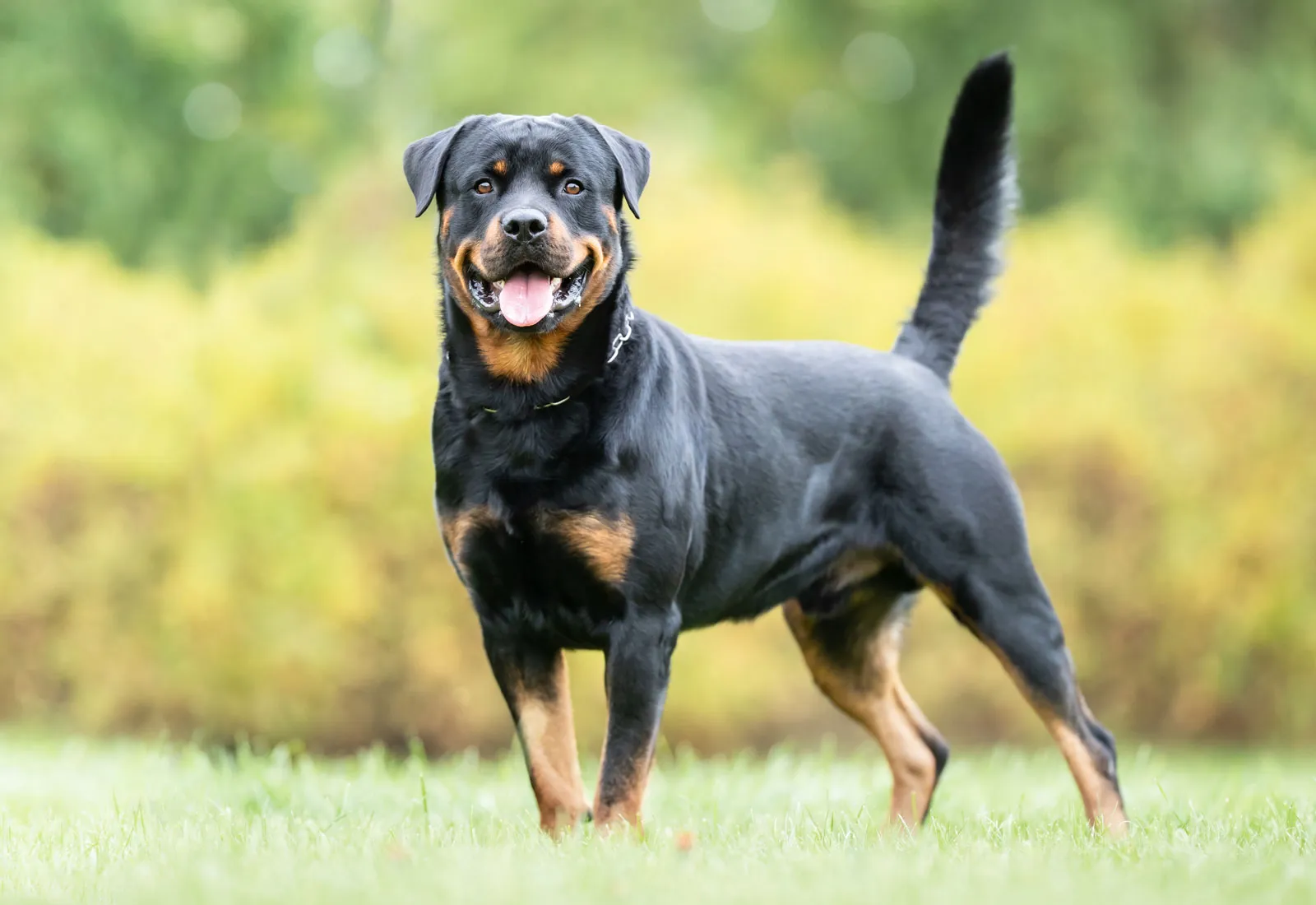
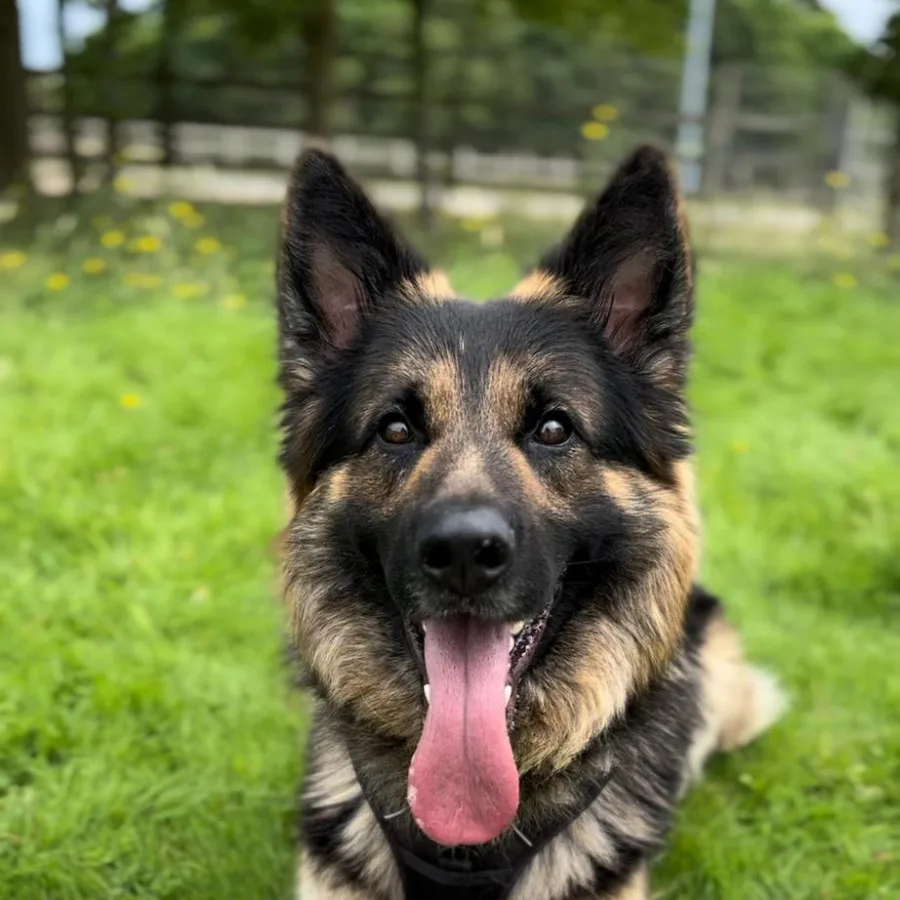
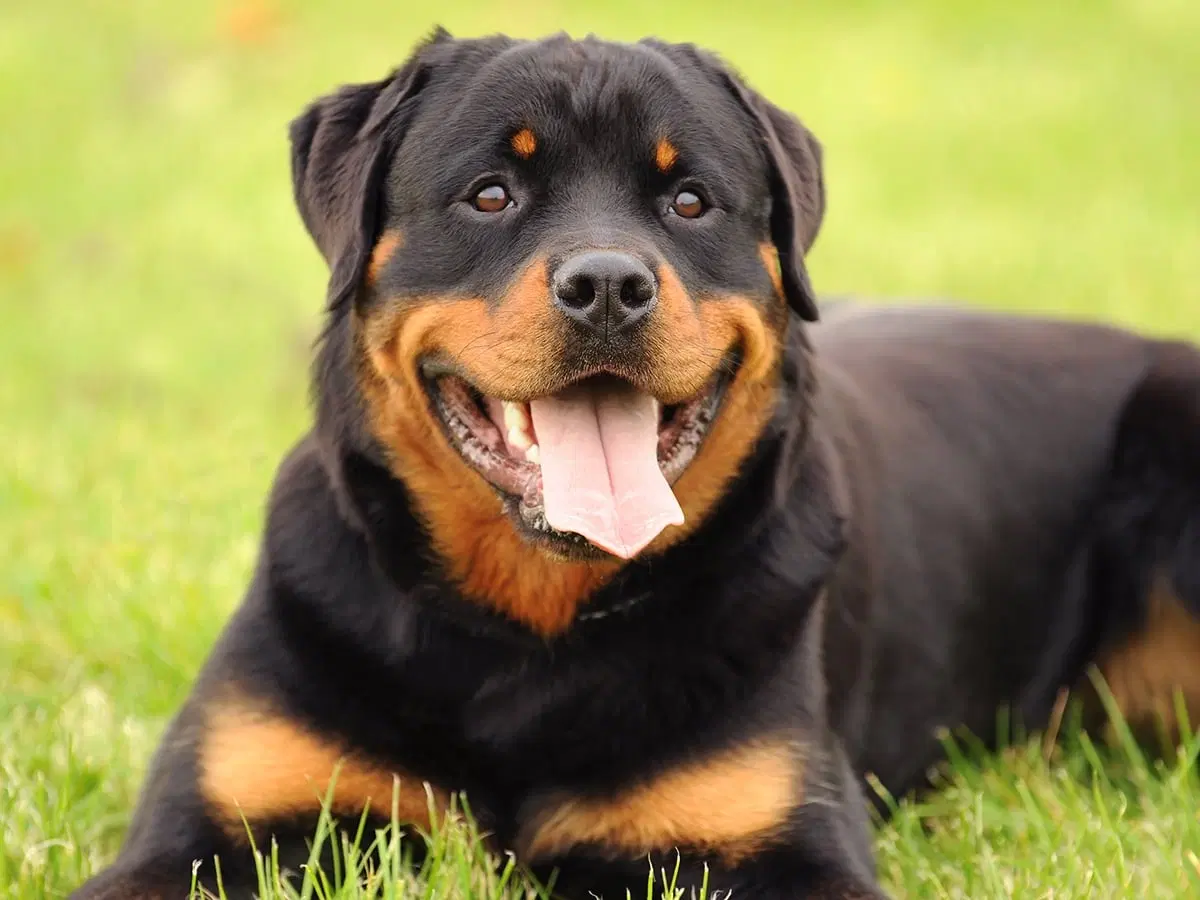
When considering protective dog breeds, it's important to recognize their natural guarding instincts. Breeds like Rottweilers, German Shepherds, and Doberman Pinschers are often cited for their protective nature. However, not all protective dogs are aggressive. Many are simply alert watchdogs that respond to perceived threats while remaining loving family members.

Choosing the right protective dog requires evaluating your lifestyle and specific needs. For instance, a large, energetic breed might not be ideal for a small apartment. Additionally, training and socialization play critical roles in how a dog expresses its protective instincts. A well-trained dog can differentiate between genuine threats and everyday situations, which helps in reducing unnecessary aggression.

Potential owners should also consider the breed's temperament and energy levels. Some protective breeds need more exercise and mental stimulation than others. This can affect how they fit into your family dynamic and daily routine. Understanding these traits can lead to a more harmonious relationship between you and your dog.

In this guide, we'll explore various protective dog breeds, their characteristics, training needs, and costs associated with ownership. By doing so, we aim to help you make informed decisions when selecting a guardian for your home and family.

Ultimately, the right protective dog can be a loyal family protector while contributing to a safe and loving environment. With the right knowledge and preparation, your protective dog can become not just a guardian but a beloved family member.

Let’s dive deeper into what makes these breeds unique and how you can ensure they thrive in your home.
How to Choose the Right Protective Dog Breed

Selecting the right protective dog breed involves careful consideration and planning. Follow these steps to find the best match for your family's needs.

Protective Dog Breeds: Choosing Your Loyal Guardian - How to Choose the Right Protective Dog Breed

Common Mistakes with Protective Dog Breeds

When considering protective dog breeds, many owners make mistakes that can impact their pet's behavior and safety. Here are some common pitfalls to avoid.

Protective Dog Breeds: Choosing Your Loyal Guardian - Common Mistakes with Protective Dog Breeds

Myths vs. Facts About Protective Dog Breeds

There are many myths surrounding protective dog breeds that can lead to misunderstandings. Here are some common myths and the facts that debunk them.

Protective Dog Breeds: Choosing Your Loyal Guardian - Myths vs. Facts About Protective Dog Breeds

Advanced Tips for Choosing Protective Dog Breeds

If you're looking to go beyond the basics when selecting a protective dog breed, here are some advanced strategies to consider. These tips will help ensure that you choose a dog that not only offers protection but also fits well into your family dynamics.

Insider Secrets to Protective Dog Breeds

Choosing the right protective dog breed involves more than just picking a tough-looking pup. Here are some lesser-known insights that can help you make a more informed decision.

Checklist for Choosing Protective Dog Breeds

Use this checklist to help you find the best protective dog breed for your family. Consider various factors to ensure a good fit.

Frequently asked questions

What are the best protective dog breeds for families?

Some of the best protective dog breeds for families include German Shepherds, Rottweilers, and Doberman Pinschers. These breeds are known for their loyalty and instinct to protect their loved ones. It's essential to socialize and train them properly to ensure they are good family companions.

Are protective dogs aggressive?

Protective dogs are not inherently aggressive, but they can display aggressive behavior if not trained and socialized correctly. It's crucial to differentiate between protective instincts and aggression. With proper training, these dogs can be both loving family pets and effective protectors.

What makes a natural guard dog?

Natural guard dogs possess traits like loyalty, intelligence, and a strong protective instinct. Breeds like the Rottweiler and German Shepherd are known for these characteristics, making them excellent watchdogs. Their ability to assess situations and react appropriately is what makes them great protectors.

Can protective dog breeds be good with children?

Yes, many protective dog breeds can be great with children when properly trained and socialized. Breeds such as the Labrador Retriever and German Shepherd often form strong bonds with kids. Supervision and teaching children how to interact with dogs are essential for safety.

What should I consider before getting a protective dog?

Before getting a protective dog, consider your living situation, experience with training, and the dog's energy level. Protective breeds often require consistent training, exercise, and socialization. Make sure you can provide a loving, structured environment for them to thrive.

What are the most common protective dog breeds?

Some of the most common protective dog breeds include Rottweilers, German Shepherds, and Doberman Pinschers. These breeds are known for their loyalty and natural guarding instincts. They can make excellent family protectors when properly trained and socialized.

Are all protective dogs suitable for families?

Not all protective dog breeds are suitable for families, especially those with young children. It's crucial to choose a breed that has a gentle temperament and is known for being good with kids. Proper training and socialization also play a key role in ensuring a protective dog is family-friendly.

How can I train my dog to be more protective?

To train your dog to be more protective, start with basic obedience training and build a strong bond through positive reinforcement. Gradually introduce them to controlled situations where they can practice their guarding instincts. Always focus on socializing them with people and other pets to prevent aggression.

Can protective dogs be aggressive?

Protective dogs can show aggression if they feel threatened or if they haven't been properly trained. It's essential to teach them appropriate behavior and ensure they understand when to be protective and when to be calm. Early socialization and consistent training can help manage aggressive tendencies.

What makes a dog a natural guard dog?

A natural guard dog typically has strong protective instincts, loyalty, and a keen sense of awareness. Breeds that exhibit these traits are often more alert to changes in their environment and can differentiate between normal and threatening situations. Training and socialization are essential to enhance these natural abilities.

What are the costs associated with owning a protective dog?

Owning a protective dog can involve various costs, including initial purchase price, training classes, food, and veterinary care. Initial costs for breeds like Rottweilers and German Shepherds can range from $500 to $2,500. Ongoing expenses may be around $100 to $200 monthly for food and routine vet visits.

How do I choose the best protective dog for my lifestyle?

To choose the best protective dog for your lifestyle, consider your living situation, activity level, and family dynamics. Some breeds require more exercise and space than others. Research breeds thoroughly and consult with breeders or shelters to find a match that fits your needs and environment.