Low Energy Dogs for Elderly Homes: Find the Perfect Companion
Looking for low energy dogs for elderly homes? This guide helps you choose calm, relaxed companions that fit perfectly into a senior lifestyle.
Why Choose Low Energy Dogs for Elderly Homes?
Finding the right pet is essential, especially for elderly individuals. Low energy dogs for elderly homes can offer companionship without demanding too much physical activity. These calm senior dogs can greatly enhance quality of life by providing emotional support and a sense of purpose.
Low energy breeds often have gentle temperaments, making them ideal for seniors who may not have the stamina for high-energy pets. A relaxed companion can help reduce feelings of loneliness and anxiety, which is particularly important for those living alone or in assisted living facilities. Additionally, these dogs tend to be low maintenance, requiring less exercise and fewer demands on their owners.
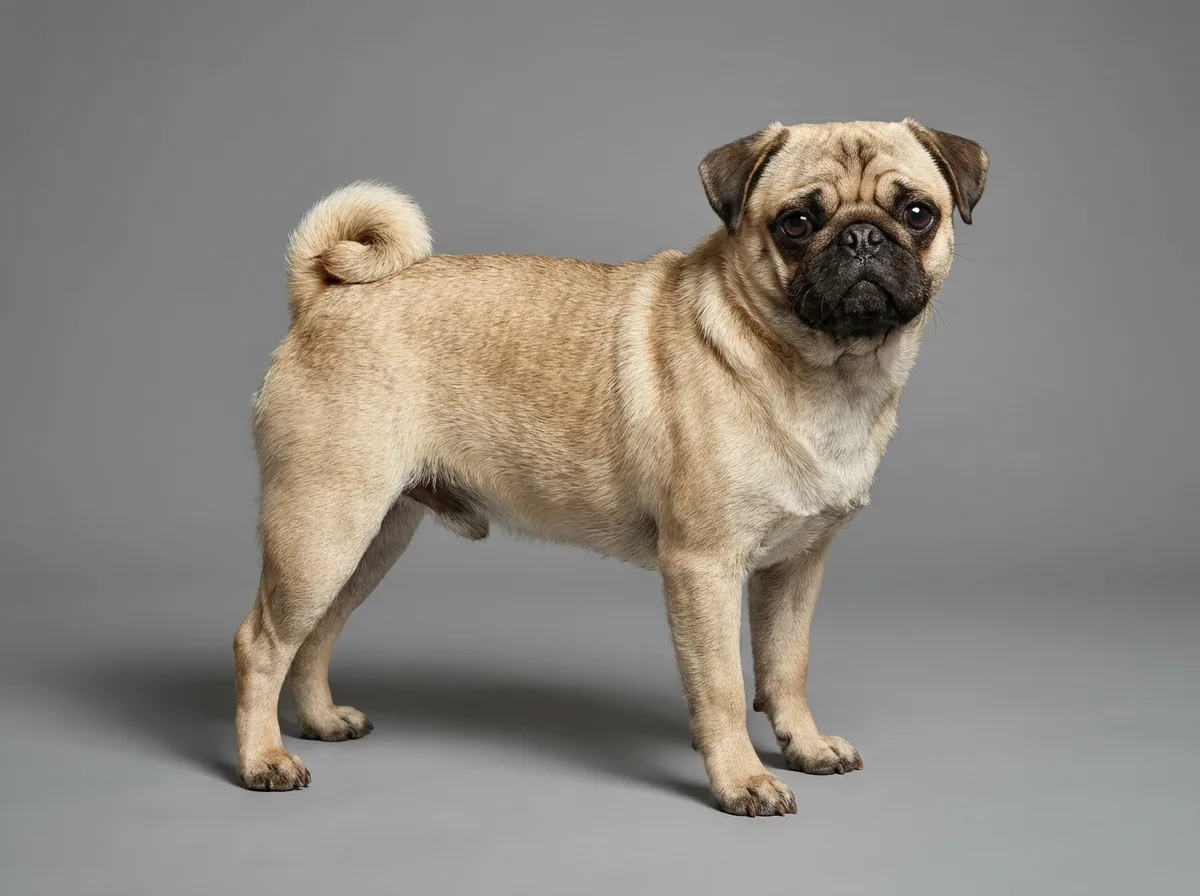
It’s important to understand what qualities to look for when choosing a pet for an elderly individual. Calmness, gentleness, and a friendly demeanor are key traits in low energy breeds. Breeds like the Cavalier King Charles Spaniel, Japanese Chin, and Pug are excellent examples. They often enjoy cuddling on the couch and can be happy with short walks rather than vigorous activities. This makes them perfect for relaxed living environments.
When you choose a low maintenance friend, you’re also making a decision that benefits both the pet and the owner. These dogs typically adapt well to quieter households and are less likely to engage in behaviors that require constant supervision or training. This helps create a harmonious living situation where both the dog and the owner can thrive together.
In this guide, we’ll explore the best low energy dog breeds for elderly homes, the benefits of having a calm companion, and tips for caring for these gentle pets. Whether you’re helping a loved one find a new friend or considering adopting a dog yourself, understanding the unique needs of low energy dogs will empower you to make the best decision.
By selecting the right breed, you can ensure that your new pet becomes a cherished part of the family, enhancing everyday life with joy and comfort. Let’s dive into the world of relaxed companions and discover how they can bring happiness to elderly homes.
Step-by-Step Guide to Choosing Low Energy Dogs for Elderly Homes
Finding the right low energy dogs for elderly homes can be a rewarding journey. Here’s a practical plan to help you make the best choice this week.
- Step 1: Assess Living Conditions
- Step 2: Research Breeds
- Step 3: Visit Local Shelters or Rescues
- Step 4: Meet Potential Dogs
- Step 5: Consider Health and Costs
- Step 6: Prepare Your Home
- Step 7: Finalize Adoption
Step 1: Assess Living Conditions
Evaluate the living space where the dog will stay. Ensure it's safe and accessible for both the elderly person and the dog. Look for any hazards that could cause injury, such as stairs or slippery floors.
Step 2: Research Breeds
Explore breeds known for their calm demeanor and low energy levels. Breeds like Cavalier King Charles Spaniels, Japanese Chins, and Pugs are great options. Make a list of breeds that seem to fit the criteria.
Step 3: Visit Local Shelters or Rescues
Check out local shelters or rescue organizations. Many have low energy pets specifically suited for elderly homes. Take notes on breeds and personalities that catch your interest.
Step 4: Meet Potential Dogs
Arrange visits to meet the dogs you’re interested in. Observe their behavior with seniors. Look for calmness and gentleness, as these traits are essential for relaxed companions.
Step 5: Consider Health and Costs
Think about the health needs of the breeds you're considering. Some may require more vet visits than others. Factor in adoption fees, food, and any necessary supplies to ensure they fit your budget.
Step 6: Prepare Your Home
Make the home ready for a dog. Set up a cozy space with a bed, toys, and food bowls. Make sure it’s comfortable and inviting for your new low maintenance friend.
Step 7: Finalize Adoption
Once you find the perfect match, complete the adoption process. Don’t forget to ask about any specific care instructions and schedules for vaccinations. Celebrate your new journey together!
Common Mistakes When Choosing Low Energy Dogs for Elderly Homes
Choosing the right low energy dog for elderly homes involves careful thought. Here are some common mistakes that can lead to issues down the road.
- Not considering the dog's temperament
- Overlooking grooming needs
- Ignoring health issues
- Neglecting training and socialization
- Assuming all low energy breeds are the same
- Forgetting about exercise requirements
Myths vs. Facts about Low Energy Dogs for Elderly Homes
There are several common myths about low energy dogs, especially when it comes to their suitability for elderly homes. Let’s debunk these myths and reveal the facts.
- Myth: Low energy dogs are boring.
- Myth: All low energy dogs are unhealthy.
- Myth: Low energy dogs don’t need exercise.
- Myth: Low energy breeds are not trainable.
- Myth: Low energy dogs are less affectionate.
Advanced Tips for Choosing Low Energy Dogs for Elderly Homes
Choosing low energy dogs for elderly homes involves more than just picking a breed. Here are some advanced tips to ensure a good match. Consider adopting from shelters or rescue organizations. These places often have calm senior dogs looking for loving homes. Older dogs typically come with established temperaments, making them great relaxed companions.
Think about the dog's temperament beyond energy levels. Look for breeds known for their gentle nature. Breeds like Cavalier King Charles Spaniels or Pugs are not just low maintenance; they are also affectionate and adapt well to quieter lifestyles. They can provide the emotional support that many seniors need.
Evaluate the dog's size and space needs. Smaller dogs typically require less room and can be easier to manage in smaller living spaces. Consider how much physical space you have available and how much exercise the dog will need. Remember, even low energy dogs still need daily walks and mental stimulation, so be prepared to engage them in activities that suit their abilities.
Training is essential, especially for senior dogs. Invest time in gentle, positive reinforcement training techniques. This helps create a bond and ensures the dog behaves well in different environments, like nursing homes or family visits. Consider enrolling in training classes specifically designed for older dogs or those with calmer dispositions.
Finally, think about the health care needs of your potential pet. Older dogs may have pre-existing conditions that require special attention. Speak with your veterinarian to understand what care your chosen breed may need. This can help you avoid unexpected costs and ensure you provide a happy, healthy home for your new friend.
Insider Secrets for Choosing Low Energy Dogs for Elderly Homes
Here are some expert insights on selecting the best low energy dogs for elderly homes. These tips will help ensure a harmonious match between pets and their owners.
- Consider temperament over pure breed: While certain breeds like Cavaliers and Pugs are generally low energy, individual temperament matters more. Spend time with the dog to gauge their energy levels and behavior.
- Adopt older dogs: Senior dogs often have calmer dispositions and are less likely to be hyperactive. They also need homes, making them a win-win for both the dog and the owner.
- Opt for small to medium breeds: Smaller dogs like the Japanese Chin often require less exercise and can adapt better to smaller living spaces. They also tend to be easier to manage for elderly owners.
- Look for low grooming breeds: Dogs with short coats, like the Pug, require less grooming, making them easier to care for. This is especially important for seniors who may have mobility issues.
- Assess the dog's past: Understanding a dog's history, including any past trauma or behavioral issues, can help you make an informed decision. A dog with a gentle background is more likely to fit well in an elderly home.
Checklist for Choosing Low Energy Dogs for Elderly Homes
Use this checklist to find the perfect low energy dog that suits elderly homes.
- Assess the living space: Ensure there's enough room for the dog to move comfortably.
- Consider the dog's size: Smaller breeds often adapt better to limited spaces.
- Evaluate temperament: Look for calm, friendly breeds that enjoy companionship.
- Check energy levels: Choose dogs known for being relaxed and low maintenance.
- Research breed characteristics: Focus on breeds like Cavalier King Charles Spaniel, Japanese Chin, and Pug.
- Consult with shelters or breeders: Ask about the dog’s history and behavior.
- Meet the dog: Spend time with potential pets to gauge their personality.
- Consider health needs: Some low energy breeds may have specific health concerns.
- Plan for daily care: Ensure you can provide regular feeding, grooming, and vet visits.
- Think about companionship: Look for a breed that enjoys being around people.
Frequently asked questions
What are the best low energy dogs for elderly homes?
Some of the best low energy dogs for elderly homes include Cavalier King Charles Spaniels, Pugs, and Japanese Chins. These breeds are known for their calm demeanor and affectionate nature, making them ideal companions. They typically require less exercise and adapt well to a more relaxed lifestyle.
Are there quiet dogs suitable for seniors?
Yes, many breeds are known for their quiet nature and make great companions for seniors. Breeds like the Shih Tzu, Bichon Frise, and the aforementioned Pug are often less vocal. Their gentle temperaments help create a peaceful atmosphere at home.
What gentle low energy breeds are ideal for older adults?
Gentle low energy breeds like the Cavalier King Charles Spaniel and the French Bulldog are ideal for older adults. These dogs are friendly, easy to care for, and enjoy spending time lounging with their owners. Their loving nature makes them great for companionship.
What are easy care pets for elderly?
Easy care pets for the elderly include low maintenance dogs, cats, and even smaller animals like guinea pigs. Dogs like the Basset Hound and the Maltese require minimal grooming and exercise, making them perfect for seniors who may have limited mobility.
How can low energy dogs benefit seniors?
Low energy dogs can provide companionship, emotional support, and even encourage some light activity for seniors. Their calm demeanor can help reduce stress and anxiety, making them great friends for those living in elderly homes or alone. They also require less demanding exercise routines.
What are the best low energy dog breeds for elderly homes?
Some of the best low energy dog breeds for elderly homes include Cavalier King Charles Spaniels, Pugs, and Japanese Chins. These breeds are known for their calm demeanor and gentle temperaments, making them great companions for seniors. They typically enjoy lounging and short walks rather than high-energy activities.
Are there specific care tips for low energy dogs in elderly homes?
Yes, low energy dogs require regular but gentle exercise and mental stimulation. Short, leisurely walks and interactive toys can keep them engaged without overwhelming them. It's also important to create a comfortable resting space where they can relax and feel secure.
Can low energy dogs help with emotional support for seniors?
Absolutely! Low energy dogs can provide companionship and emotional support for seniors, helping to reduce feelings of loneliness and anxiety. Their calm presence can be very soothing, and many seniors find joy in caring for a relaxed companion.
How do I choose the right low maintenance dog for my home?
When choosing a low maintenance dog, consider factors like the dog's size, grooming needs, and temperament. Look for breeds that are known for being easy to care for and have a calm nature. Meeting potential dogs in person can also help you determine the best fit for your lifestyle.
Are there any low energy dogs that are good for nursing home visits?
Yes, several low energy breeds are well-suited for nursing home visits. Breeds like the Cavalier King Charles Spaniel and Pug are friendly and gentle, making them great companions for seniors. Their calm demeanor allows them to interact positively with residents without causing stress.
What are some common behavioral traits of calm senior dogs?
Calm senior dogs often display traits such as patience, gentleness, and a relaxed approach to life. They tend to enjoy quiet environments and appreciate a consistent routine. This makes them ideal for elderly homes, where a peaceful atmosphere is important.
Can I adopt a low energy dog if I have limited mobility?
Yes, adopting a low energy dog can be a great option if you have limited mobility. Breeds that require less exercise and are happy to stay indoors can fit well into your lifestyle. Just ensure that you can provide basic care, like feeding and grooming, to keep your new companion healthy and happy.