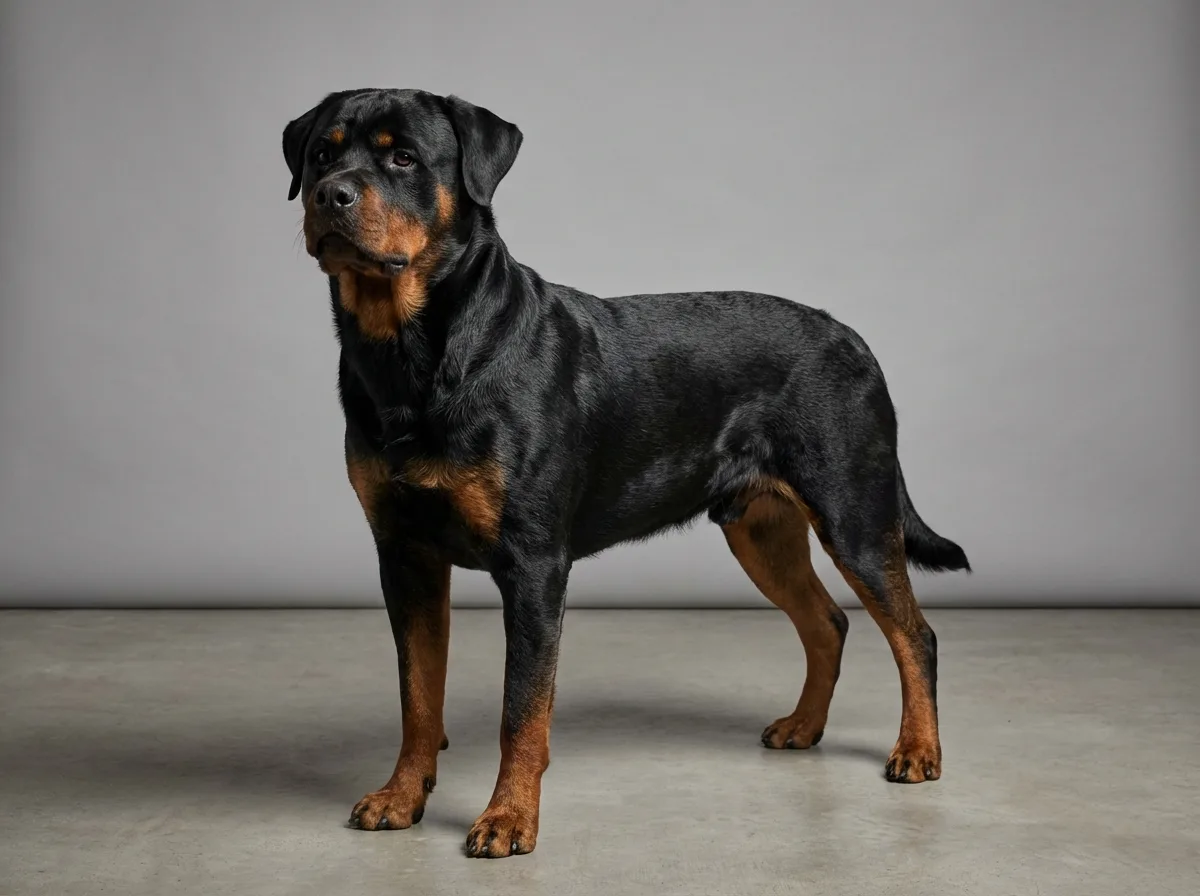
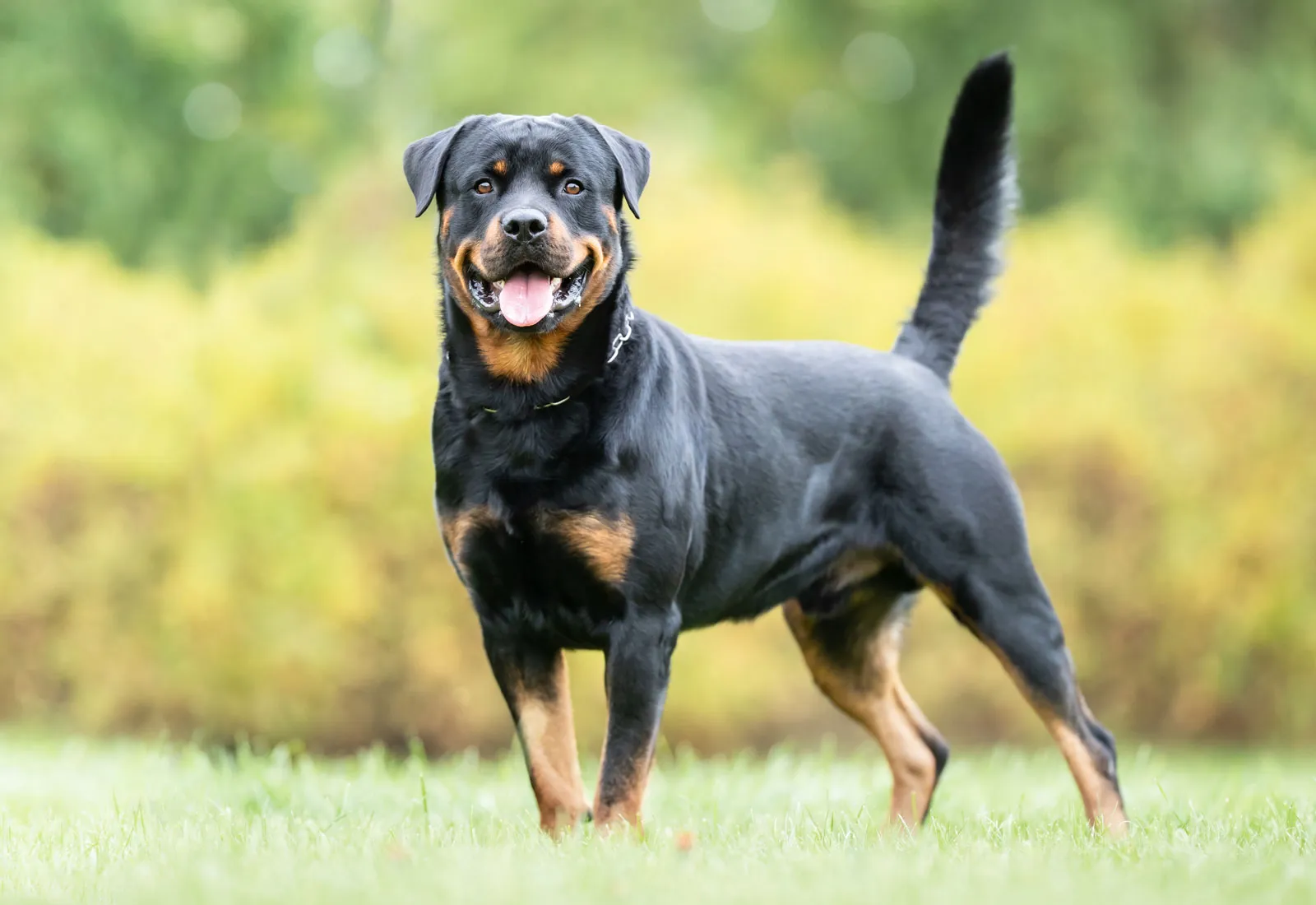
Doberman vs Rottweiler: A Comprehensive Comparison
Unsure whether a Doberman or Rottweiler is the better guard dog? This guide breaks down their temperaments, strengths, and weaknesses to help you make the best choice. (doberman vs rottweiler)
Understanding the Doberman vs Rottweiler Comparison
Choosing between a Doberman and a Rottweiler can be a tough decision for potential dog owners. Both breeds are known for their loyalty, intelligence, and protective instincts. Understanding the differences and similarities can help you make the right choice based on your lifestyle and needs. This guide will cover the key aspects of each breed, including temperament, suitability as guard dogs, and family dynamics.
The Doberman is often praised for its sleek appearance and high energy levels. They are known for being alert and responsive, making them excellent guard dogs. Their loyalty to their families is unmatched, and they thrive on companionship. On the other hand, Rottweilers possess a more robust build and have a steady, calm demeanor. They are naturally protective and can be incredibly affectionate with their families. Assessing your living environment and activity level will help determine which breed may be a better fit for you.
In this guide, we’ll delve into the Doberman vs Rottweiler debate by exploring their individual characteristics. We'll look at their temperaments, training needs, and family compatibility. By the end of this overview, you will have a clearer understanding of which breed aligns better with your lifestyle and expectations. This knowledge is crucial for ensuring a happy partnership with your future canine companion, as both breeds have unique traits that cater to different types of dog owners.
Step-by-Step Guide: Choosing Between a Doberman and a Rottweiler
Deciding between a Doberman and a Rottweiler can be tough. Here’s a practical guide to help you make the right choice this week. Follow these steps to evaluate your options effectively.

- 1. Assess Your Lifestyle: Take a day to think about your daily routine. Are you home often? Do you have a busy schedule? Both breeds need time and attention, but Dobermans may require more social interaction.
- 2. Research Both Breeds: Spend time reading about the Doberman and Rottweiler. Look into their temperaments, exercise needs, and grooming requirements. Understanding these aspects will help you see which dog fits your lifestyle better.
- 3. Evaluate Space Requirements: Measure your living space. Dobermans are generally active and need room to roam. Rottweilers are also large but can adapt better to smaller spaces if they get enough exercise.
- 4. Consider Your Family: If you have kids or other pets, think about how each breed interacts with them. Rottweilers can be more protective, while Dobermans are known for their loyalty. Choose the breed that aligns with your family’s needs.
- 5. Visit Local Shelters or Breeders: Arrange visits to meet both breeds. Interacting with them can give you a feel for their personalities. Ask questions about their behavior and care requirements while you’re there.
- 6. Talk to Owners: Connect with current Doberman and Rottweiler owners. They can provide insights into daily life with these breeds and share both the joys and challenges.
- 7. Consider Training Needs: Think about your willingness to train. Dobermans can be more eager to please, while Rottweilers may need a firmer hand in training. Decide which training style suits you best.
- 8. Review Health Considerations: Research common health issues for both breeds. Dobermans may have more genetic health concerns, while Rottweilers can face joint issues. Be prepared for potential veterinary costs.
- 9. Make a Decision: After gathering all the information, weigh the pros and cons. Consider which breed fits your lifestyle, family, and environment best.
- 10. Prepare for Your New Dog: Once you make your choice, get ready for your new companion. Purchase necessary supplies, such as food, toys, and a comfortable bed. Set up a safe space for them at home.
Common Mistakes in Choosing Between a Doberman and Rottweiler
Choosing between a Doberman and a Rottweiler can be tough. Many people make mistakes that can lead to dissatisfaction or challenges down the road. Here are some common pitfalls to avoid.

- Assuming all breeds are the same: Many new owners think that both Dobermans and Rottweilers will behave similarly just because they're both large breeds. However, each breed has distinct temperaments and needs. Ignoring these differences can lead to frustration for both the owner and the dog.
- Neglecting training: Some people believe that these dogs will automatically protect their homes without proper training. Both breeds require consistent training to develop good behavior and ensure they are well-socialized. Without this, they may become overly protective or aggressive.
- Underestimating exercise needs: Dobermans and Rottweilers are both active breeds that need regular exercise. Failing to provide enough physical activity can lead to boredom and undesirable behaviors. Owners might find their dogs becoming destructive if they don't get the exercise they need.
- Choosing based on appearance: Many people select a dog solely for how they look. While both breeds are striking, personality and compatibility with your lifestyle should be the primary focus. An attractive dog that doesn’t fit your family dynamic can lead to a poor match.
- Ignoring health considerations: Each breed has specific health concerns. For instance, Dobermans are prone to certain heart conditions, while Rottweilers may face joint issues. Not researching these health risks can lead to unexpected veterinary costs and heartache.
- Not considering family dynamics: Families often overlook how a new dog will fit into their existing dynamics. For example, a Doberman might be better suited for an active family, while a Rottweiler may be more appropriate for a home with older children. Understanding your family’s lifestyle is crucial.
- Failing to socialize properly: Both breeds thrive on positive interactions with other pets and people. Neglecting socialization can lead to anxiety and behavioral issues. It’s essential to expose them to various experiences to ensure they grow into well-adjusted adults.
Myths vs. Facts: Doberman vs Rottweiler
When comparing Dobermans and Rottweilers, several myths can confuse potential owners. Here, we debunk some common misconceptions to help you make an informed decision about these protection breeds.

- Myth: Dobermans are more aggressive than Rottweilers.
- Myth: Rottweilers are not good family dogs.
- Myth: Dobermans require less exercise than Rottweilers.
- Myth: Rottweilers are solely working dogs and can't be trained for obedience.
- Myth: Dobermans are inherently dangerous.
Advanced Tips for Choosing Between a Doberman and a Rottweiler
Choosing between a Doberman and a Rottweiler can be a complex decision. Here are some advanced tips to help you make a more informed choice beyond the basics.
- Consider Your Lifestyle: Assess your daily routine and environment. Dobermans often require more exercise and mental stimulation, while Rottweilers might adapt better to a slightly more relaxed lifestyle.
- Training Focus: Both breeds need consistent training, but a Doberman may excel in obedience exercises, while Rottweilers often need more socialization to manage their strong instincts. Tailor your training approach to fit their unique characteristics.
- Health Considerations: Be aware of breed-specific health issues. Dobermans can be prone to heart problems, while Rottweilers may face hip dysplasia. Regular vet visits and a proper diet can help mitigate these risks.
- Family Dynamics: Think about how each breed interacts with family members. Dobermans are known for their loyalty and protective nature, while Rottweilers can be very affectionate but may be more reserved around strangers.
- Long-term Commitment: Both breeds are large and powerful, requiring a long-term commitment to training and care. Ensure you're ready for the responsibility that comes with ownership.
Insider Secrets: Doberman vs Rottweiler
When comparing Dobermans and Rottweilers, a few lesser-known insights can help you make a more informed decision. Here are some expert-level tips that can guide your choice between these two protective breeds.
- 1. Training is Key: Both breeds require early socialization and consistent training. A well-trained Rottweiler can be just as obedient as a Doberman, often surprising owners with their intelligence and adaptability.
- 2. Temperament Differences: Dobermans are known for their alertness and loyalty, making them excellent watchdogs. Rottweilers, on the other hand, can be more reserved around strangers but are incredibly loving with their families.
- 3. Health Considerations: Both breeds can face health issues, but Rottweilers are particularly prone to hip dysplasia and heart problems. Regular vet check-ups can help catch these issues early.
- 4. Exercise Needs: Dobermans generally require more vigorous exercise than Rottweilers. If you lead a busy lifestyle, a Rottweiler might adapt better to a home with a smaller yard but still needs daily walks.
- 5. Family Compatibility: While both breeds can be great family pets, Rottweilers often do better in homes with older children due to their size and energy. Dobermans can be more gentle and affectionate, making them suitable for families with younger kids.
Doberman vs Rottweiler: Quick Decision Checklist
Use this checklist to decide between a Doberman and a Rottweiler for your home. Consider your lifestyle, family needs, and the dog's characteristics to make an informed choice.
- Assess your living situation: Do you have enough space for a large dog?
- Evaluate your activity level: Are you active enough to meet a Doberman's exercise needs?
- Consider your family dynamics: Do you have children or other pets that need to be considered?
- Research each breed's temperament: How does a Doberman's loyalty compare to a Rottweiler's protective nature?
- Think about training commitment: Are you prepared to invest time in training and socialization for either breed?
- Review health considerations: Are you aware of the common health issues for both breeds?
- Check local regulations: Are there breed restrictions in your area for either Dobermans or Rottweilers?
- Discuss with family members: Is everyone on board with the decision on which dog to get?
- Visit breeders or shelters: Spend time with both breeds to see which one you connect with more.
Frequently asked questions
Who would win in a fight, Doberman or Rottweiler?
In a hypothetical fight, both breeds have strengths. Dobermans are typically faster and more agile, while Rottweilers possess greater strength and endurance. However, it's important to note that responsible ownership focuses on training and companionship, not on encouraging aggression. This answer relates to doberman vs rottweiler.
Which is a better guard dog, Doberman or Rottweiler?
Both Dobermans and Rottweilers excel as guard dogs. Dobermans are known for their alertness and speed, while Rottweilers are recognized for their loyalty and protective instincts. The best choice often depends on your specific needs and lifestyle.
How does the temperament of a Doberman compare to a Rottweiler?
Dobermans tend to be more energetic and need regular exercise, while Rottweilers are generally calm but can be more stubborn. Both breeds require consistent training and socialization to thrive as family pets.
Are Dobermans or Rottweilers better for families?
Both breeds can be great family dogs with proper training. Dobermans are playful and affectionate, making them good companions for active families. Rottweilers, when socialized well, are protective and gentle with children.
What are the health considerations for Dobermans versus Rottweilers?
Dobermans are prone to certain health issues like dilated cardiomyopathy, while Rottweilers may face hip dysplasia and obesity. Regular vet check-ups and a healthy diet are crucial for both breeds to maintain their well-being.
What are the main differences in temperament between a Doberman and a Rottweiler?
Dobermans are known for their loyalty and intelligence, often forming strong bonds with their owners. Rottweilers tend to be more protective and confident, which may come off as more assertive. Both breeds can be great companions, but their temperament can vary based on training and socialization.
How much exercise do Dobermans and Rottweilers require?
Both Dobermans and Rottweilers are active breeds that need regular exercise. Ideally, they should get at least an hour of vigorous activity each day to keep them healthy and happy. Regular walks, playtime, and mental stimulation are crucial for both breeds.
Are Dobermans or Rottweilers better with children?
Both breeds can be good with children if raised together and properly socialized. Dobermans are often more playful, while Rottweilers can be more protective. It's essential to supervise interactions and teach children how to interact safely with dogs.
Which breed is easier to train, Doberman or Rottweiler?
Dobermans are generally easier to train because of their intelligence and eagerness to please. Rottweilers can be trained effectively too but may require more consistent leadership. Both breeds benefit from early training and socialization.
What are the health issues common to Dobermans and Rottweilers?
Both breeds can face specific health issues. Dobermans are prone to conditions like dilated cardiomyopathy and hip dysplasia, while Rottweilers may experience elbow dysplasia or certain heart issues. Regular vet check-ups can help manage these risks.
Can a Doberman and Rottweiler live together peacefully?
Yes, Dobermans and Rottweilers can live together harmoniously if introduced properly and socialized well. Early training and ensuring that both dogs understand their place in the household can help prevent conflicts. Supervision during initial interactions is key.
How do the grooming needs compare between Dobermans and Rottweilers?
Dobermans have short, sleek coats that require minimal grooming, usually just occasional brushing. Rottweilers have a thicker coat that sheds more and may need more frequent brushing to manage loose hair. Both breeds should be bathed as needed, depending on their activity level.