Clingy Dog Breeds: The Most Affectionate and Velcro Dogs
Discover the world of clingy dog breeds and what makes them so affectionate. This guide explores the traits of these velcro dogs and how to meet their needs.
Understanding Clingy Dog Breeds
Clingy dog breeds, often referred to as "velcro dogs," are known for their strong attachment to their owners. If you're considering bringing one of these affectionate breeds into your home, it's essential to understand their needs and behaviors. This guide will help you navigate the world of clingy dogs, highlighting their characteristics, common challenges, and how to provide the right environment for them.
Why Understanding Clingy Breeds Matters
Understanding clingy dog breeds is crucial for ensuring a harmonious relationship between you and your pet. These dogs often thrive on companionship and may experience anxiety when left alone. By recognizing their behaviors and needs, you can enhance their well-being and prevent issues like separation anxiety. Knowing what to expect from these breeds will also help you make informed decisions about training, socialization, and daily routines.

What Are Clingy Dog Breeds?
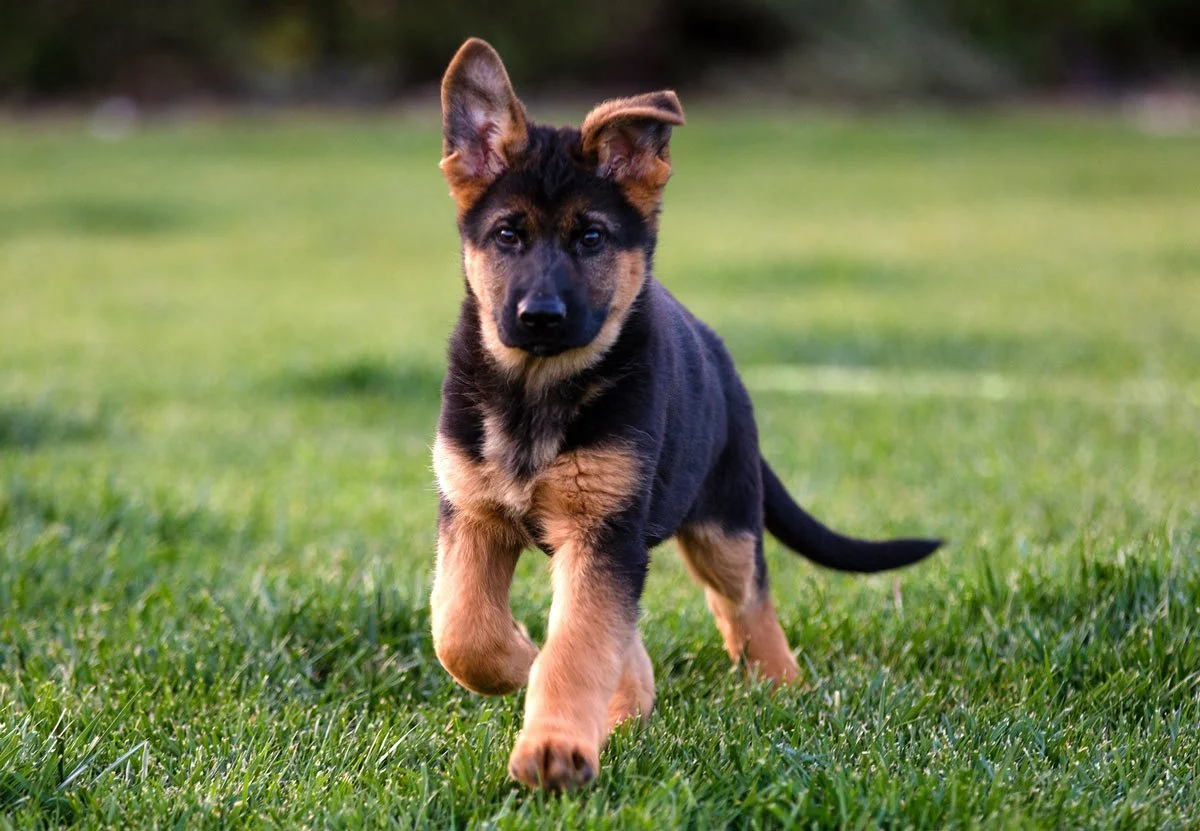
Clingy dog breeds are often characterized by their desire to stay close to their owners. They may follow you from room to room, seek constant affection, and show signs of distress when left alone. Common breeds that exhibit these traits include the Vizsla, French Bulldog, and German Shepherd. These dogs typically require more attention and companionship than other breeds, making them perfect for families or individuals who can dedicate time to their care.

Common Challenges with Clingy Dogs
Owning a clingy dog can come with unique challenges. They may develop separation anxiety, which can lead to destructive behaviors when left alone. Additionally, their need for constant attention can be overwhelming for some owners. However, with proper training and understanding of their needs, you can help alleviate these issues. It's important to strike a balance between providing affection and encouraging independence to foster a healthy relationship.

Creating a Comfortable Environment
To ensure your clingy dog thrives, create a comfortable environment where they feel secure. This includes establishing a routine, providing ample playtime, and investing in training. Consider using puzzle toys to keep them engaged when you can't be around. By understanding the dynamics of clingy dog breeds, you can build a nurturing relationship that meets both your needs and those of your furry friend.
Steps to Manage Clingy Dog Breeds
If you have a clingy dog, it can be challenging, but with the right approach, you can help them feel more secure. Here’s a step-by-step plan to manage their clinginess effectively.
- 1. Assess Your Dog's Needs: Take some time to observe your dog's behavior. Note when they seem most anxious or clingy and what triggers their need for attention.
- 2. Create a Safe Space: Designate a comfortable area in your home where your dog can feel secure. Use their bed or a cozy blanket to help them relax.
- 3. Gradual Alone Time: Start by leaving your dog alone for short periods. Gradually increase this time to help them adjust to being on their own.
- 4. Use Positive Reinforcement: Reward your dog with treats and praise when they spend time alone in their safe space. This encourages them to feel more confident.
- 5. Engage in Regular Exercise: Physical activity can help reduce anxiety. Take your dog for daily walks or play games to tire them out.
- 6. Practice Commands: Teaching your dog basic commands can help build their confidence. Use commands like 'stay' and 'go to your bed' to promote independence.
- 7. Seek Professional Help: If your dog’s clinginess is severe, consider consulting a dog trainer or behaviorist for personalized strategies.
Common Mistakes with Clingy Dog Breeds
Owning clingy dog breeds can be rewarding, but it comes with unique challenges. Here are some common mistakes that owners make, along with explanations of why they backfire.
- 1. Ignoring Training: Many owners think that clingy behavior is just a quirk. However, without proper training, this behavior can escalate. Teaching your dog commands and boundaries helps reduce their dependency.
- 2. Not Providing Enough Exercise: Clingy dogs often need more physical and mental stimulation. A lack of exercise can lead to boredom and more clinginess. Regular walks and playtime can help alleviate this issue.
- 3. Reinforcing Clingy Behavior: Some owners inadvertently encourage clinginess by giving excessive attention when their dog is needy. This can teach the dog that being clingy is the way to get what they want. Instead, focus on rewarding independent behavior.
- 4. Failing to Address Separation Anxiety: Many clingy dogs suffer from separation anxiety. Ignoring this problem can lead to destructive behaviors when left alone. Consulting a vet or trainer for strategies can be crucial in helping your dog feel more secure.
- 5. Overreacting to Clingy Behavior: It's easy to feel frustrated when your dog follows you everywhere. However, overreacting or scolding them can worsen anxiety. Instead, remain calm and provide reassurance, while gradually encouraging independence.
- 6. Lack of Socialization: Clingy dogs may become overly attached to their owners due to insufficient socialization. Not exposing them to different environments and other dogs can increase their dependency. Regular socialization helps build confidence.
- 7. Not Recognizing Individual Needs: Every dog is different. Failing to recognize your dog's unique needs can lead to misunderstandings. Pay attention to their behavior and adjust your approach accordingly.
Common Myths About Clingy Dog Breeds
There are several myths surrounding clingy dog breeds, or 'velcro dogs.' Understanding these misconceptions can help you better support your furry friend.
- Myth: All clingy dogs have separation anxiety.
- Myth: Clingy breeds are overly needy.
- Myth: Clingy dogs are not independent.
- Myth: Velcro dogs can be trained to be less clingy.
- Myth: Clingy dogs are less intelligent.
Advanced Tips for Managing Clingy Dog Breeds
Clingy dog breeds, often referred to as 'velcro dogs,' require specific strategies to ensure their emotional well-being. Here are some advanced tips to help you manage their behavior effectively.
First, consider implementing gradual separation techniques. Start by leaving your dog alone for short periods, and gradually increase the time. This helps them adjust to being independent, reducing their overall anxiety.
Next, enrich their environment with interactive toys and puzzles. These can keep your dog mentally stimulated while you’re not around, preventing boredom that might exacerbate clinginess.
Another effective tactic is to establish a consistent routine. Dogs thrive on predictability, so having set times for walks, meals, and play can help them feel secure. This consistency will signal to your dog when it’s time for you to be together and when it’s okay to be apart.
Training your dog to be comfortable in a designated space, like a crate or a cozy bed, can also be beneficial. Encourage them to spend time there while you’re home, gradually building a positive association with being in that space alone.
Lastly, if your dog shows signs of distress when you leave, consider seeking professional help. A certified dog trainer or behaviorist can provide tailored strategies to address specific issues related to clinginess and separation anxiety.
Insider Secrets for Managing Clingy Dog Breeds
Managing clingy dog breeds can be challenging, but understanding their needs can make a big difference. Here are some insider insights to help you navigate life with your velcro dog.
- Establish a Routine: Dogs thrive on predictability. Set a daily schedule for feeding, walking, and playtime to give your clingy dog a sense of security.
- Gradual Independence Training: Start with short periods of separation and gradually increase the time apart. This helps your dog learn that it's okay to be alone.
- Create a Safe Space: Designate a cozy area where your dog can feel secure when you're busy. This could be a crate or a specific room with their favorite toys.
- Mental Stimulation is Key: Engage your dog with puzzle toys or training exercises to keep their mind occupied. A tired dog is often less clingy and anxious.
- Consider Professional Help: If your dog's clinginess turns into severe anxiety, consult a trainer or behaviorist who specializes in dog anxiety.
Checklist for Managing Clingy Dog Breeds
Use this checklist to help your clingy dog feel more secure and independent. It covers practical steps you can take to manage their attachment while ensuring they still get the love and attention they crave.
- Create a safe space for your dog to relax.
- Establish a consistent routine for feeding and walks.
- Use positive reinforcement to encourage independent play.
- Gradually increase the time you spend apart from your dog.
- Provide interactive toys to keep them occupied.
- Consider crate training for a safe retreat.
- Teach basic commands to help build their confidence.
- Schedule regular socialization with other dogs and people.
Frequently asked questions
Why is my dog so clingy?
Dogs can be clingy for various reasons, including their breed tendencies, past experiences, or simply their personality. Some breeds, like Vizslas and French Bulldogs, are known as 'velcro dogs' because they thrive on companionship. If your dog follows you everywhere, it might be seeking comfort and security.
What are the most dependent dog breeds?
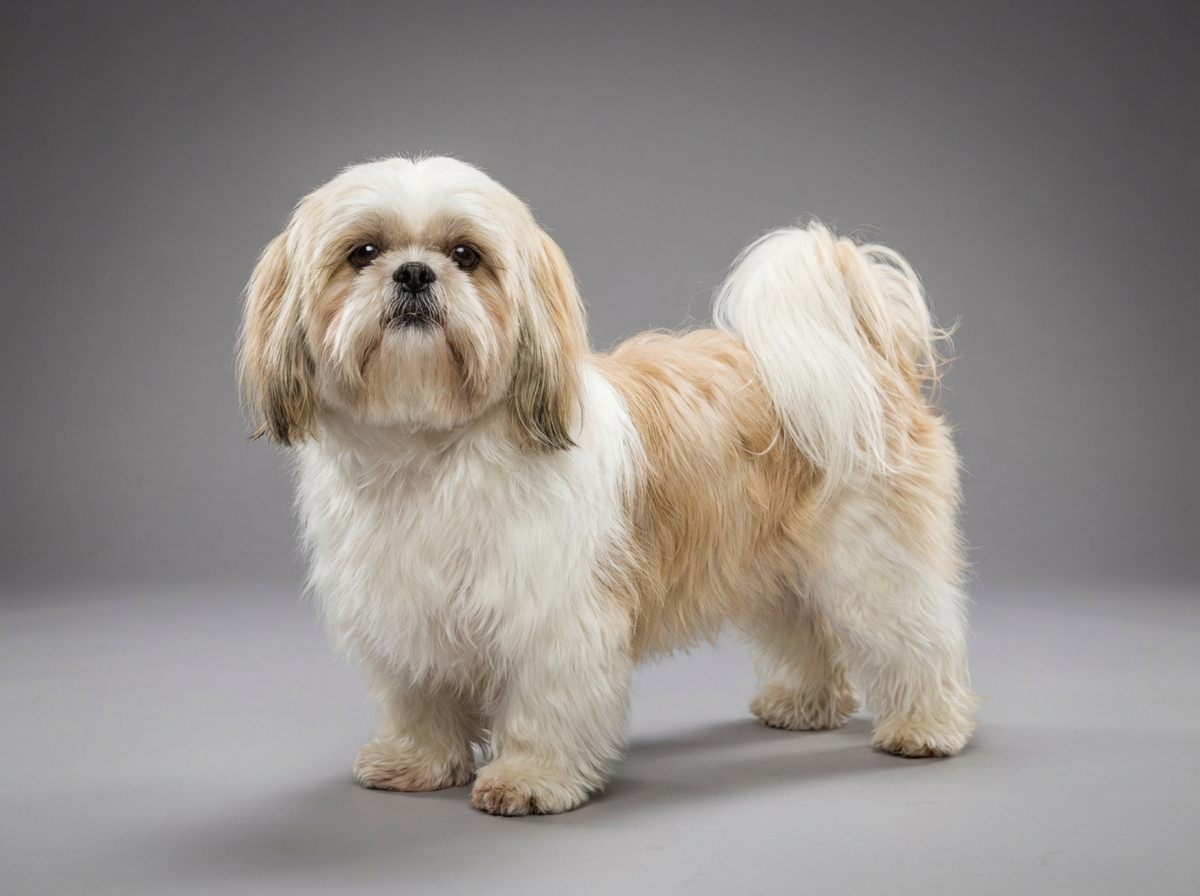
The most dependent dog breeds often include those known for their affectionate nature, such as Labrador Retrievers, Cavalier King Charles Spaniels, and Shih Tzus. These breeds typically need more attention and are likely to develop separation anxiety if left alone for long periods. Understanding your dog's breed can help you manage their clinginess.
What should I do if my dog has separation anxiety?
If your dog shows signs of separation anxiety, try to gradually increase the time you spend away from them. Provide engaging toys or puzzles to keep them occupied while you're gone. In severe cases, consulting a veterinarian or a professional trainer may be beneficial to develop a tailored plan.
Are clingy dogs more prone to anxiety?
Yes, clingy dogs can be more prone to anxiety, especially if they are left alone frequently. Breeds that are naturally affectionate may rely on their owners for emotional support. It's essential to train them to feel secure when alone, which can help reduce anxiety.
How can I help my clingy dog feel more secure?
To help your clingy dog feel more secure, create a safe space for them with their bed and favorite toys. Gradually practice leaving them alone for short periods to build their confidence. Consistent routines can also provide reassurance that you're coming back.
What causes a dog to be clingy?
A dog may become clingy due to various reasons, including genetics, past experiences, or a strong bond with their owner. Some breeds, often labeled as 'velcro dogs,' naturally seek constant companionship. Additionally, a dog may cling more if they have experienced trauma or separation anxiety.
Are there specific breeds known for being clingy?
Yes, certain breeds are known for their clinginess. Breeds like the Vizsla, French Bulldog, and German Shepherd are often affectionate and may follow their owners closely. These 'clingy dog breeds' thrive on human interaction and can become anxious when left alone.
How can I manage my clingy dog's behavior?
To manage a clingy dog, establish a routine that includes alone time to help them feel secure when you're not around. You can also provide engaging toys or training exercises that keep them occupied. Gradual desensitization to being alone can also help reduce separation anxiety.
Do clingy dogs have a higher risk of developing separation anxiety?
Clingy dogs are often more prone to separation anxiety because their attachment to their owners can lead to distress when left alone. It's important to recognize the signs of anxiety and address them early. Training and gradual exposure can help alleviate these issues.
Can training help reduce my dog's clinginess?
Yes, training can significantly help reduce clinginess in dogs. Techniques like positive reinforcement can encourage independence. Teaching commands and rewarding calm behavior when you're apart can make a big difference in their anxiety levels.
What should I do if my clingy dog becomes destructive when left alone?
If your clingy dog becomes destructive when left alone, it's crucial to address the underlying anxiety. Providing mental stimulation through toys or puzzles can help. Additionally, consulting with a vet or a dog behaviorist can offer tailored strategies to improve their behavior.
Are there any health issues that can cause clinginess in dogs?
Yes, health issues can sometimes manifest as clinginess. Conditions like pain, illness, or cognitive dysfunction may lead dogs to seek more attention and reassurance. If you notice sudden clingy behavior, it's wise to check with a veterinarian to rule out any medical problems.