The Best Dogs for Allergy Sufferers: Allergy-Friendly Breeds
If you love dogs but have allergies, this guide is for you! Discover the best dogs for allergy sufferers that can bring joy without the sneezing.
Understanding the Best Dogs for Allergy Sufferers
Choosing the best dogs for allergy sufferers is crucial for pet owners who are sensitive to allergens. Dogs can trigger allergies through their fur, dander, and saliva, making it essential to select breeds that minimize these irritants. This guide will explore hypoallergenic breeds, non-shedding pets, and allergy-friendly dogs to help you make an informed decision.
Why This Matters
For many people, allergies can severely limit their ability to enjoy a pet. Understanding which breeds are less likely to trigger allergic reactions can open up new possibilities for companionship. Selecting the right dog means not only finding a loving pet but also ensuring a comfortable home for both the owner and their new furry friend.
What Are Hypoallergenic Breeds?
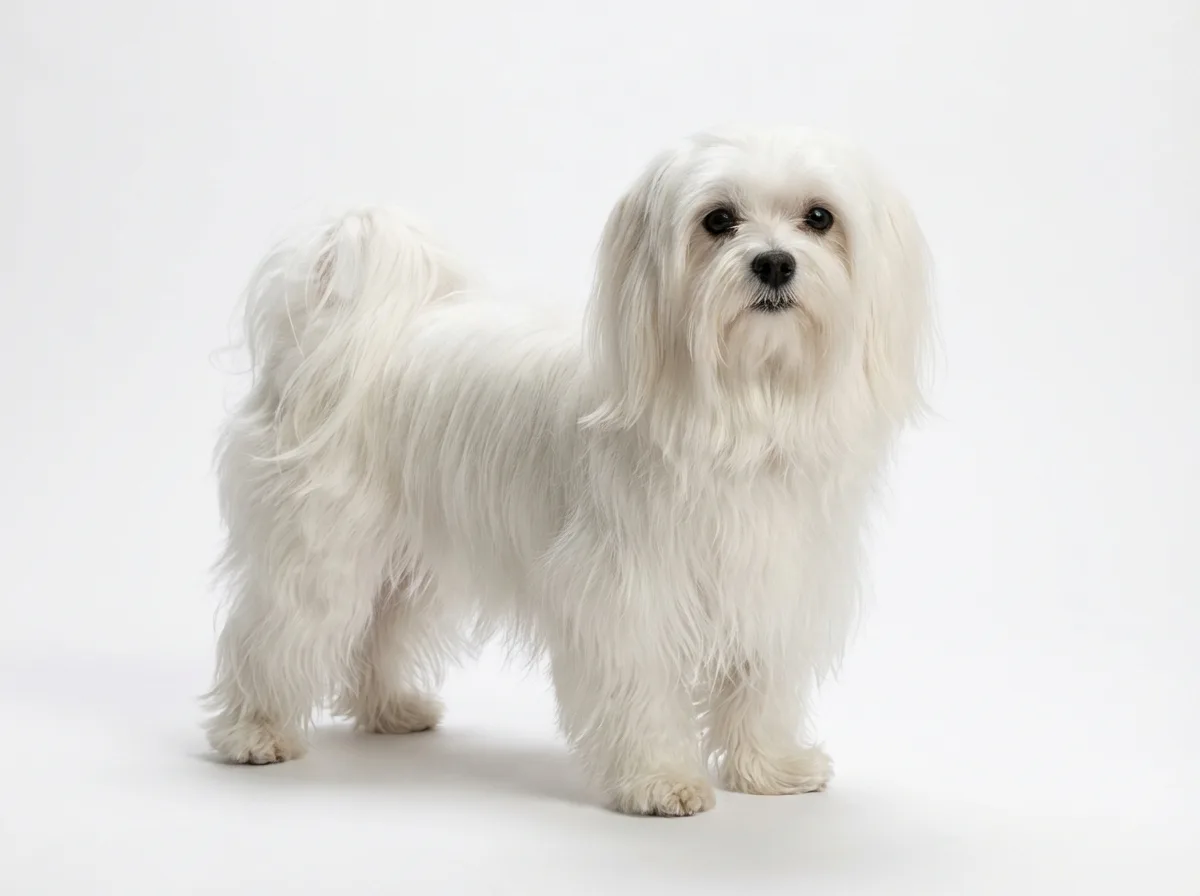
Hypoallergenic breeds are specifically developed to minimize allergens. They often have hair instead of fur, which means less dander is released into the environment. Breeds such as Poodles, Maltese, and Schnauzers are known for producing fewer allergens, making them suitable for allergy sufferers. This section will detail these breeds and their characteristics.
How to Select the Right Dog
When selecting the best dogs for allergy sufferers, consider factors like the dog's grooming needs, size, and temperament. Smaller breeds may be easier to manage in terms of grooming, while larger breeds may offer more companionship. It's also wise to spend time with a breed before bringing one home to see how your allergies react. Always consult with a veterinarian to find the best fit for your lifestyle.
Final Thoughts
Finding the best dogs for allergy sufferers can transform your life. By choosing hypoallergenic or low-dander breeds, you can enjoy the companionship of a dog without compromising your health. Use this guide to explore your options and make a decision that suits your needs and lifestyle. Remember, every dog deserves a loving home!
Step-by-Step Plan to Find the Best Dogs for Allergy Sufferers
Finding the best dogs for allergy sufferers requires careful planning and consideration. Follow these steps to identify the right hypoallergenic breed for you.
- Step 1: Assess Your Allergies
- Step 2: Research Hypoallergenic Breeds
- Step 3: Visit Local Shelters or Breeders
- Step 4: Spend Time with Potential Dogs
- Step 5: Prepare Your Home for a New Dog
- Step 6: Consult with a Veterinarian
- Step 7: Adopt and Monitor Your New Dog
Common Mistakes When Choosing the Best Dogs for Allergy Sufferers
When selecting a dog as an allergy sufferer, it’s essential to avoid common pitfalls that can lead to frustration and health issues. Here are some mistakes to steer clear of.
- Ignoring individual reactions to breeds
- Assuming all hypoallergenic breeds are the same
- Neglecting to consider grooming needs
- Not researching dander levels thoroughly
- Choosing based solely on looks or popularity
Myths vs. Facts About Dogs for Allergy Sufferers
Many people believe common myths about dogs and allergies. Here are some myths, debunked with facts to help you make informed decisions.
- Myth: All dogs cause allergies. Fact: While some breeds are more likely to trigger allergies, not all dogs cause allergic reactions. Individual reactions vary widely.
- Myth: Hypoallergenic breeds are completely allergy-free. Fact: No dog is 100% hypoallergenic. Breeds like Poodles and Schnauzers may produce fewer allergens, but they can still cause reactions.
- Myth: Doodles are always hypoallergenic. Fact: Doodles can inherit traits from both parent breeds. Some may be low-shedding, but others might not be, so it's essential to check individual dogs.
- Myth: Non-shedding breeds don't cause allergies. Fact: Non-shedding doesn't mean allergen-free. Allergens are found in dander, saliva, and urine, not just hair.
- Myth: You can't have a dog if you're allergic. Fact: Many allergy sufferers successfully own dogs by choosing the right breed and implementing management strategies.
Advanced Tips for Choosing the Best Dogs for Allergy Sufferers
If you're looking to dive deeper into finding the best dogs for allergy sufferers, these advanced tips will help you make an informed decision. Here are some strategies to consider when choosing your new furry friend.
- Research individual breeds: While some breeds are marketed as hypoallergenic, individual dogs can still vary. Spend time with different breeds to see how your allergies react.
- Consider mixed breeds: Mixed breeds often have lower allergy-triggering properties. Doodles, for example, are popular for their low-shedding coats and friendly temperaments.
- Regular grooming is key: Hypoallergenic breeds still require consistent grooming. Schedule regular baths and brushing to minimize dander and allergens in your home.
- Create an allergy-friendly environment: Invest in air purifiers and regularly clean your home to reduce allergens. This can help create a safe space for both you and your dog.
- Consult with an allergist: Before bringing a dog home, talk to an allergist about allergy management strategies. They can provide personalized advice based on your specific allergies.
Insider Secrets for Choosing the Best Dogs for Allergy Sufferers
Finding the best dogs for allergy sufferers goes beyond just looking for hypoallergenic breeds. Here are some insider tips to help you make a more informed choice.
- Consider grooming frequency: Regular grooming helps reduce allergens in your home. Breeds like Poodles and Schnauzers may need professional grooming to keep their coats manageable and dander low.
- Understand the importance of individual dogs: Even within hypoallergenic breeds, some dogs may produce more allergens than others. Spend time with the specific dog before adopting to see if you have a reaction.
- Look for low-shedding breeds: Dogs that shed less hair will also shed fewer allergens. Breeds like the Maltese and certain Terriers can be good options if you're looking for non-shedding pets.
- Check the dog's environment: A dog raised in a clean, low-allergen environment may produce fewer allergens. Ask the breeder or shelter about the dog's living conditions.
- Consider a trial period: Some shelters offer trial adoptions. This can be a great way to see if a dog fits into your home without long-term commitment.
Checklist for Choosing the Best Dogs for Allergy Sufferers
Use this practical checklist to find the best dogs for allergy sufferers. Each step will help ensure you choose a hypoallergenic breed that fits your lifestyle.
- Research hypoallergenic breeds like Poodles, Schnauzers, and Maltese.
- Check each breed's grooming and care needs.
- Look for low-shedding or non-shedding options.
- Visit breeders or shelters to interact with potential dogs.
- Ask about the dog’s dander and saliva levels.
- Consider the dog's size and energy level for your living space.
- Talk to your doctor about any allergy medications or treatments.
- Spend time with the dog before bringing them home to test for reactions.
- Create a pet-friendly environment by cleaning regularly and investing in air purifiers.
- Prepare for grooming and bathing routines to minimize allergens.
Frequently asked questions
Can I have a dog if I'm allergic?
Yes, you can have a dog if you're allergic, but it's important to choose the right breed. Many people with allergies find success with hypoallergenic breeds that produce less dander and saliva. It's a good idea to spend time around a breed before committing, to see how your allergies react.
Which dog breed causes fewest allergies?
Hypoallergenic breeds like Poodles, Schnauzers, and Maltese are known to cause fewer allergies. These breeds typically have hair instead of fur, which means less dander and fewer allergens in your home. However, individual reactions can vary, so always consult with an allergist.
Are doodles hypoallergenic?
Doodles, like Labradoodles and Goldendoodles, are often considered hypoallergenic due to their Poodle heritage. However, not all Doodles are guaranteed to be hypoallergenic, as their coat can vary. Regular grooming and cleaning can help minimize allergens.
What are the best dogs for allergies?
The best dogs for allergy sufferers include breeds such as Poodles, Bichon Frises, and Portuguese Water Dogs. These breeds are known for low-shedding coats and reduced dander. Be sure to research and consider your lifestyle needs when selecting a breed.
How do I manage dog allergies at home?
To manage dog allergies, keep your dog's sleeping area clean and invest in an air purifier. Regular grooming and baths can help reduce dander. It's also beneficial to create dog-free zones in your home, especially in bedrooms.
What are the best dogs for allergy sufferers in small homes?
If you live in a small home, consider hypoallergenic breeds like the Maltese or Miniature Schnauzer. These breeds are smaller in size and produce less dander, making them great companions for allergy sufferers. Always make sure to spend time with a breed before bringing one home to see how your allergies react.
How can I reduce allergy symptoms if I own a dog?
To minimize allergy symptoms, regularly bathe and groom your dog to reduce dander. Keeping your home clean by vacuuming often and using air purifiers can also help. Additionally, creating a pet-free zone in your home can provide you with a safe space to retreat.
Are there specific breeds that are better for families with allergies?
Yes, breeds like the Poodle and Bichon Frise are often recommended for families with allergy concerns. These breeds are known for their low-shedding coats and lower dander production. It's important to introduce children to the dog gradually and monitor for any allergic reactions.
Can I train a hypoallergenic dog to be more accommodating for allergy sufferers?
Training can help hypoallergenic dogs adapt to your home environment, but it won’t change their dander production. Teaching commands like 'go to your place' can help keep the dog in designated areas. Consistent grooming is essential, regardless of training.
What should I do if I develop allergies after getting a dog?
If you develop allergies after bringing a dog home, consult with an allergist for advice. They may recommend over-the-counter medications or allergy shots. In some cases, finding a new home for the dog might be necessary, but this should be a last resort.
Are Doodles hypoallergenic, and are they good for allergy sufferers?
Doodles, such as Goldendoodles and Labradoodles, are often marketed as hypoallergenic due to their Poodle lineage. While they may have lower dander, individual reactions vary. It’s best to spend time with a Doodle before deciding if they're suitable for your allergies.
What other pets are suitable for allergy sufferers?
If you're looking for non-shedding pets, consider adopting a cat from a hypoallergenic breed, such as the Siberian or Balinese. Additionally, small pets like guinea pigs or reptiles can also be good options for allergy sufferers since they typically don't produce allergens like dogs do.