Best Dog Breeds for Cold Climates
Finding the right dog for cold weather can be tricky. This guide will help you discover the best dog breeds for cold climates that are built for winter.
Understanding the Best Dog Breeds for Cold Climates
When it comes to choosing the best dog breeds for cold climates, it's essential to consider how well a breed can handle frigid temperatures. Cold weather can pose challenges for many dogs, especially those with short coats. Certain breeds are naturally equipped to thrive in winter conditions, making them better companions for those living in chilly regions.
Why Breed Matters in Cold Weather
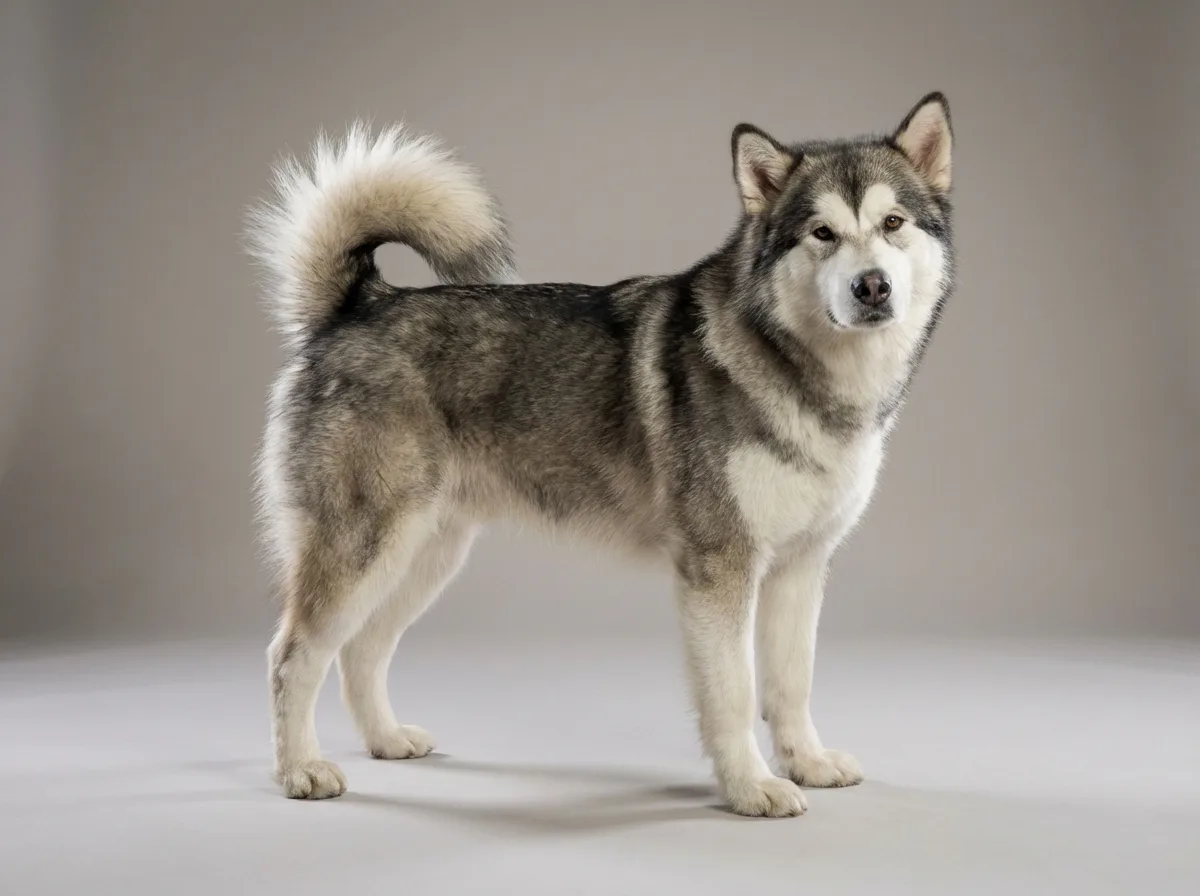
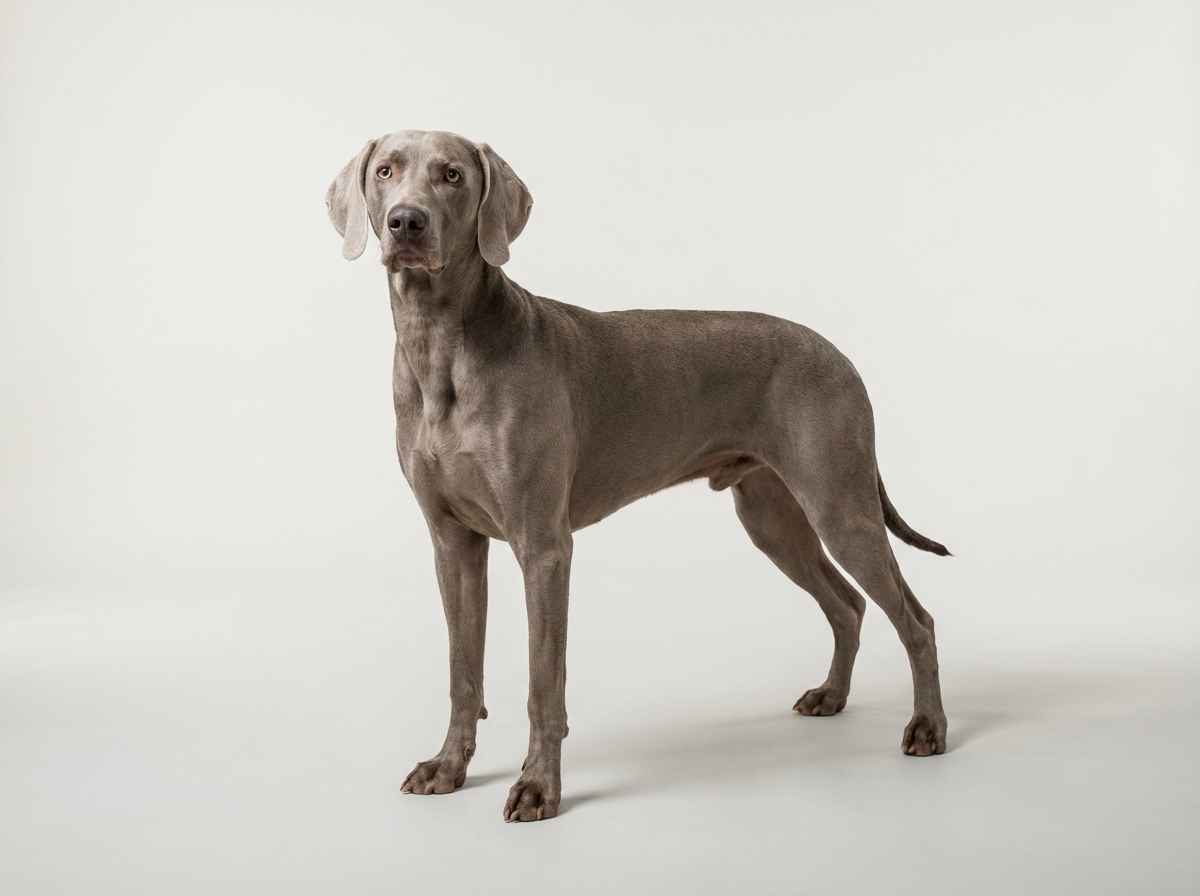
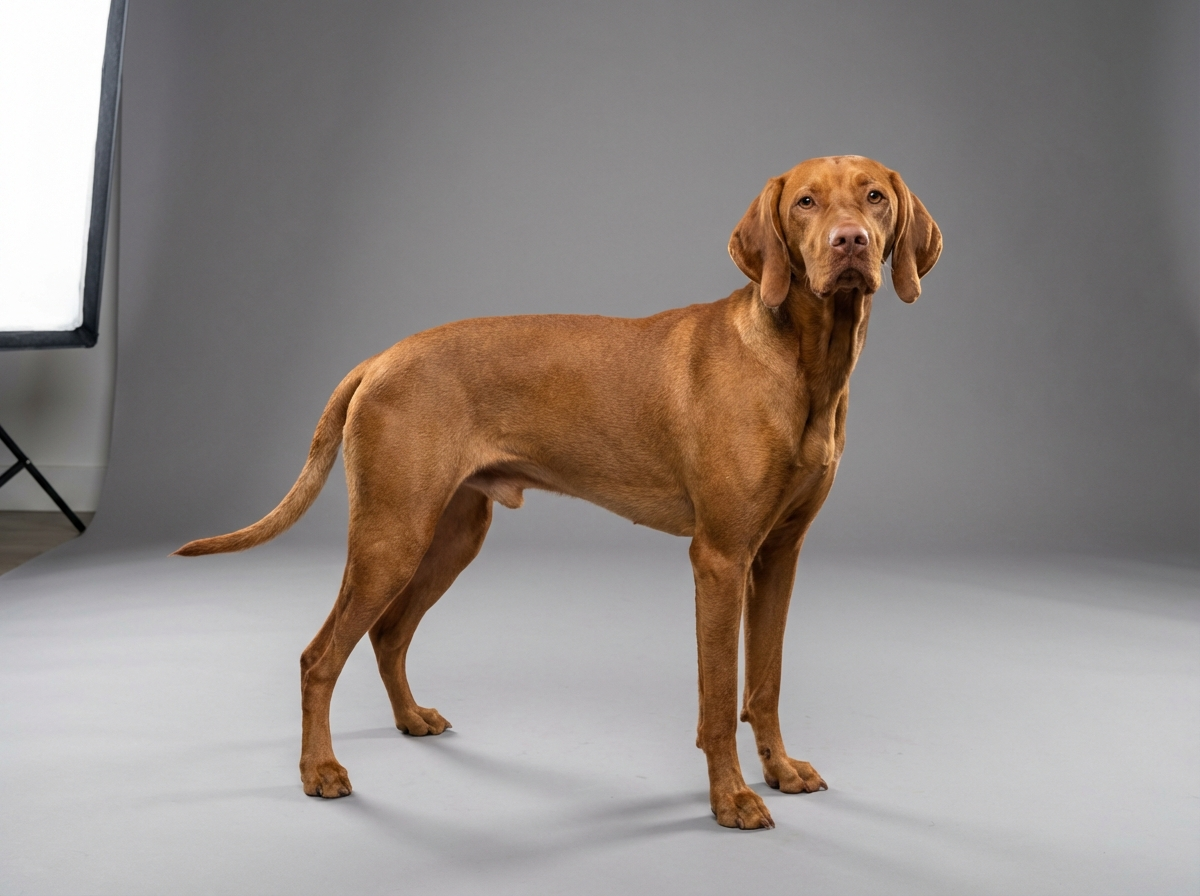
Selecting a breed that is suited for cold climates can significantly impact a dog's health and happiness. Breeds with thick coats, like the Siberian Husky and Alaskan Malamute, are designed to insulate against the cold. On the other hand, dogs with short hair may struggle and require extra care, such as jackets or limited outdoor time in harsh weather.
Characteristics of Cold Tolerant Dogs
Cold tolerant dogs usually possess thick fur and a layer of fat that helps them retain body heat. Many of these breeds also exhibit a strong desire for outdoor activities, enjoying the snow and cold weather. This makes them not just functional companions but also playful partners for winter adventures. However, it's crucial to ensure that they get proper care to avoid issues like frostbite or hypothermia.
Choosing the Right Fit for Your Lifestyle
Before selecting one of the best dog breeds for cold climates, evaluate your lifestyle. If you're an outdoor enthusiast who enjoys winter sports, a snow breed like the Samoyed may be a perfect match. However, if your activity level is lower, consider how much outdoor time your dog will have and whether they will be comfortable in colder weather. Understanding your dog's needs will help ensure a happy and healthy relationship.
Final Thoughts
In conclusion, selecting the right dog breed for cold climates is vital for both the dog's well-being and your enjoyment together. Research breeds that are known for their snow-loving traits and assess your own living conditions. By matching a breed's characteristics with your lifestyle, you can ensure a rewarding and fulfilling companionship throughout the winter months.
Step-by-Step Plan for Choosing the Best Dog Breeds for Cold Climates
If you're considering bringing a furry friend into your home and you live in a cold climate, follow these steps to find the best dog breeds for cold climates. This guide will help you make an informed decision and ensure your new pet stays happy and healthy all winter long.
- Research Breeds Known for Cold Weather.
- Evaluate Your Living Situation.
- Consider Your Activity Level.
- Visit Local Shelters or Breeders.
- Prepare Your Home for a Winter Dog.
- Plan for Regular Exercise.
- Stock Up on Winter Gear.
Common Mistakes When Choosing Best Dog Breeds for Cold Climates
Choosing the best dog breeds for cold climates can be tricky. Many potential dog owners make mistakes that can lead to uncomfortable or unhealthy situations for their pets. Here are some common errors to avoid.
- 1. Ignoring Breed-Specific Needs
- 2. Overestimating Cold Tolerance
- 3. Neglecting Exercise Requirements
- 4. Underestimating Grooming Needs
- 5. Failing to Provide Shelter
Myths and Facts About Best Dog Breeds for Cold Climates
There are many misconceptions about which dogs thrive in cold weather. Let's debunk some common myths to help you choose the right winter companion.
- Myth: All dogs can tolerate cold weather.
- Fact: Not all dogs are built for cold climates. Breeds like Siberian Huskies and Alaskan Malamutes have thick coats and insulation, while short-haired breeds can struggle in low temperatures.
- Myth: Small dogs can't handle the cold.
- Fact: Some small breeds, like the Dachshund, can do well in colder weather with proper protection. It's essential to consider the dog's coat and body type.
- Myth: Dogs with thick coats are always comfortable in the cold.
- Fact: While thick-coated dogs can tolerate cold, they can still suffer from frostbite and hypothermia if exposed for too long without shelter or warmth.
- Myth: Cold weather makes dogs more aggressive.
- Fact: A dog's temperament is more influenced by training and socialization than by weather. Cold temperatures can affect their mood, but it's not a direct cause of aggression.
- Myth: Dogs only need a coat in extreme cold.
- Fact: Even in chilly but not extreme temperatures, some breeds benefit from wearing a coat, especially if they are small or short-haired.
Advanced Tips for Choosing the Best Dog Breeds for Cold Climates
When looking for the best dog breeds for cold climates, consider factors beyond just breed characteristics. These advanced tips will help you make a more informed decision, ensuring your furry friend thrives in winter weather.
Evaluate the Dog's Exercise Needs
Different breeds have varying exercise requirements, especially in cold climates. Ensure you choose a breed that matches your activity level. Breeds like the Siberian Husky thrive on regular, vigorous exercise, while others may need less.
Consider Grooming Requirements
Dogs with thick coats, like the Alaskan Malamute, require regular grooming to prevent matting. This not only keeps them looking good but also helps maintain their insulation against cold temperatures. Stay on top of grooming to ensure your dog stays comfortable.
Monitor Health and Well-Being in Winter
Cold weather can affect your dog's health. Keep an eye on signs of frostbite or hypothermia, especially in smaller breeds or those with short hair. If your dog struggles with the cold, consult a vet for advice on keeping them warm and safe.
Train for Snow Conditions
Introduce your dog to snow gradually. Some breeds, like Samoyeds, may naturally enjoy winter, while others might need time to adjust. Use positive reinforcement to help them feel comfortable in snowy environments and encourage outdoor play.
Understand Breed-Specific Traits
Research breed-specific traits that affect cold tolerance. For example, some breeds have a higher fat content which helps them stay warm. Understanding these traits can inform your decision and ensure a better fit.
Insider Secrets for Choosing the Best Dog Breeds for Cold Climates
When it comes to finding the best dog breeds for cold climates, there are some lesser-known insights that can make all the difference. Here are a few expert tips to keep in mind.
- Consider the dog's activity level: Breeds that thrive in cold weather usually have high energy levels. They need regular exercise to stay healthy and happy. If you’re not active, a winter dog might not be the best fit.
- Thick coats aren't everything: Dogs like the Siberian Husky or Alaskan Malamute have thick coats, but they also require grooming to prevent matting and skin issues. Regular brushing is essential to keep their fur healthy.
- Acclimatization is key: Just because a breed is known for handling cold doesn't mean they’re ready to jump into winter immediately. Gradually introducing your dog to colder temperatures can help them adjust better.
- Diet matters: Cold-tolerant dogs often need more calories in winter to keep their energy up. Consider a high-quality dog food that supports their activity level during colder months.
- Beware of salt and chemicals: When walking your dog in winter, be cautious of ice melt products on sidewalks. They can irritate your dog’s paws. Invest in dog booties or keep paw wipes handy.
Checklist for Choosing the Best Dog Breeds for Cold Climates
Use this checklist to find the perfect winter companion. These steps will help you evaluate which dog breeds are ideal for cold weather environments.
- Consider breed characteristics: Look for dogs with thick coats, such as Siberian Huskies and Alaskan Malamutes.
- Evaluate energy levels: Choose breeds that enjoy outdoor activities in the snow.
- Assess grooming needs: Ensure you can manage the grooming required for thicker coats.
- Check health considerations: Research any breed-specific health issues related to cold tolerance.
- Look at adaptability: Ensure the dog can adjust to indoor living when the weather is not cold.
- Research temperament: Select breeds that fit your lifestyle, especially if you have children or other pets.
- Plan for exercise: Make sure you can provide enough outdoor time during winter months.
Frequently asked questions
Which dogs like the cold?
Many dogs enjoy the cold, especially breeds with thick coats like the Siberian Husky and Alaskan Malamute. These dogs have been bred for cold climates and thrive in winter weather. Their fur acts as insulation, keeping them warm while they play in the snow. This answer relates to best dog breeds for cold climates.
Best outdoor dogs for winter?
The best outdoor dogs for winter include breeds like the Samoyed, Bernese Mountain Dog, and Newfoundland. These breeds are well-suited to cold temperatures and enjoy spending time outside. If you’re looking for a winter companion, these breeds can handle the chill while keeping you company.
Can short hair dogs live in cold climates?
Short-haired dogs can struggle in cold climates due to their lack of insulation. Breeds like Greyhounds or Dachshunds may need extra help, such as dog sweaters or limited outdoor time in cold weather. It's essential to monitor them for signs of discomfort and adjust their outdoor activities accordingly.
What are some characteristics of cold tolerant dogs?
Cold tolerant dogs often have thick, double coats that provide insulation against harsh winter conditions. They also tend to have a higher body fat percentage, which helps them retain heat. Additionally, these breeds usually have a history of working or living in cold environments.
What dog breeds are best for snowy environments?
Snow breeds like the Siberian Husky, Alaskan Malamute, and Samoyed are great choices for snowy environments. They not only enjoy the snow but also have physical traits that allow them to navigate it comfortably. Their playful nature makes them perfect companions for winter adventures.
Which dog breeds are best suited for very cold weather?
Breeds like the Siberian Husky, Alaskan Malamute, and Samoyed are excellent for cold climates. They have thick fur coats that insulate them from freezing temperatures. These dogs are not only built for snow but also enjoy colder weather.
Can short-haired dogs tolerate cold climates?
Short-haired dogs generally struggle in cold climates due to their lack of insulation. Breeds like Greyhounds or Beagles may need extra protection, such as jackets or sweaters. It's best to keep them indoors during extremely cold weather.
What are the best outdoor activities for winter dogs?
Winter dogs love activities like snowshoeing, sledding, and playing in the snow. These activities help them burn off energy and enjoy their natural instinct to run and explore. Just be sure to monitor their paws for ice buildup.
How do I care for my dog in cold weather?
Make sure your dog stays warm with appropriate clothing if needed. Limit their time outside during extreme cold, and always provide fresh water. Regular grooming helps keep their coat in top shape for insulation.
Are there any specific health issues for dogs in cold climates?
Yes, some dogs may experience issues like frostbite or hypothermia if exposed to extreme cold for too long. Watch for signs of discomfort, such as shivering or reluctance to go outside. Always consult a vet if you’re concerned about your dog's health.
What are the characteristics of cold-tolerant dogs?
Cold-tolerant dogs typically have thick, double coats, which provide insulation. They often have a larger body size and a layer of fat that helps keep them warm. Additionally, these breeds usually have a high energy level, allowing them to thrive in snowy environments.
Can I train my dog to enjoy the snow?
Yes, you can train most dogs to enjoy the snow by introducing them gradually. Start with short outings and positive reinforcement like treats. Encourage play with toys in the snow to build their confidence and enjoyment of colder weather.