Best Dog Breeds for Hikers: Your Ultimate Guide
Are you ready to hit the trails with your furry friend? This guide will help you find the best dog breeds for hikers, ensuring you have a perfect adventure companion.
Choosing the Best Dog Breeds for Hikers
If you're an outdoor enthusiast, choosing the best dog breeds for hikers can make your adventures even more enjoyable. The right hiking companion can enhance your experience on the trails, providing both companionship and motivation to keep going. Whether you're traversing rugged terrains or enjoying a leisurely stroll through the woods, having a dog that thrives in these environments can significantly impact your journey.
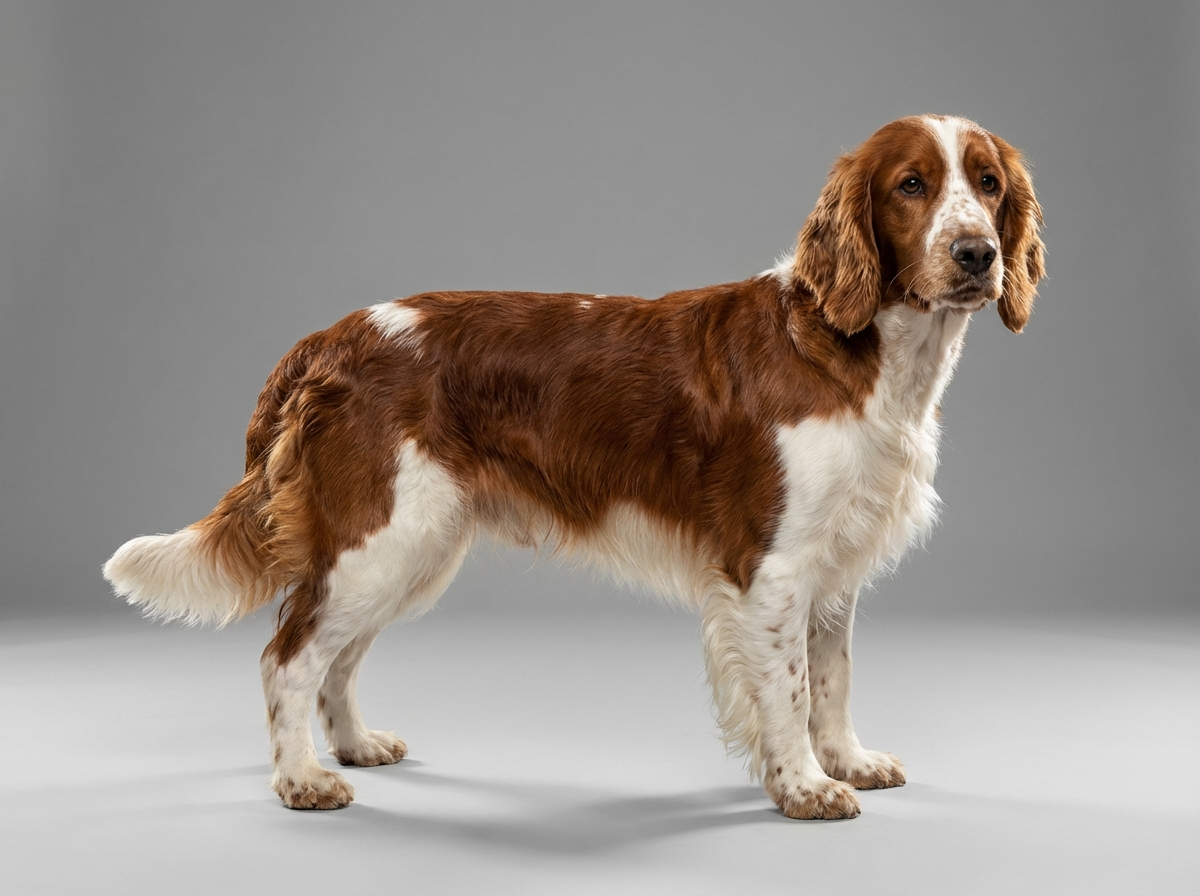
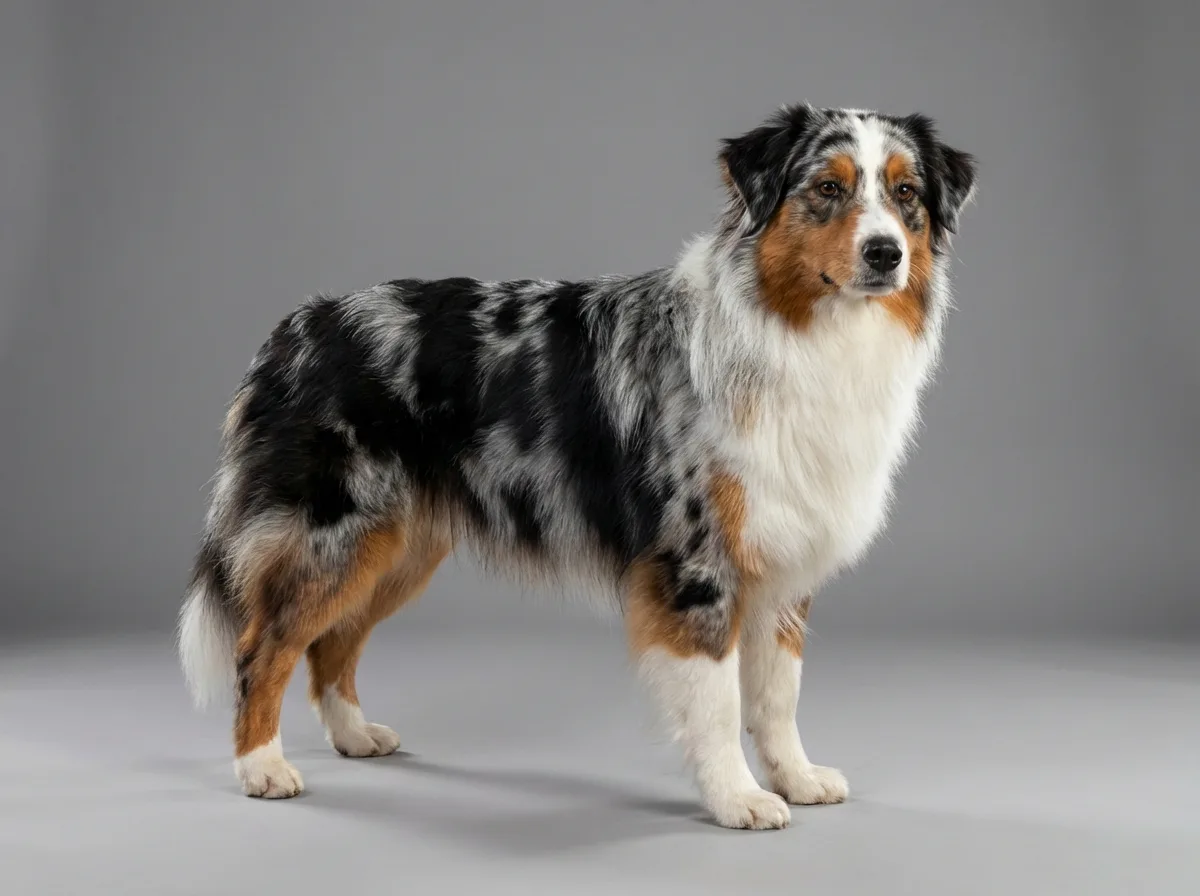
When you think about hiking with dogs, consider breeds known for their stamina, agility, and friendly temperament. These traits ensure your dog can handle the physical demands of hiking while also being well-behaved around other hikers and wildlife. Certain breeds, like the Vizsla or Australian Shepherd, are particularly well-suited for outdoor activities. They possess the energy and enthusiasm needed to keep up with active lifestyles.
In addition to physical capability, it's crucial to consider your dog's personality and training. Some dogs have a natural instinct to chase wildlife, which can lead to trouble on the trails. Selecting breeds that are less prone to this behavior can help ensure a safer hiking experience. Furthermore, off-leash dogs must be highly trainable and responsive to commands, as this will keep them safe and under control in various environments.
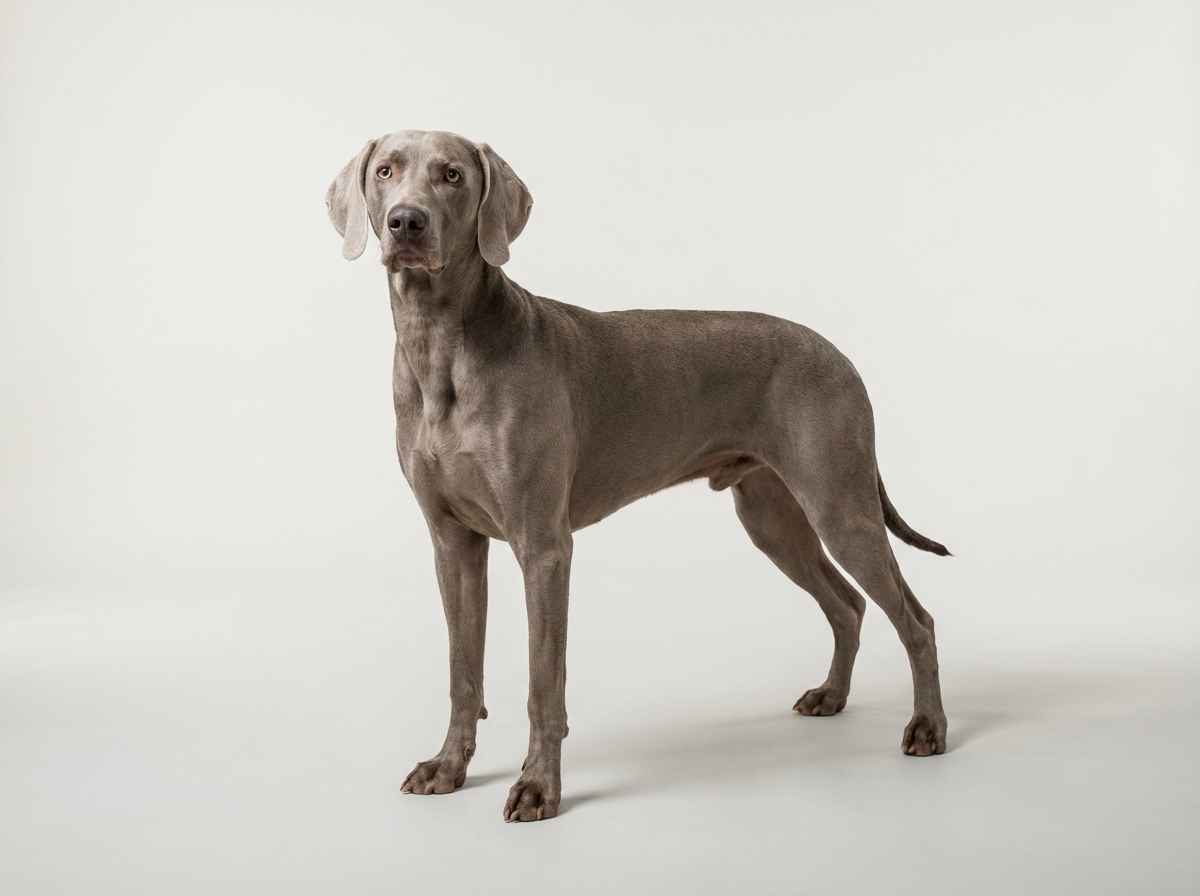
Planning ahead is key to a successful hiking trip with your dog. Be sure to pack essentials like water, snacks, and a first aid kit. Understanding which breeds excel in different terrains and climates can also help you make a better decision for your specific hiking needs. For instance, breeds like the Weimaraner adapt well to varying temperatures and terrains, making them excellent adventure dogs.
Ultimately, selecting the best dog breeds for hikers is about finding a balance between physical capability, temperament, and your hiking style. With the right dog by your side, you can explore new trails and create unforgettable memories together. This guide will help you navigate your options, ensuring your hiking adventures are both fun and safe for you and your furry friend.
Step-by-Step Plan for Choosing the Best Dog Breeds for Hikers
Follow this practical guide to find the perfect hiking companion. Each step provides clear actions you can take this week to help you select the best dog breeds for hikers.
- 1. Assess Your Hiking Style: Determine how often you hike, the types of trails you prefer, and your hiking duration. This helps in finding a dog that matches your pace and stamina.
- 2. Research Breeds: Look into breeds known for being great hiking companions. Consider options like Vizslas, Weimaraners, and Australian Shepherds, which are often praised for their endurance and energy.
- 3. Evaluate Energy Levels: Choose breeds with high energy levels that can keep up with your outdoor adventures. Look for dogs that need regular exercise and enjoy being active.
- 4. Consider Size and Terrain: Think about the size of the dog you want. Larger breeds may struggle on narrower trails, while smaller dogs may be easier to manage but could lag on longer hikes.
- 5. Check Temperament: Look for friendly and trainable breeds. Dogs that are good with people and other animals can enhance your hiking experience.
- 6. Visit Breeders or Shelters: Spend time with potential breeds at local shelters or breeders. This helps you get a feel for their personality and see if they enjoy outdoor activities.
- 7. Test Out Gear: Purchase basic hiking gear for your dog, such as a harness, leash, and booties. Try them out on short walks to see how your dog reacts.
- 8. Plan Short Hikes: Start with shorter, less challenging hikes to see how your dog performs. Gradually increase the distance as your dog builds stamina.
- 9. Train Your Dog: Invest time in training, focusing on commands like 'leave it' and 'come.' This will ensure your dog is safe and well-behaved on the trails.
- 10. Prepare for Emergencies: Research essentials for hiking with dogs, such as first-aid kits and hydration packs. Being prepared ensures a safe and enjoyable adventure.
Common Mistakes When Choosing the Best Dog Breeds for Hikers
Choosing the right dog breed for hiking is crucial, but many owners make common mistakes that can lead to challenges on the trails. Here are some of the most frequent errors and why they can backfire.
- Choosing a breed without considering fitness levels.
- Ignoring the dog's temperament and behavior.
- Neglecting the importance of training.
- Forgetting about breed-specific health issues.
- Overlooking the dog's age and energy levels.
- Not preparing for varying weather conditions.
Myths and Facts About the Best Dog Breeds for Hikers
There are many misconceptions about choosing the best dog breeds for hikers. Let's debunk some common myths and reveal the facts behind them.
- Myth: Only large breeds make good hiking companions.
- Fact: Many smaller breeds, like the Australian Shepherd, excel in hiking due to their stamina and agility.
- Myth: All dogs love to hike and are good at it.
- Fact: Not all dogs have the energy or temperament for long hikes. It’s important to consider your dog's personality and fitness level.
- Myth: Dogs can easily handle any terrain.
- Fact: Some breeds are better suited for specific terrains. For example, Vizslas thrive in open trails, while others may struggle.
- Myth: Off-leash hiking is safe for all dogs.
- Fact: Off-leash hikes can be risky, especially for breeds that chase wildlife. Always assess your dog's behavior and training.
- Myth: Dogs need to be trained for hiking only once.
- Fact: Consistent training is necessary for dogs to adapt to hiking conditions and improve their skills.
Advanced Tips for Choosing the Best Dog Breeds for Hikers
When selecting the best dog breeds for hikers, consider these advanced tips to ensure a perfect match for your outdoor adventures.
- Assess Temperament and Energy Levels: Not all dogs are suited for long hikes. Look for breeds that have high energy and a calm temperament in unfamiliar environments. This helps them stay focused and enjoy the adventure without getting overly excited or anxious.
- Train for Off-Leash Adventures: If you plan to let your dog roam freely, invest time in off-leash training. Breeds like the Vizsla or Australian Shepherd thrive off-leash, but they need solid recall skills to stay safe and close by.
- Consider Terrain and Weather: Different breeds handle various terrains and climates better than others. For example, a Weimaraner may prefer cooler weather, while a Labrador can handle heat better. Choose a breed that aligns with your hiking conditions.
- Plan for Hydration and Nutrition: Always carry extra water and high-protein snacks for you and your dog. Breeds that are especially active may need more calories than you think, so adjust their diet accordingly on hiking days.
- Research Local Wildlife: Some dogs have strong prey drives and may chase small animals. If your hiking area has wildlife, pick breeds known for being calmer, like the Australian Shepherd, to avoid potential issues.
Insider Secrets for Choosing the Best Dog Breeds for Hikers
When it comes to finding the best dog breeds for hikers, there are some insider insights that can make all the difference. Here are a few secrets to help you choose the right hiking companion.
- Look for breeds with high energy and stamina.
- Consider the dog's temperament around wildlife.
- Evaluate the coat type for weather adaptability.
- Train for off-leash reliability early on.
- Research local hiking trails and their dog policies.
Checklist for Choosing the Best Dog Breeds for Hikers
Use this practical checklist to find the best dog breeds for your hiking adventures. Consider your hiking style, the dog's energy level, and how comfortable they are in the outdoors.
- Assess your hiking environment (terrain, climate, length of hikes).
- Match your dog's energy level with your hiking frequency and duration.
- Choose breeds known for stamina, such as Vizslas or Australian Shepherds.
- Look for dogs that are trainable and have good recall for off-leash hikes.
- Consider the dog's size and how it impacts your gear and transportation.
- Check for health issues common in certain breeds that may affect hiking.
- Ensure your dog is socialized and comfortable around other hikers and wildlife.
- Pack essentials for hiking with dogs (water, food, first aid kit).
Frequently asked questions
What dog has the best stamina for hiking?
Breeds like the Vizsla and Weimaraner are known for their excellent stamina. These dogs are energetic and can keep up with long hikes without tiring easily. If you're looking for a hiking companion that can match your endurance, consider these breeds.
What are good hiking dogs that don't chase wildlife?
Breeds like the Australian Shepherd and Labrador Retriever can be great hiking companions without a strong prey drive. Training is essential to ensure they stay focused on the trail and not on wildlife. Always consider leash training and recall practices to keep your dog safe.
What are the essentials for hiking with dogs?
When hiking with your dog, essentials include a sturdy leash, fresh water, and a portable bowl. Additionally, don’t forget a first aid kit, dog booties for rough terrain, and waste bags to keep trails clean. Proper preparation ensures a fun and safe adventure for both you and your dog.
What are some of the best dog breeds for hikers?
Some of the best dog breeds for hikers include Vizslas, Weimaraners, and Australian Shepherds. These breeds are active, enjoy the outdoors, and thrive on adventure. Each of these dogs has the energy and stamina to keep up with your hiking lifestyle.
Can all dogs be hiking companions?
Not all dogs are suited for hiking. Smaller breeds or those with low energy may struggle on long trails. It's important to consider your dog's physical condition and temperament before hitting the trail.
What are the best dog breeds for hiking in hot weather?
When hiking in hot weather, consider breeds with shorter coats and good heat tolerance, like Vizslas and Australian Shepherds. Ensure they stay hydrated and take breaks in the shade. Look for dogs that are comfortable with off-leash activities to explore safely.
How can I train my dog to hike off-leash?
To train your dog for off-leash hiking, start with basic commands like 'come' and 'stay.' Gradually introduce them to off-leash environments, ensuring they respond well to commands. Consistent practice in safe areas will build their confidence and recall skills.
Are there dog breeds that are better for beginner hikers?
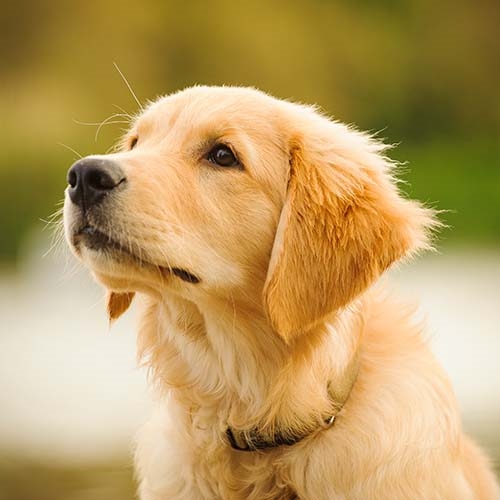
For beginner hikers, calmer breeds such as Golden Retrievers or Labrador Retrievers might be ideal. They are generally friendly, trainable, and enjoy being outdoors. Choose a dog that matches your activity level to ensure a positive hiking experience.
What gear do I need for hiking with my dog?
Essential gear for hiking with your dog includes a sturdy leash, a comfortable harness, and water bottles or collapsible bowls for hydration. Consider a first-aid kit, doggy booties for rough terrain, and a pack for carrying their supplies. Always prepare for weather changes.
How do I keep my dog safe while hiking?
To keep your dog safe while hiking, stick to well-marked trails and keep an eye on them at all times. Be aware of wildlife and avoid areas where they might chase or get startled. Bringing a first-aid kit and knowing basic canine first-aid can also be a lifesaver.
What dog has the best stamina for long hikes?
Breeds known for their stamina, like Weimaraners and Vizslas, excel on long hikes. These dogs are built for endurance and thrive in active environments. Always consider your dog's individual fitness level and gradually build their stamina before tackling lengthy trails.
Can small dog breeds be good hiking companions?
Yes, small dog breeds like Jack Russell Terriers or Miniature Schnauzers can be great hiking companions. They are often energetic and love to explore. Just ensure they can handle the terrain and keep an eye on them to prevent exhaustion.