Best Dog Breeds for Babies: Safe Choices for Your Family
Finding the best dog breeds for babies is crucial for a harmonious home. This guide will help you choose gentle and safe dogs that fit your family perfectly.
Choosing the Best Dog Breeds for Babies
When you’re welcoming a new baby into your home, finding the best dog breeds for babies becomes a top priority. It’s essential to consider a dog's temperament, size, and energy level. After all, you want a gentle companion that can coexist peacefully with your little one. The right dog can become a loving friend and protector as your child grows. This guide will help you navigate the best options for your family.
Why Dog Choice Matters
Choosing a dog breed that is good with babies ensures a safe and harmonious environment. Some breeds are naturally more patient and gentle, making them ideal companions for infants. Additionally, certain breeds are known for their protective instincts, providing a comforting presence as your child explores their world. Understanding these traits helps you make a decision that benefits both your baby and your furry friend.

What to Look For in Baby-Friendly Dogs

- Gentle temperament
- Patient and tolerant
- Size considerations
- Playfulness without overwhelming energy
- Protective instincts
Top Breeds to Consider
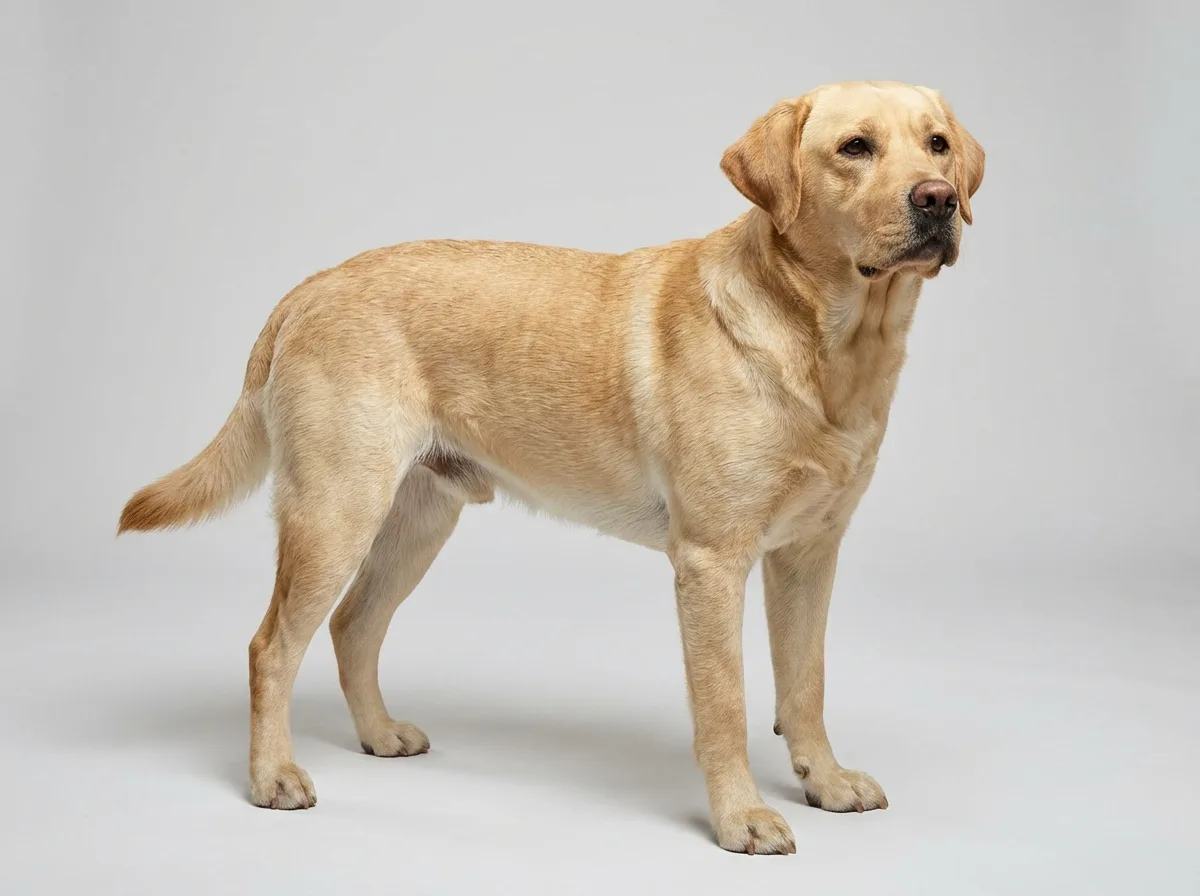
Some of the best dog breeds for babies include the Newfoundland, Labrador Retriever, and Beagle. These breeds are known for their friendly nature and adaptability to family life. They often bond well with children and can handle the occasional tug on their ears or tail without becoming aggressive. Each breed has unique qualities, ensuring you find the right match for your family's dynamics.

Step-by-Step Plan for Choosing the Best Dog Breeds for Babies
Choosing the best dog breeds for babies involves careful consideration. Follow these steps to make the right decision for your family.
- Research Baby Safe Dogs
- Assess Your Family's Lifestyle
- Visit Local Shelters or Breeders
- Meet and Greet with Potential Dogs
- Evaluate the Dog's Temperament
- Prepare Your Home for the New Arrival
- Introduce the Dog to Your Baby Gradually
- Monitor Interactions Closely
Common Mistakes When Choosing the Best Dog Breeds for Babies
Selecting the right dog breed for a family with babies is crucial, yet many new owners make avoidable mistakes. Here are some common missteps and why they can lead to problems.
- Ignoring breed temperament
- Not considering size and energy level
- Neglecting socialization needs
- Overlooking health issues
- Failing to prepare for training
- Assuming all dogs are good with kids
- Not involving the children in the process
Myths and Facts About Best Dog Breeds for Babies
Many people have misconceptions about which dog breeds are safe and appropriate for families with babies. Here are some common myths and the facts that debunk them.
- Myth 1: Any dog can be a good family dog.
- Myth 2: Small dogs are always better with babies.
- Myth 3: Dogs will feel jealous of a new baby.
- Myth 4: All breeds are equally safe around infants.
Advanced Tips for Choosing the Best Dog Breeds for Babies
When it comes to selecting the best dog breeds for babies, there are some advanced strategies that can help ensure a smooth transition for your family. Here are some insights to consider as you make your choice.
Temperament Testing
Before bringing a dog into your home, consider having them temperament tested. This helps you understand their behavior around children and can highlight any cautiousness or aggression. Not all dogs are suitable for families with babies, even within the same breed, so this step can be critical.
Choosing Breeds with Low Prey Drive
Opt for breeds known for their low prey drive, as these dogs are less likely to chase after small children or objects. Breeds like the Labrador Retriever or Beagle can be good options. Always research specific lines or individuals, as personality can vary.
Importance of Socialization
Socializing your dog from a young age is vital. Expose them to different environments, people, and babies. This helps your dog learn how to behave appropriately and can reduce anxiety or fear around infants.
Monitoring Interactions
Always supervise interactions between your dog and baby. This not only keeps your child safe but also allows you to teach your dog how to behave around the baby. Setting boundaries early can prevent negative behavior from developing.
Training for Specific Behaviors
Train your dog for specific behaviors that will help in a family setting. Commands like 'gentle', 'leave it', and 'stay' can be essential. Consistent training can make a world of difference in your dog's interactions with the baby.
Insider Secrets for Choosing the Best Dog Breeds for Babies
Selecting the best dog breeds for babies involves more than just picking a cute puppy. Here are some expert tips to help you make the right choice.
- Consider the dog's energy level: Breeds like Labradors are playful but need regular exercise. A tired dog is often a well-behaved dog, which is crucial around infants.
- Research the dog's temperament: Some breeds, such as Newfoundlands, are known for their gentle nature and patience with children. This can lead to a harmonious home environment.
- Train for calmness: Early socialization and training can help any dog become more relaxed and tolerant around babies. Consider puppy classes focused on gentle training techniques.
- Look into ‘nanny dog’ breeds: Breeds like the Staffordshire Bull Terrier have a reputation for being protective and loving towards children, making them great companions for families.
- Be prepared for the dog's needs: Understand that even baby-safe dogs require attention, training, and exercise. Balance your time effectively to ensure both your baby and dog are happy.
Checklist for Choosing the Best Dog Breeds for Babies
Use this checklist to find the best dog breeds for your family when you have a baby. Consider each aspect carefully to ensure a smooth transition.
- Research baby-safe dog breeds.
- Look for gentle dogs that are patient with infants.
- Consider breeds known as 'nanny dogs' for their protective nature.
- Evaluate the dog's temperament and energy level.
- Visit shelters or breeders to meet potential dogs.
- Ask about the dog's history with children and other pets.
- Prepare your home for the new dog and baby.
- Introduce the dog to your baby slowly and safely.
- Monitor interactions closely during the first few months.
- Be patient and consistent with training.
Frequently asked questions
Are dogs safe with newborns?
Yes, many dogs can be safe with newborns, especially if they are gentle and well-trained. Breeds like Labradors and Newfoundlands are known for their friendly nature and patience. However, supervision is essential to ensure both the baby and the dog are comfortable.
Best dog to get when having a baby?
The best dog breeds for babies include Labradors, Beagles, and Newfoundlands. These breeds are known for being gentle and protective, making them great companions for young families. It's important to consider the dog's temperament and energy level when choosing.
Most patient dogs for babies?
Some of the most patient dogs for babies are breeds like the Cavalier King Charles Spaniel and the Newfoundland. These dogs are typically calm and tolerant, making them well-suited for a household with infants. Training and socialization also play key roles in their behavior.
What are nanny dog breeds?
Nanny dog breeds refer to dogs that are particularly good with children and babies. These breeds, such as the Labrador Retriever and the Bull Terrier, are known for their protective instincts and gentle demeanor. They can provide companionship and security for your child.
Are there baby safe dogs?
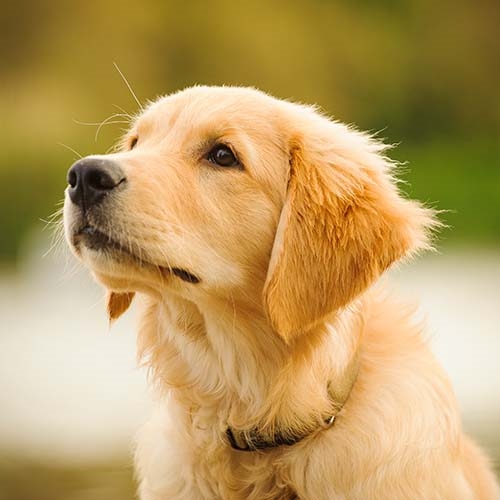
Yes, several breeds are considered baby safe dogs, including Golden Retrievers and Beagles. These dogs are typically friendly and have a calm disposition, making them a good fit for families with young children. Always ensure to introduce the dog and baby in a controlled environment.
What is the best dog breed for families with infants?
Some of the best dog breeds for families with infants include Labrador Retrievers, Newfoundlands, and Beagles. These breeds are known for their gentle nature and patience, making them great companions for young children. Always supervise interactions between dogs and babies to ensure safety.
Are there specific breeds that are more protective around babies?
Yes, certain breeds like the Rottweiler and Boxer are known for their protective instincts. These dogs can form strong bonds with their families and may be naturally protective of infants. However, proper training and socialization are essential to ensure they are friendly and safe.
How can I prepare my dog for a new baby?
To prepare your dog for a new baby, start by introducing them to baby sounds and smells gradually. Set up the nursery and allow your dog to explore it while providing positive reinforcement. It's also helpful to establish new routines for your dog to minimize any stress during the transition.
What should I do if my dog shows jealousy towards my baby?
If your dog shows jealousy towards your baby, it's important to provide them with individual attention and engage them in activities they enjoy. Avoid punishment, as it can worsen anxiety. Instead, reinforce positive behaviors with treats and praise when they are calm around the baby.
Are small breeds better for families with babies?
While small breeds can be good for families with babies, it's not solely about size. Breeds like Cavalier King Charles Spaniels and Bichon Frises can be gentle and affectionate. However, many larger breeds, such as Newfoundlands, are known for their friendly nature and can also be excellent family dogs.
How do I choose a dog that is baby-safe?
To choose a baby-safe dog, consider breeds known for their gentle temperament and patience. Look for dogs that have a history of being friendly with children. It's also crucial to evaluate the individual dog's personality, as every dog is unique.
What training should I focus on for a dog around babies?
Focus on basic obedience training, such as sit, stay, and leave it, to help manage your dog's behavior around babies. Socialization is also key; expose your dog to children in different settings. Consider enrolling in a training class that specializes in family dogs to enhance their skills.