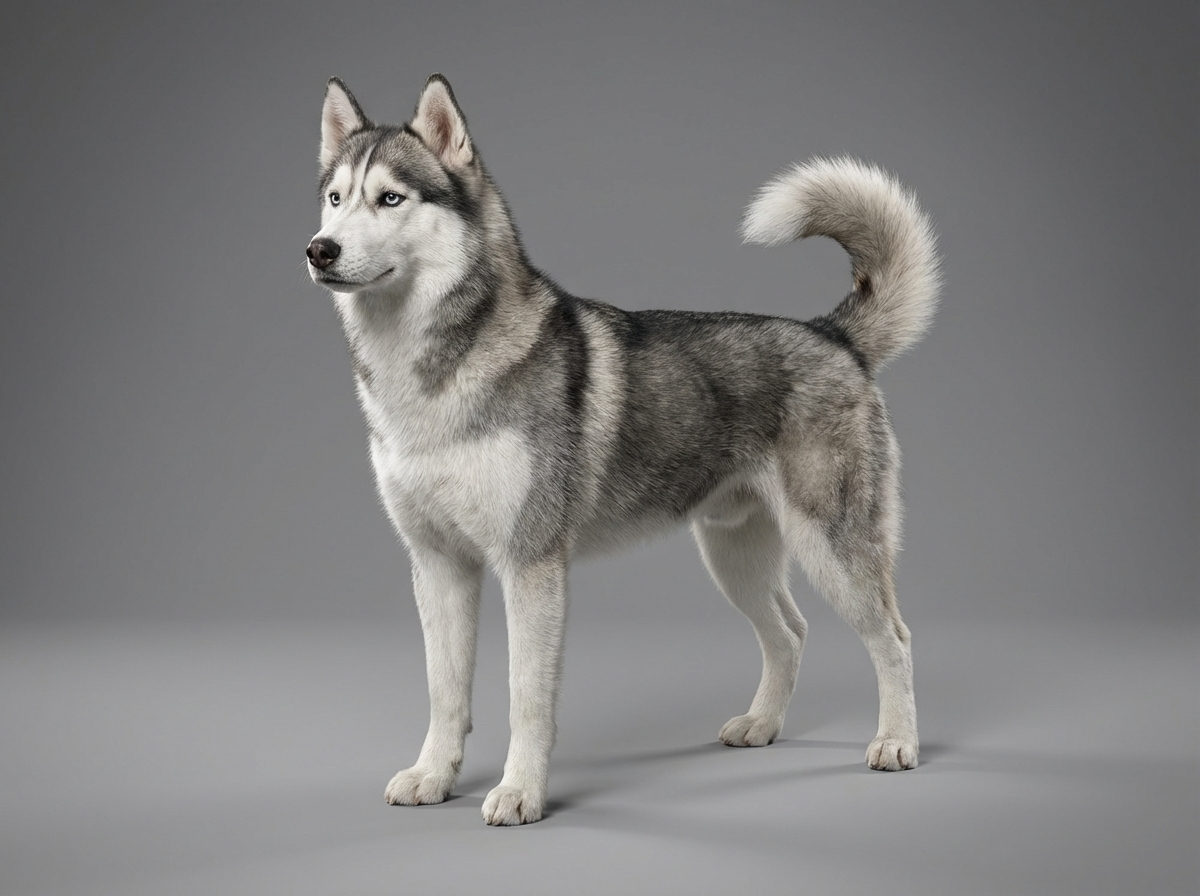
Costs
What is the Siberian Husky first year cost?
The first year with a Siberian Husky in Portland totals $3,100 to $6,000.

See Siberian Husky price across all cities →
Quick answer
What is the Siberian Husky first year cost?
The first year with a Siberian Husky in Portland totals $3,100 to $6,000.
Bringing a Siberian Husky into your home is an exciting adventure, but it comes with financial responsibilities.

Costs can increase due to emergencies, unexpected vet visits, or big-ticket items like training courses and high-quality pet supplies.
The total cost of owning a Siberian Husky in Portland can vary widely based on factors like medical care, food, and training. The first year can be particularly expensive due to initial setup costs such as vaccinations and supplies. Monthly costs will typically range from food and grooming to routine vet visits.
Estimate · source: us average · confidence: medium · updated 2026-09-05 · not a quote
| Item | Cost range |
|---|---|
Purchase price Costs can vary based on breeder reputation and location. | $500 - $1500 |
Training classes Obedience training is highly recommended for this breed. | $100 - $300 |
Emergency fund It's wise to have a reserve for unexpected health issues. | $1000 - $1000 |
| Item | Cost range |
|---|---|
Food Siberian Huskies need high-quality food due to their size and energy level. | $50 - $100 |
Grooming Huskies shed heavily and may require professional grooming. | $30 - $60 |
Pet insurance Insurance helps cover unexpected medical costs. | $30 - $70 |
Each range starts from a national baseline for this breed's size class and is then adjusted for local cost of living and veterinary pricing. The baselines, and the source each one came from, are listed on our sources page (dataset 2026.09). Two inputs, the purchase price and the emergency reserve, have no published national figure we could verify, so we leave them to you rather than invent them.
These are planning estimates, not quotes. Your own numbers will move with the individual dog, your vet and your insurer. Build a budget with your own figures.
When considering the Siberian Husky cost in Portland, pet insurance can be a smart move.
Insurance is beneficial if you're worried about high vet bills due to possible health problems like hip dysplasia or cataracts. If your Husky is young and healthy, starting insurance early can lower premiums. It's also a good idea if you have a tight budget and want to avoid big expenses suddenly.
If your Husky is older and has pre-existing conditions, finding affordable insurance might be tough. In these cases, it could make more sense to save money directly for vet expenses.
Owning a Siberian Husky in Portland can be costly, but there are effective ways to save on expenses. Here are some practical tips to help you manage costs.
When considering the Siberian Husky cost in Portland, many first-time owners overlook hidden expenses. Regular grooming can be a big surprise, especially since Huskies shed heavily. Expect to pay around $50 to $100 every couple of months for grooming sessions, along with the cost of brushes and other supplies for at-home maintenance.
Health issues can also catch owners off guard. Regular check-ups and vaccinations usually cost between $200 and $400 annually, but don’t forget about emergency visits, which can be significantly higher.

Huskies are known for their energy and playful nature, leading to wear and tear on toys and gear. You might spend $10 to $30 monthly replacing chewed-up toys or damaged leashes and collars. Additionally, if you enjoy outdoor activities, consider the costs of dog-friendly outings, which can add up quickly with entry fees or pet-friendly accommodations.

In total, these hidden costs can add an extra $500 to $1,000 annually to your Siberian Husky budget. It's important to plan for these recurring expenses to ensure you can provide the best care for your furry friend. Being proactive about these costs can help you avoid financial stress in the long run.

When considering the Siberian Husky cost in Portland, local factors play a significant role. The cost of living in Portland is relatively high, which means you should expect to spend more on dog-related expenses compared to smaller towns. Rent prices can eat into your budget, especially if you’re looking for a pet-friendly apartment.
Veterinary care is another important factor. Portland has a good number of veterinary clinics, which is great for access, but this can also lead to higher vet bills. Routine check-ups and emergency care for a Siberian Husky can range from $500 to over $1,000 a year, depending on the services you choose.
Climate also affects the costs associated with a Siberian Husky. This breed is known for its double coat and high energy needs, making them better suited for cooler climates. In warmer months, you may need to invest in cooling products or services to keep your Husky comfortable.
Additionally, grooming costs may increase due to the heavy shedding that occurs seasonally, requiring more frequent trips to the groomer or more grooming tools at home.

Meet Sarah, a teacher living in Portland, who decided to adopt a Siberian Husky named Luna. In her first year, Sarah faced initial costs of around $2,200, which included adoption fees, vaccinations, and spaying. However, a surprise expense hit when Luna developed a minor ear infection, adding an unexpected $300 to her vet bills. Sarah learned to set aside a little extra each month for potential emergencies, which has helped her manage Luna's health needs more comfortably.
Key takeaway: Owning a Siberian Husky in Portland can cost between $1,500 to $2,800 in the first year.
The Siberian Husky can be moderately expensive. Initial costs, including adoption or purchase, can range from $1,500 to $2,800 in Portland. After that, you can expect monthly expenses between $100 and $200. This answer relates to Siberian Husky cost in Portland.
This can vary based on coverage levels, deductibles, and your dog's age.
The first-year cost for a Siberian Husky in Portland usually falls between $1,500 and $2,800. This includes expenses like vaccinations, spaying/neutering, food, and basic supplies.
This includes food, grooming, and routine vet visits, but it can go higher if unexpected veterinary care is needed.
In Portland, you should budget for annual vet bills for a Siberian Husky between $300 and $600. This amount covers regular check-ups and vaccinations but could increase if health issues arise.
Yes, unexpected costs can arise, especially with health issues. Budgeting an extra $500 to $1,000 annually for emergencies or special treatments is wise.
Their double coat requires regular brushing to manage shedding and prevent matting.
Vet bills for a Siberian Husky in Portland can range from $500 to $1,200 annually. This includes routine check-ups, vaccinations, and preventive care. Keep in mind that unexpected health issues can add significant costs.
Pet insurance can be beneficial for a Siberian Husky, especially given their potential health issues. This can help offset unexpected vet bills.
Costs for emergencies can vary greatly, from minor injuries to major surgeries. Having a financial cushion can ease the stress of unforeseen expenses.
Yes, costs can be higher in urban areas like Portland due to increased vet fees and living expenses. Additionally, finding suitable pet-friendly housing may also come with higher rent. Budgeting for these factors is essential.
The first-year cost for a Siberian Husky in Portland typically ranges from $1,500 to $2,800. This includes adoption fees, initial vaccinations, supplies, and food. Planning ahead can help you manage these initial expenses.
The first year with a Siberian Husky in Portland totals $3,100 to $6,000.
Month to month, a Siberian Husky in Portland costs $110 to $250. The food line is the largest at $50 to $100.
In Portland, insuring a Siberian Husky costs $30 to $70 a month once you pick a deductible and payout limit.
This guide is not medical advice. If your dog shows pain, sudden behavior change, or worsening symptoms, consult a licensed veterinarian.
Some links may be affiliate links. We may earn a commission at no extra cost to you. We only suggest products we believe are helpful for dog owners.
We research and check what we publish, but we do not warrant that any figure, date, price, or statement is accurate, complete, or current, and we accept no liability for any loss, cost, injury, or other harm arising from the use of this site. Use it as one reference among several. You remain responsible for your own decisions and for your dog's care - confirm anything that matters with a licensed veterinarian or another qualified professional before you act on it. Full disclaimer.
One sheet with every line item, the emergency fund and when insurance pays off - unlocks on this page.
You get: 12-month budget sheet
No spam. One-click unsubscribe. See our privacy policy.
Preview page 1 before you decide.