Health
What should I do if my Yorkshire Terrier shows signs of PRA?
If your Yorkshire Terrier shows signs of progressive retinal atrophy, schedule a vet visit for diagnosis and management options.

Quick answer
What should I do if my Yorkshire Terrier shows signs of PRA?
If your Yorkshire Terrier shows signs of progressive retinal atrophy, schedule a vet visit for diagnosis and management options.
Yorkshire Terrier progressive retinal atrophy (PRA) can lead to gradual vision loss, impacting your dog's quality of life.
Owners of Yorkshire Terriers may find themselves struggling with this issue, especially those who notice signs of vision decline in their furry friends. First-time dog owners or those unfamiliar with health issues in small breeds may feel particularly overwhelmed.
This guide is not medical advice. If your dog shows pain, sudden behavior change, or worsening symptoms, consult a licensed veterinarian.
Some links may be affiliate links. We may earn a commission at no extra cost to you. We only suggest products we believe are helpful for dog owners.
We research and check what we publish, but we do not warrant that any figure, date, price, or statement is accurate, complete, or current, and we accept no liability for any loss, cost, injury, or other harm arising from the use of this site. Use it as one reference among several. You remain responsible for your own decisions and for your dog's care - confirm anything that matters with a licensed veterinarian or another qualified professional before you act on it. Full disclaimer.
Check this first
If your Yorkie exhibits sudden vision loss, such as bumping into objects or showing signs of confusion, this is an emergency. Other red-flag signs include dilated pupils, severe eye redness, or excessive squinting. If your dog is also experiencing distress or appears to be in pain, don’t wait—reach out to your vet right away.
On the other hand, if your Yorkshire Terrier has mild symptoms, like occasional difficulty navigating dimly lit areas, you might be able to monitor the situation. Creating a safe environment for your dog is key. This could mean removing obstacles in your home and avoiding stairs or unfamiliar places for now.
In cases where they are just starting to show signs of PRA, regular check-ups with your vet should be part of your plan. Keeping a close eye on your dog's behavior can help you decide if and when to escalate concerns to your vet. Always prioritize your dog's comfort and safety, and don't hesitate to seek professional advice.
If any of these apply, call your vet or an emergency clinic now. The rest of this page is for the cases that are not an emergency.
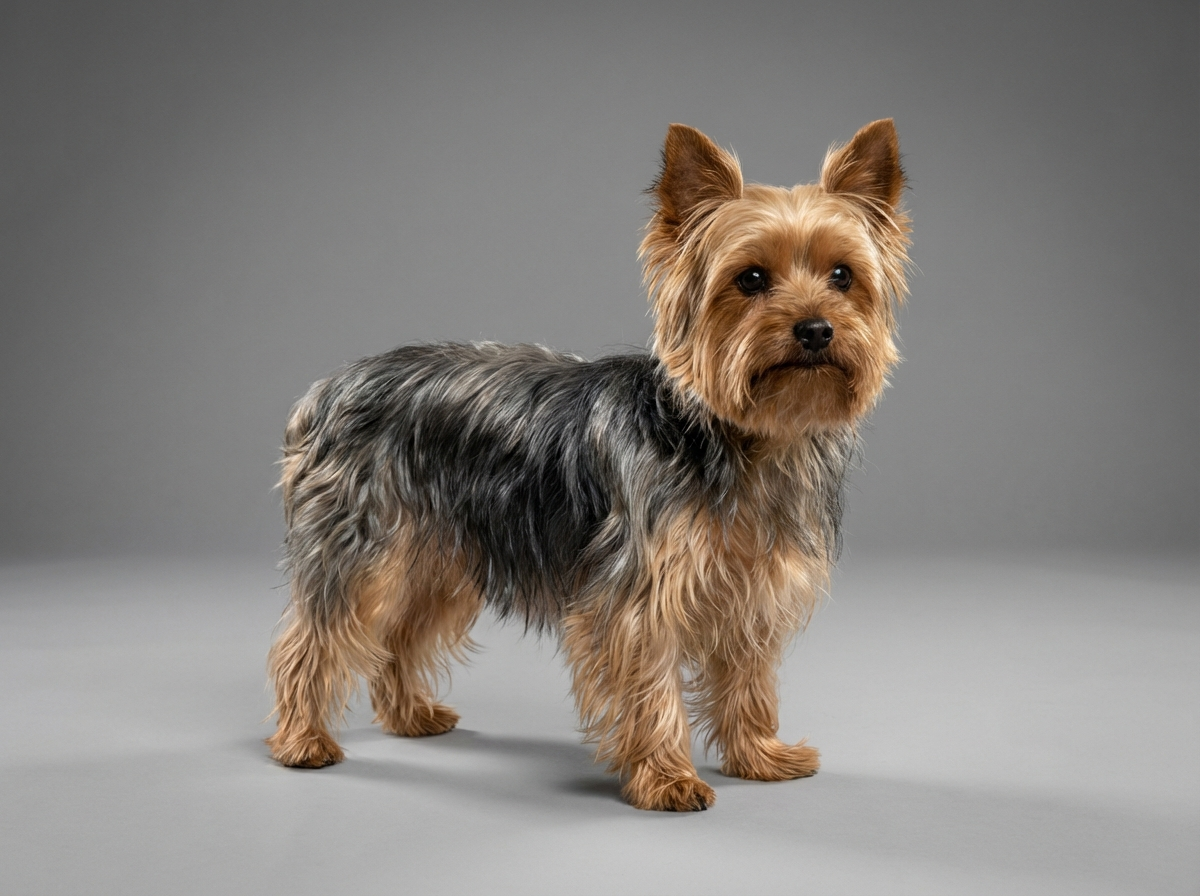
Yorkshire Terrier progressive retinal atrophy (PRA) is a serious eye condition that leads to gradual vision loss. Day-to-day, affected dogs may seem hesitant to navigate familiar spaces, bumping into furniture or misjudging distances. This can be particularly distressing for owners who notice their once-active Yorkie becoming cautious or withdrawn.
PRA is relatively common in Yorkshire Terriers, with studies suggesting that around 10-15% of this breed may be affected. It's crucial for owners to stay alert for early signs, as early detection can help manage the condition.
Yorkshire Terriers are genetically predisposed to progressive retinal atrophy (PRA). This breed has a higher likelihood of developing PRA due to inherited traits that affect their eye health. As they age, these genetic factors can lead to a gradual loss of vision.
Environmental factors can also contribute to the severity of PRA. For instance, exposure to excessive sunlight without proper eye protection can aggravate eye conditions. Additionally, an unhealthy diet lacking in key nutrients may further impact their overall eye health.
Consult your vet if you notice any sudden changes in your Yorkie's vision, such as bumping into objects or hesitating to navigate familiar spaces. Regular vet visits are crucial for monitoring the progression of PRA and ensuring your dog gets the best care possible.
Many Yorkshire Terrier owners unintentionally make Progressive Retinal Atrophy (PRA) worse. Here are common mistakes to avoid and safer alternatives.
Start here: Yorkshire Terrier Most Common Genetic Disorders: Screening
See all Yorkshire Terrier health problems, which breeds are prone to progressive retinal atrophy pra, or the full Yorkshire Terrier breed guide for temperament, exercise needs and ownership costs.
Managing Yorkshire Terrier progressive retinal atrophy (PRA) can take several months. You'll need to monitor your dog's condition regularly and adapt your care as needed. Expect gradual changes in their vision and behavior over time.
Success means your Yorkie can navigate familiar spaces comfortably and maintain a good quality of life. You'll notice adjustments in their daily routine, but they remain active and engaged with your support.
Sarah, a first-time dog owner, noticed her Yorkshire Terrier Lily bumping into furniture and hesitating at doorways. After a vet visit confirmed PRA, Sarah felt overwhelmed but determined to help Lily adapt. She started by rearranging furniture to keep pathways clear and used consistent verbal cues to guide Lily. Over time, Sarah learned to read Lily's body language, helping her feel more secure. With patience and love, Lily adjusted to her new reality, and their bond grew even stronger.
Key takeaway: Adapting to Yorkshire Terrier progressive retinal atrophy (PRA) requires patience and creativity. Simple changes in the home and consistent support can help your dog thrive despite vision loss.
Yorkshire Terrier progressive retinal atrophy (PRA) is a genetic condition that leads to gradual vision loss in dogs. It affects the retina, causing degeneration over time. If your Yorkie is showing signs of vision impairment, it's important to consult your vet for a proper diagnosis.
To help your Yorkshire Terrier adjust to progressive retinal atrophy, keep their environment consistent and familiar. Use verbal cues and avoid sudden changes in furniture or layout. Training with positive reinforcement can also help them navigate their surroundings more easily.
Currently, there is no cure for PRA, but management strategies can help. Your vet may suggest supplements to support eye health and recommend creating a safe, stable environment for your dog. Regular check-ups are essential to monitor their condition.
While PRA primarily affects vision, it can lead to secondary issues like anxiety or fear due to the loss of sight. Keeping your Yorkshire Terrier engaged and comfortable can help mitigate these effects. Always consult your vet if you have concerns.
Early signs of Yorkshire Terrier progressive retinal atrophy (PRA) include difficulty seeing in low light, bumping into objects, or hesitance in unfamiliar environments. You might also notice your Yorkie becoming less playful or avoiding stairs.
Currently, there is no cure or way to reverse Yorkshire Terrier progressive retinal atrophy (PRA). Treatment focuses on managing symptoms and ensuring a safe environment for your dog as their vision changes.
To help your Yorkshire Terrier adjust to vision loss, maintain a consistent layout in your home and use verbal cues to guide them. Training with positive reinforcement can also help them navigate their surroundings more confidently.
Yes, if you notice any signs of progressive retinal atrophy (PRA) in your Yorkshire Terrier, it's important to consult a vet. They can provide a proper diagnosis and discuss ways to support your dog's health and wellbeing.
Yes, progressive retinal atrophy (PRA) tends to become more common in older Yorkshire Terriers. While some symptoms may start earlier, the risk increases as they age, which is why regular vet check-ups are essential for early detection.
If your Yorkshire Terrier shows signs of progressive retinal atrophy, schedule a vet visit for diagnosis and management options.
A balanced diet rich in antioxidants may support your Yorkie's overall eye health. Consult your vet for specific dietary recommendations.
Use consistent verbal cues and practice training in familiar environments to help your Yorkshire Terrier learn to navigate despite their vision loss.
Yes, PRA is a common genetic issue in Yorkshire Terriers, so regular vet check-ups are important for early detection.
While PRA affects vision, with proper care and adjustments, many Yorkshire Terriers can continue to live happy, fulfilling lives.
A one-page prep sheet for this condition: the signs, the questions to ask, what to get priced. Unlocks here.
You get: Vet visit prep sheet
No spam. One-click unsubscribe. See our privacy policy.
Preview page 1 before you decide.