Understanding Yorkshire Terrier Allergic Reactions
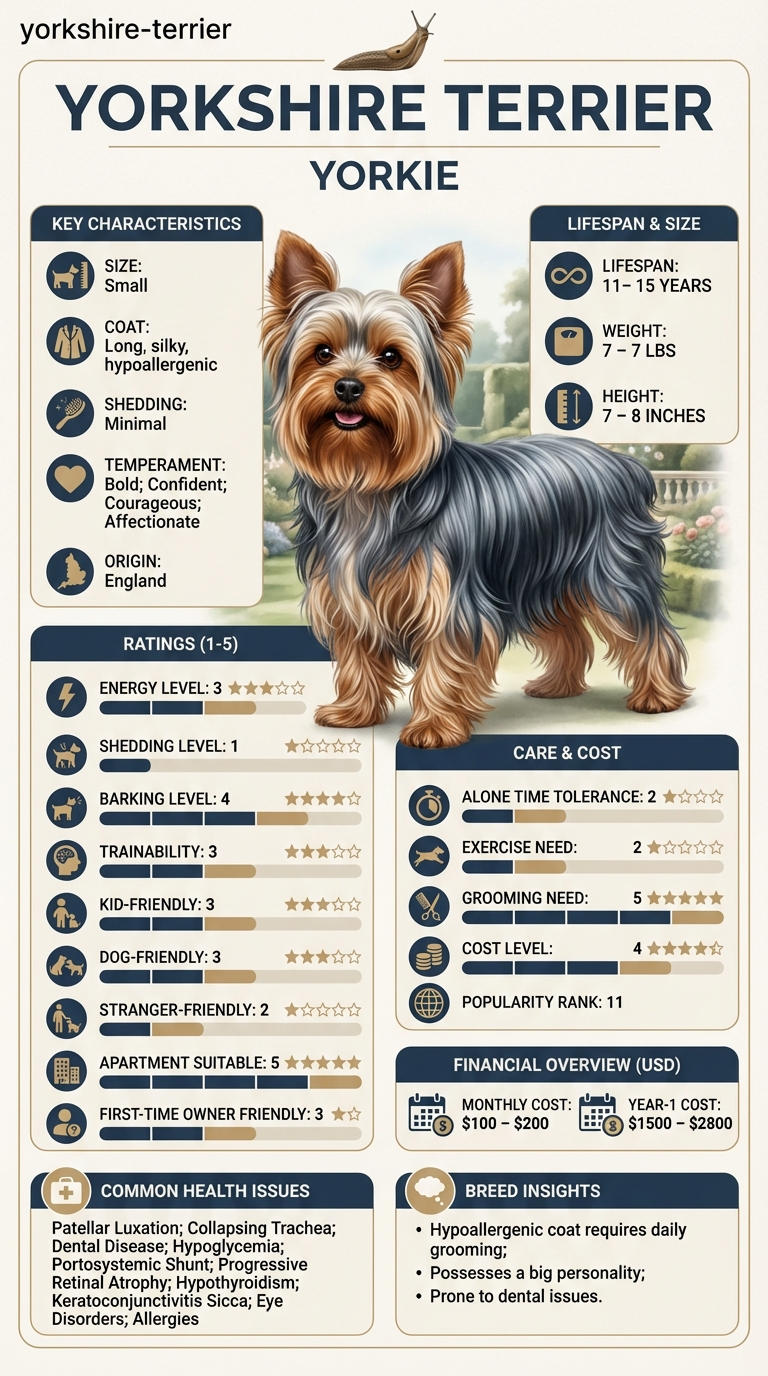
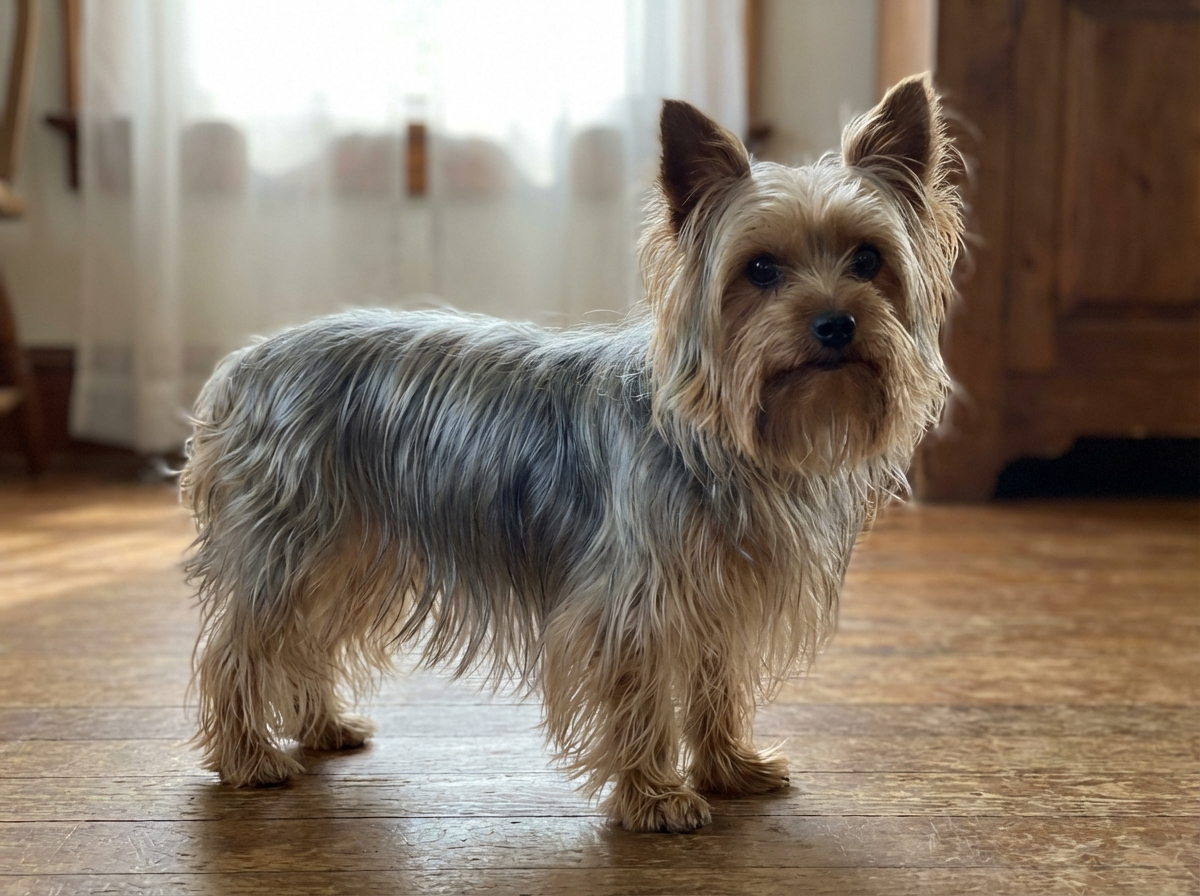
Yorkshire Terriers can face allergic reactions that may disrupt their health and happiness. These reactions often stem from environmental factors or food sensitivities. (Yorkshire Terrier allergic reactions)

What you can try
- Regularly groom your Yorkie to remove allergens from their coat. This can help reduce irritation and keep their skin healthy.
- Consider hypoallergenic dog foods if you suspect food allergies. Monitor their reactions after introducing new foods.
- Use air purifiers and regularly clean your home to minimize dust and pollen exposure.
- Bathe your Yorkshire Terrier with a gentle, hypoallergenic shampoo every few weeks to soothe the skin and remove irritants.
Mistakes that make this worse
Owners often make unintentional mistakes that can aggravate allergic reactions in their Yorkshire Terriers. Here are some common pitfalls and safer alternatives to help improve your dog’s condition.
- Ignoring symptoms: Many owners overlook early signs of allergic reactions, like itching or skin irritation. Instead, monitor your Yorkie's behavior closely and consult a vet if you notice any unusual symptoms.
- Using harsh cleaning products: Cleaning your home with strong chemicals can trigger allergic reactions. Opt for pet-safe, hypoallergenic cleaning products to keep your environment safe.
- Feeding low-quality food: Low-grade dog food may contain fillers or allergens. Choose high-quality, hypoallergenic dog food that suits your Yorkie's dietary needs.
- Skipping regular grooming: Yorkshire Terriers need frequent grooming to prevent matting and skin issues. Establish a regular grooming routine to keep their coat clean and healthy.
- Neglecting the environment: Dust, pollen, and mold can all affect your Yorkie's allergies. Regularly vacuum and keep your living space as allergen-free as possible.
- Overlooking medical check-ups: Some owners may not take their dog for regular vet visits. Schedule routine check-ups to identify potential health issues early on.
- Inconsistent training: Inconsistent commands during training can confuse your Yorkie, leading to stress, which may worsen allergic reactions. Use clear and consistent commands to help your dog feel secure.
When Yorkshire Terrier Allergic Reactions Are an Emergency
Red-flag symptoms that require immediate veterinary attention include severe swelling, difficulty breathing, or a rapid heartbeat. If your Yorkie shows signs of anaphylaxis, like vomiting, diarrhea, or fainting, you must seek help right away. These symptoms can escalate quickly and may become life-threatening.
On the other hand, mild allergic reactions can often be managed at home. Symptoms like sneezing, mild itching, or a runny nose can be monitored and treated with antihistamines or topical creams, as advised by your vet. Keeping track of food and environmental triggers can also help you prevent future occurrences.
If you're in doubt, it's always better to err on the side of caution. When your Yorkshire Terrier is exhibiting any unusual behavior or symptoms of allergic reactions, consult your vet before deciding on a course of action. Your vet can guide you on whether to treat at home or seek immediate care.

Frequently asked questions
Why does my Yorkshire Terrier have allergic reactions?
Yorkshire Terriers may have allergic reactions due to environmental factors, food sensitivities, or parasites. Common allergens include pollen, dust mites, and certain proteins. If your Yorkie shows signs of itching or swelling, it’s wise to consult a vet for proper diagnosis.
How can I stop my Yorkshire Terrier from having allergic reactions?
To reduce allergic reactions in your Yorkshire Terrier, identify and eliminate potential allergens from their environment. Regular grooming and bathing can help remove irritants. Additionally, consult your vet about possible dietary changes or medications to manage allergies.
What are the symptoms of allergic reactions in Yorkshire Terriers?
Common symptoms of allergic reactions in Yorkshire Terriers include excessive itching, redness of the skin, swelling, sneezing, or gastrointestinal upset. Monitor your Yorkie for these signs, especially after exposure to new foods or environments.
Can training help with my Yorkshire Terrier's allergic reactions?
While training won't directly stop allergic reactions, it can help manage your Yorkie's behavior related to discomfort. Teaching commands can keep them calm during allergy flare-ups, and positive reinforcement can create a more relaxed environment.
When should I take my Yorkshire Terrier to the vet for allergies?
You should take your Yorkshire Terrier to the vet if they display severe allergic reactions, such as difficulty breathing or swelling around the face. Even mild symptoms that persist or worsen after treatment warrant a vet visit for further evaluation.
What are common signs of allergic reactions in Yorkshire Terriers?
Common signs of allergic reactions in Yorkshire Terriers include excessive itching, redness on the skin, and ear infections. You might also notice sneezing, watery eyes, or gastrointestinal issues like vomiting or diarrhea.
Can food allergies cause Yorkshire Terrier allergic reactions?
Yes, food allergies can definitely cause allergic reactions in Yorkshire Terriers. Common allergens include wheat, soy, and certain proteins like chicken or beef. If you suspect a food allergy, consult your vet for an elimination diet.
When should I take my Yorkshire Terrier to the vet for allergic reactions?
If your Yorkshire Terrier shows severe symptoms like difficulty breathing, swelling, or persistent vomiting, it's crucial to seek veterinary help immediately. Additionally, if mild symptoms persist despite home treatment, a vet visit can help identify the cause and appropriate management.
Are Yorkshire Terriers more prone to allergies than other breeds?
Yorkshire Terriers can be more prone to allergies due to their genetic makeup and environmental factors. They are particularly susceptible to skin allergies and food sensitivities, making it important for owners to be vigilant about their pet's health.
Can I train my Yorkshire Terrier to stop scratching from allergies?
While you can't train your Yorkshire Terrier to stop scratching entirely due to allergies, you can help manage the behavior. Providing a comfortable environment, regular grooming, and addressing the underlying allergy can reduce scratching and improve your dog's comfort.