Behavior
What are Vizsla heat sensitivity quick tips?
Keep your Vizsla hydrated and avoid outdoor activities during peak heat. Provide a cool, shaded area for them to rest.
Vizsla heat sensitivity is a serious issue that can lead to heatstroke if not managed properly. Understanding this condition is crucial for every Vizsla owner.
Many first-time Vizsla owners or those living in warmer climates often struggle with heat sensitivity in their dogs. Owners who enjoy outdoor activities with their pets may find it challenging to balance exercise and safety in high temperatures.
This guide is not medical advice. If your dog shows pain, sudden behavior change, or worsening symptoms, consult a licensed veterinarian.
Some links may be affiliate links. We may earn a commission at no extra cost to you. We only suggest products we believe are helpful for dog owners.
Vizslas are known for their high energy and affectionate nature, but heat sensitivity can be a real concern for this breed. On hot days, you may notice your Vizsla becoming lethargic, panting excessively, or even refusing to play outside. This sensitivity stems from their short coat and active lifestyle, making them more susceptible to overheating.
Heat sensitivity is quite common among Vizslas, especially during summer months. Many owners report struggles with keeping their Vizsla comfortable on warm days, which can lead to heat-related health issues if not managed properly.
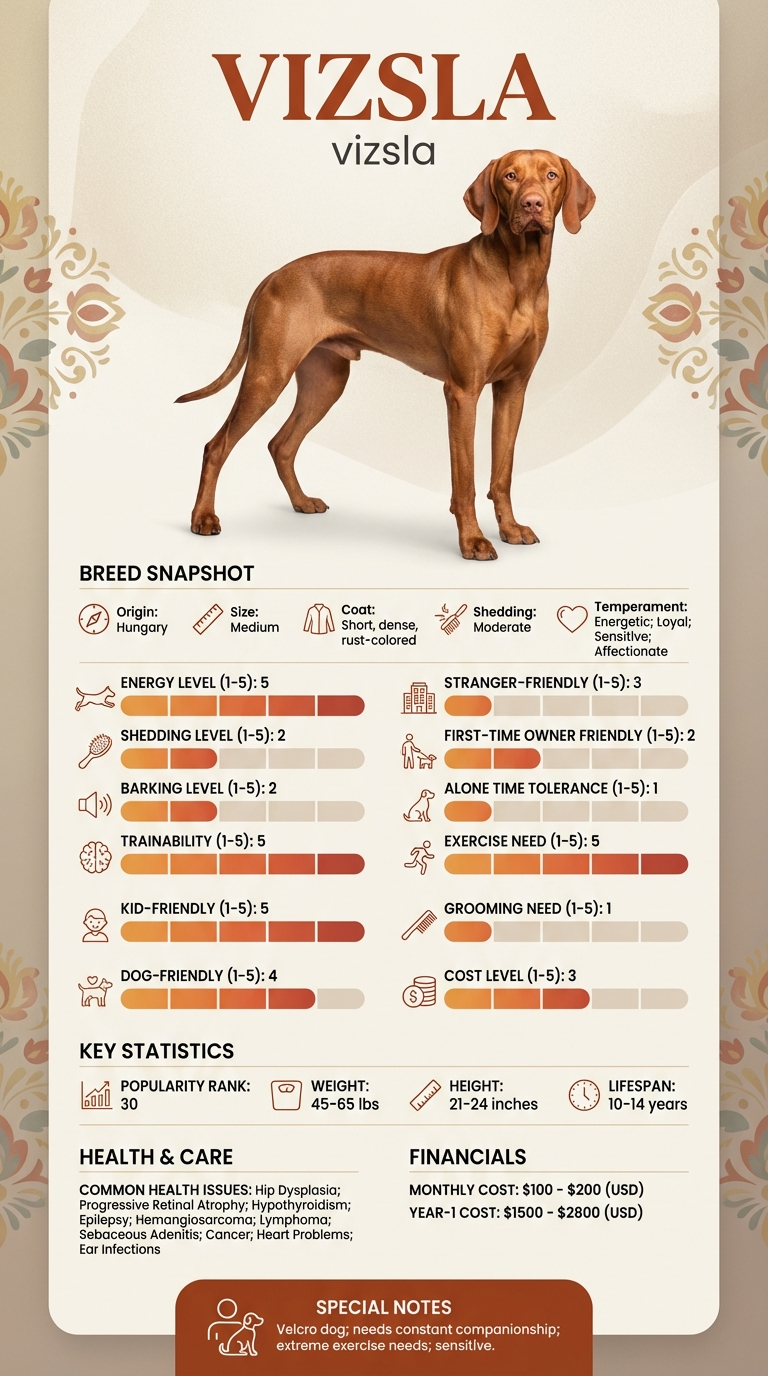
Vizslas are medium-sized dogs with short, dense coats that don’t insulate well against heat. Their high energy levels mean they often overexert themselves in warm weather, increasing their risk of overheating. Additionally, their sensitive nature can make them more susceptible to heat stress.
Heat sensitivity can also be exacerbated by environmental factors like humidity, lack of shade, or inadequate hydration. Urban settings with hot asphalt and limited access to cool areas can worsen their discomfort. If they are kept indoors without proper ventilation, their heat tolerance can suffer significantly.
If your Vizsla shows ongoing signs of heat sensitivity despite your efforts, consider consulting a dog trainer. A professional can help with behavior modifications and training strategies to reduce heat-related stress.
If you notice symptoms like excessive panting, lethargy, or vomiting during hot weather, contact your vet immediately. It's crucial to rule out heatstroke or other health issues, especially since Vizslas can be prone to various health conditions.
You can expect to see improvements in your Vizsla's heat sensitivity within a few weeks of implementing changes. Consistent training and conditioning over 3-6 months can lead to better tolerance.
Success means your Vizsla can enjoy outdoor activities during warmer days without excessive panting or stress. You'll notice your dog is more comfortable and less anxious in the heat.
Avoiding common pitfalls can help manage Vizsla heat sensitivity. Here are some mistakes to watch out for, along with safer alternatives.
Understanding when Vizsla heat sensitivity is an emergency can save your dog's life. Red-flag signs indicate that immediate veterinary attention is necessary. If your Vizsla exhibits severe panting, drooling, or appears lethargic and disoriented, these are critical signals. Additionally, if your dog collapses or has difficulty breathing, you should call your vet right away.
On the other hand, if your Vizsla shows mild heat sensitivity, such as slight panting or reluctance to exercise, you can monitor the situation. Provide plenty of water and shade, and keep your dog in a cool environment. Watch for changes in their behavior. If they recover quickly after cooling down, there's less cause for concern.
It's essential to have a plan in place to manage your Vizsla's heat sensitivity. Knowing when to act quickly versus when to observe can make all the difference in keeping your furry friend safe and happy.
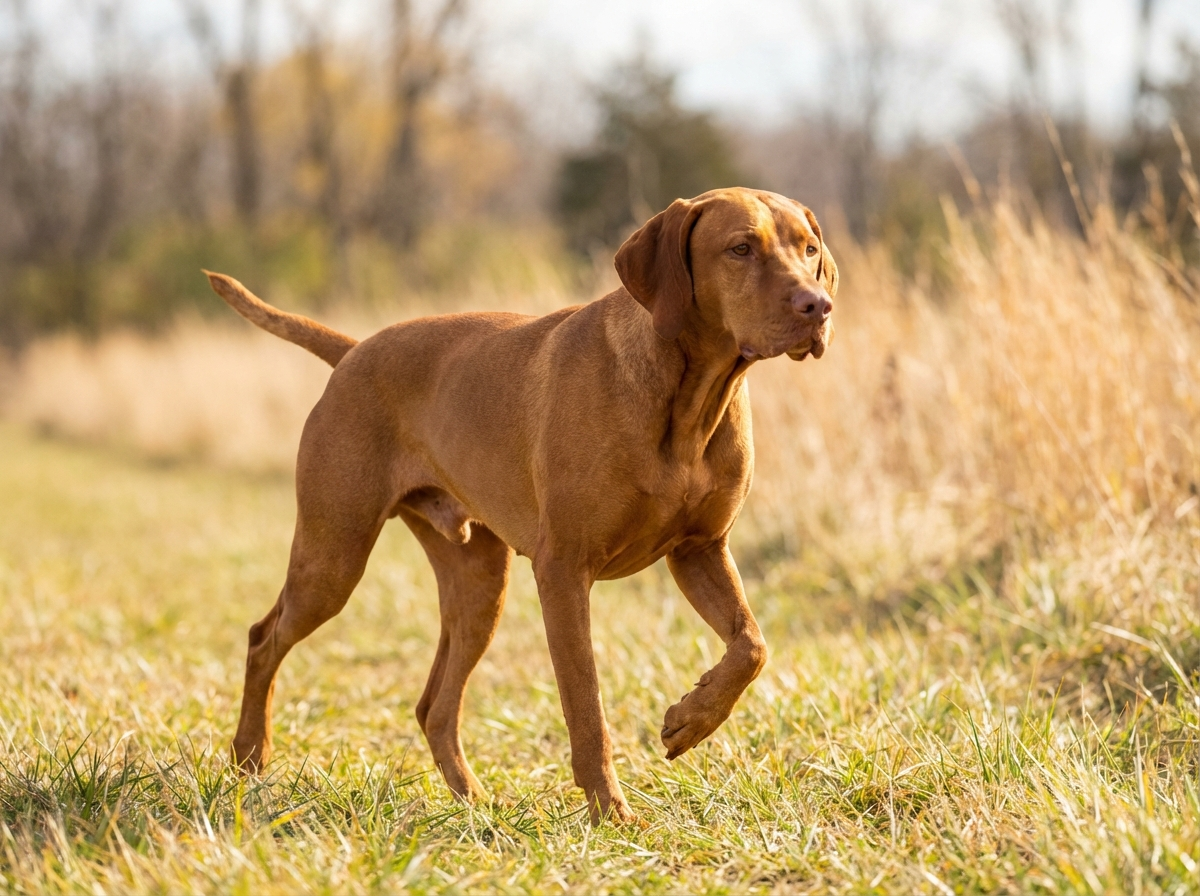
Maria, a busy nurse living in Florida, noticed her Vizsla, Max, was panting heavily after just a short walk in the summer heat. Concerned about heatstroke, she started researching how to stop Vizsla heat sensitivity. She learned to take walks early in the morning and late in the evening when temperatures were cooler and began training Max to relax in shaded areas. After a few months of gradual exposure to warmer weather and consistent training, Max became more comfortable outside, enjoying playtime without excessive anxiety.
Key takeaway: With proper training and adjustments to your routine, you can help your Vizsla manage heat sensitivity effectively.
Vizslas are sensitive to heat due to their short coat and high energy levels. They can easily overheat, especially during intense exercise. It's important to monitor their activity and keep them cool in hot weather.
To manage Vizsla heat sensitivity, limit outdoor activities during peak heat hours and provide plenty of water. You can also create a cool resting area indoors with fans or air conditioning. Training them to recognize signs of overheating can help too.
Signs of heatstroke in a Vizsla include excessive panting, drooling, weakness, or confusion. If you notice these symptoms, get your dog to a cool place and contact your vet immediately. Timely intervention is crucial.
Exercising your Vizsla in hot weather can be risky. Try to schedule walks and playtime in the early morning or late evening when temperatures are cooler. Always carry water and take breaks to cool down.
Yes, training can help manage heat sensitivity. Teach your Vizsla commands like 'cool down' to encourage them to take breaks. Gradually expose them to warmer temperatures while closely monitoring their comfort.
Signs of heat sensitivity in a Vizsla include excessive panting, drooling, restlessness, and seeking shade. If your Vizsla is lethargic or refuses to play during hot weather, these can also be warning signs. Always monitor their behavior closely during warm days.
Older Vizslas may struggle more with heat sensitivity due to age-related health issues. Ensure they have access to cool areas, provide plenty of water, and reduce exercise during peak temperatures. It’s wise to consult your vet for tailored advice.
Prolonged exposure to heat can lead to serious conditions like heatstroke, which can cause organ damage. If your Vizsla frequently shows heat sensitivity, it's essential to take preventive measures and discuss any concerns with your veterinarian.
Vizslas have short coats and are built for endurance rather than heat tolerance, making them more sensitive. Their high-energy nature can also lead them to overexert themselves in hot conditions. Adjusting their activity levels can help manage this sensitivity.
To manage Vizsla heat sensitivity, keep them indoors during peak heat, provide plenty of fresh water, and plan walks during cooler times of the day. You can also use cooling vests to help regulate their body temperature.
Keep your Vizsla hydrated and avoid outdoor activities during peak heat. Provide a cool, shaded area for them to rest.
Look for signs like excessive panting, drooling, or lethargy. If you notice these, bring them to a cooler spot immediately.
Move your Vizsla to a cooler area, provide water, and apply cool towels to their body. If symptoms persist, contact your veterinarian.
Yes, cooling vests and mats can help regulate your Vizsla's body temperature. Just ensure they have access to water and shade.