Health
What are quick tips for managing Vizsla glaucoma?
Regular veterinary check-ups and monitoring your dog's eyes for any changes are key. Ensure your Vizsla is not exposed to bright lights and provide a safe environment to prevent accidents.

Quick answer
What are quick tips for managing Vizsla glaucoma?
Regular veterinary check-ups and monitoring your dog's eyes for any changes are key. Ensure your Vizsla is not exposed to bright lights and provide a safe environment to prevent accidents.
Vizsla glaucoma is a serious condition that can lead to vision loss. Recognizing the signs early can make a big difference in your dog's health.
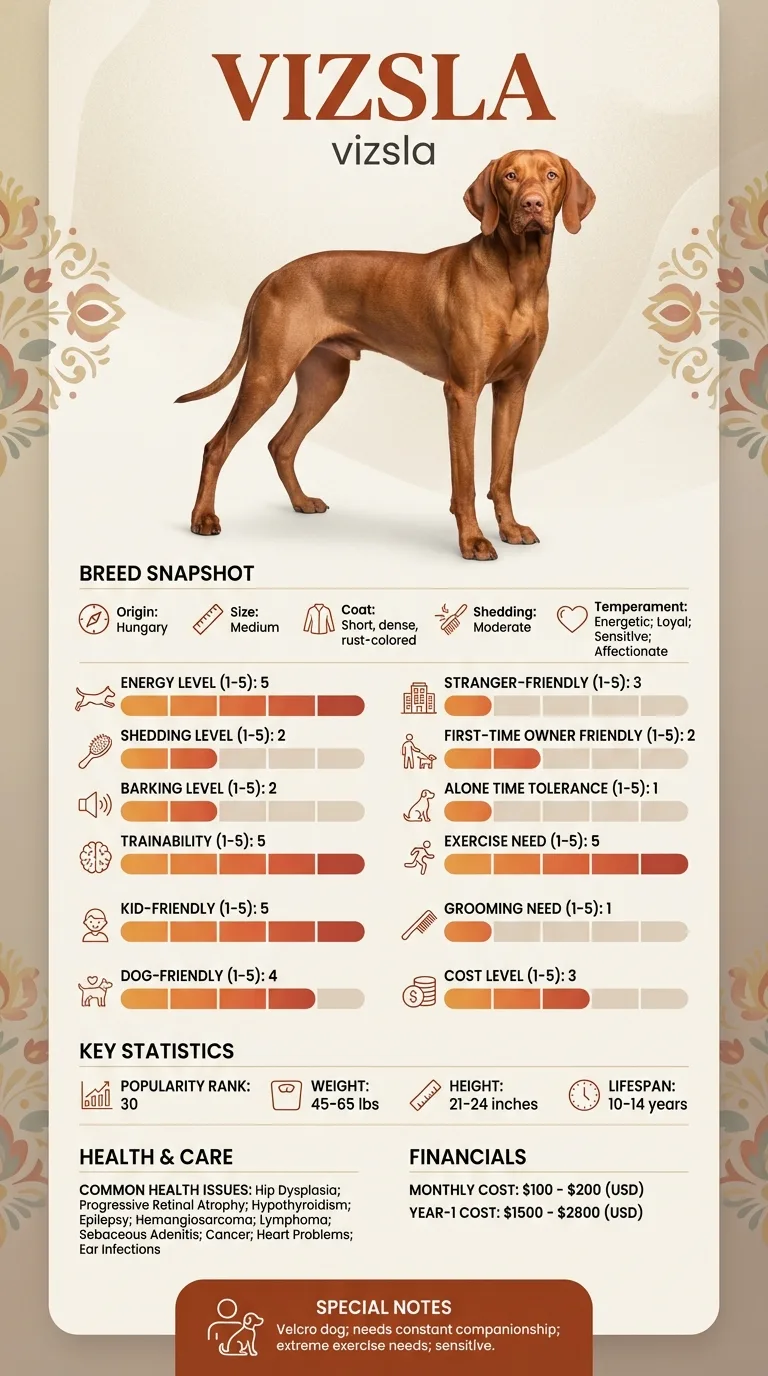
Owners of Vizslas who notice unusual behavior, such as squinting or excessive tearing, often struggle with understanding this condition. If your dog seems disoriented or is avoiding bright lights, it might be time to investigate the possibility of glaucoma.
This guide is not medical advice. If your dog shows pain, sudden behavior change, or worsening symptoms, consult a licensed veterinarian.
Some links may be affiliate links. We may earn a commission at no extra cost to you. We only suggest products we believe are helpful for dog owners.
We research and check what we publish, but we do not warrant that any figure, date, price, or statement is accurate, complete, or current, and we accept no liability for any loss, cost, injury, or other harm arising from the use of this site. Use it as one reference among several. You remain responsible for your own decisions and for your dog's care - confirm anything that matters with a licensed veterinarian or another qualified professional before you act on it. Full disclaimer.
Check this first
Recognizing when Vizsla glaucoma becomes an emergency is crucial for your dog's health. If you notice any red-flag symptoms, such as sudden vision loss, severe eye pain, or a visibly swollen eye, contact your vet immediately. These signs indicate a critical situation that requires prompt veterinary intervention to prevent irreversible damage to your dog's sight.
On the other hand, if your Vizsla shows mild symptoms like slight squinting, light sensitivity, or occasional redness, you can monitor them at home. Make a plan to observe these signs over a few days, but be prepared to seek help if the symptoms worsen. Keeping a close eye on your dog’s behavior can help you determine the right course of action without unnecessary panic.
In summary, here are the key signs for both scenarios: - Emergency Signs: Sudden vision loss, severe eye pain, swollen eye. - Mild Symptoms: Slight squinting, light sensitivity, occasional redness.
If any of these apply, call your vet or an emergency clinic now. The rest of this page is for the cases that are not an emergency.
Vizsla glaucoma is a serious eye condition that can lead to vision loss. It often manifests as excessive tearing, redness, and squinting. Daily life with a Vizsla suffering from glaucoma may involve noticeable discomfort and behavioral changes due to the pain and pressure in the eyes.
Glaucoma is relatively common in Vizslas compared to other breeds, particularly as they age. Regular check-ups can help identify the signs early.
Vizslas can be predisposed to glaucoma due to their overall eye health. Certain genetic factors may make them more vulnerable to eye pressure issues, leading to glaucoma. This can be particularly true if they have a family history of eye problems.
Environmental factors such as trauma to the eye, excessive sun exposure, or underlying health issues can also contribute to glaucoma. If your Vizsla has had recent eye injuries or is exposed to extreme heat, the risk may increase.
If you suspect your Vizsla has glaucoma or if you notice symptoms like excessive squinting, tearing, or a cloudy appearance in their eyes, consult your vet immediately. Early intervention is vital to prevent serious complications.
Avoiding common pitfalls can help manage Vizsla glaucoma effectively. Here are some mistakes to steer clear of.
Start here: Vizsla Most Common Genetic Disorders: What to Screen For
See all Vizsla health problems, which breeds are prone to glaucoma, or the full Vizsla breed guide for temperament, exercise needs and ownership costs.
Addressing Vizsla glaucoma typically takes several weeks to months of consistent care, care, and veterinary support.
Success means managing your Vizsla's eye health effectively, minimizing discomfort, and maintaining their quality of life.
When Sarah adopted Daisy, her playful Vizsla, she noticed Daisy squinting and rubbing her eyes frequently. After a vet visit, they discovered Daisy had early-stage glaucoma. Determined to help her pup, Sarah learned how to manage the condition. She followed a strict schedule for medication and incorporated gentle training exercises to keep Daisy active without straining her eyes. Over time, Daisy became more comfortable and her eye pressure stabilized.
Key takeaway: Early detection and consistent care can significantly improve your Vizsla's quality of life with glaucoma.
Vizslas can develop glaucoma due to genetic predisposition, eye injuries, or underlying health issues. This eye condition leads to increased pressure in the eye, which can cause severe pain and vision loss. Regular vet check-ups are crucial for early detection.
Signs of glaucoma in your Vizsla include redness in the eye, excessive tearing, sensitivity to light, and behavioral changes like reluctance to move. If you notice these symptoms, it's essential to consult your veterinarian immediately for a proper diagnosis.
Treatment for glaucoma in Vizslas typically includes medications to reduce eye pressure and prevent further damage. In severe cases, surgery may be necessary. Always discuss the best options with your veterinarian to ensure your dog's health.
While you can't completely prevent glaucoma, regular eye exams can help catch early signs. Maintaining your Vizsla's overall health and addressing any eye injuries promptly can also reduce risks. Always monitor changes in behavior or eye appearance.
Glaucoma can significantly impact your Vizsla's quality of life if left untreated. Symptoms can lead to pain and discomfort, affecting their daily activities. With appropriate treatment, many dogs can continue to lead happy and fulfilling lives.
Glaucoma in a Vizsla can result from genetic factors, eye injuries, or underlying health issues. The increased pressure in the eye can damage the optic nerve, leading to vision loss. Regular vet check-ups can help catch these problems early.
Yes, glaucoma can be hereditary in Vizslas. If you have a family history of eye problems in this breed, it's wise to monitor your dog closely for any signs of eye distress. Responsible breeding practices can help reduce the risk of hereditary conditions.
Yes, older Vizslas can develop glaucoma as age-related changes can affect eye health. Regular veterinary check-ups become increasingly important as your dog ages. Early intervention can help manage the condition effectively.
Regular veterinary check-ups and monitoring your dog's eyes for any changes are key. Ensure your Vizsla is not exposed to bright lights and provide a safe environment to prevent accidents.
Treatment costs for Vizsla glaucoma can vary widely, ranging from $300 to over $2,000 depending on the severity and required procedures. It's best to discuss potential costs with your vet.
If you suspect your Vizsla is experiencing eye pain, contact your veterinarian immediately. Early intervention can prevent serious complications, including vision loss.
Training can help your Vizsla adjust to any changes in vision. Positive reinforcement techniques can help them navigate their environment safely and confidently.
A one-page prep sheet for this condition: the signs, the questions to ask, what to get priced. Unlocks here.
You get: Vet visit prep sheet
No spam. One-click unsubscribe. See our privacy policy.
See a sample page before you decide.
Early access list
The free prep sheet covers the same-day warning signs, a symptom log and the questions to ask. We are considering a fuller kit that adds a cost worksheet for the usual tests and treatments (US price ranges with their sources) and a plain-English guide to ways of covering the bill. It is not built yet; this list tells us whether it is worth building.
One email, no spam, unsubscribe anytime. Information only, not veterinary advice.