DogBreedCompass
← Back to breed profile

Understanding Siberian Husky Schnauzer Comedo Syndrome

Siberian Husky schnauzer comedo syndrome is a skin condition that can cause discomfort for your dog. It's important to recognize the signs early.

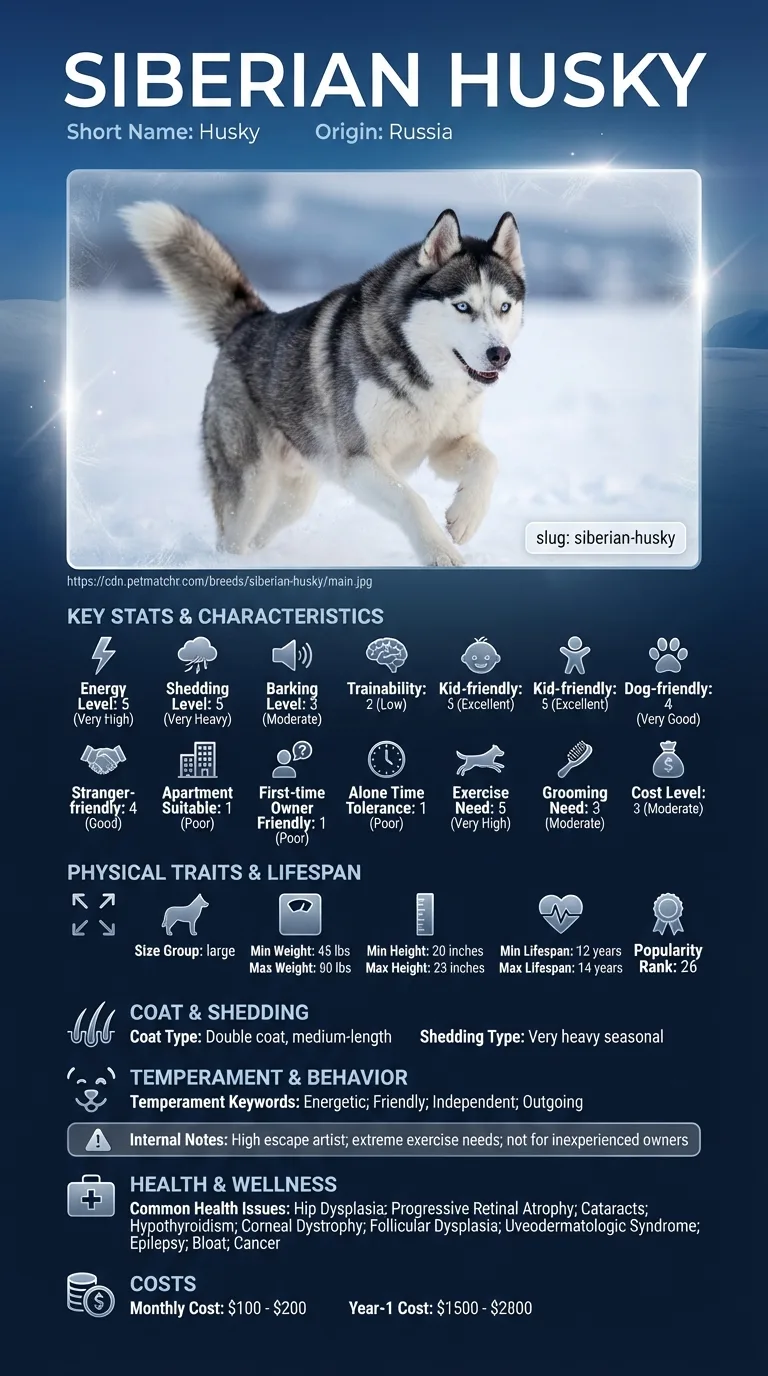
Understanding Siberian Husky Schnauzer Comedo Syndrome infographic

Typically, dog owners with Siberian Huskies experience this issue, especially those who may not recognize the early symptoms. First-time owners or those unfamiliar with skin conditions may find it particularly overwhelming.

Important reminder

This guide is not medical advice. If your dog shows pain, sudden behavior change, or worsening symptoms, consult a licensed veterinarian.

Some links may be affiliate links. We may earn a commission at no extra cost to you. We only suggest products we believe are helpful for dog owners.

What this problem looks like

Siberian Husky schnauzer comedo syndrome is a skin condition that can lead to blackheads and lesions on your dog's skin, particularly on their back and abdomen. This problem is usually noticeable when the skin becomes irritated, which may cause discomfort for your dog. Daily grooming and monitoring can help, but it often requires more attention than typical skin issues.

Common triggers

  • Poor grooming habits leading to skin irritation
  • Allergies to certain foods or environmental factors
  • Hormonal imbalances or underlying health issues

Siberian Husky schnauzer comedo syndrome is relatively common among Huskies, particularly those with a genetic predisposition. While not every Husky will develop this issue, owners should be aware and proactive in addressing skin health.

Why this happens

Breed factors

Siberian Husky schnauzer comedo syndrome is often linked to genetics. This breed combination can lead to skin conditions due to their unique coat types. The double coat of a Siberian Husky may not shed properly, leading to clogged hair follicles.

Environment factors

Environmental factors also play a role. Poor grooming habits can contribute to skin issues. Additionally, allergens in the environment or an unbalanced diet may exacerbate the condition.

What you can try

At-home strategies

  • Regular grooming is essential. Brush your Husky at least twice a week to remove loose fur and prevent follicle clogging.
  • Maintain a balanced diet. Use high-quality dog food that meets their nutritional needs to support healthy skin.
  • Monitor for allergies. Keep an eye out for signs of skin irritation and consult your vet about potential allergens.

When to consider a trainer

If your Husky shows signs of anxiety or stress due to their skin condition, consider consulting a dog trainer. They can help implement training strategies to ease anxiety.

When to talk to your vet

If grooming and diet adjustments don't improve the symptoms, it's time to talk to a vet. They may recommend specific treatments or medications to manage the condition.

Realistic expectations

You can expect to see improvements in your Siberian Husky's schnauzer comedo syndrome within 4 to 6 weeks of implementing a consistent care routine. Regular grooming and dietary adjustments are crucial during this time.

Success means your Husky's skin condition is under control, with fewer visible bumps and less discomfort. You'll notice a healthier coat and more overall comfort for your furry friend.

Mistakes that make this worse

Avoiding certain behaviors can greatly improve your Siberian Husky's schnauzer comedo syndrome. Here are some common mistakes and safer alternatives.

  • Neglecting regular grooming: Failing to groom your Husky often can lead to a buildup of oils and dirt, worsening skin conditions. Regular brushing helps keep the coat clean and reduces irritation.
  • Using harsh shampoos: Some owners mistakenly use human shampoos that can irritate the skin. Always choose a gentle, dog-specific shampoo to maintain healthy skin.
  • Ignoring skin irritations: When you notice bumps or irritation, some owners might wait it out, thinking it will resolve itself. Instead, consult your vet promptly to prevent worsening of the condition.
  • Overbathing: Bathing your Husky too frequently can strip natural oils from their skin. Stick to a bathing schedule of every 4-6 weeks unless directed otherwise by a vet.
  • Inconsistent treatment: Some owners may start a treatment but stop midway when they see improvement. It's crucial to follow through with the complete treatment plan to ensure lasting results.
  • Not providing a balanced diet: Feeding low-quality food can affect your Husky's skin health. Invest in a high-quality diet that supports skin and coat health.
  • Failing to manage stress: Stress can exacerbate skin conditions. Create a calm environment and provide mental stimulation to keep your Husky relaxed.

When Siberian Husky Schnauzer Comedo Syndrome is an Emergency

Siberian Husky Schnauzer Comedo Syndrome can be concerning, but knowing when to act quickly is crucial. If your Husky shows severe symptoms like excessive swelling, bleeding, or open sores, it's time to call your vet immediately. These signs could indicate a serious infection or an adverse reaction that requires prompt treatment.

On the other hand, if your dog has mild symptoms such as occasional bumps or localized irritation, you can monitor the condition at home. Keep track of any changes and maintain a consistent grooming routine to help manage the skin condition. Regular baths with vet-recommended shampoos can also be beneficial.

Use this guide to differentiate between emergency situations and cases that can be watched. If in doubt, it's always better to err on the side of caution and consult a professional.

Understanding Siberian Husky Schnauzer Comedo Syndrome - When Siberian Husky Schnauzer Comedo Syndrome is an Emergency

Overcoming Comedo Syndrome: Mia's Journey with Max

Mia, a first-time dog owner, was worried when she noticed her Siberian Husky, Max, developing small bumps on his skin. After some online research, she learned about Siberian Husky schnauzer comedo syndrome and realized it was a common issue. Determined to help Max, Mia started a regimen of regular grooming and switched his diet to higher-quality dog food. Within weeks, the bumps started to clear up, and Max seemed much more comfortable. Mia also found a local vet who provided additional tips for skin care, making her feel more confident in her dog's health.

Key takeaway: With the right care and attention, you can effectively manage your Siberian Husky's schnauzer comedo syndrome, leading to a happier and healthier dog.

Frequently asked questions

Why does my Siberian Husky have schnauzer comedo syndrome?

Siberian Husky schnauzer comedo syndrome is a skin condition that can occur due to genetics, poor grooming, or an underlying health issue. The condition leads to clogged hair follicles and skin irritation. If you notice bumps or hair loss, consult your vet for a proper diagnosis and treatment plan.

How can I stop Siberian Husky schnauzer comedo syndrome?

To manage Siberian Husky schnauzer comedo syndrome, maintain a regular grooming schedule. This includes brushing your Husky's coat to prevent matting and reduce oil buildup. Additionally, consider a vet-recommended shampoo to keep the skin clean and consult with a vet about specific treatments.

What are the signs of schnauzer comedo syndrome in Huskies?

Signs of schnauzer comedo syndrome include blackheads, bumps, and hair loss on the skin. You may also see itching or redness in the affected areas. Regularly check your dog’s skin, especially in areas prone to oil buildup.

Can schnauzer comedo syndrome be treated at home?

Mild cases of Siberian Husky schnauzer comedo syndrome may be managed at home with proper grooming and skin care. However, for severe cases, it's best to seek veterinary care to avoid complications. Your vet can provide the right treatment plan tailored to your dog’s needs.

Is schnauzer comedo syndrome common in Huskies?

While schnauzer comedo syndrome is more common in certain breeds, Siberian Huskies can be affected as well. It is important to be aware of your dog's grooming needs and skin health. Regular check-ups with a vet can help catch issues early.

What causes Schnauzer Comedo Syndrome in Siberian Huskies?

Schnauzer Comedo Syndrome is caused by a genetic predisposition that affects the hair follicles. This can lead to clogged pores and hair loss, particularly in dogs with dense coats like the Siberian Husky. Environmental factors, such as allergens or poor grooming practices, can also contribute.

How can I tell if my Siberian Husky has Schnauzer Comedo Syndrome?

Look for signs like hair loss, blackheads, or bumps on the skin. If your Husky is scratching or showing signs of discomfort, it may indicate an underlying issue like Schnauzer Comedo Syndrome. A vet can provide a definitive diagnosis.

Is Schnauzer Comedo Syndrome common in older Siberian Huskies?

While Schnauzer Comedo Syndrome can affect dogs of any age, it may be more noticeable in older Siberian Huskies due to changes in skin health. Regular grooming and skin checks can help catch any issues early, especially as your dog ages.

Can I manage Schnauzer Comedo Syndrome at home?

Some management strategies can be done at home, such as regular grooming to remove dead hair and prevent clogged follicles. However, it's best to consult your vet for a tailored plan that may include special shampoos or treatments.

When should I take my Siberian Husky to the vet for Schnauzer Comedo Syndrome?

If you notice persistent skin issues, such as excessive scratching, inflammation, or worsening hair loss, it's time to see the vet. Early intervention can prevent further complications and help maintain your dog's comfort.

Quick answers

View more answers
Behavior

What are quick tips for Siberian Husky schnauzer comedo syndrome?

Regular grooming, using a vet-approved shampoo, and monitoring skin condition can help manage schnauzer comedo syndrome. Schedule routine vet visits to ensure your dog's skin health.

Living

How often should I groom my Husky with schnauzer comedo syndrome?

Aim to groom your Siberian Husky at least once a week to remove excess oil and dirt. More frequent grooming may be necessary if you notice skin issues.

Health

Can diet affect schnauzer comedo syndrome in my Husky?

Yes, a poor diet can contribute to skin issues. Ensure your Husky is on a balanced diet rich in fatty acids to promote healthy skin.

Health

What should I do if my Husky's condition worsens?

If your Siberian Husky’s symptoms worsen or new symptoms appear, contact your vet immediately for further evaluation. Early intervention is key to managing skin conditions.

Related DogBreedCompass guides

  • Common health issues for Siberian HuskiesLearn more about the common health issues that can affect Siberian Huskies.
  • Siberian Husky behavior problemsDiscover effective training strategies to help manage Siberian Husky behavior problems.
  • Siberian Husky cost breakdownUnderstand the costs of owning a Siberian Husky to better prepare for expenses.
  • Siberian Husky separation anxiety guideFind tips for dealing with separation anxiety in Siberian Huskies.
  • Grooming tips for Siberian HuskiesExplore the grooming needs of Siberian Huskies to help manage their coat.

Related guides