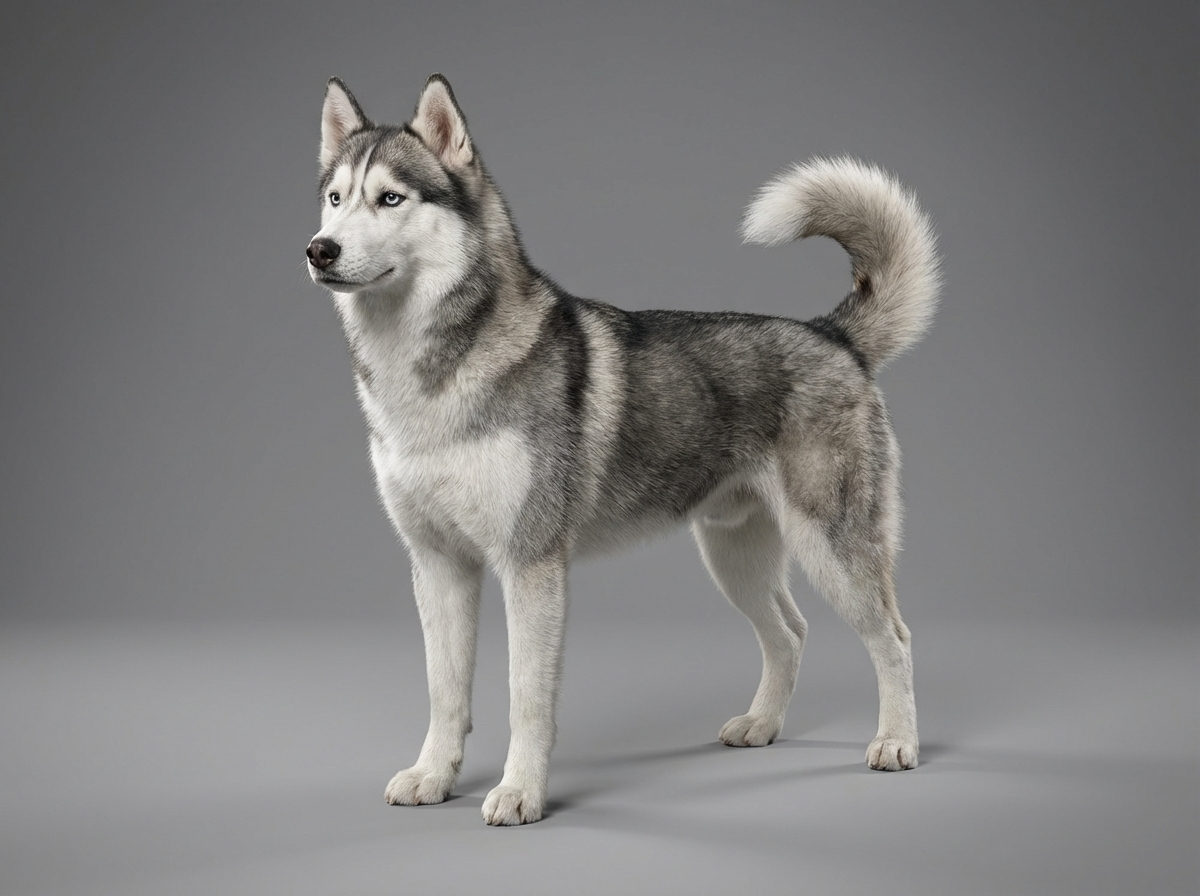
Health
What are quick tips for Siberian Husky heart conditions?
Regular vet check-ups, a balanced diet, and controlled exercise are key to managing heart health. Always watch for symptoms like coughing or fatigue.

Quick answer
What are quick tips for Siberian Husky heart conditions?
Regular vet check-ups, a balanced diet, and controlled exercise are key to managing heart health. Always watch for symptoms like coughing or fatigue.
Siberian Husky heart conditions can be serious and worrying for owners. These conditions often lead to significant health issues.
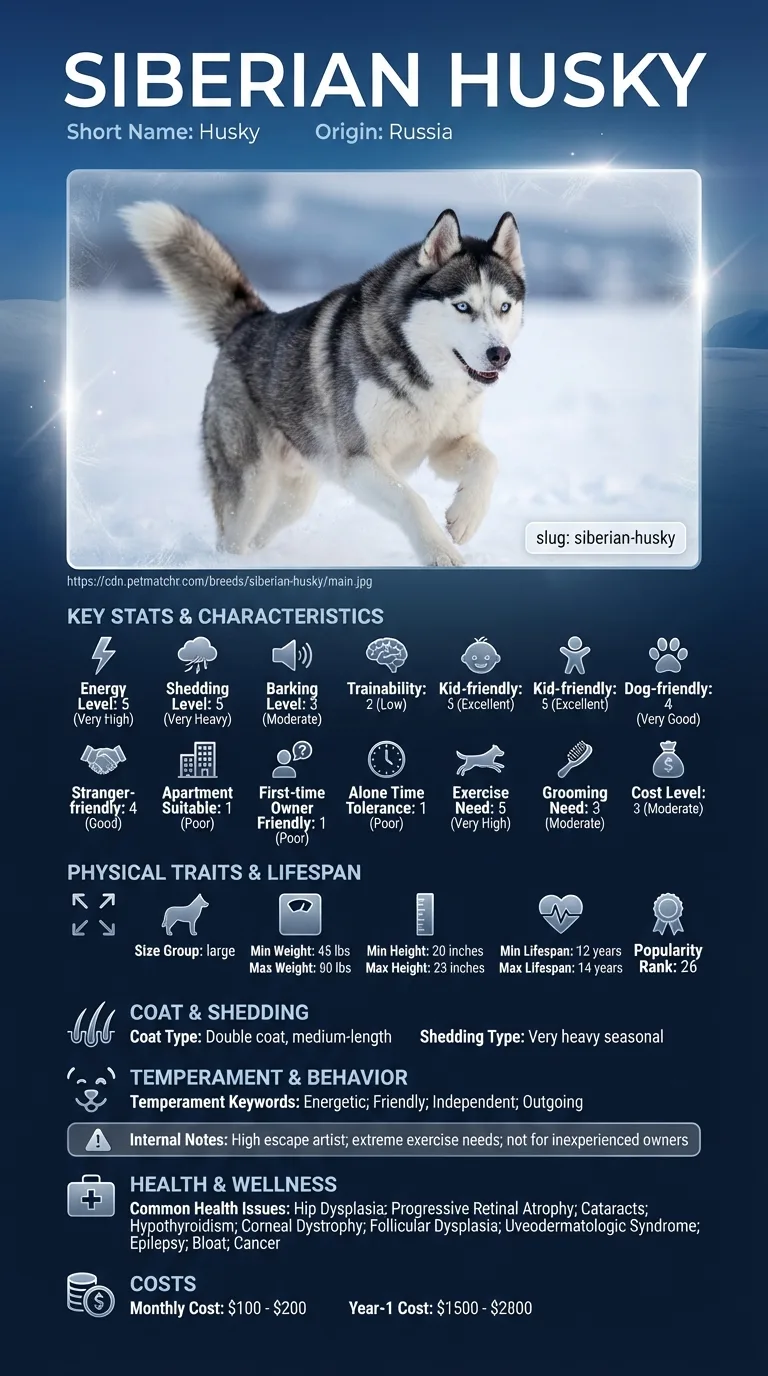
This issue typically affects Husky owners who may not be aware of the common heart problems that can arise in this breed. First-time dog owners and busy families might struggle the most, as they may not recognize the symptoms until it's too late.
This guide is not medical advice. If your dog shows pain, sudden behavior change, or worsening symptoms, consult a licensed veterinarian.
Some links may be affiliate links. We may earn a commission at no extra cost to you. We only suggest products we believe are helpful for dog owners.
We research and check what we publish, but we do not warrant that any figure, date, price, or statement is accurate, complete, or current, and we accept no liability for any loss, cost, injury, or other harm arising from the use of this site. Use it as one reference among several. You remain responsible for your own decisions and for your dog's care - confirm anything that matters with a licensed veterinarian or another qualified professional before you act on it. Full disclaimer.
Check this first
Recognizing when your Siberian Husky's heart condition is an emergency can be crucial. If you notice severe symptoms like rapid breathing, fainting, or extreme lethargy, it's time to call your vet immediately. Other red flags include persistent coughing, swelling in the abdomen, or signs of distress. These symptoms can indicate serious issues that require prompt medical attention.
On the other hand, if your Husky shows mild symptoms like occasional coughing or slight fatigue during play, you may not need to panic. Monitoring your dog's condition with a vet's guidance can be a good approach. Keep a close eye on their behavior and report any changes to your vet, especially if symptoms persist or worsen. It’s important to have a plan for regular check-ups and to follow any treatment suggestions from your vet.
In summary, immediate action is necessary for severe symptoms, while mild cases can often be managed with observation and veterinary advice.
If any of these apply, call your vet or an emergency clinic now. The rest of this page is for the cases that are not an emergency.
Siberian Husky heart conditions can manifest as breathing difficulties, lethargy, and an inability to exercise normally. These issues may arise from genetic predispositions or other health problems. As active dogs, Huskies may mask symptoms, making it crucial for owners to stay vigilant.
Heart conditions are a significant concern for Siberian Huskies, particularly as they age. While not every Husky will experience these issues, it's prevalent enough that owners should be aware of the symptoms and consult a vet regularly.
Siberian Huskies can be prone to certain heart conditions due to genetic factors. Conditions such as dilated cardiomyopathy are known to occur more frequently in this breed. Their energetic nature might also lead to heart strain if they are not exercised properly.
Environmental influences like diet and stress can impact heart health. Overweight Huskies face a higher risk of heart problems, especially if they are not getting enough exercise. Additionally, a noisy or chaotic living environment can contribute to stress, which may exacerbate heart issues.
Consult your vet if you notice any signs of heart problems, such as coughing, fatigue, or difficulty breathing. Regular check-ups are important to catch any potential heart conditions early.
Many owners unknowingly reinforce issues that can worsen heart conditions in Siberian Huskies. Here are some common mistakes to avoid, along with safer alternatives.
Start here: Siberian Husky Most Common Genetic Disorders: Screening
See all Siberian Husky health problems, which breeds are prone to heart conditions, or the full Siberian Husky breed guide for temperament, exercise needs and ownership costs.
It often takes several weeks to months to manage Siberian Husky heart conditions effectively. Regular vet visits, medication adjustments, and lifestyle changes are crucial.
Success means your Husky shows improved energy levels, better breathing, and overall well-being. You’ll notice a more active and happy pet who enjoys daily activities.
Olivia, a busy nurse in Seattle, adopted Max, a lively Siberian Husky. Soon after bringing him home, she noticed he struggled to keep up during walks and often seemed tired. After consulting a vet, Olivia learned that Max had a heart condition requiring careful management. With a combination of medication, a tailored exercise plan, and regular vet check-ups, Max's health gradually improved. Over time, he regained his playful spirit, and Olivia enjoyed long hikes with him again.
Key takeaway: Managing Siberian Husky heart conditions requires patience and dedication, but with the right care, your dog can lead a fulfilling life.
Siberian Huskies can develop heart conditions due to genetic predispositions or underlying health issues. Regular vet check-ups can help identify these problems early. A balanced diet and appropriate exercise can also play a role in maintaining heart health.
Common signs include coughing, lethargy, difficulty breathing, and a reduced tolerance for exercise. If you notice these symptoms, it's vital to consult your veterinarian. Early detection can make a significant difference in management.
To help prevent heart conditions, ensure your Husky has a healthy diet, regular exercise, and maintains a healthy weight. Routine veterinary check-ups are essential for monitoring heart health. Avoid over-exertion, especially in hot weather.
Treatment options vary depending on the specific condition but may include medications, dietary changes, and in some cases, surgery. Always follow your vet's recommendations for the best approach. Consistent monitoring is crucial for managing your dog's health.
While training alone won't cure heart conditions, it can promote a healthy lifestyle. Engaging your Husky in low-impact training can help maintain fitness without over-stressing their heart. Consult your vet for tailored exercise recommendations.
If your older Siberian Husky shows symptoms like coughing, fatigue, or difficulty breathing, it's crucial to consult a vet immediately. Early detection can lead to better management of Siberian Husky heart conditions and improve their quality of life.
Yes, Siberian Huskies can inherit certain heart conditions from their parents. It's important to ask breeders about the health history of the puppy's lineage to understand potential risks.
Common signs of heart conditions in Siberian Huskies include excessive panting, lethargy, and swelling in the abdomen. If you notice these behaviors, seek veterinary advice as soon as possible.
To manage your Siberian Husky's heart condition, ensure they have a balanced diet tailored for heart health and moderate exercise as recommended by your vet. Regular check-ups are also key to monitoring their condition.
Training a Siberian Husky with heart conditions should focus on gentle, low-impact activities. Positive reinforcement techniques can help keep them engaged without overexerting them, reducing stress on their heart.
Regular vet check-ups, a balanced diet, and controlled exercise are key to managing heart health. Always watch for symptoms like coughing or fatigue.
Provide measured portions of high-quality dog food and limit treats. Regular exercise is also crucial in maintaining a healthy weight.
Avoid excessive heat and stress, and ensure they have a calm environment. A consistent routine can help reduce anxiety, which benefits heart health.
A one-page prep sheet for this condition: the signs, the questions to ask, what to get priced. Unlocks here.
You get: Vet visit prep sheet
No spam. One-click unsubscribe. See our privacy policy.
Preview page 1 before you decide.