What are quick tips for managing Siberian Husky brachycephalic airway syndrome (boas)?
Keep your Husky cool, limit exercise during heat, and ensure they maintain a healthy weight. Regular vet visits are essential for monitoring their condition.
Siberian Husky brachycephalic airway syndrome (BOAS) is a serious condition affecting their breathing, especially in hot weather.
Owners of Siberian Huskies, particularly those living in warmer climates or who enjoy outdoor activities, often face challenges managing this condition. New owners may be especially unprepared for the symptoms and needs that come with BOAS.
Important reminder
This guide is not medical advice. If your dog shows pain, sudden behavior change, or worsening symptoms, consult a licensed veterinarian.
Some links may be affiliate links. We may earn a commission at no extra cost to you. We only suggest products we believe are helpful for dog owners.
We research and check what we publish, but we do not warrant that any figure, date, price, or statement is accurate, complete, or current, and we accept no liability for any loss, cost, injury, or other harm arising from the use of this site. Use it as one reference among several. You remain responsible for your own decisions and for your dog's care - confirm anything that matters with a licensed veterinarian or another qualified professional before you act on it. Full disclaimer.
Check this first
When Siberian Husky Brachycephalic Airway Syndrome (BOAS) is an Emergency
You should call your vet immediately if your Siberian Husky shows any of these red-flag signs:
- Severe breathing difficulties, such as gasping or wheezing.
- Gums turning blue or pale, indicating oxygen deprivation.
- Excessive panting or drooling, especially in cool environments.
- Signs of distress, such as restlessness or collapse.
These symptoms can escalate quickly and require immediate medical attention.
On the other hand, if your Husky exhibits mild signs like occasional snoring or slight coughing, you can monitor them at home. Keeping track of their breathing patterns and activity levels is important. If symptoms worsen or persist, consult your vet for further advice.
Having a plan can help you feel more prepared. Ensure your Husky stays cool and avoid strenuous activities on hot days. Regular vet check-ups can also help manage BOAS symptoms effectively.
If any of these apply, call your vet or an emergency clinic now. The rest of this page is for the cases that are not an emergency.
What this problem looks like
Siberian Husky brachycephalic airway syndrome (boas) can lead to significant breathing difficulties. This condition often manifests as noisy breathing, snoring, or trouble during exercise. Owners might notice their Husky struggling to catch their breath, especially in hot weather, which can be concerning.
Common triggers
Heat and humidity
Excitement or vigorous exercise
Obesity or weight gain
Nasal obstructions or infections
Brachycephalic airway syndrome is relatively common in Siberian Huskies, particularly those that may have physical traits that predispose them to breathing issues. While not all Huskies will experience severe symptoms, awareness and early intervention are crucial.
Why this happens
Breed factors
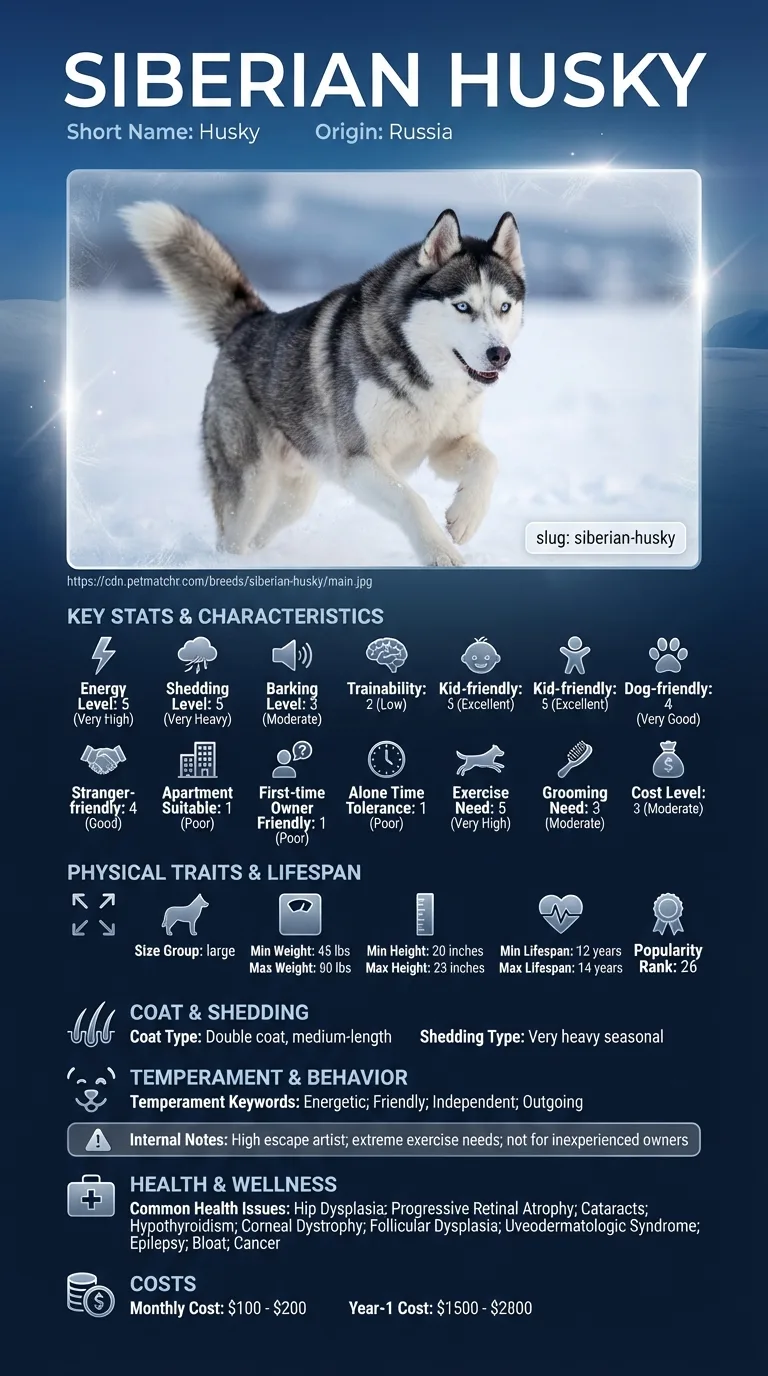
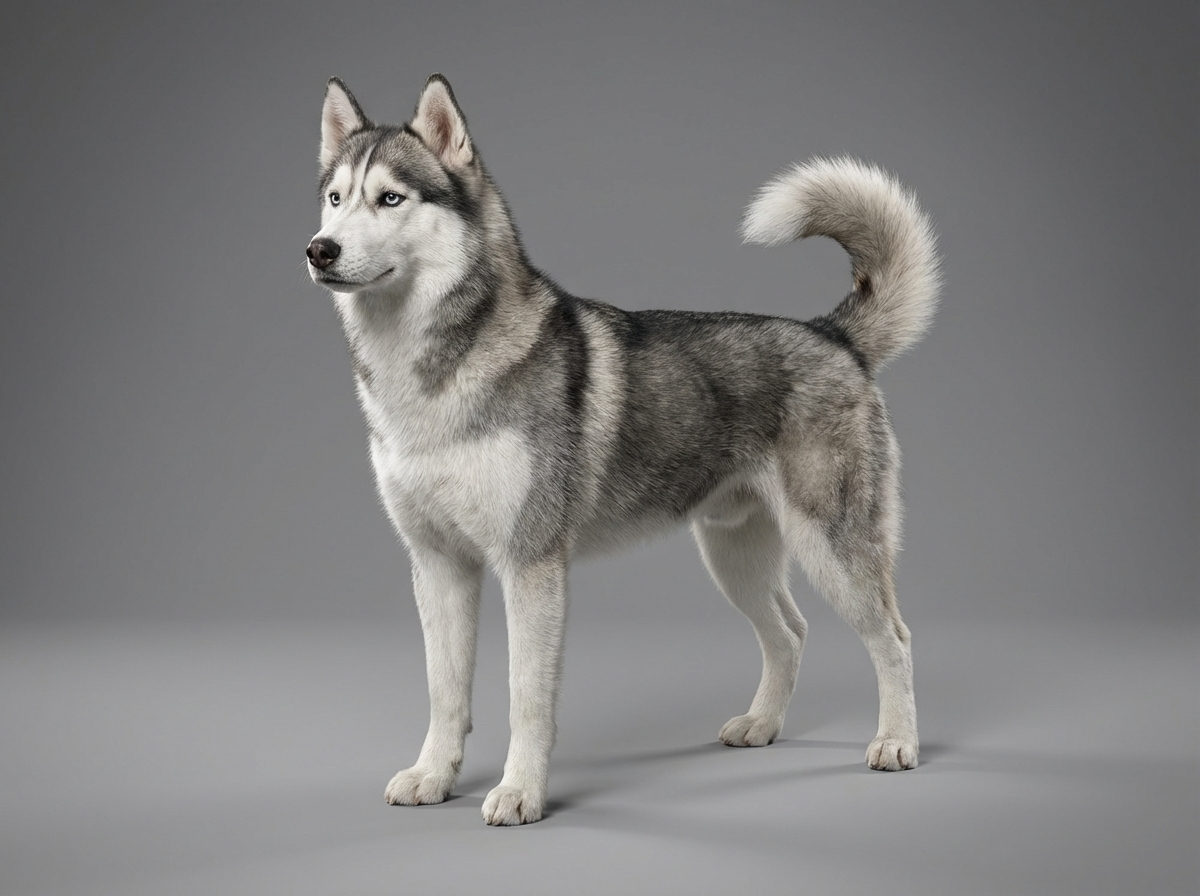
Siberian Huskies typically don't fall under the brachycephalic category, as they have a longer snout. However, some may develop airway issues due to genetic factors or if they are mixed with brachycephalic breeds. Their active nature can exacerbate breathing problems if they have any underlying issues.
Environment factors
Environmental factors such as heat, humidity, and poor air quality can worsen any existing respiratory problems. Stressful situations, like loud noises or crowded places, can also trigger anxiety and lead to breathing difficulties.
What you can do at home (once it is not an emergency)
When to talk to your vet
If you observe persistent or severe breathing difficulties, consult your vet right away. They can assess your dog's condition and recommend treatments to help manage symptoms effectively.
At home, alongside your vet's plan
Keep your Siberian Husky cool during hot weather. Provide plenty of water and avoid strenuous activities on hot days.
Create a calm environment. Try using calming music or pheromone diffusers to reduce anxiety at home.
Monitor your dog's breathing regularly. If you notice any changes, such as wheezing or excessive panting, take note of when it happens.
Mistakes that make Brachycephalic Airway Syndrome (BOAS) worse
Avoiding these common mistakes can help you better manage your Siberian Husky with brachycephalic airway syndrome (BOAS). Here are some pitfalls to watch for.
Ignoring early signs of distress: Many owners overlook the initial symptoms of breathing difficulties. Watch for heavy panting or excessive snoring and consult your vet promptly.
Excessive exercise in hot weather: Siberian Huskies can struggle with heat due to BOAS. Instead of long runs, opt for shorter walks during cooler parts of the day.
Failing to manage weight: Overweight dogs experience more severe breathing issues. Focus on a balanced diet and regular vet check-ups to maintain a healthy weight.
Using a collar instead of a harness: Collars can put pressure on a dog's airway. Switch to a harness that distributes pressure more evenly and makes walks safer.
Neglecting regular vet visits: Some owners think BOAS is not a big deal. Consistent vet check-ups can help monitor your Husky's health and catch issues early.
Not training for calmness: Anxious Huskies may exacerbate breathing problems. Invest time in training sessions focused on calming techniques to reduce stress.
Assuming all symptoms are normal: Many owners think noisy breathing is typical for Huskies. Always consult your vet if you notice changes in your dog's breathing patterns.
With consistent care and management, you can expect to see improvements in your Siberian Husky's breathing over about 3 to 6 months.
Success means your Husky shows fewer signs of breathing distress during exercise and hot weather, and can enjoy activities without excessive panting.
A Husky's Journey to Better Breathing
Emily, a busy nurse in Denver, adopted a Siberian Husky named Max. She noticed he struggled to breathe during their hikes, especially on warmer days. After researching, Emily learned about brachycephalic airway syndrome (BOAS) and started implementing cooling breaks during walks, along with gradual training to strengthen his stamina. With time and patience, Max began to breathe easier, allowing them both to enjoy their outdoor adventures together.
Key takeaway: Understanding your dog's specific health needs, like BOAS, can lead to practical adjustments that improve their quality of life.
Frequently asked questions
What are the signs of brachycephalic airway syndrome (boas) in my Siberian Husky?
Common signs of Siberian Husky brachycephalic airway syndrome (boas) include loud breathing, snoring, and excessive panting. You may also notice your Husky having difficulty exercising or overheating quickly. If you observe these symptoms, it's essential to consult your vet.
How can I help my Siberian Husky with brachycephalic airway syndrome (boas)?
To help your Husky, keep them cool and avoid strenuous exercise in hot weather. Providing a calm environment and maintaining a healthy weight can also reduce their breathing difficulties. Regular vet check-ups are crucial for managing their condition.
What are the signs of brachycephalic airway syndrome in my Siberian Husky?
Signs of BOAS include heavy panting, difficulty breathing, or snoring. You may also notice your Husky tiring quickly during walks or having trouble eating. If you see these symptoms, talk to your vet for guidance.
Can training help with brachycephalic airway syndrome in Siberian Huskies?
Training alone won't cure BOAS, but it can help manage your Husky's behavior. Teaching them to relax in stressful situations can ease their breathing. Positive reinforcement techniques can also be useful.
What is the treatment for Siberian Husky brachycephalic airway syndrome (boas)?
Treatment options for BOAS may include weight management, medication, or surgery in severe cases. Your veterinarian will provide the best plan based on your Husky's specific needs and symptoms. Regular follow-up is key to managing their health.
Can older Siberian Huskies develop brachycephalic airway syndrome (boas)?
Yes, older Siberian Huskies can develop brachycephalic airway syndrome (boas) over time, especially if they have underlying health issues. It's important to monitor their breathing, especially during warmer months, and seek veterinary advice if you notice any changes.
What should I do if my Siberian Husky has a breathing emergency?
If your Siberian Husky is struggling to breathe, remain calm and seek immediate veterinary help. Try to keep them cool and comfortable while you transport them to the vet. Quick action can make a significant difference in their recovery.
Are there specific training methods to help with Siberian Husky brachycephalic airway syndrome (boas)?
Training can help manage your Siberian Husky's behavior, but it won’t directly resolve brachycephalic airway syndrome (boas). Focus on positive reinforcement techniques to encourage calmness, and avoid high-energy activities that may exacerbate their breathing difficulties.
How can I prevent my Siberian Husky from overheating due to brachycephalic airway syndrome (boas)?
To prevent overheating, keep your Siberian Husky in a cool environment, provide plenty of water, and limit exercise during hot weather. Short, gentle walks are better than strenuous activities, especially when temperatures rise.
What are quick tips for managing Siberian Husky brachycephalic airway syndrome (boas)?
Keep your Husky cool, limit exercise during heat, and ensure they maintain a healthy weight. Regular vet visits are essential for monitoring their condition.
Health
How can I tell if my Siberian Husky has breathing issues?
Watch for heavy panting, coughing, or excessive snoring. If they seem to struggle while exercising, consult your vet for further evaluation.
Health
What should I do if my Siberian Husky overheats?
Move them to a cooler area and offer fresh water. If they continue to pant heavily or seem lethargic, seek veterinary assistance immediately.
Related DogBreedCompass guides
Siberian Husky behavior problems – Learn more about the special needs of Siberian Huskies and how to manage their energy levels.
A fuller vet-visit kit for Siberian Husky Brachycephalic Airway Syndrome Boas
The free prep sheet covers the same-day warning signs, a symptom log and the questions to ask. We are considering a fuller kit that adds a cost worksheet for the usual tests and treatments (US price ranges with their sources) and a plain-English guide to ways of covering the bill. It is not built yet; this list tells us whether it is worth building.
One email, no spam, unsubscribe anytime. Information only, not veterinary advice.