Behavior
What are quick tips for Siberian Husky bloat (gastric dilatation-volvulus/GDV)?
Feed smaller meals multiple times a day, avoid exercise before and after meals, and monitor for signs of distress. Quick action is crucial if you suspect bloat.
Siberian Husky bloat, also known as gastric dilatation-volvulus (GDV), is a serious condition that can turn life-threatening in a matter of hours. Understanding this issue is crucial for any Husky owner. (Siberian Husky bloat (gastric dilatation-volvulus/gdv))
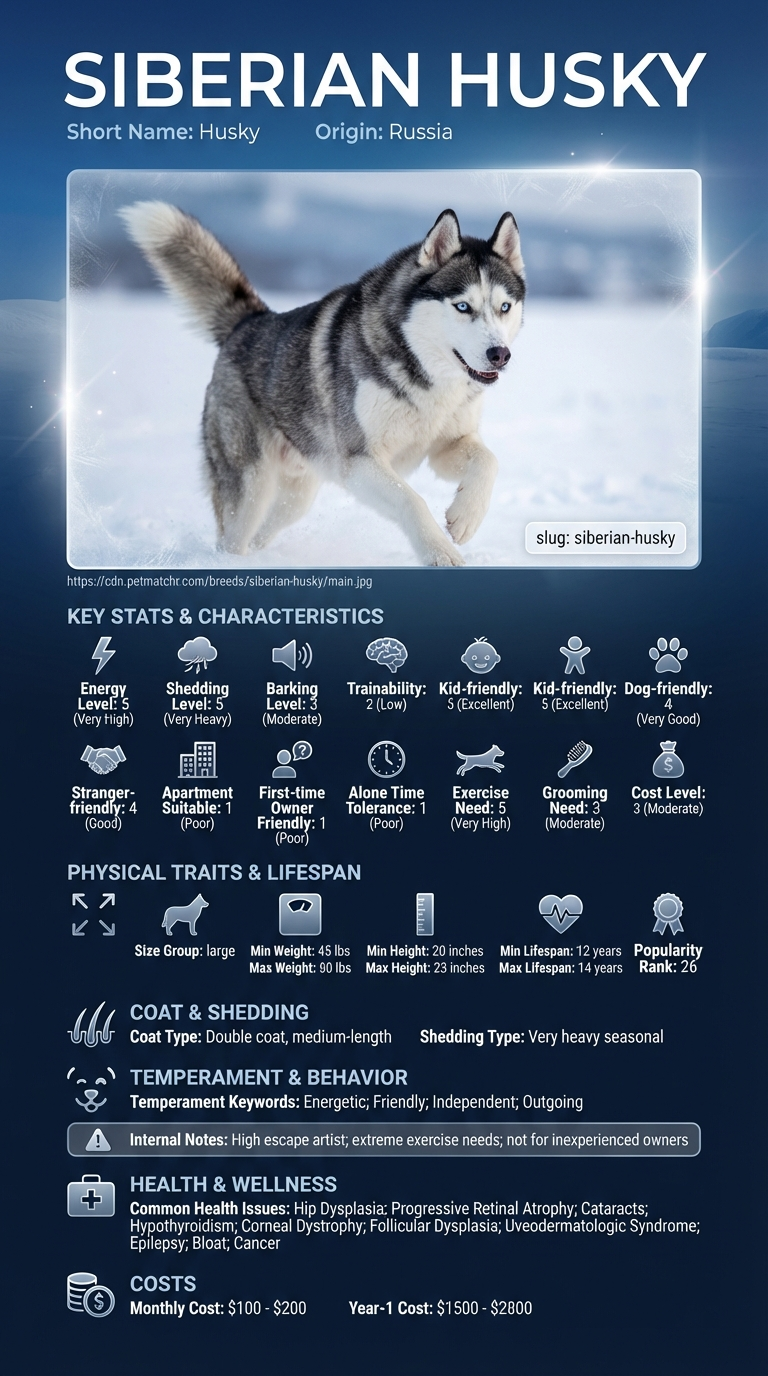
Typical Husky owners, especially those who are new to the breed or have busy lifestyles, may struggle with recognizing the symptoms of bloat. Many are unaware of the risk factors associated with this condition, leading to panic when it occurs. If you have an active Husky who loves to eat quickly, this information is especially important for you.
This guide is not medical advice. If your dog shows pain, sudden behavior change, or worsening symptoms, consult a licensed veterinarian.
Some links may be affiliate links. We may earn a commission at no extra cost to you. We only suggest products we believe are helpful for dog owners.
Siberian Husky bloat, or gastric dilatation-volvulus (GDV), is a serious and potentially life-threatening condition. It occurs when a dog's stomach fills with gas, causing it to expand and possibly twist. This leads to severe pain and can be fatal if not treated quickly.
Bloat is a significant concern for Siberian Huskies, especially since large breeds are more susceptible. While it's not an everyday issue, it can happen to any Husky and is particularly more common in older dogs.
Siberian Huskies are predisposed to bloat due to their deep chest structure. This breed's energetic nature may lead to them eating quickly or exercising too soon after meals, increasing the risk of gastric dilatation-volvulus (GDV). Their independent temperament can also make training around mealtime more challenging.
Stressful environments can trigger bloat in Siberian Huskies. Situations such as loud noises, new pets, or changes in routine can cause anxiety. Additionally, feeding routines that involve large portions or infrequent meals can contribute to the problem.
If your Husky continues to eat too quickly or shows signs of anxiety around food, consider consulting a trainer. A professional can help you develop strategies to encourage calm eating habits and address any underlying anxiety.
If your Husky exhibits signs of bloat, such as a distended abdomen, restlessness, or attempts to vomit without success, contact your vet immediately. Bloat is a life-threatening condition that requires urgent medical attention.
Managing Siberian Husky bloat can take several weeks to months. Your vet will likely recommend a treatment plan and dietary changes that you can start seeing results from within a few weeks.
Success means your Husky experiences fewer or no episodes of bloat, maintains a healthy weight, and shows overall improved comfort during meals and exercise.
Avoid these common mistakes to help manage your Siberian Husky's bloat effectively.
Siberian Husky bloat, also known as gastric dilatation-volvulus (GDV), can be life-threatening. It's crucial to recognize the signs that indicate immediate veterinary attention is necessary. If you notice your Husky has a swollen abdomen, excessive drooling, retching without producing vomit, or seems unusually restless, these are red flags. These symptoms often mean that time is of the essence, and you should call your vet right away.
On the other hand, if your Siberian Husky is showing mild signs like a slight belly discomfort or decreased appetite but isn't exhibiting severe symptoms, you may be able to monitor them at home. It’s important to remain vigilant during this time. Keep an eye on their behavior and ensure they are still drinking water and able to rest comfortably. Create a plan to check in on them every few hours.
In summary, knowing when to act is essential. If your Husky displays critical symptoms of bloat, don't hesitate to seek veterinary care immediately. However, for mild cases, you can watch and wait but stay alert for any worsening signs.
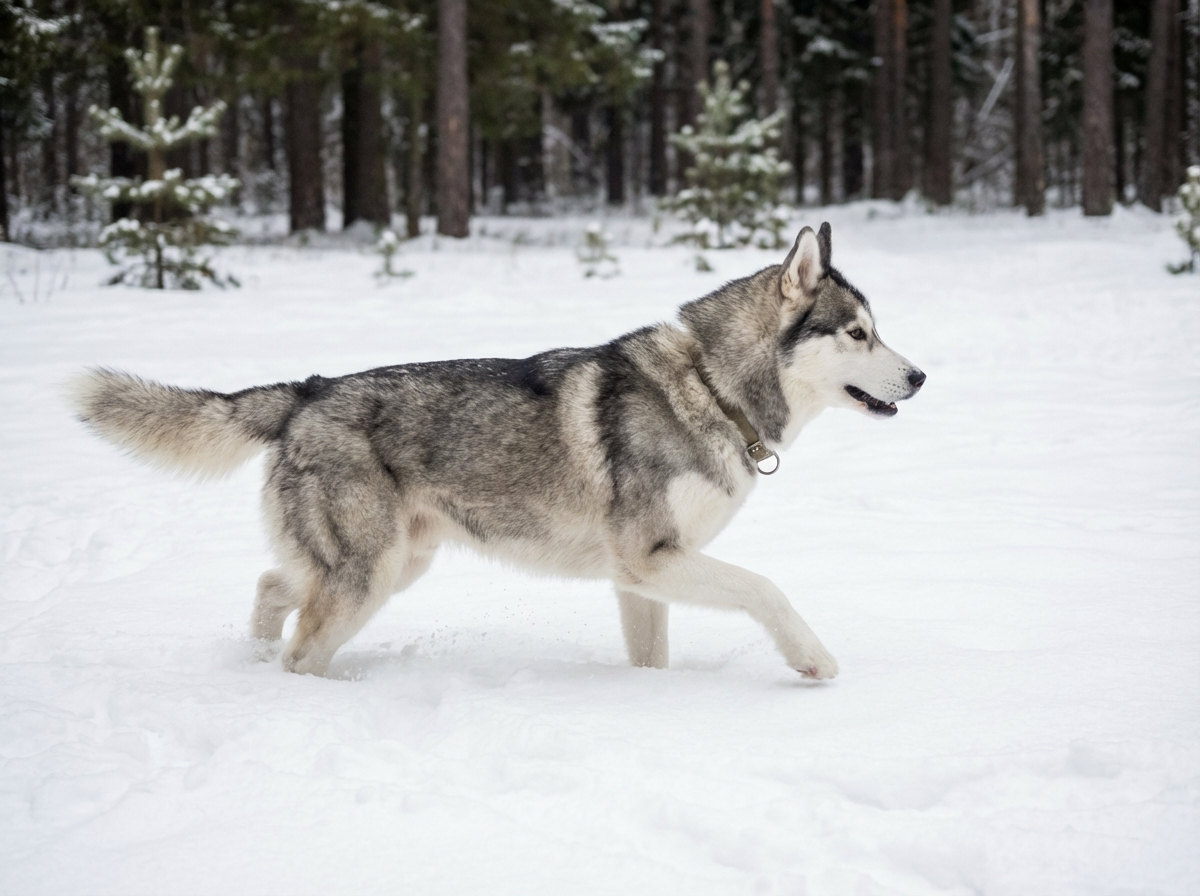
Emily, a busy nurse in Seattle, adopted Luna, a lively Siberian Husky. Shortly after bringing her home, Emily noticed that Luna would often appear restless and uncomfortable after meals. After a vet visit, Emily learned Luna was at risk for bloat, a serious condition common in larger breeds. With the vet's guidance, Emily changed Luna's diet to smaller, more frequent meals and began incorporating slow feeders. Over the next few months, Emily noticed Luna's discomfort decreased significantly, and she became more relaxed and happy during mealtimes.
Key takeaway: With the right dietary adjustments and guidance, you can manage the risks of Siberian Husky bloat effectively.
Siberian Husky bloat, or gastric dilatation-volvulus (GDV), is a serious condition where the stomach fills with gas and can twist on itself. This can cut off blood flow and lead to shock. It's crucial to recognize the symptoms early and get immediate veterinary care.
Common signs of bloat include a swollen abdomen, drooling, restlessness, and attempts to vomit without success. Your Husky may also show signs of pain or discomfort. If you notice these symptoms, seek emergency veterinary assistance right away.
To help prevent bloat, feed your Siberian Husky smaller, more frequent meals instead of one large meal. Avoid vigorous exercise right before and after meals, and consider using a slow feeder to reduce gulping. Regular vet check-ups can also help monitor their health.
Bloat can occur due to various factors, including genetics, stress, and eating habits. Large, deep-chested breeds like Huskies are more susceptible. Understanding your Husky's behavior and eating routine can help manage the risk.
If you suspect bloat, do not wait to see if symptoms improve. Take your Husky to an emergency veterinarian immediately, as this condition can progress rapidly and is life-threatening. Early intervention is key to improving outcomes.
Treatment for bloat involves emergency care, which may include decompressing the stomach and surgery to correct any twisting. Costs can range from $1,500 to $7,500 depending on the severity and treatment required. Follow-up care is often necessary.
While training won't prevent bloat directly, it can help manage your Husky’s behavior around meal times. Teaching commands like 'wait' can prevent them from rushing their food, which in turn may reduce the risk of bloat.
Early signs of bloat in Siberian Huskies can include restlessness, an enlarged abdomen, and attempts to vomit without success. If you notice any of these symptoms, it's critical to seek veterinary help immediately.
Yes, older Siberian Huskies can be at higher risk for bloat due to age-related health issues. Regular vet check-ups are essential to monitor their health and catch any problems early.
Bloat can occur for several reasons, including rapid eating, drinking large amounts of water immediately after eating, or exercising right after meals. Understanding these triggers can help you prevent bloat in your Husky.
To prevent bloat, try feeding your Husky smaller meals throughout the day rather than one large meal. Additionally, ensure they have a calm environment during feeding and avoid vigorous activity before and after meals.
If you suspect your Siberian Husky has bloat, take them to a vet immediately. This condition is life-threatening and requires urgent medical attention to prevent serious complications.
Feed smaller meals multiple times a day, avoid exercise before and after meals, and monitor for signs of distress. Quick action is crucial if you suspect bloat.
Treatment for bloat can cost between $1,500 and $7,500 depending on the severity. Emergency care is often needed, so be prepared for potential high costs.
Look for signs like whining, pacing, or a swollen stomach. If your dog is showing discomfort, seek veterinary help immediately.
Bloat can have a genetic component, especially in large breeds like Huskies. If a close relative had bloat, your dog may be at increased risk.
Yes, stress and anxiety can increase the risk of bloat. Providing a calm eating environment can help reduce anxiety-related eating behaviors.