Behavior
What are some quick tips for Shibа Inu skin allergies?
Keep your Shibа Inu's environment free of dust and allergens, and consider hypoallergenic dog food. Regular grooming can help remove allergens from their coat.
Shibа Inu skin allergies can lead to itching and irritation, making your pet uncomfortable. Managing these allergies is essential for their well-being.
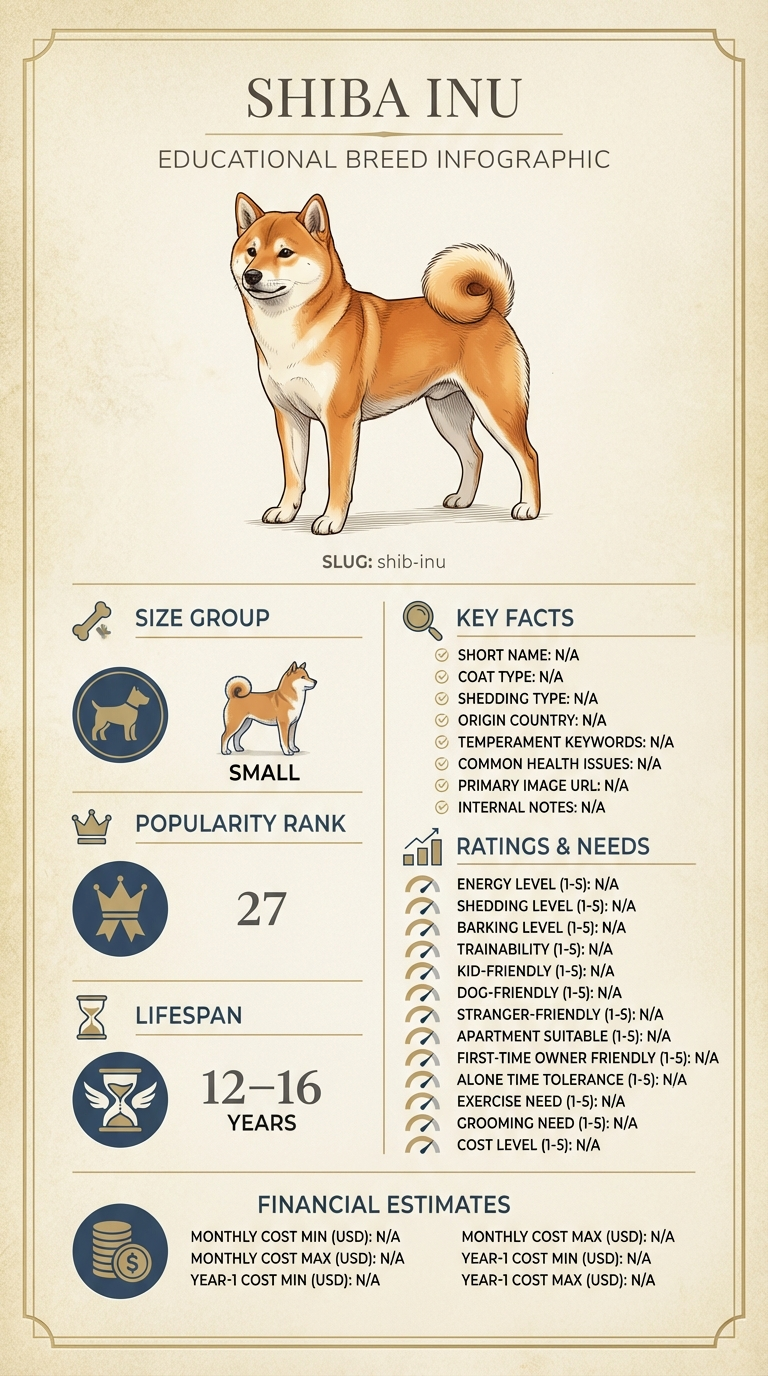
Typically, Shibа Inu owners, especially first-time pet parents, face challenges with these skin conditions. Busy families or individuals who may not have prior experience in dog care often find it tough to identify and manage these allergies effectively.
This guide is not medical advice. If your dog shows pain, sudden behavior change, or worsening symptoms, consult a licensed veterinarian.
Some links may be affiliate links. We may earn a commission at no extra cost to you. We only suggest products we believe are helpful for dog owners.
Shibа Inu skin allergies can be a frustrating issue for both dogs and their owners. The most noticeable signs include excessive itching, redness, and irritation on the skin. In severe cases, these allergies can lead to secondary infections, making it essential to address the problem promptly.
Skin allergies are relatively common in Shibа Inus, often affecting them as they grow older or are exposed to specific allergens. Many owners report dealing with some form of skin allergy during their dog's life.
Shibа Inus can be prone to skin allergies due to their unique coat and skin sensitivities. These small dogs may have genetic predispositions that make them more vulnerable to certain allergens, such as pollen, dust mites, or specific food ingredients. Their immune systems can react strongly to these allergens, leading to itching and discomfort.
Environmental factors can significantly impact Shibа Inu skin allergies. Common triggers include exposure to harsh chemicals in cleaning products, outdoor allergens, or even certain fabrics. Changes in climate or humidity can also exacerbate skin issues, causing irritations or flare-ups.
If your Shibа Inu's allergies cause anxiety or behavioral issues, a trainer can help with strategies to manage stress. Look for a trainer familiar with allergy-related behaviors.
If your Shibа Inu experiences severe itching, skin infections, or persistent allergies despite home care, contact your vet. They can recommend medications, allergy testing, or specialized diets to provide relief.
You can expect to see improvements in 4 to 8 weeks with consistent care and treatment.
Success means your Shibа Inu will have reduced itching, healthier skin, and a happier demeanor, allowing them to enjoy life without constant discomfort.
Avoiding these common mistakes can significantly improve your Shibа Inu's skin allergy situation. Let’s dive into what not to do.
Recognizing the difference between an emergency and a mild case of Shibа Inu skin allergies can save your pup from serious harm. If your Shibа Inu is experiencing severe itching, swelling, or redness, these could be signs of an emergency. Pay close attention to any signs of distress, such as excessive scratching or biting at their skin. These behaviors can lead to open wounds and infections.
In addition to visible symptoms, watch for changes in behavior. If your Shibа Inu is unusually lethargic, has trouble breathing, or shows signs of swelling, it’s time to call your vet immediately. Allergic reactions can escalate quickly and may require urgent intervention.
On the other hand, if your Shibа Inu is simply scratching occasionally or has mild irritation without swelling, you may monitor the situation. Keep an eye on their skin and consider implementing a treatment plan that includes allergy management strategies. Regular baths with soothing shampoos, a balanced diet, and possibly antihistamines can help manage mild cases. Just remember, if symptoms worsen or you see red flags, don’t hesitate to reach out to your veterinarian.
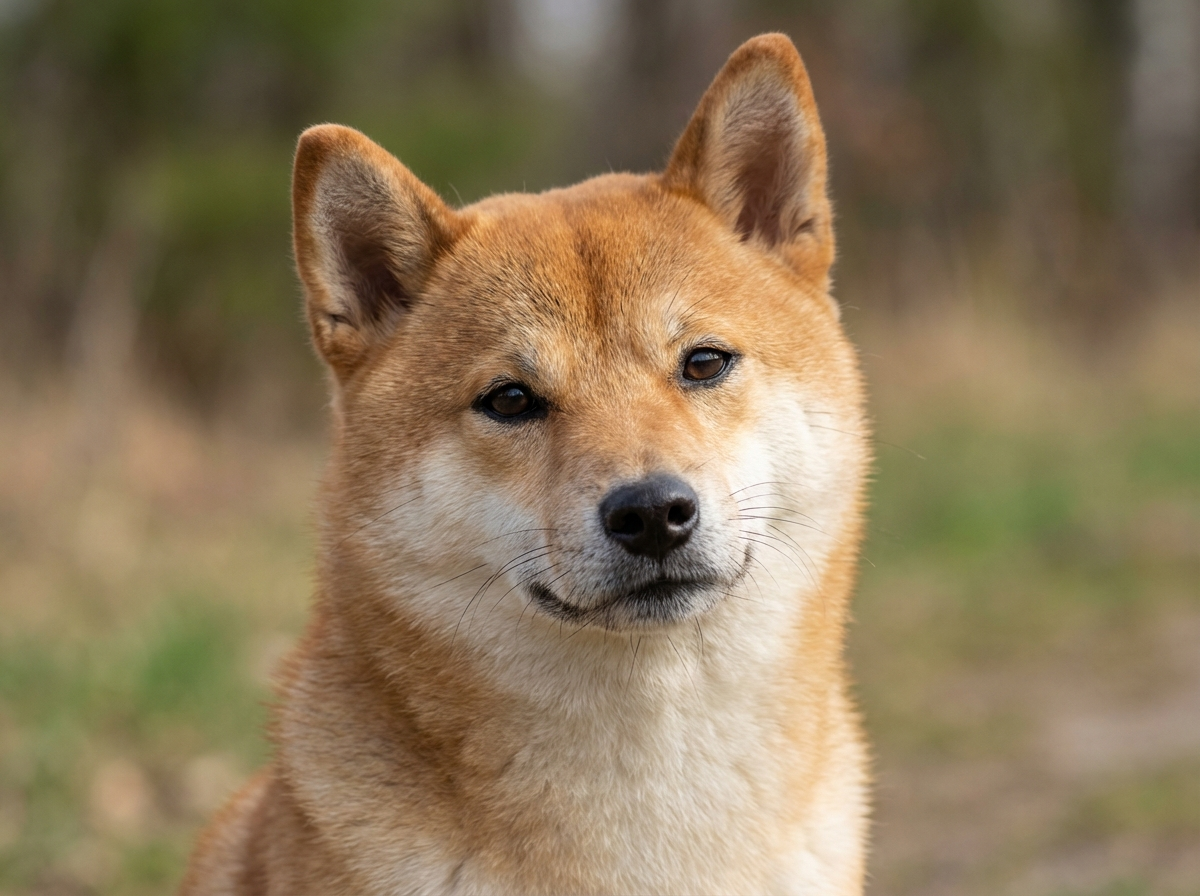
Maya, a busy nurse in Seattle, noticed her Shibа Inu, Kiko, scratching more than usual. After consulting with her vet, she learned that Kiko had skin allergies likely caused by environmental factors and food sensitivities. With a tailored plan that included a special diet and topical treatments, Maya was diligent about sticking to the regimen. She also began regular baths with a hypoallergenic shampoo. After a few weeks, Kiko's itching lessened, and he was much more playful and relaxed. Maya felt relieved to see Kiko happier and healthier, allowing them both to enjoy their time together without worry.
Key takeaway: With patience and a clear treatment plan, you can effectively manage Shibа Inu skin allergies and improve your pet's quality of life.
Shibа Inus can develop skin allergies due to various factors, including environmental allergens like pollen, dust, or mold. Food allergies are also common, often linked to proteins like chicken or beef. Identifying the exact cause may require a vet visit for tests.
To help ease your Shibа Inu's scratching, start by consulting your vet for a proper diagnosis and treatment plan. Regular baths with hypoallergenic shampoos can soothe irritated skin. Additionally, keeping their living environment clean can minimize allergen exposure.
Signs of skin allergies in Shibа Inus include excessive scratching, red or inflamed skin, and hair loss. You might also notice flaky skin or frequent licking of certain areas. If you observe any of these symptoms, it’s best to consult a vet.
Yes, certain foods can lead to allergic reactions in Shibа Inus. Common culprits include grains, dairy, and specific proteins like chicken or beef. A vet can help you identify safe food choices and recommend an elimination diet if necessary.
Treatments for Shibа Inu skin allergies may include medicated shampoos, oral antihistamines, or corticosteroids prescribed by your vet. In some cases, immunotherapy might be suggested. Always follow your vet's advice for the best results.
Common signs of skin allergies in Shibа Inus include excessive itching, redness, and inflammation of the skin. You might also notice hair loss, scabs, or secondary infections. If your dog is constantly scratching or biting at their skin, it's time to consult a vet.
Yes, diet can significantly impact skin allergies in Shibа Inus. Certain ingredients in dog food may trigger allergic reactions. A vet may recommend a special diet or elimination diet to identify and avoid allergens.
Older Shibа Inus may require more gentle care for their skin allergies. Regular grooming can help keep their coat clean and reduce irritation. Additionally, ensuring they are on a good diet and consulting with a vet for appropriate medications is essential.
If your Shibа Inu's skin allergies are severe, persistent, or causing significant discomfort, it's important to see a vet. Also, if you notice signs of infection, such as swelling, pus, or a bad odor, you should seek veterinary care immediately.
Yes, Shibа Inus can be prone to specific allergens, including pollen, dust mites, and certain foods. Identifying the specific allergen can be challenging, but a vet can help through allergy testing and suggest treatment options.
Keep your Shibа Inu's environment free of dust and allergens, and consider hypoallergenic dog food. Regular grooming can help remove allergens from their coat.
Bathing your Shibа Inu every 4-6 weeks with a gentle, hypoallergenic shampoo can help soothe their skin and remove allergens.
Yes, stress can exacerbate skin allergies in Shibа Inus. Keeping a consistent routine and providing a calm environment can help reduce anxiety.