Behavior
What are quick tips for managing Shibа Inu respiratory disease?
Keep your Shibа Inu cool and avoid strenuous activities, especially in hot weather. Regular vet visits are crucial to monitor their respiratory health.
Shibа Inu respiratory disease is a critical health issue that affects many dogs of this breed. It can lead to serious complications if not addressed properly.
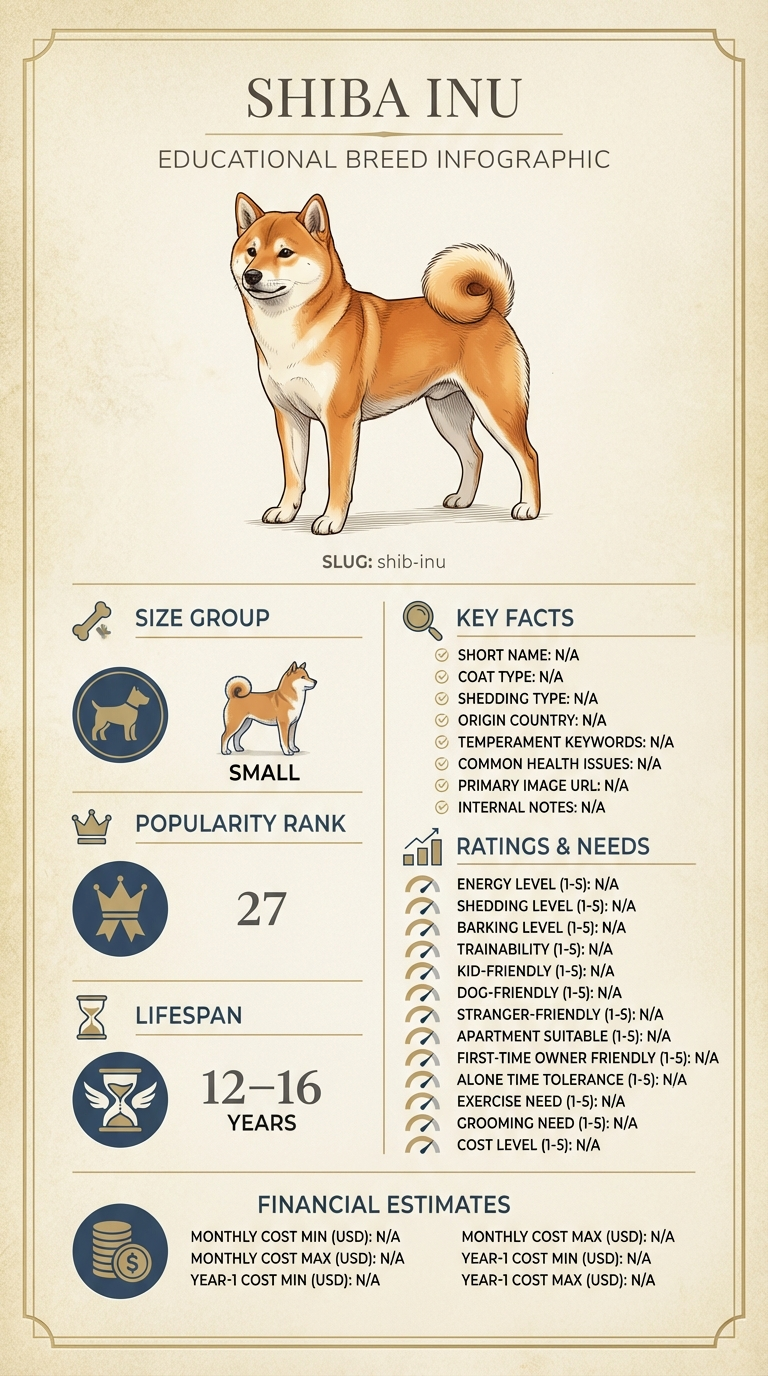
Dog owners who have Shibа Inus often find themselves grappling with respiratory issues that can impact their pet's quality of life. This is especially true for first-time owners who may not recognize the signs and need guidance on how to manage the condition.
This guide is not medical advice. If your dog shows pain, sudden behavior change, or worsening symptoms, consult a licensed veterinarian.
Some links may be affiliate links. We may earn a commission at no extra cost to you. We only suggest products we believe are helpful for dog owners.
Shibа Inus are prone to respiratory disease, a condition that can cause difficulty breathing, coughing, and wheezing. This issue often becomes noticeable when they engage in physical activity, leading to panting and noticeable distress. Owners may observe their Shibа Inu struggling to catch their breath after short walks or during playtime, which can be alarming and frustrating.
Respiratory disease is quite common in Shibа Inus, with dogs of this breed facing a 479% higher risk compared to non-brachycephalic breeds. Many owners report experiencing this issue, especially as their dogs age or if they are exposed to environmental stressors.
Shibа Inus are brachycephalic, meaning they have short noses and flat faces. This breed's physical structure can lead to breathing difficulties and increased risk of respiratory diseases. Their unique anatomy can create problems during exercise or in hot weather, making them more prone to respiratory issues.
Environmental factors also play a significant role in respiratory problems. Poor air quality, allergens, and extreme temperatures can exacerbate breathing difficulties. Stressful environments, such as crowded spaces or loud noises, can lead to anxiety, which may further affect their respiratory health.
If your Shibа Inu shows signs of anxiety that seem to trigger respiratory issues, consider consulting a professional trainer. They can help with behavior modification techniques to reduce stress. A trainer experienced with brachycephalic breeds can provide specialized guidance.
If your dog displays persistent coughing, wheezing, or difficulty breathing, it's essential to consult your vet. Regular check-ups can help catch any underlying health issues early. If your Shibа Inu experiences sudden respiratory distress, seek immediate veterinary assistance.
You may notice improvements in your Shibа Inu's respiratory health within 4 to 8 weeks of implementing changes.
Success means your Shibа Inu can breathe easier during walks and play, showing increased energy levels and less coughing.
Avoid these common mistakes that can worsen your Shibа Inu's respiratory disease. Instead, try safer alternatives to improve their health.
Recognizing when Shibа Inu respiratory disease becomes an emergency is crucial. Emergency symptoms can indicate severe distress or a life-threatening situation. If your Shibа Inu is experiencing severe difficulty breathing, blue-tinged gums, or excessive lethargy, call your vet immediately. These signs often mean immediate intervention is needed.
On the other hand, if your dog has mild coughing or occasional nasal discharge, these symptoms can usually be monitored at home. It's important to observe your Shibа Inu's behavior and breathing patterns. If they seem stable and are eating and drinking normally, you may not need to rush to the vet. However, keep a close watch on them and have a plan in place for further action if symptoms worsen.
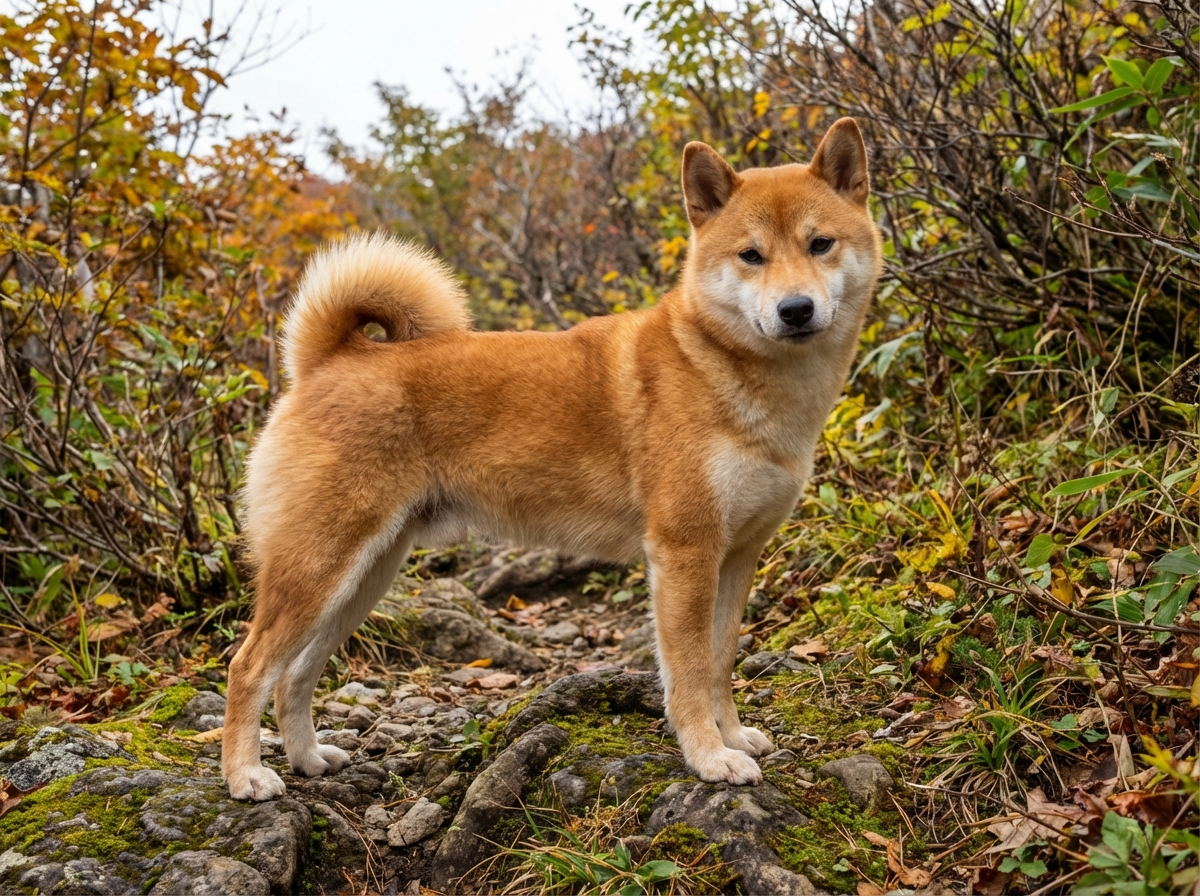
Maria, a first-time dog owner, adopted Kiko, a Shibа Inu, but quickly noticed his labored breathing. After a vet visit, she learned that Kiko was at high risk for respiratory disease, a common issue with his breed. Determined to help him, Maria changed Kiko's diet to a healthier option and limited his exercise during hot, humid days. She also enrolled in a training class to help teach Kiko calm behaviors, reducing his stress and the risk of respiratory flare-ups. Over the next few months, Kiko showed significant improvement—he was more energetic and playful, and his breathing became much steadier.
Key takeaway: With the right support and adjustments to lifestyle, managing Shibа Inu respiratory disease is possible, leading to a happier, healthier dog.
Shibа Inus are brachycephalic, meaning they have short noses and flat faces. This structure can lead to respiratory problems, making them more vulnerable to breathing issues. Factors like obesity, heat, and exercise can worsen these conditions.
To help manage your Shibа Inu's respiratory health, maintain a healthy weight and avoid strenuous exercise during hot weather. Regular vet check-ups are essential to monitor their health and catch potential issues early.
Common signs include coughing, wheezing, difficulty breathing, and excessive panting. If you notice any of these symptoms, consult your veterinarian for a thorough examination and advice on treatment options.
Training can help manage your dog's behavior and anxiety, which might improve their overall health. However, it's essential to focus on gentle training methods that don't exert too much physical strain on your Shibа Inu.
If your Shibа Inu shows persistent signs of respiratory distress, such as labored breathing or lethargy, it's time for a vet visit. Early intervention can prevent more severe health complications.
Common symptoms include coughing, wheezing, difficulty breathing, and excessive panting. If you notice these signs, it's essential to consult your vet for a proper diagnosis and treatment plan.
Shibа Inus are brachycephalic, meaning they have short muzzles that can lead to breathing issues. Genetics, obesity, and environmental factors can also contribute to respiratory disease in this breed.
Recovery depends on the severity of the disease and the overall health of your Shibа Inu. Older dogs may take longer to heal, so it's important to follow your veterinarian's advice closely.
Keep your home environment calm and avoid exposing your Shibа Inu to extreme temperatures. Providing a humidifier can also help ease breathing issues, but always consult your vet for tailored advice.
Training should focus on reducing anxiety and stress, which can worsen respiratory issues. Gentle, positive reinforcement training can help your Shibа Inu feel more secure and comfortable, potentially easing their symptoms.
Keep your Shibа Inu cool and avoid strenuous activities, especially in hot weather. Regular vet visits are crucial to monitor their respiratory health.
Watch for coughing, wheezing, or labored breathing in your Shibа Inu. These signs indicate that a vet visit is necessary.
Avoid overexertion and exposure to extreme temperatures. Keeping your dog at a healthy weight is also vital.