Behavior
How can I manage my Shibа Inu's PRA?
Maintain a consistent home layout to help your Shibа Inu navigate safely. Use verbal cues and tactile guidance to assist them.
Progressive retinal atrophy (PRA) is a serious condition affecting Shibа Inus, leading to gradual vision loss. (Shibа Inu progressive retinal atrophy (pra))
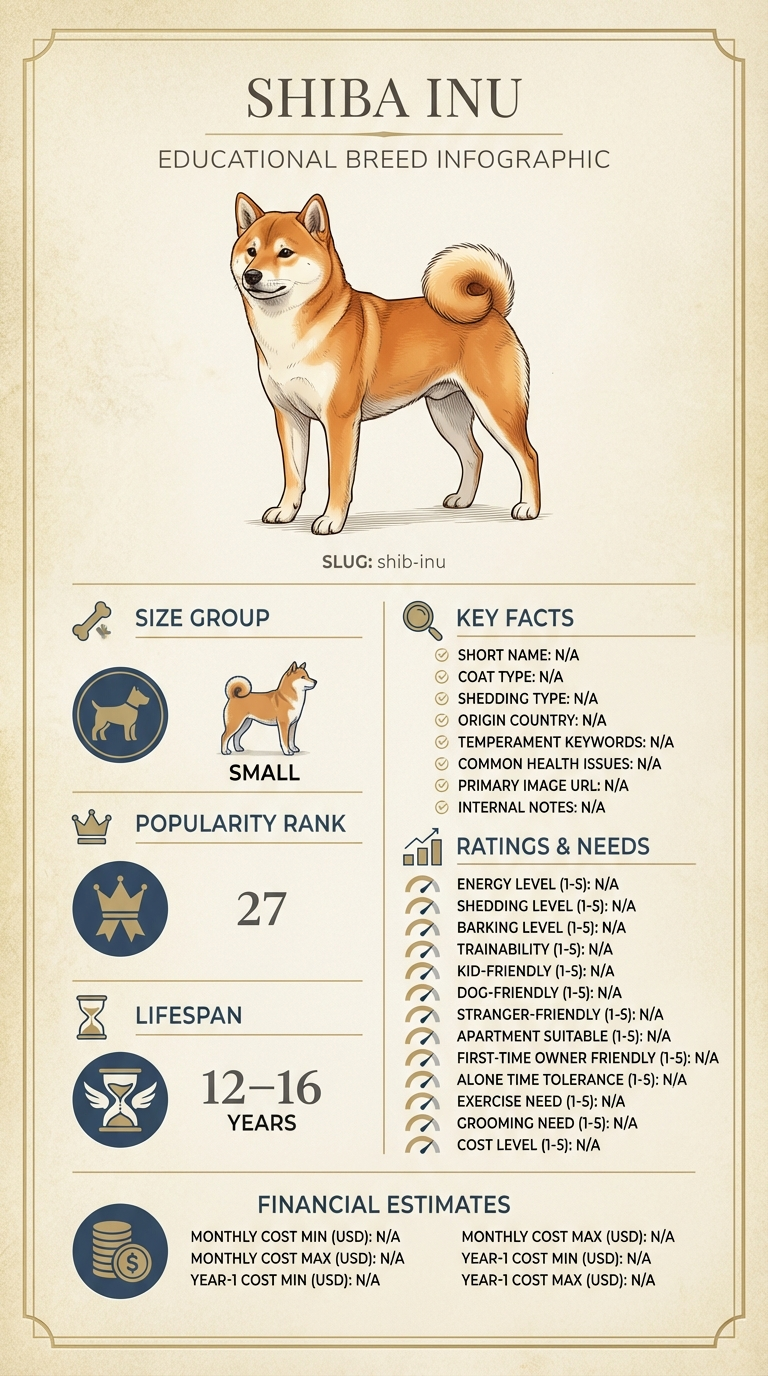
Owners of Shibа Inus, especially those unaware of the breed's predisposition to PRA, may find this condition alarming. It's particularly tough for first-time dog owners who may not know how to cope with their dog's changing needs.
This guide is not medical advice. If your dog shows pain, sudden behavior change, or worsening symptoms, consult a licensed veterinarian.
Some links may be affiliate links. We may earn a commission at no extra cost to you. We only suggest products we believe are helpful for dog owners.
Shibа Inu progressive retinal atrophy (PRA) is a genetic condition that leads to gradual vision loss. Owners may notice their Shibа Inu bumping into furniture or hesitating in dim light. This can significantly impact their quality of life and requires thoughtful adjustments in their daily routine.
PRA is relatively common in Shibа Inus, affecting a notable percentage of the breed. While not every Shibа Inu will develop this issue, it is important for owners to be aware and proactive.
Shibа Inus can be genetically predisposed to Progressive Retinal Atrophy (PRA). This hereditary condition affects the retina, leading to gradual vision loss. It's important to note that PRA is common in certain breeds, including the Shibа Inu, due to inherited traits.
Environmental factors can also play a role, though they are less significant for PRA. Poor lighting conditions or lack of stimulation might affect how a Shibа Inu adapts to vision loss. However, PRA is primarily driven by genetics rather than environmental issues.
If your Shibа Inu struggles with navigating their environment or shows increased anxiety, it might be time to consult a professional trainer. A trainer experienced in working with visually impaired dogs can offer tailored strategies.
If you notice signs of vision loss, such as bumping into objects or difficulty finding food, consult your vet. They can provide a proper diagnosis and discuss potential treatments or management strategies for PRA.
Managing Shibа Inu progressive retinal atrophy (PRA) can take several months to years, depending on the dog's individual condition and response to adaptations.
Success looks like your Shibа Inu adjusting to their vision loss with improved confidence and comfort in their environment, using tools and training to navigate their surroundings safely.
Avoiding these common mistakes can help manage your Shibа Inu's progressive retinal atrophy (PRA) more effectively.
Recognizing when Shibа Inu progressive retinal atrophy (PRA) becomes an emergency is crucial. If you notice sudden changes in your dog's behavior, like bumping into furniture or appearing disoriented, it could indicate a serious issue. These signs may mean it's time to call your vet immediately.
Other red-flag symptoms include excessive tearing, eye swelling, or any signs of pain, such as whining or pawing at the eyes. If your Shibа Inu loses its balance or has difficulty walking, this could also signal a more severe condition that requires prompt attention. In these cases, it’s better to be safe than sorry.
On the other hand, if your Shibа Inu is showing gradual signs of vision loss, such as difficulty seeing in low light or hesitance to jump or climb stairs, these might be monitored. Keep a watchful eye on your dog's behavior and consider scheduling a vet visit for a routine check-up. Developing a plan with your vet can help manage the condition effectively without panic. Regular eye examinations can also catch changes early, allowing for better management of your dog’s health.
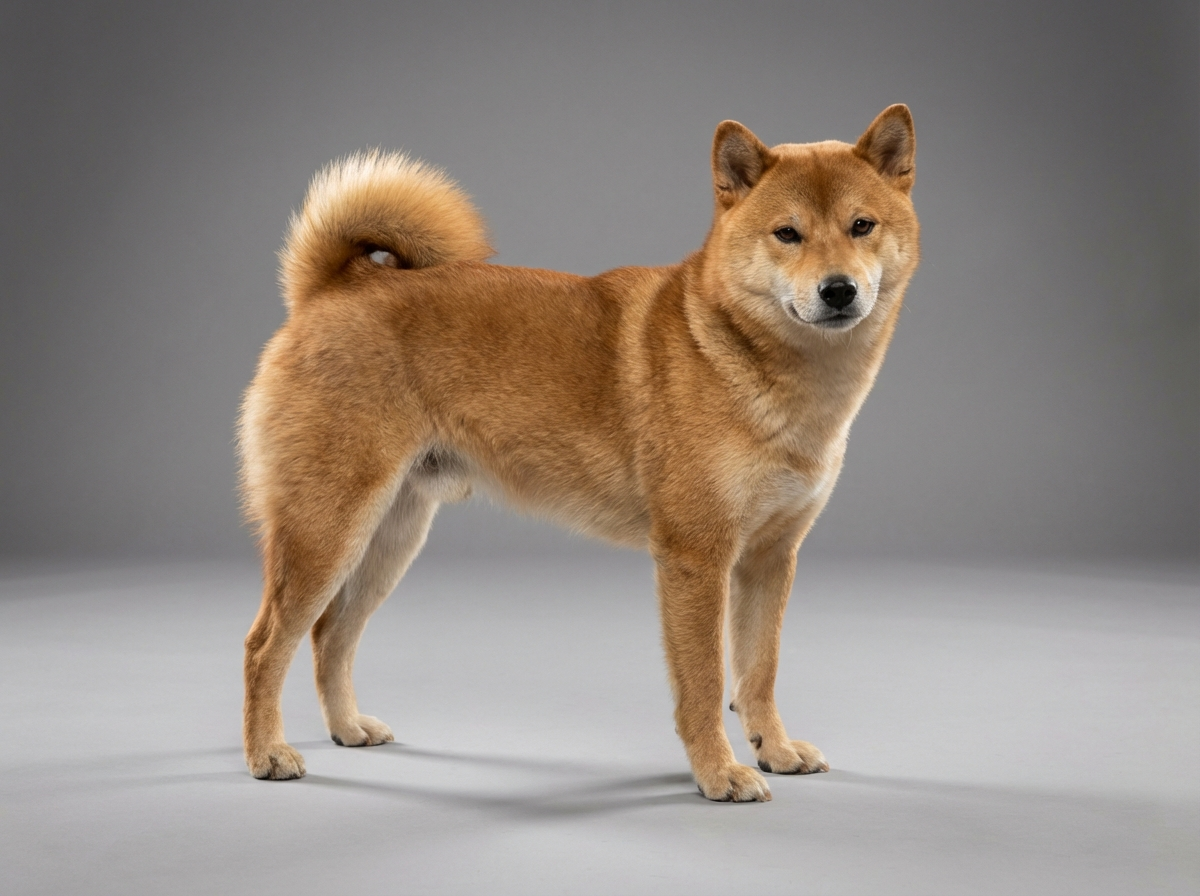
Ella, a Shibа Inu, was diagnosed with progressive retinal atrophy (PRA) at age five. Her owner, Sarah, noticed Ella bumping into furniture and hesitating on walks. Concerned, Sarah learned about PRA and began implementing changes. She rearranged the home to create clear pathways and used scent trails to help Ella find her favorite spots. With time and patience, Ella adapted, becoming more confident. Sarah also involved her vet for guidance and even enrolled in a training course focused on vision-impaired dogs. After several months, Ella was navigating the house with ease, showcasing her resilience and adaptability.
Key takeaway: With the right support and modifications, dogs like Ella can thrive even with progressive retinal atrophy (PRA), highlighting the importance of patience and proactive care.
Shibа Inu progressive retinal atrophy (PRA) is a genetic condition that leads to gradual vision loss. It affects the retina, which is crucial for sight, and can result in blindness over time. Understanding this condition is important for managing your dog's health.
PRA is usually inherited and can occur in Shibа Inus due to genetic factors. If you notice symptoms like difficulty navigating in low light, it may indicate the onset of this condition. A veterinary examination can confirm whether your dog has PRA.
While there's no cure for PRA, you can help your Shibа Inu adapt. Create a safe environment by minimizing obstacles and using consistent cues to guide them. Regular veterinary check-ups are also essential to monitor their condition.
Training a Shibа Inu with PRA focuses on verbal commands and tactile cues. Use positive reinforcement to encourage them to follow your voice. Patience is key, as they may take time to adjust to their changing vision.
Signs of worsening PRA include increased hesitance in new environments, bumping into objects, or seeming confused. If you observe these changes, it's crucial to consult your vet for guidance and support.
While diet alone won't cure PRA, a healthy diet can support overall eye health. Omega-3 fatty acids and antioxidants may help. Always discuss dietary changes with your vet to ensure they're appropriate for your dog's needs.
Early signs of Shibа Inu progressive retinal atrophy (PRA) can include difficulty seeing in low light, bumping into objects, or hesitance when navigating new environments. If you notice these changes in your dog, it's a good idea to consult your vet for a proper evaluation.
Yes, older Shibа Inus may experience more severe symptoms of progressive retinal atrophy (PRA) due to age-related changes in their eyes. Regular vet check-ups become increasingly important to monitor their vision and overall health as they age.
To help your Shibа Inu cope with progressive retinal atrophy (PRA), maintain a consistent environment and avoid rearranging furniture. Using commands and cues can also assist them in navigating their space, making training sessions beneficial.
Yes, progressive retinal atrophy (PRA) is often hereditary in Shibа Inus. If you suspect your dog may be affected, consider discussing genetic testing options with your vet, especially if you plan on breeding.
You should take your Shibа Inu to the vet if you notice any signs of vision loss, such as difficulty seeing in dim light or reluctance to move around. Early intervention can help manage the condition and improve your dog's quality of life.
Maintain a consistent home layout to help your Shibа Inu navigate safely. Use verbal cues and tactile guidance to assist them.
Focus on verbal commands and reward positive behaviors. Keep training sessions short and engaging to enhance their learning.
Currently, there is no cure for PRA. However, you can support your dog's quality of life through adaptation and regular veterinary care.
Look for signs like bumping into things or hesitance in new situations. These indicate changes in vision that may require veterinary attention.
While no specific diet can cure PRA, a balanced diet rich in nutrients can support their overall health. Consult your vet for tailored dietary advice.