Health
What are quick tips for Shibа Inu ocular disease?
Regular vet check-ups and a healthy diet can help prevent ocular disease in Shibа Inus. Keep their eyes clean and avoid irritants. Early detection is key to successful treatment.
Shibа Inu ocular disease is a serious health concern that can affect your dog's quality of life. Understanding it is crucial for any Shibа Inu owner.
Owners of Shibа Inus, especially first-time dog parents, often face challenges managing this condition. Those with busy lifestyles may find it difficult to keep up with the necessary care.
This guide is not medical advice. If your dog shows pain, sudden behavior change, or worsening symptoms, consult a licensed veterinarian.
Some links may be affiliate links. We may earn a commission at no extra cost to you. We only suggest products we believe are helpful for dog owners.
Shibа Inu ocular disease can be a frustrating issue for dog owners. This condition typically manifests as redness, excessive tearing, or squinting. In more severe cases, it may lead to vision impairment, affecting your dog's quality of life. Owners often notice these symptoms after their dog has been exposed to bright light or dust, which can trigger discomfort.
Ocular disease is relatively common in Shibа Inus, with studies showing they have a 467% higher risk compared to other breeds. This makes it important for potential owners to be aware of these health concerns.
Shibа Inus can be prone to ocular diseases due to their unique eye structure, which may lead to conditions like progressive retinal atrophy or cataracts. Their genetic makeup plays a significant role in these health concerns, making some individuals more susceptible than others.
Environmental factors, such as exposure to irritants, allergens, or poor lighting, can worsen ocular issues in Shibа Inus. Additionally, inadequate eye care, like not cleaning tear stains properly, can contribute to their ocular health problems.
If your Shibа Inu shows signs of anxiety related to eye issues, consider working with a trainer to address these behavioral problems. Early intervention can help establish a more relaxed environment for your dog.
Consult a vet if you notice any changes in your dog's vision, such as bumping into objects or excessive squinting. If symptoms like redness or swelling persist, seeking professional help is crucial to prevent further complications.
You can expect to see improvements in your Shibа Inu's ocular health within 4 to 8 weeks of following a tailored treatment plan.
Success means your Shibа Inu will show reduced symptoms, such as less tearing and discomfort, and will respond well to prescribed treatments.
Many owners unintentionally make their Shibа Inu's ocular disease worse. Here are some common mistakes and safer alternatives to help your dog feel better.
Recognizing when Shibа Inu ocular disease is an emergency can save your dog's vision. If you notice any of these red-flag signs, call your vet immediately:
- Sudden vision loss or noticeable cloudiness in the eyes. - Severe redness or swelling around the eyes. - Excessive tearing or discharge that is yellow or green. - Your Shibа Inu is pawing at their eyes or showing signs of pain.
These symptoms can indicate serious conditions that require prompt treatment. On the other hand, there are mild cases you can monitor at home. If your dog has slight redness without swelling, watery eyes without discharge, or occasional squinting, it may not be urgent. You can watch and wait in these situations by keeping an eye on their behavior and scheduling a vet visit if symptoms persist or worsen.
It’s important to have a plan in place. Keep track of any changes and be prepared to act quickly if their condition worsens. Regular check-ups can also help catch issues early, ensuring your Shibа Inu stays healthy and happy. Always trust your instincts; if you’re worried, it’s better to consult your vet. They can provide guidance specific to your dog's condition and needs.
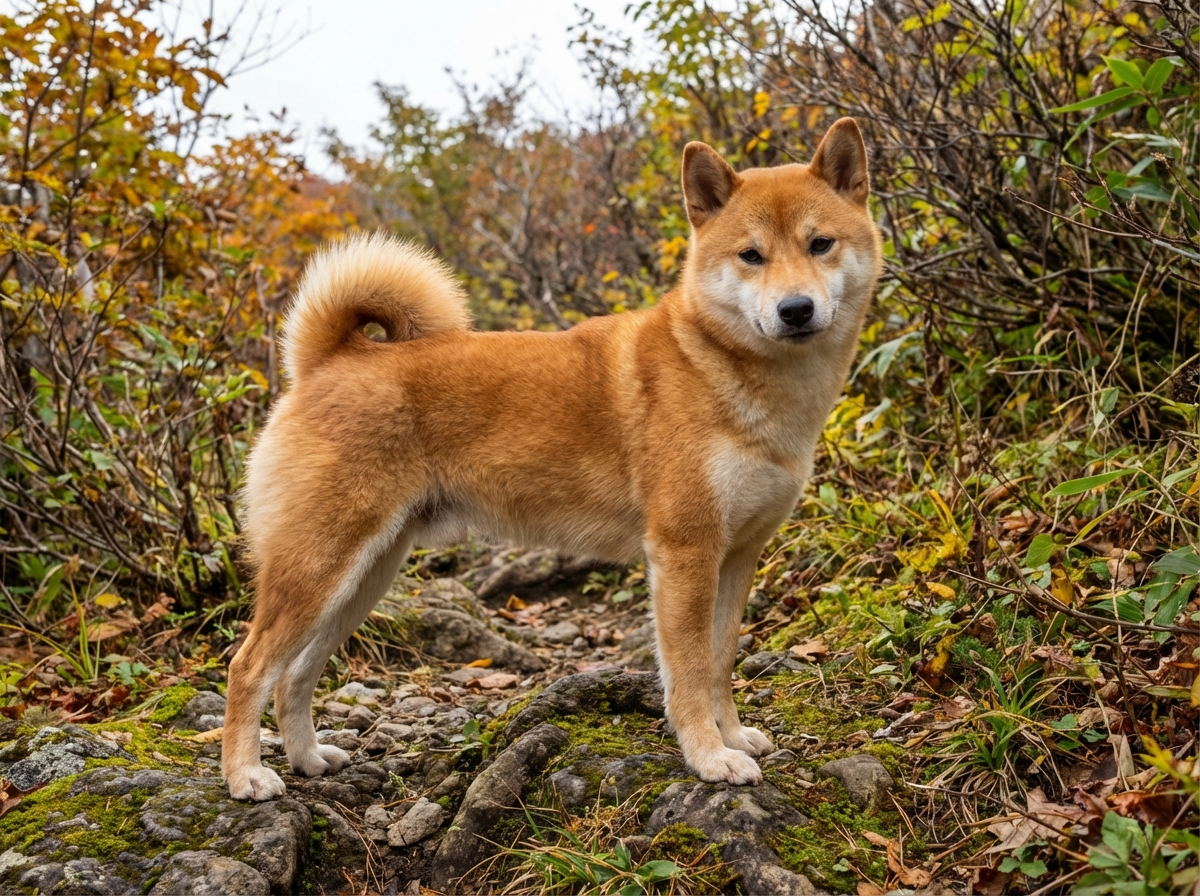
Aisha, a busy teacher in Los Angeles, noticed her Shibа Inu, Kiko, was frequently rubbing his eyes and seemed uncomfortable. After a vet visit, she learned that Kiko was at a higher risk for ocular disease, which is common in this breed. Aisha felt overwhelmed but committed to following the vet's advice, which included specific eye drops and a gentle cleaning routine. Over the next few weeks, she diligently applied the treatment and monitored Kiko's reactions. With persistence, Kiko's symptoms lessened significantly, and he began to enjoy his daily walks again.
Key takeaway: With regular care and guidance from a vet, you can effectively manage Shibа Inu ocular disease and improve your dog's quality of life.
Shibа Inus are prone to ocular diseases due to their genetic makeup. Factors like age, environment, and overall health can increase their risk. Regular vet check-ups can help monitor and manage any eye issues.
To prevent ocular disease, ensure your Shibа Inu has a healthy diet, regular exercise, and routine veterinary care. Protect their eyes from irritants and avoid exposing them to extreme weather conditions. Early detection through vet visits is crucial.
Symptoms can include excessive tearing, redness, squinting, or discharge from the eyes. You might also notice your dog rubbing their eyes or avoiding bright lights. If you observe any of these signs, consult your vet immediately.
To address ocular disease, follow your vet's recommendations for treatment and medication. Make sure to keep their eyes clean and regularly inspect them for signs of irritation. Training your Shibа Inu to avoid rubbing their eyes can also help.
Many cases of ocular disease are treatable, especially if caught early. Treatment options may include medication, eye drops, or, in severe cases, surgery. Always consult your veterinarian for the best course of action.
Yes, untreated ocular disease can lead to complications such as vision loss or more severe eye conditions. It's important to monitor your Shibа Inu's eye health and seek veterinary care for any concerns.
Symptoms of ocular disease in Shibа Inus can include excessive tearing, redness, squinting, and cloudiness in the eyes. If you notice these signs, it's essential to consult a veterinarian for proper diagnosis and treatment.
Yes, if not treated promptly, ocular disease can potentially lead to blindness in Shibа Inus. Regular check-ups with a vet can help catch issues early and prevent severe outcomes.
Ocular disease can have hereditary factors in Shibа Inus, making some dogs more prone to these conditions. Breeding practices that prioritize eye health can help reduce the risk of passing on these issues.
Managing ocular disease in your Shibа Inu at home involves maintaining good eye hygiene and monitoring for changes in symptoms. Follow your vet's advice on medications and treatments, and ensure regular vet visits for check-ups.
You should take your Shibа Inu to the vet if you notice any signs of discomfort, such as pawing at the eyes, excessive tearing, or changes in vision. Prompt attention can help prevent serious complications.
Regular vet check-ups and a healthy diet can help prevent ocular disease in Shibа Inus. Keep their eyes clean and avoid irritants. Early detection is key to successful treatment.
It's best to take your Shibа Inu for an eye check at least once a year. If they show symptoms of ocular disease, visit the vet sooner.
Yes, Shibа Inus are among the breeds more prone to ocular diseases. Other small breeds may also face similar risks.
You can gently clean around their eyes with a damp cloth and ensure their environment is free from dust and allergens. Avoid letting them rub their eyes.