Behavior
What are quick tips for managing Shibа Inu myotonia congenita?
Gentle, regular exercise and a balanced diet are key for managing myotonia congenita in Shibа Inus. Always consult your vet for personalized advice.
Shibа Inu myotonia congenita causes muscle stiffness in these adorable dogs. This can affect their mobility and comfort.
Typically, first-time Shibа Inu owners or those unaware of this condition may find it particularly challenging. Busy families or individuals with high-energy lifestyles might struggle to adapt their routines to accommodate their dog's needs.
This guide is not medical advice. If your dog shows pain, sudden behavior change, or worsening symptoms, consult a licensed veterinarian.
Some links may be affiliate links. We may earn a commission at no extra cost to you. We only suggest products we believe are helpful for dog owners.
Shibа Inu myotonia congenita is a condition that causes muscle stiffness, affecting the dog's ability to move smoothly. On a day-to-day basis, this may lead to difficulty in walking, jumping, or playing. Owners may notice their Shibа Inu struggling to get up or appearing stiff after resting, which can be concerning and frustrating.
Myotonia congenita is relatively uncommon in Shibа Inus, but it can still occur. It's important for owners to be aware of this condition, especially if they notice unusual stiffness in their dog.
Shibа Inus can be predisposed to myotonia congenita due to genetic factors. This condition often leads to muscle stiffness that can affect their movement and overall comfort. Breeds like the Shibа Inu may inherit this condition from their ancestors, leading to varying degrees of stiffness.
Environmental factors can also play a role in exacerbating myotonia congenita. Stressful situations, lack of exercise, or inappropriate living conditions can worsen symptoms. For example, a confined living space may not allow your Shibа Inu to move freely, increasing muscle stiffness.
If your Shibа Inu's stiffness seems severe or is affecting their ability to enjoy daily activities, consider hiring a professional trainer. They can create a tailored exercise program to help manage the condition and improve mobility.
If you notice significant changes in your Shibа Inu's movement or behavior, consult your vet. They can assess the severity of myotonia congenita and recommend treatments or therapies that may be necessary.
You can expect to see improvements within 4 to 6 weeks of consistent training and management.
Success means your Shibа Inu will show reduced muscle stiffness, allowing for smoother movement and more playfulness.
Avoid these common mistakes to help your Shibа Inu with myotonia congenita. Making adjustments can lead to better outcomes.
Recognizing when Shibа Inu myotonia congenita becomes an emergency is crucial for your dog's health. There are specific red-flag signs that indicate you should call your vet immediately. These include severe muscle stiffness leading to inability to move, difficulty breathing, or seizures. If your Shibа Inu shows any of these symptoms, don’t wait. Get help right away.
On the other hand, if your dog experiences mild stiffness or occasional muscle cramps, you can monitor the situation at home. Keep an eye on their behavior and daily activities. It's important to note if these mild symptoms worsen or if your dog seems to be in pain. You might consider keeping a log of their episodes to share with your vet at your next appointment.
In summary, always err on the side of caution. If you're ever unsure about your dog's condition, contacting your veterinarian is the best course of action. They can guide you in deciding whether it's an emergency or if it's something you can manage with a plan.
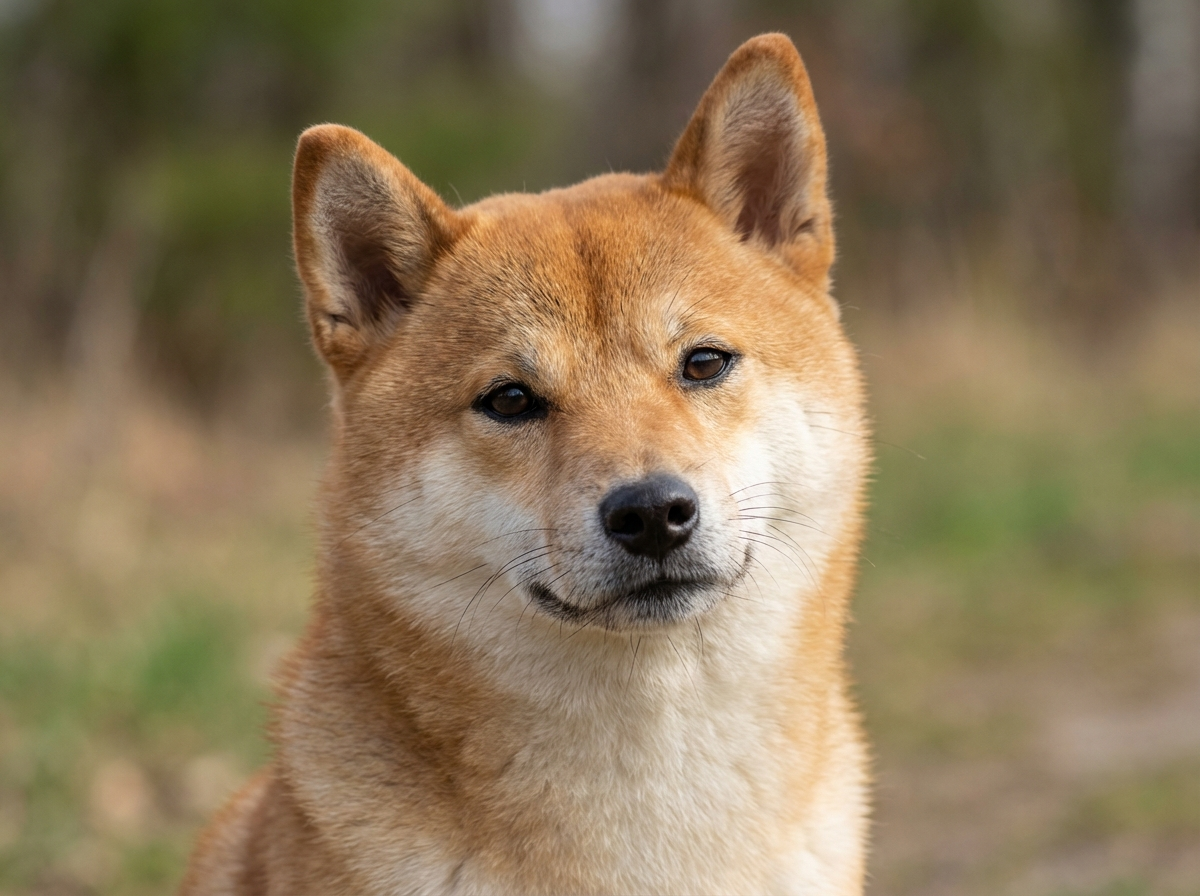
Jenna adopted her Shibа Inu, Kiko, who had myotonia congenita. Initially, Kiko struggled with muscle stiffness, making it hard for him to enjoy walks or playtime. After consulting with a vet, Jenna learned about specific exercises and training techniques to help Kiko manage his condition. She created a daily routine that included gentle stretches and regular playtime to keep him active. Over a few weeks, Jenna noticed that Kiko was moving more freely and was much happier during their walks.
Key takeaway: With the right training and care, you can significantly improve your Shibа Inu's quality of life despite myotonia congenita.
Myotonia congenita in Shibа Inus is often due to a genetic condition that affects muscle relaxation. This condition can cause stiffness after the muscles are used. It's important to consult with a veterinarian for a proper diagnosis and management plan. This answer relates to Shibа Inu myotonia congenita.
Helping your Shibа Inu involves regular, gentle exercise to prevent stiffness. Incorporate short walks and play sessions to keep their muscles active. Consulting a vet for tailored advice and possibly physical therapy can also be beneficial.
Signs of myotonia congenita include muscle stiffness, difficulty moving after rest, and a struggle to relax muscles after activity. You may notice your Shibа Inu takes longer to recover after playtime. Observing these symptoms can help you address the issue early.
While there’s no cure for myotonia congenita, treatment focuses on managing symptoms. This can include medication, exercise routines, and physical therapy. Collaborating with your vet will help in creating an effective management strategy.
Myotonia congenita is not extremely common, but it can occur in Shibа Inus due to their genetic makeup. Awareness of this condition is important for early detection and management. Regular vet check-ups can help monitor your dog’s health.
Symptoms of myotonia congenita in Shibа Inus typically include muscle stiffness, particularly after rest. You may notice your dog has difficulty moving initially but improves after warming up. If you observe these signs, it's essential to consult your vet for proper diagnosis and management.
Yes, older Shibа Inus may experience more pronounced symptoms of myotonia congenita. As dogs age, their muscles and overall health can decline, potentially worsening stiffness and mobility issues. Regular check-ups with your vet can help monitor these changes.
To help your Shibа Inu with myotonia congenita, ensure they have a warm and comfortable environment. Gentle exercise, like short walks, can help alleviate stiffness, but always consult your vet for tailored advice. Consider incorporating physical therapy or massage to improve their mobility.
Yes, myotonia congenita is often inherited in Shibа Inus. It can be passed down through their genes, leading to muscle stiffness. If you're considering breeding or adopting, it's essential to understand this condition and its implications on your dog's health.
You should see a vet if your Shibа Inu's symptoms worsen or if you notice any new issues, such as severe stiffness or difficulty breathing. Early intervention can help manage the condition and improve your dog's quality of life. Regular veterinary visits are crucial for monitoring their health.
Gentle, regular exercise and a balanced diet are key for managing myotonia congenita in Shibа Inus. Always consult your vet for personalized advice.
Aim for short, frequent exercise sessions several times a day. This helps keep their muscles active without overexertion.
Medication may be recommended by your vet to help manage symptoms of myotonia congenita. This should be discussed in detail during your vet visits.
Yes, positive reinforcement training can help your Shibа Inu adapt to their condition. It encourages mental stimulation and improves overall behavior.