Health
What are quick tips for managing Shibа Inu most common genetic disorders?
Regular vet check-ups and a healthy diet are essential for managing genetic disorders in Shibа Inus. Focus on low-impact exercise to protect their joints.
Shibа Inus can face specific genetic disorders that every owner should know about. These health issues can significantly impact their quality of life. (Shibа Inu most common genetic disorders)
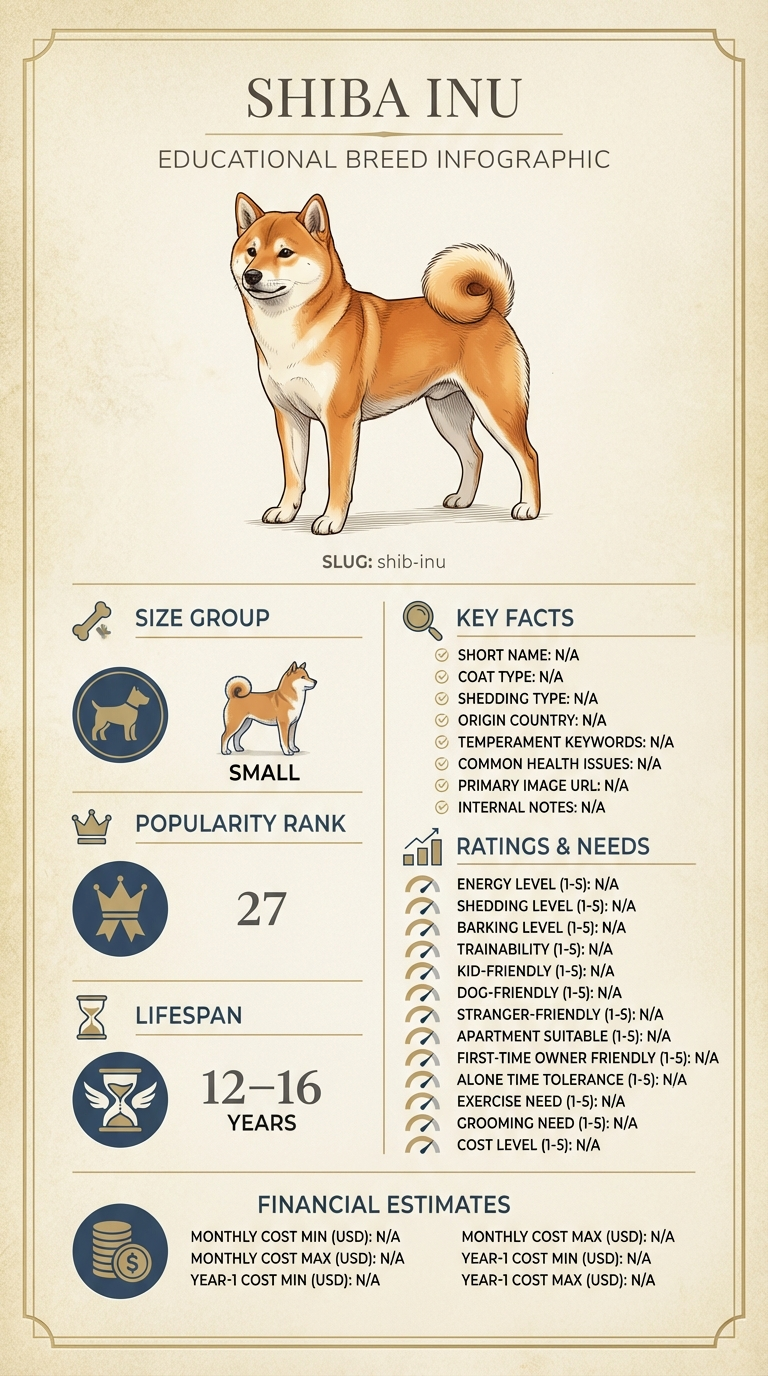
Owners of Shibа Inus, particularly first-time dog parents or those unfamiliar with breed-specific health issues, often struggle with understanding and managing these genetic disorders.
This guide is not medical advice. If your dog shows pain, sudden behavior change, or worsening symptoms, consult a licensed veterinarian.
Some links may be affiliate links. We may earn a commission at no extra cost to you. We only suggest products we believe are helpful for dog owners.
Shibа Inus can face various genetic disorders that affect their overall health. These include elbow dysplasia and dilated cardiomyopathy, which are more common in this breed. Daily life can be challenging for both the dog and the owner when dealing with these issues, as they may lead to pain, limited mobility, or other health complications.
Genetic disorders are quite common in Shibа Inus, particularly elbow dysplasia, which affects many dogs in this breed. Awareness and early intervention can help manage these disorders effectively.
Shiba Inus are prone to specific genetic disorders due to their breeding history. Conditions like elbow dysplasia and dilated cardiomyopathy are more common in this breed. These disorders stem from inherited traits that can be exacerbated by selective breeding.
Environmental factors can also contribute to genetic disorders in Shiba Inus. Poor nutrition, lack of exercise, and inadequate veterinary care can worsen existing conditions. Stressful living environments may trigger or aggravate health issues, making it essential to provide a stable, healthy home.
If your Shiba Inu shows signs of anxiety or behavioral issues, consider hiring a trainer. A professional can help with socialization and provide strategies tailored to your dog's needs, especially if they exhibit signs of separation anxiety or aggression.
If you notice persistent health issues or changes in behavior, it's time to consult a vet. Regular check-ups are essential for early detection of genetic disorders, and your vet can recommend treatments or lifestyle changes tailored to your Shiba Inu's specific needs.
Addressing Shibа Inu most common genetic disorders can take several months to years, depending on the specific condition and treatment plan.
Success means managing or mitigating symptoms effectively, improving your dog's quality of life, and maintaining regular veterinary check-ups.
Addressing genetic disorders in your Shiba Inu requires careful attention. Here are common mistakes that can hinder progress and reinforce issues.
Understanding when your Shibа Inu's genetic disorders require immediate veterinary attention is crucial. If your dog shows severe symptoms like difficulty breathing, persistent vomiting, or inability to stand, these are red flags. These signs can indicate serious conditions that need urgent care, especially if they are sudden or worsening.
On the other hand, if your Shibа Inu has mild symptoms such as occasional limping or slight lethargy, you can monitor them at home. It’s wise to keep an eye on these less severe signs and develop a watch-and-wait plan. Record any changes and consult your vet if the situation doesn’t improve within a couple of days.
Remember that early intervention can make a significant difference in your dog's health. If you're ever in doubt, it's better to err on the side of caution and contact your vet. They can guide you on whether your Shibа Inu's condition needs immediate attention or if it can be managed with observation.
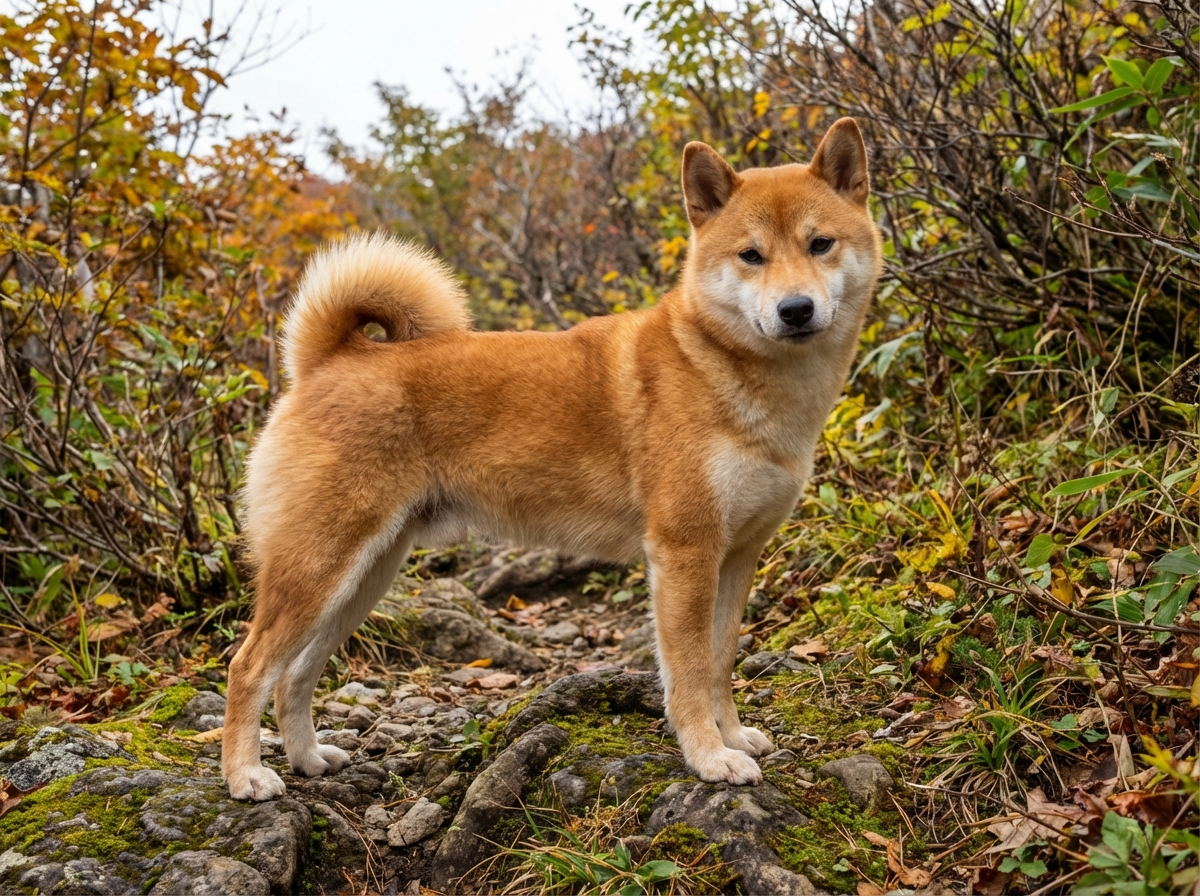
Jenna, a first-time dog owner, adopted a Shibа Inu named Koda. Shortly after bringing him home, she noticed he was limping and not as active. A vet visit confirmed that Koda had elbow dysplasia, a common genetic disorder in purebreds. Jenna felt overwhelmed but committed to helping Koda. She started a tailored exercise routine, including low-impact activities, and followed the vet's advice on weight management. Over time, Koda became more energetic and his limping reduced significantly, showing that with the right care, even challenging genetic issues can be managed.
Key takeaway: With dedication and proper veterinary guidance, it's possible to manage Shibа Inu most common genetic disorders and enhance your dog's life.
Shibа Inus are prone to several genetic disorders, including hip dysplasia and patellar luxation. These conditions can lead to mobility issues and require careful management. Regular vet check-ups can help catch any problems early. This answer relates to Shibа Inu most common genetic disorders.
Genetic disorders in Shibа Inus are often due to their breeding practices. Many purebreds are bred without considering genetic health, leading to a higher likelihood of disorders. It's essential to choose a responsible breeder who tests for these issues.
Providing a balanced diet, regular exercise, and maintaining a healthy weight can help manage symptoms of genetic disorders. Consult with your vet for tailored advice based on your dog's specific condition. Training and mental stimulation can also be beneficial.
Yes, training should be gentle and focus on positive reinforcement. Avoid putting too much strain on their joints during training. Incorporating short, engaging sessions can help keep your Shibа Inu motivated and comfortable.
If you notice any signs, such as limping or difficulty in movement, contact your vet immediately. Early intervention can significantly improve your dog's quality of life. Regular screenings are also crucial for monitoring their health.
Common signs include lethargy, difficulty walking, or unusual behavior. If you notice changes in your Shibа Inu's energy levels or mobility, it's essential to consult a vet.
For older Shibа Inus, providing a comfortable environment and regular vet check-ups can help manage symptoms. Gentle exercise and a balanced diet are also crucial for maintaining their health.
Yes, many genetic disorders are hereditary, passed down from parents to their puppies. It's important to choose a reputable breeder who tests for common genetic issues to reduce the risk.
If your Shibа Inu shows persistent symptoms like coughing, limping, or loss of appetite, it's time to visit the vet. Early detection is key to managing genetic disorders effectively.
Yes, training can help address behavior issues stemming from genetic disorders. Consistent, positive reinforcement training can improve your Shibа Inu's behavior and strengthen your bond.
Regular vet check-ups and a healthy diet are essential for managing genetic disorders in Shibа Inus. Focus on low-impact exercise to protect their joints.
Choose a reputable breeder who screens for genetic issues. Regular health checks and responsible breeding practices can reduce the risk of disorders.
Avoid high-impact activities that stress their joints, like jumping or prolonged running. Gentle, short training sessions are more suitable.