Behavior
What are quick tips for managing luxating patellas in Shibа Inus?
Keep your Shibа Inu at a healthy weight, provide joint supplements, and engage in low-impact exercise to manage luxating patellas effectively.
Shibа Inu luxating patellas can be a troubling issue for dog owners. This condition involves the dislocation of the kneecap, which can lead to pain and mobility problems.
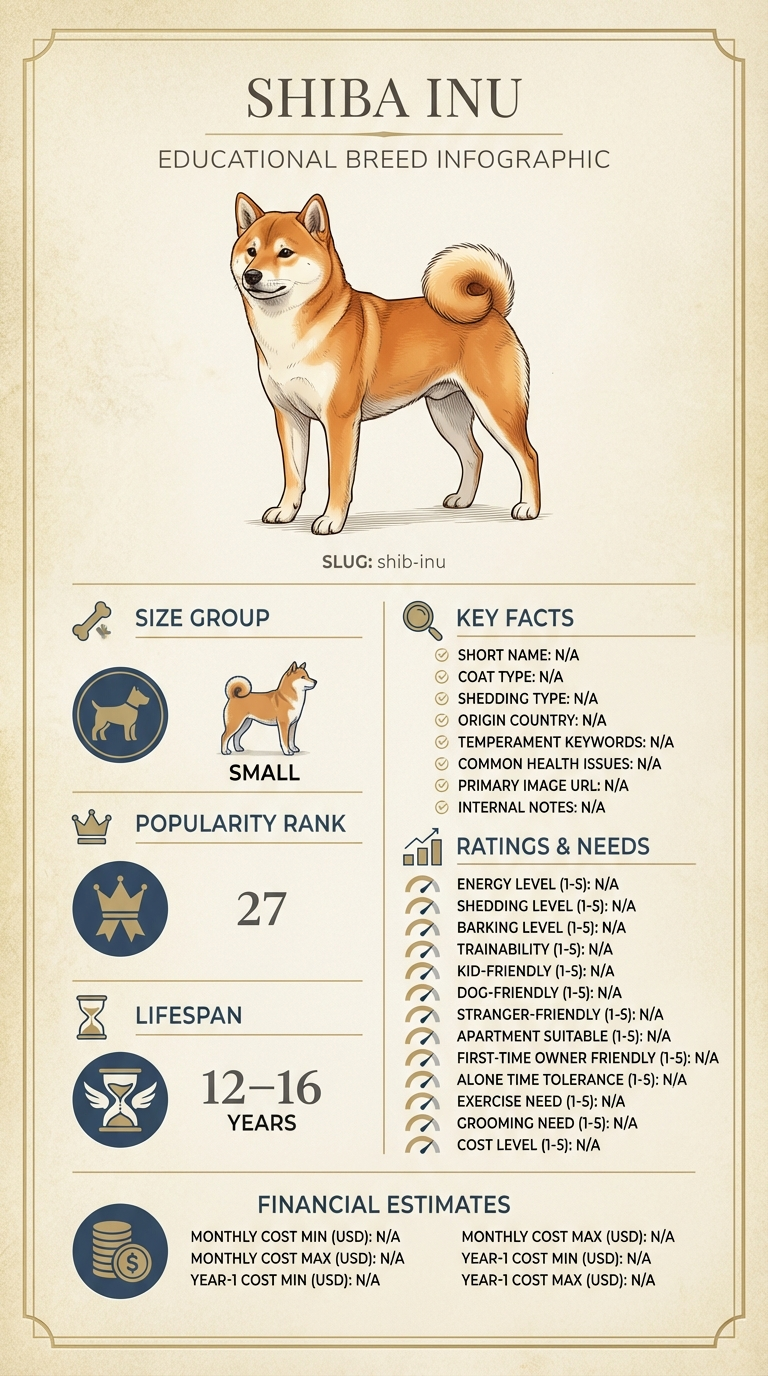
Owners of Shibа Inus, especially first-time dog parents, often face challenges with luxating patellas. Many are unsure how to recognize the signs or what steps to take for treatment and management.
This guide is not medical advice. If your dog shows pain, sudden behavior change, or worsening symptoms, consult a licensed veterinarian.
Some links may be affiliate links. We may earn a commission at no extra cost to you. We only suggest products we believe are helpful for dog owners.
Shibа Inus can struggle with luxating patellas, a condition where their kneecap dislocates. This issue can lead to pain and difficulty walking or running. Owners might notice their dog limping or favoring one leg, especially after exercise or playtime.
Luxating patellas are relatively common in Shibа Inus, particularly due to their small size and structure. Many Shibа Inus may experience this condition at some point in their lives.
Shibа Inus are small dogs with a genetic predisposition to luxating patellas. Their conformation, including their leg structure, can lead to instability in the knee joint. This can be more pronounced in puppies or younger dogs as their bones and joints are still developing.
Environmental factors, such as rough play or slippery surfaces, can exacerbate the issue. If your Shibа Inu is overweight, extra weight can put added stress on their knees, worsening the dislocation. Additionally, a lack of proper exercise and muscle development can contribute to the problem.
If your Shibа Inu struggles with basic commands or shows fear during training sessions, a professional trainer can help. They can provide tailored strategies that cater to your dog’s needs while keeping training fun and effective.
It's essential to consult a vet if you notice persistent limping, pain, or if your Shibа Inu seems uncomfortable. They may recommend X-rays to assess the severity of the luxation and suggest further treatment options.
You can expect to see improvements within 4 to 6 weeks of dedicated training and care.
Success means your Shibа Inu will have better stability and reduced discomfort, allowing them to play and move with ease.
Avoid these common mistakes that can worsen your Shibа Inu's luxating patellas. Instead, consider safer alternatives that promote better health.
Recognizing when luxating patellas in your Shibа Inu is an emergency is crucial. If your dog is limping, in severe pain, or unable to put weight on their leg, it's time to call your vet immediately. These symptoms can indicate a serious dislocation that requires prompt medical attention.
Additionally, if you observe swelling around the knee or if your Shibа Inu is yelping when touched, these are red flags. Other signs to watch for include difficulty standing, noticeable changes in behavior, or if your dog seems unusually lethargic. These can all point to more serious underlying issues.
On the other hand, if your Shibа Inu occasionally shifts their weight to avoid discomfort or if you notice mild limping after exercise, this might not require an emergency visit. In these cases, monitor your dog’s behavior and activity levels. You can create a plan to limit their activity until the symptoms improve, but ensure you still consult your vet for advice. Regular check-ups are essential to manage their condition.
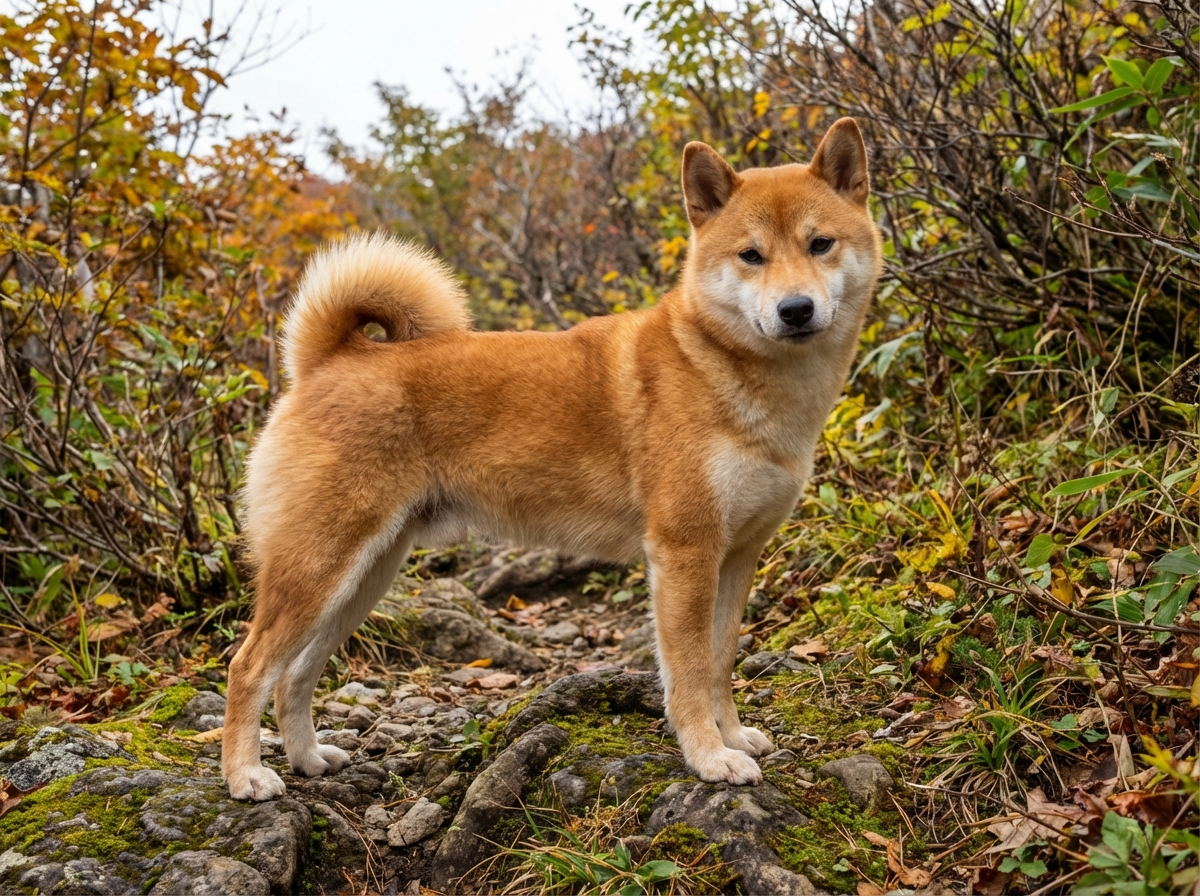
When Mia adopted her Shibа Inu, Kiko, she noticed he often limped and seemed hesitant to run. After consulting her vet, she learned about luxating patellas and the importance of training to strengthen Kiko's muscles. Mia committed to a gentle exercise routine and adjusted his diet to include joint supplements. After a few weeks, Kiko showed remarkable improvement. He began playing with other dogs and was much more active. Mia felt a wave of relief and joy watching her furry friend thrive.
Key takeaway: With patience and proper training, you can help your Shibа Inu manage luxating patellas and improve their quality of life.
Shibа Inus can inherit luxating patellas, which is a condition where the kneecap dislocates. This issue can also develop due to injuries or wear and tear over time. If your dog shows signs of discomfort, it's essential to consult a vet for a proper diagnosis.
Signs of luxating patellas include limping, difficulty in walking, or your dog suddenly lifting a leg while running. You might also notice your Shibа Inu trying to adjust its position frequently to relieve discomfort. A vet can perform tests to confirm the diagnosis.
Treatment may include weight management, physical therapy, or surgery if the condition is severe. For mild cases, vets often recommend exercises and lifestyle changes to strengthen the muscles around the knee. Always discuss the best approach with your veterinarian.
While you can't completely prevent luxating patellas, maintaining a healthy weight and providing joint-supporting supplements can help. Regular, controlled exercise is also beneficial for keeping your dog's joints strong and flexible.
Training should focus on gentle, low-impact activities that don't strain your dog's knees. Positive reinforcement methods work well, especially for Shibа Inus, who can be a bit stubborn. Always consult with a trainer who understands your dog's condition.
Look for signs like limping, difficulty walking, or sudden shifts in their gait. Your Shibа Inu may also seem reluctant to jump or play due to discomfort.
Yes, if left untreated, luxating patellas can lead to more severe joint issues and pain as your Shibа Inu ages. Regular vet check-ups are essential to monitor their condition.
Not always. Some cases can be managed with weight control, physical therapy, and training. However, surgery may be recommended for severe cases to ensure your dog’s comfort and mobility.
For older dogs, gentle exercise and maintaining a healthy weight are crucial. Consult your vet for tailored exercises and potential supplements that can support joint health.
If you notice persistent limping, pain, or reluctance to move, it's time for a vet visit. Early intervention can make managing luxating patellas much easier.
Keep your Shibа Inu at a healthy weight, provide joint supplements, and engage in low-impact exercise to manage luxating patellas effectively.
If your Shibа Inu is experiencing a luxating patella episode, gently support their leg and limit their movement until you can consult a vet.
If your Shibа Inu shows consistent limping, difficulty jumping, or is in pain when walking, it's time to see a vet for luxating patellas.


