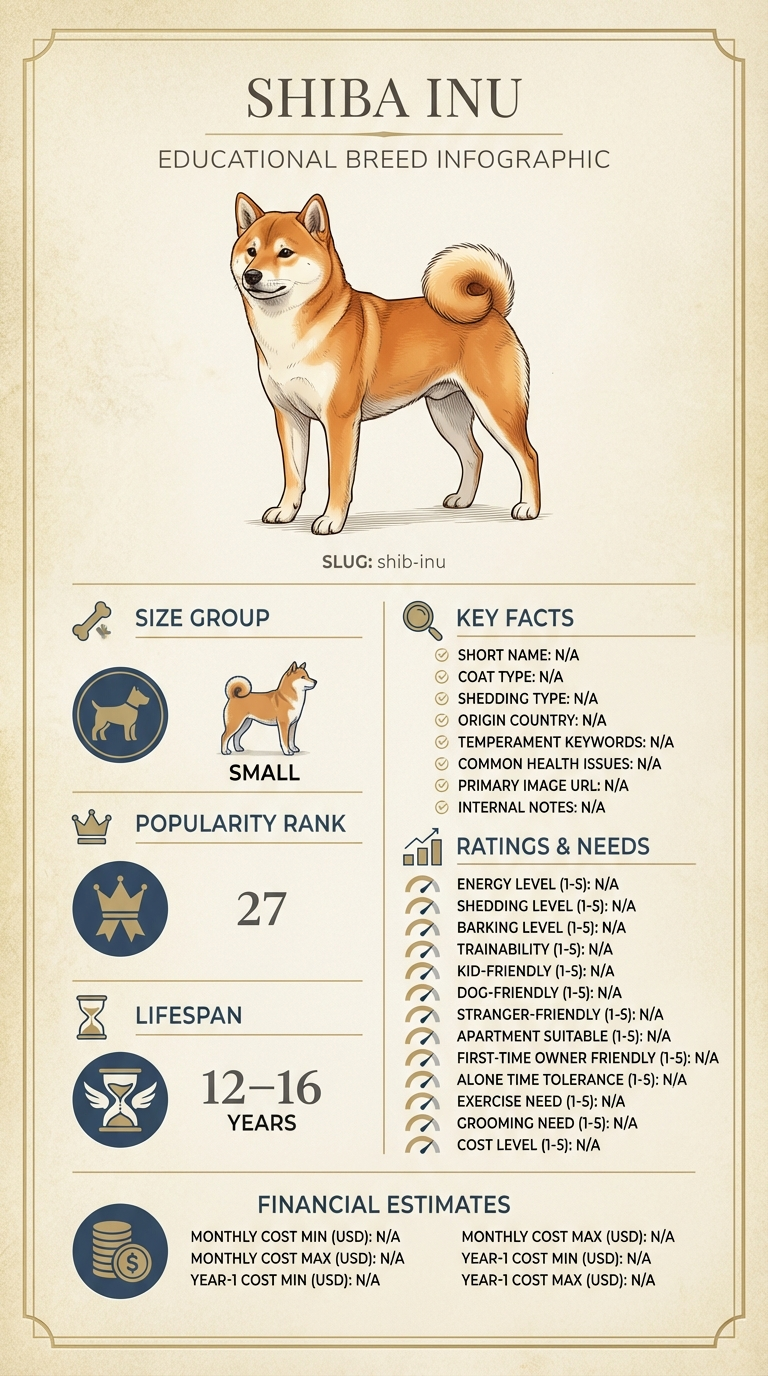
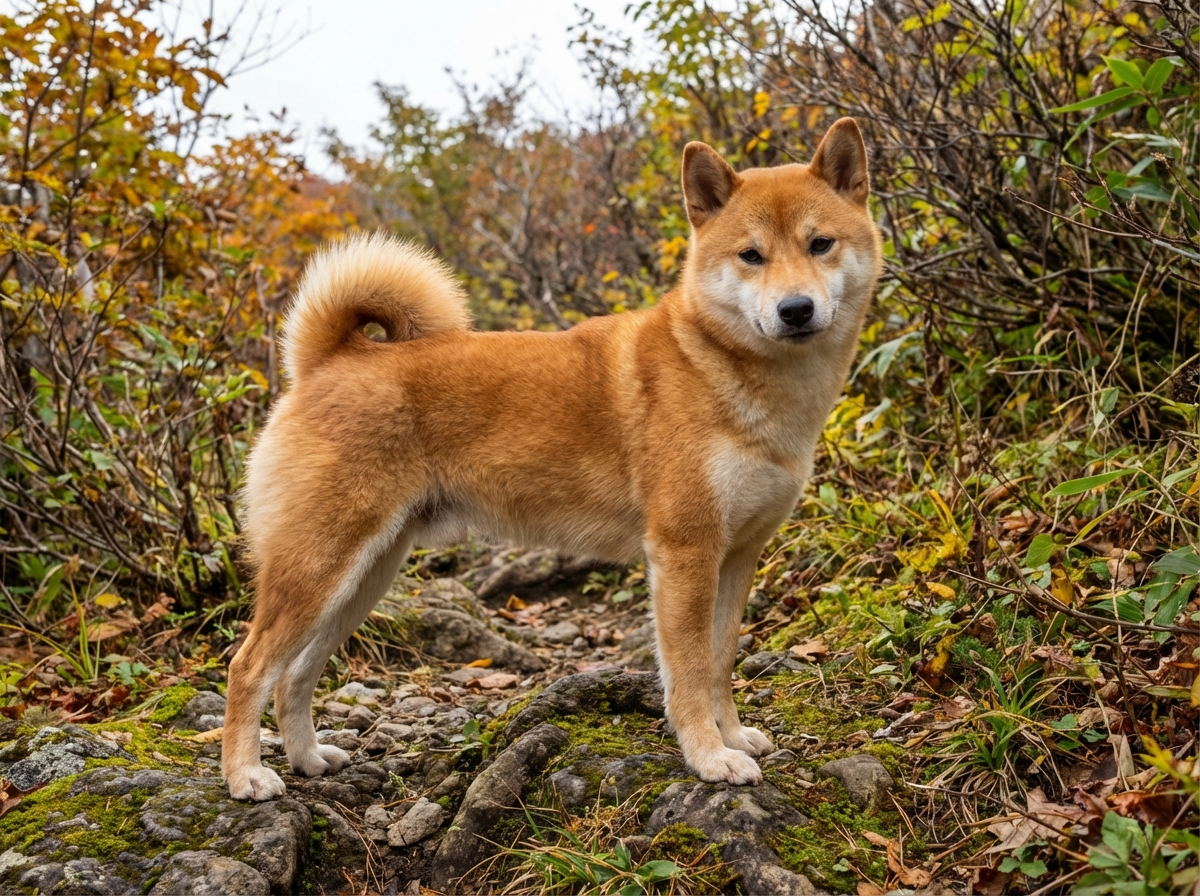
Shibа Inu intervertebral disc disease (IVDD) is a serious health issue that affects the spine and can lead to pain and mobility problems.
Owners of Shibа Inus, especially those who may not be aware of the breed's susceptibility to spine issues, often face challenges. First-time dog owners or those with limited experience in dog health care may find this condition particularly daunting.
Important reminder
This guide is not medical advice. If your dog shows pain, sudden behavior change, or worsening symptoms, consult a licensed veterinarian.
Some links may be affiliate links. We may earn a commission at no extra cost to you. We only suggest products we believe are helpful for dog owners.
What this problem looks like
Shibа Inu intervertebral disc disease (IVDD) can significantly impact your dog's daily life. This condition affects the spine, causing pain, decreased mobility, and sometimes even paralysis. Common signs include reluctance to move, difficulty jumping, and unusual whining or yelping when touched.
Common triggers
Genetic predisposition
Age-related degeneration
Obesity or excessive weight
Injury or trauma
IVDD is a prevalent issue among Shibа Inus, particularly as they age. Many owners may notice symptoms develop in dogs around 5 to 7 years old, though it can occur earlier, especially in those with a family history of the disease.
Why this happens
Breed factors
Shibа Inus are small dogs with a unique body structure that can make them prone to intervertebral disc disease (IVDD). Their spinal anatomy, combined with their active nature, can lead to wear and tear on the discs between the vertebrae. This breed is also known for its stubbornness, which can impact their willingness to follow commands that help protect their back.
Environment factors
Environmental factors such as obesity, lack of exercise, and improper handling can contribute to the risk of IVDD. If your Shibа Inu is overweight, the extra weight puts stress on their spine. Additionally, high-impact activities or jumping from heights can exacerbate the problem, leading to disc issues.
What you can try
At-home strategies
Maintain a healthy weight by feeding your Shibа Inu a balanced diet and measuring their portions. Regular exercise is important, but avoid high-impact activities like jumping or running on hard surfaces.
Create a safe environment by minimizing access to stairs or areas where jumping is necessary. Use ramps or pet stairs for furniture or cars to reduce strain on their back.
Incorporate gentle stretching and low-impact exercises such as short walks or swimming to strengthen their back muscles. Monitor their activity to ensure they are not pushing themselves too hard.
When to consider a trainer
If your Shibа Inu shows signs of anxiety or resistance to following commands that could protect their back, consider working with a professional trainer. They can provide behavioral strategies to help your dog understand safe movements and reduce risks of injury.
When to talk to your vet
If your Shibа Inu exhibits signs of pain, such as yelping, reluctance to move, or changes in behavior, consult your veterinarian. They can assess the severity of the issue and recommend appropriate treatments, which may include medication, physical therapy, or, in severe cases, surgery.
Realistic expectations
You may start seeing improvements in about 4 to 8 weeks with consistent care and training.
Success means your Shibа Inu experiences less pain, increased mobility, and a more comfortable life.
Mistakes that make this worse
Avoiding certain behaviors can help manage Shibа Inu intervertebral disc disease (ivdd). Here are common mistakes to avoid and safer alternatives.
Ignoring early signs of discomfort: Many owners wait too long to act when they notice their Shibа Inu is in pain. Addressing issues early can prevent further injury. If you see signs like reluctance to move or yelping, consult your vet right away.
Overexerting during play: Allowing your Shibа Inu to engage in rough play can exacerbate ivdd symptoms. Instead, offer gentle, controlled exercise, like short walks or calm fetch sessions.
Neglecting weight management: Overweight dogs are at higher risk for ivdd. Ensure your Shibа Inu maintains a healthy weight through proper diet and regular vet check-ups.
Skipping physical therapy: Some owners may think rehab is unnecessary. In reality, physical therapy can significantly aid recovery. Consult your vet about suitable exercises for your Shibа Inu.
Using inappropriate bedding: Hard surfaces can worsen spine issues. Provide a soft, supportive bed to help your Shibа Inu rest comfortably.
Failing to adjust home environment: Not modifying your home can lead to accidents. Use ramps or steps to help your Shibа Inu access furniture safely, reducing strain on their back.
When Shibа Inu Intervertebral Disc Disease (IVDD) is an Emergency
Recognizing when your Shibа Inu's intervertebral disc disease (IVDD) requires immediate veterinary attention is crucial. If your dog shows any severe symptoms, it's time to call your vet right away. These red-flag signs include sudden paralysis, an inability to walk, or severe pain when touched. Other warning signs are loss of bladder control, a hunched back, or noticeable reluctance to move. These symptoms suggest serious complications that need prompt treatment.
In contrast, if your Shibа Inu is experiencing mild symptoms, you may monitor the situation at home. Signs that warrant observation include occasional stiffness, slight reluctance to jump, or a change in energy levels. If these symptoms are mild and your dog can still walk without difficulty, you can create a monitoring plan. Keep an eye on their behavior and comfort level, but ensure you have a vet's contact information handy in case things worsen.
It's essential to stay attentive to your Shibа Inu's condition. If you notice any changes, even if they seem minor, consult your vet. Early intervention can make a significant difference in managing IVDD and preventing further complications.
Shibа Inu Intervertebral Disc Disease (IVDD) - When Shibа Inu Intervertebral Disc Disease (IVDD) is an Emergency
Overcoming IVDD Challenges with Kiko the Shibа Inu
When Mia adopted Kiko, her playful Shibа Inu, she noticed he often limped and struggled to jump on the couch. After a vet visit, she learned that Kiko had intervertebral disc disease (IVDD). Determined to help him, Mia followed a tailored exercise plan and invested in supportive gear like a dog harness. She also learned how to modify his environment, making it safer and easier for Kiko to navigate. Within a couple of months, she saw him regain some mobility and even play with his favorite toys again.
Key takeaway: With patience and the right approach, managing IVDD in a Shibа Inu can lead to significant improvements in their quality of life.
Frequently asked questions
Why does my Shibа Inu have intervertebral disc disease (ivdd)?
Shibа Inus are prone to intervertebral disc disease (ivdd) due to their genetic makeup and body structure. Factors like age, weight, and physical activity can increase the risk. It's essential to monitor your dog's activity levels and consult with a vet if you notice any symptoms.
How can I stop Shibа Inu intervertebral disc disease (ivdd)?
While you can't always prevent ivdd, you can minimize risks by maintaining a healthy weight for your Shibа Inu. Regular, low-impact exercise and avoiding high jumps or rough play can also help. Consult your vet for specific training and lifestyle adjustments.
What are the signs of Shibа Inu intervertebral disc disease (ivdd)?
Signs of ivdd in Shibа Inus include difficulty walking, reluctance to jump or climb stairs, and signs of pain like whining or yelping. If you notice these symptoms, it's crucial to seek veterinary advice promptly. Early detection can lead to better outcomes.
Is there a specific training method for Shibа Inu with ivdd?
For Shibа Inus with ivdd, focus on gentle training that emphasizes low-impact activities. Use positive reinforcement techniques to encourage good behavior without putting stress on their back. Always follow your vet's recommendations for training adjustments.
Can surgery help with Shibа Inu intervertebral disc disease (ivdd)?
Surgery can be an effective option for severe cases of ivdd in Shibа Inus. A vet will evaluate the condition and suggest surgery if necessary. Rehabilitation post-surgery is crucial for recovery, so be prepared for follow-up care.
What are the early signs of intervertebral disc disease (IVDD) in my Shibа Inu?
Early signs of Shibа Inu intervertebral disc disease (IVDD) may include reluctance to jump, changes in walking or running, and sensitivity to touch along the spine. If you notice your dog behaving differently, it's best to consult your vet as soon as possible.
Can intervertebral disc disease (IVDD) affect older Shibа Inus differently?
Yes, older Shibа Inus may experience more severe symptoms of intervertebral disc disease (IVDD). Age can increase the risk of complications, so regular vet check-ups are crucial to monitor their spinal health as they age.
What can I do at home to help my Shibа Inu with IVDD?
To help your Shibа Inu with intervertebral disc disease (IVDD), provide a comfortable, supportive space for rest. Limit their physical activity and avoid stairs to prevent further injury. Always check with your vet before starting any home care routine.
How do I know when to take my Shibа Inu to the vet for IVDD?
If your Shibа Inu shows signs of severe pain, inability to walk, or loss of bladder control, you should take them to the vet immediately. Early intervention can make a significant difference in the treatment of intervertebral disc disease (IVDD).
Can training help prevent intervertebral disc disease (IVDD) in Shibа Inus?
While training alone won't prevent intervertebral disc disease (IVDD), it can help maintain a healthy lifestyle and improve muscle strength. Focus on gentle exercises and consult a trainer familiar with IVDD to create a safe training plan for your Shibа Inu.
What are quick tips for managing Shibа Inu intervertebral disc disease (ivdd)?
Keep your Shibа Inu at a healthy weight and provide low-impact exercise. Avoid activities that strain their back. Regular vet check-ups are essential for monitoring their condition.
Living
How can I help my Shibа Inu feel comfortable with ivdd?
Provide a soft, supportive bed and limit their jumping or climbing. Create a calm environment to reduce stress, which can exacerbate their condition.
Costs
Are there any costs associated with treating Shibа Inu ivdd?
Costs can vary widely, but treatments like medication, therapy, or surgery can range from a few hundred to several thousand dollars. Always consult your vet for a cost estimate based on your dog's needs.
Related DogBreedCompass guides
Shibа Inu health concerns – Learn more about common health issues for Shibа Inus, including symptoms and prevention.
Shibа Inu intervertebral disc disease (ivdd) training – Training can help manage IVDD symptoms. Find tips specific to Shibа Inus.
Shibа Inu separation anxiety guide – If your Shibа Inu has separation anxiety, this guide offers solutions.
Shibа Inu behavior problems – Explore other behavior problems that Shibа Inus may face and how to tackle them.
Shibа Inu ownership costs – Understand the costs associated with owning a Shibа Inu and managing health issues.