Behavior
What are quick tips for Shibа Inu hip dysplasia?
Maintain a healthy weight and provide joint supplements as advised by your vet. Regular, low-impact exercise can also help manage symptoms.
Shibа Inu hip dysplasia is a serious condition that affects your dog's mobility and quality of life. Understanding it is crucial for your pet's well-being.
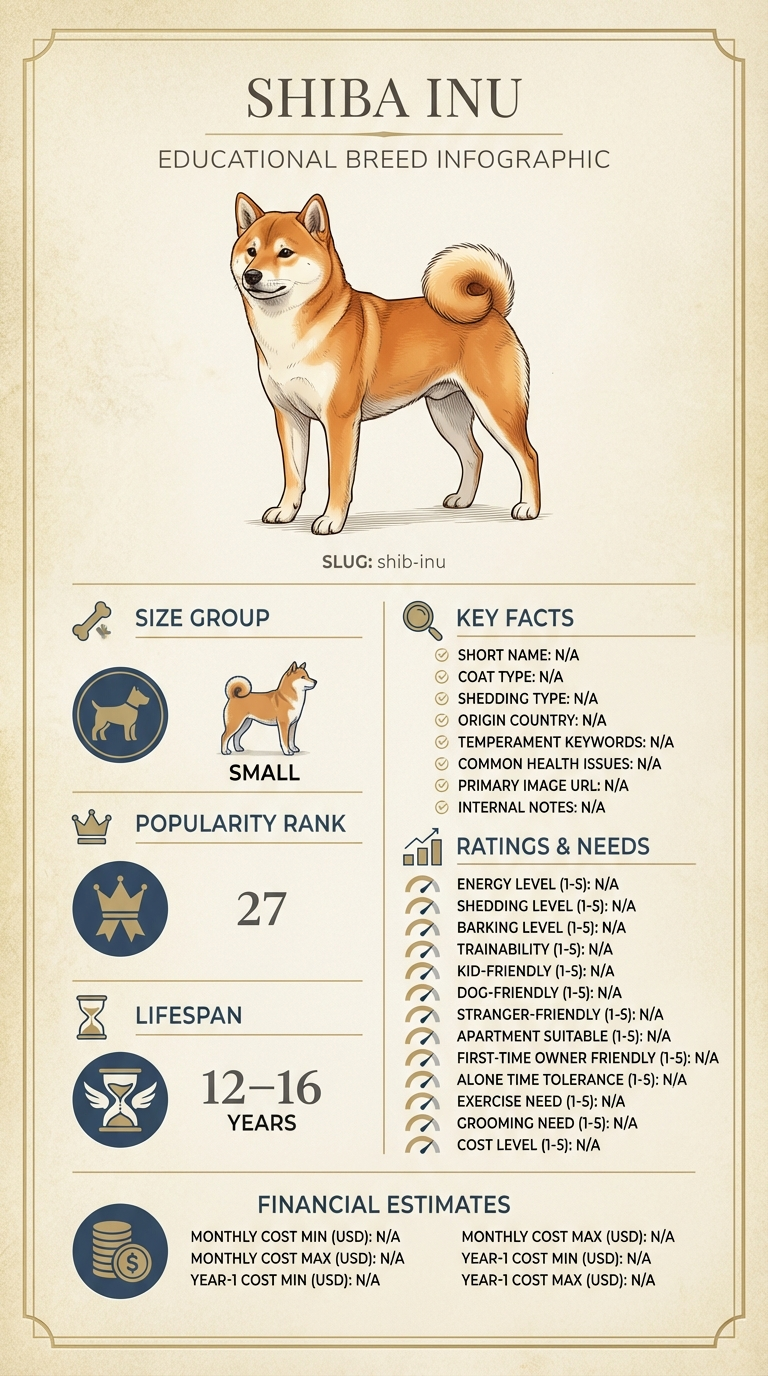
Owners of Shibа Inus, especially those with active lifestyles or older dogs, often find themselves facing this challenge. New pet parents might also be caught off guard by the sudden signs of discomfort in their pets.
This guide is not medical advice. If your dog shows pain, sudden behavior change, or worsening symptoms, consult a licensed veterinarian.
Some links may be affiliate links. We may earn a commission at no extra cost to you. We only suggest products we believe are helpful for dog owners.
Shibа Inu hip dysplasia is a common issue that affects many dogs of this breed. It occurs when the hip joint is malformed, leading to arthritis and mobility problems. This condition can make daily activities, like walking or playing, painful and challenging for your Shibа Inu.
Hip dysplasia is fairly common in Shibа Inus, especially as they age. Studies suggest that a notable percentage of this breed may experience some form of hip dysplasia in their lifetime.
Shibа Inus can be genetically predisposed to hip dysplasia due to their breeding. Poor breeding practices can lead to inherited conditions, which makes this issue more likely in this breed. Additionally, their small size and unique body structure may contribute to joint problems.
Environmental factors such as obesity, lack of exercise, and improper diet can worsen hip dysplasia. If a Shibа Inu is overweight, it places extra strain on their joints. Similarly, inadequate physical activity may lead to weakened muscles around the hips, increasing the risk of mobility issues.
If your Shibа Inu shows signs of anxiety or reluctance to exercise, it may be time to consult a trainer. They can provide techniques to encourage movement without stressing the joints.
If you notice persistent limping, difficulty getting up, or signs of pain, contact your vet. They can recommend treatments, including possible medications or therapies to manage hip dysplasia effectively.
You might start noticing improvements within 2 to 4 months of consistent training and care.
Success means seeing your Shibа Inu move more comfortably, with reduced pain and improved mobility, allowing them to enjoy daily activities.
Avoid these common pitfalls that can worsen Shibа Inu hip dysplasia.
If your Shibа Inu shows severe pain, struggles to walk, or cannot bear weight on a leg, these are urgent signs of a potential emergency. Other red flags include sudden behavioral changes, such as aggression or withdrawal, which can indicate distress. If you notice swelling around the hip joint or any signs of a limp that worsens over time, don't hesitate to seek immediate care.
On the other hand, if your Shibа Inu is experiencing mild discomfort, such as occasional stiffness after resting, this might not require an emergency visit. You can monitor their activity, ensuring they get gentle exercise without overexertion. Keeping track of their weight and maintaining a healthy diet can also help manage the symptoms of hip dysplasia.
It's essential to have a plan for regular vet check-ups to evaluate their condition. If your dog is showing mild signs, note when they occur and how long they last. Keeping a record can be helpful during vet visits. Remember, when in doubt, it’s better to consult your vet. Catching issues early can prevent more severe problems down the line, so don’t ignore your instincts as a pet owner.
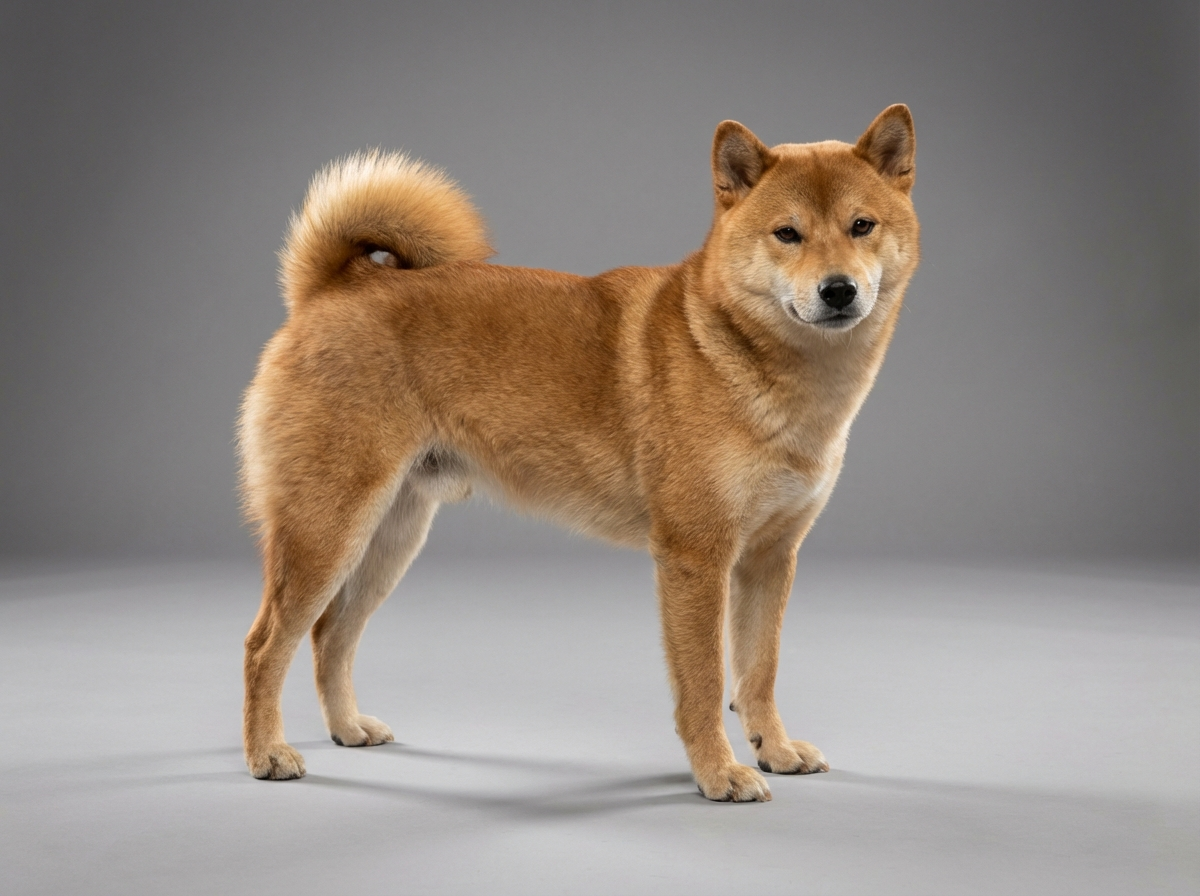
Jake, a first-time dog owner, noticed his Shibа Inu, Yuki, struggling to jump on the couch or take long walks. After a visit to the vet, he learned that Yuki had hip dysplasia. Determined to help, Jake researched how to stop Shibа Inu hip dysplasia and began a regimen of low-impact exercises and weight management. He also incorporated specific training methods to support Yuki's mobility. Over the next few months, Jake saw Yuki becoming more active and playful, gradually improving her quality of life.
Key takeaway: With patience and proper care, you can significantly improve your Shibа Inu's comfort and mobility, even with conditions like hip dysplasia.
Shibа Inus can develop hip dysplasia due to genetic factors, obesity, or rapid growth in puppies. It's important to monitor their weight and ensure they have a balanced diet. Regular vet check-ups can help catch any signs early.
While you can't prevent hip dysplasia entirely, you can manage it through proper diet and weight control. Keeping your Shibа Inu at a healthy weight reduces stress on their joints. Consult your vet for tailored exercise plans that promote joint health.
Common signs include difficulty getting up, limping, or reluctance to play. You may also notice your Shibа Inu avoiding stairs or showing signs of pain when touched near their hips. If you see these symptoms, visit your vet for evaluation.
Treatment options vary from weight management and physical therapy to medication for pain relief. In severe cases, surgical options may be considered. Always discuss the best treatment plan with your veterinarian.
Training can help by encouraging gentle exercises that strengthen the muscles around the hip joints. Avoid high-impact activities that could exacerbate the condition. Focus on low-impact training methods for the best results.
Shibа Inus may develop hip dysplasia due to genetic factors, improper nutrition during growth, or excessive weight. It's important to consult with your vet for an accurate diagnosis and to understand your dog's specific risk factors.
Older Shibа Inus may show signs of hip dysplasia through difficulty standing up, limping, or reluctance to jump or play. If you notice these behaviors, it's crucial to visit your veterinarian for a thorough evaluation.
Training can help improve your Shibа Inu's mobility and overall quality of life. Using gentle exercises and positive reinforcement can strengthen muscles around the hips, but always follow a vet's guidance on appropriate activities.
Surgery may be recommended if your Shibа Inu's hip dysplasia severely affects their quality of life or mobility. A veterinarian will assess the condition and discuss the best options based on your dog's age, weight, and activity level.
A balanced diet that maintains a healthy weight can help manage hip dysplasia. Consider foods rich in omega-3 fatty acids and joint supplements, but consult your vet for personalized dietary recommendations.
Maintain a healthy weight and provide joint supplements as advised by your vet. Regular, low-impact exercise can also help manage symptoms.
Consider using orthopedic beds and ramps to make their environment more comfortable and accessible. This can ease their mobility issues.
Costs can vary widely depending on treatment options, ranging from diet changes to potential surgeries. A vet consultation will provide a clearer cost estimate.
Avoid letting your Shibа Inu engage in high-impact sports or activities that could strain their joints. Focus on low-stress exercises instead.