Health
What should I do if I suspect my Shibа Inu has glaucoma?
Contact your veterinarian immediately for an eye examination and potential treatment options.
Shibа Inu glaucoma is a serious condition that affects your dog's eyes and overall health.
Owners of Shibа Inus often struggle with this issue, especially those who are first-time dog parents or those with older dogs. It can be stressful to see your beloved pet in discomfort, and many feel uncertain about proper care.
This guide is not medical advice. If your dog shows pain, sudden behavior change, or worsening symptoms, consult a licensed veterinarian.
Some links may be affiliate links. We may earn a commission at no extra cost to you. We only suggest products we believe are helpful for dog owners.
Shibа Inu glaucoma is a serious eye condition that can lead to blindness if not treated promptly. This problem manifests as discomfort, excessive tearing, and squinting. Shibа Inus may experience pain and sensitivity to light, making daily activities difficult for them.
Glaucoma is relatively common in Shibа Inus, especially as they age. The breed is known to have a genetic predisposition to eye problems, so regular vet check-ups are crucial.
Shibа Inus are prone to certain genetic conditions, including glaucoma. This breed's eye structure can lead to increased pressure in the eyes, causing discomfort and potential damage to vision over time.
Environmental factors like exposure to bright sunlight or dust can exacerbate eye issues in Shibа Inus. Additionally, poor nutrition or a lack of routine eye care can contribute to the development of glaucoma.
If your Shibа Inu shows signs of anxiety or discomfort related to their eyes, a trainer can help with behavior modification techniques. They can also guide you on how to desensitize your dog to eye examinations or treatments.
If you notice any symptoms like squinting, redness, or changes in vision, contact your vet immediately. They can perform a thorough eye exam and recommend treatments to manage glaucoma effectively.
Managing Shibа Inu glaucoma typically takes several weeks to months, depending on the severity and response to treatment.
Success means your Shibа Inu shows reduced symptoms, improved comfort, and stable eye pressure, allowing them to enjoy daily activities.
Managing Shibа Inu glaucoma requires careful attention. Here are common mistakes that can delay improvement and make the condition worse.
Recognizing when Shibа Inu glaucoma becomes an emergency is crucial. If you notice any sudden changes in your dog's eyes or behavior, it’s time to act. Here are some red flags that mean you should call your vet immediately:
- **Excessive tearing or discharge**: If your Shibа Inu is producing more tears than usual or has discharge, it could indicate a serious problem. - **Redness or swelling**: Any noticeable redness or swelling around the eyes can signal acute glaucoma. - **Pawing at the eyes**: If your dog is constantly pawing at its eyes or seems to be in pain, it's important to seek veterinary help right away. - **Cloudy eyes**: A sudden cloudiness in the eye can be a sign of increased pressure and requires urgent attention.
On the other hand, there are milder signs of Shibа Inu glaucoma that you can monitor at home. If your dog shows:
- **Mild squinting**: A little squinting might not be an immediate concern but should be watched. - **Occasional tearing**: If it’s not excessive and doesn’t seem to cause discomfort, it may not require immediate action. - **Behavioral changes**: If your dog is slightly less active than usual but still responsive and eating normally, keep an eye on it for any worsening symptoms.
In these milder cases, create a plan to monitor your Shibа Inu’s condition. Schedule a vet appointment for a thorough check-up and keep track of any changes. Remember, early intervention can make a huge difference in managing Shibа Inu glaucoma effectively.
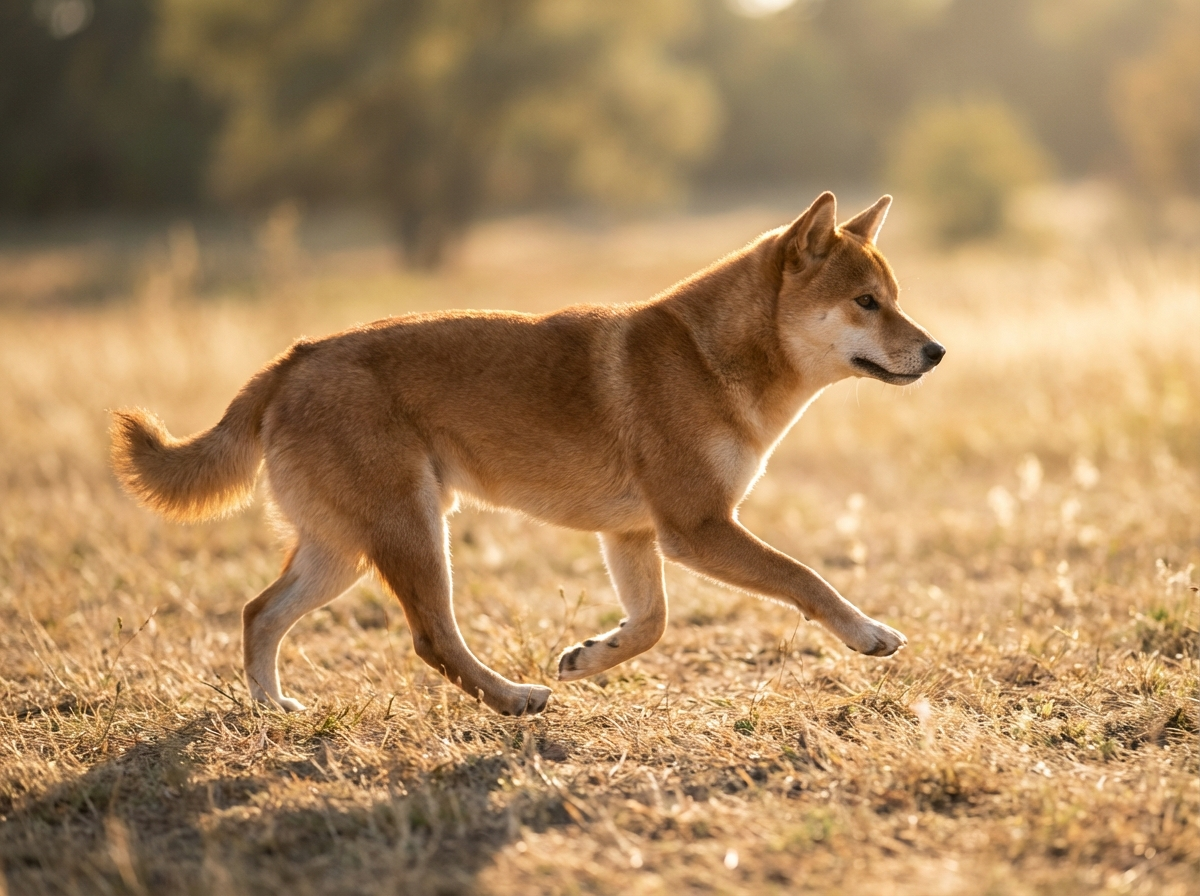
When Sarah adopted Lily, her Shibа Inu, she noticed Lily squinting and avoiding bright light. After a vet visit, she learned Lily had glaucoma. Determined to help her furry friend, Sarah followed the vet's advice, administering eye drops and adjusting Lily's diet to support her eye health. Over time, Lily's discomfort decreased, and she returned to her playful self. Sarah learned patience was key, as the treatment took several weeks to show results.
Key takeaway: With consistent care and communication with a vet, you can effectively manage Shibа Inu glaucoma and improve your dog's quality of life.
Shibа Inus can develop glaucoma due to genetic factors, age, or underlying eye conditions. This eye pressure disease can lead to pain and vision loss if not treated promptly. Regular vet check-ups are crucial to catch any early signs.
Watch for signs like excessive tearing, redness in the eye, or squinting. Your Shibа Inu may also show discomfort or avoid bright lights. If you notice these symptoms, consult your vet immediately.
Treatment often includes medications to reduce eye pressure and, in some cases, surgery. Your vet will recommend the best approach based on your dog’s specific condition. Early intervention is key to preserving your pet's vision.
Yes, managing stress and ensuring a calm environment can help. Avoid high-energy activities that might exacerbate discomfort. Regular vet visits to monitor eye health are also essential.
While not all cases are preventable, maintaining a healthy diet and regular exercise can support overall eye health. Routine veterinary eye exams can help catch any potential issues early and prevent complications.
Yes, genetics can play a significant role in the development of glaucoma in Shibа Inus. If you have a family history of eye issues, discuss this with your vet for appropriate monitoring and preventive care.
Common signs of Shibа Inu glaucoma include redness in the eyes, excessive tearing, squinting, and sensitivity to light. You may also notice changes in behavior, like increased irritability or reluctance to play. If you see these symptoms, it's important to consult your vet as soon as possible.
While not all cases of Shibа Inu glaucoma can be prevented, regular veterinary check-ups can help catch issues early. Additionally, keeping your dog at a healthy weight and managing conditions like diabetes can reduce risk factors. Always consult your vet for tailored advice.
In many cases, surgery may be necessary to relieve pressure and preserve vision in dogs with Shibа Inu glaucoma. However, the need for surgery depends on the severity of the condition. Your vet will provide the best course of action based on your dog's specific situation.
Untreated Shibа Inu glaucoma can lead to severe pain, vision loss, and even blindness. The longer the condition goes unmanaged, the more damage it can cause. Early detection and treatment are crucial to preserving your dog's quality of life.
Caring for a Shibа Inu with glaucoma involves regular vet visits, administering prescribed medications, and monitoring for any changes in behavior or eye condition. It's also helpful to create a calm environment as stress can worsen symptoms. Always follow your vet's recommendations for the best outcomes.
Contact your veterinarian immediately for an eye examination and potential treatment options.
Yes, some breeds, including Shibа Inus, are at higher risk for glaucoma due to genetic predispositions.
It's best to have your Shibа Inu's eyes checked at least once a year, or more frequently if they show any symptoms.
Keep your dog in a low-stress environment, monitor their behavior closely, and follow your vet's treatment plan diligently.