Why does my Shibа Inu have gastric dilatation-volvulus (gdv/bloat)?
Gastric dilatation-volvulus (GDV), or bloat, can occur in Shibа Inus due to various factors like genetics, eating habits, and stress. Rapid eating or drinking, especially of dry food, can lead to excess air in the stomach. It's important to monitor your dog's behavior and eating patterns to help prevent this condition.
How can I tell if my Shibа Inu has GDV/bloat?
Signs of GDV include a swollen abdomen, excessive drooling, restlessness, and attempts to vomit without success. If you notice these symptoms, it's critical to seek veterinary care immediately, as GDV is a medical emergency. Early detection can be life-saving.
How to stop Shibа Inu gastric dilatation-volvulus (gdv/bloat)?
To reduce the risk of GDV in your Shibа Inu, feed smaller, more frequent meals, and avoid vigorous exercise immediately after eating. Consider using slow-feeder bowls to prevent rapid eating. Consulting your vet for additional preventive measures tailored to your dog’s needs is also a good idea.
What should I do if my Shibа Inu shows signs of GDV?
If you suspect your Shibа Inu has GDV, take them to the vet immediately. Time is crucial, as this condition can rapidly become fatal. Do not wait to see if symptoms improve on their own.
Are certain Shibа Inus more prone to GDV?
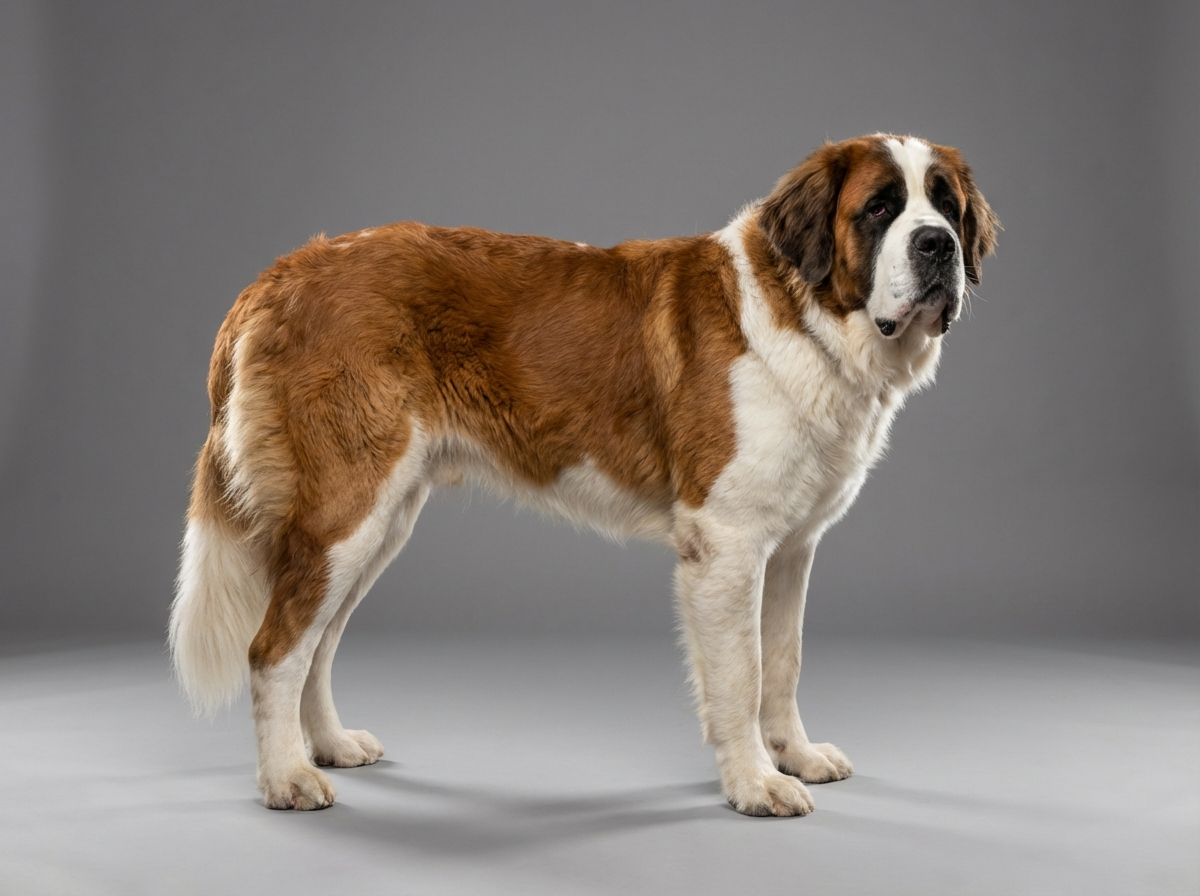
While any Shibа Inu can develop GDV, those with a family history of the condition may be at higher risk. Additionally, larger dogs with deep chests are generally more susceptible, but smaller breeds like Shibа Inus can still be affected. Regular vet check-ups can help monitor their health.
Can training help prevent GDV in my Shibа Inu?
Training can help reduce stress and anxiety, which are risk factors for GDV. Positive reinforcement training methods can create a calm environment, making your Shibа Inu less likely to rush their meals. A relaxed dog is less likely to experience bloat.
What are the signs that my Shibа Inu might have gastric dilatation-volvulus (gdv/bloat)?
Look for symptoms such as a swollen abdomen, excessive drooling, restlessness, or unsuccessful attempts to vomit. If you notice any of these signs, it's crucial to seek veterinary help immediately.
Can gastric dilatation-volvulus (gdv/bloat) happen to older Shibа Inus?
Yes, older Shibа Inus can be at risk for gastric dilatation-volvulus (gdv/bloat), especially if they have a history of digestive issues. Regular vet check-ups can help monitor their health as they age.
Is there a specific diet to prevent Shibа Inu gastric dilatation-volvulus (gdv/bloat)?
Feeding smaller, more frequent meals can help reduce the risk of gdv/bloat. Avoid feeding them immediately before or after vigorous exercise, and consult your vet for tailored dietary advice.
What should I do if my Shibа Inu has had gastric dilatation-volvulus (gdv/bloat) before?
If your Shibа Inu has experienced gdv/bloat, it's essential to follow a preventative care plan with your vet. This may include dietary changes, regular monitoring, and possibly surgical options to reduce recurrence.
Why does my Shibа Inu have gastric dilatation-volvulus (gdv/bloat) and what can I do?
The exact cause of gastric dilatation-volvulus (gdv/bloat) is not fully understood, but it can involve factors like genetics, diet, and stress. To prevent it, focus on a consistent feeding routine, limit exercise around meal times, and consult your vet for guidance.