Behavior
What are quick tips for Shibа Inu epilepsy?
Keep a seizure diary to track frequency and duration. Ensure your home is safe and comfortable to minimize stress. Consult your vet regularly for medication adjustments.
Shibа Inu epilepsy can be a frightening experience for both the dog and its owner. Seizures can disrupt daily life and raise concerns about your pet's well-being.
Owners of Shibа Inus who experience seizures in their pets often feel overwhelmed and anxious. This is especially true for first-time dog owners or those who may not have encountered health issues before.
This guide is not medical advice. If your dog shows pain, sudden behavior change, or worsening symptoms, consult a licensed veterinarian.
Some links may be affiliate links. We may earn a commission at no extra cost to you. We only suggest products we believe are helpful for dog owners.
Shibа Inus can experience epilepsy, which manifests as seizures that vary in intensity and duration. These episodes can be frightening for both the dog and the owner, often leading to confusion and distress. Common signs include shaking, twitching, or loss of consciousness, which can happen at any time, whether your dog is resting or playing.
Epilepsy is relatively common in Shibа Inus, affecting approximately 1-2% of the breed. While not every Shibа Inu will develop this condition, it is a significant concern for some owners. Understanding this issue is crucial for managing your dog's health and well-being.
Shibа Inus can be predisposed to epilepsy due to genetic factors. Certain lines may carry hereditary traits that increase the likelihood of seizures. This breed's unique brain chemistry may also play a role in their susceptibility.
Environmental factors can trigger epilepsy in Shibа Inus, including stress, changes in routine, or exposure to toxins. Even something as simple as a loud noise can provoke a seizure in sensitive dogs. Other health issues, like infections or metabolic disorders, can also contribute.
If your Shibа Inu’s seizures are frequent or severe, consult a professional trainer who specializes in anxiety management. They can provide tailored strategies to help your dog cope with stress, which might reduce seizure frequency.
If your Shibа Inu experiences a seizure, it's essential to contact your vet, especially if it's their first one. If seizures become more frequent or if you notice any unusual behavior, a vet visit is crucial to rule out other health issues.
It can take several weeks to months to find the right management strategy for Shibа Inu epilepsy, including medication adjustments and training.
Success means reduced frequency and severity of seizures, improved quality of life for your Shibа Inu, and effective communication with your veterinarian.
Avoiding these common mistakes can help manage Shibа Inu epilepsy more effectively.
Recognizing when Shibа Inu epilepsy is an emergency can save your pet's life. If your dog experiences a seizure that lasts longer than three minutes, this is a red flag. Call your vet immediately if your Shibа Inu has multiple seizures in a short span or shows signs of distress afterward, like disorientation or excessive drooling.
Other serious symptoms include difficulty breathing, loss of consciousness, or if your dog appears to be in pain post-seizure. These signs indicate that your Shibа Inu needs urgent medical attention.
On the other hand, if your dog has infrequent seizures that last less than a couple of minutes, you may not need to rush to the vet right away. Monitor your dog closely during these episodes. Keep a journal to note the duration and frequency of seizures, as this information will be helpful for your vet. Additionally, ensure your Shibа Inu is in a safe space where they won’t hurt themselves during a seizure. Always reach out to your vet for advice on managing these situations effectively.
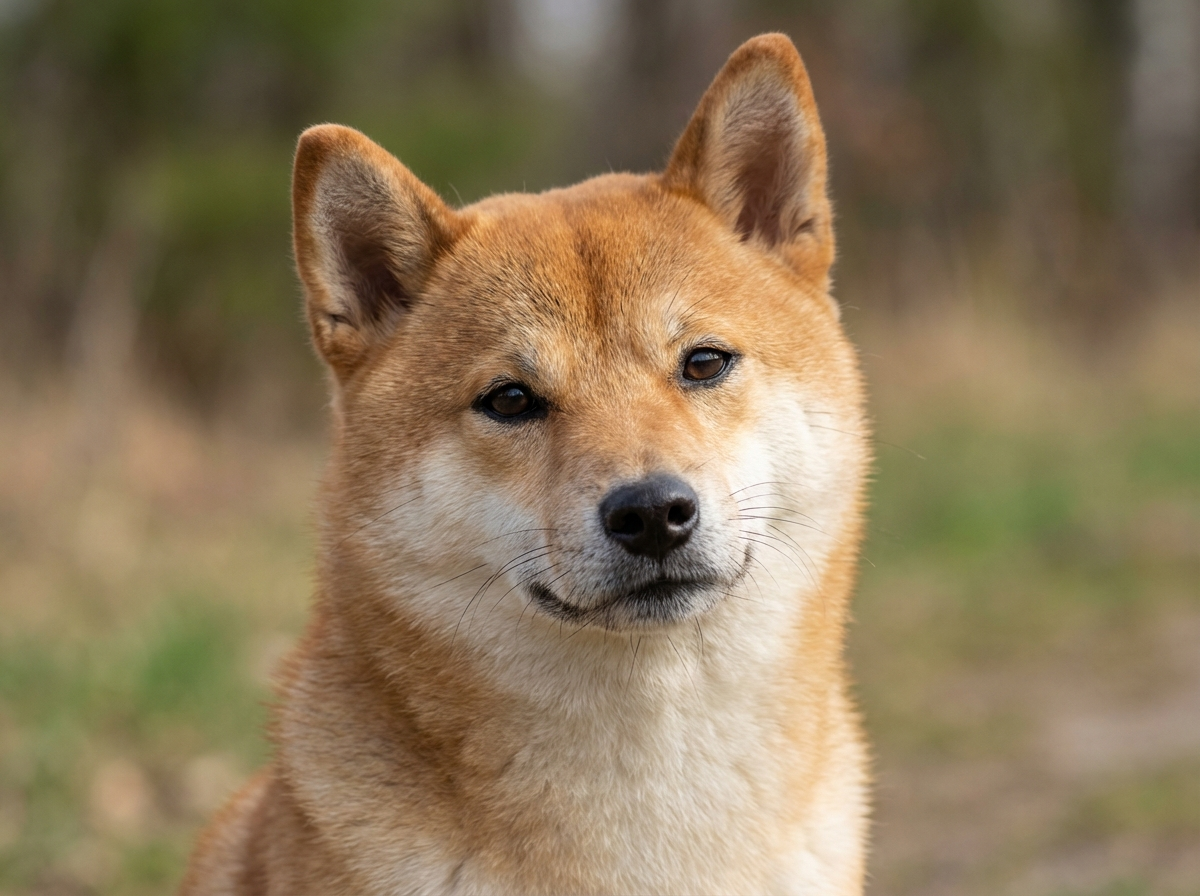
When Sarah adopted Kiko, her lively Shibа Inu, she quickly noticed something was off. Kiko began experiencing seizures that left Sarah feeling helpless. After consulting a veterinarian, they started a treatment plan that included medication and behavioral training. It took time and patience, but Sarah learned to recognize Kiko's triggers and established a routine that helped manage his condition. Gradually, Kiko's seizures became less frequent, and Sarah felt more confident in handling his health.
Key takeaway: With the right support and dedication, managing Shibа Inu epilepsy can lead to a happier, healthier life for both you and your furry friend.
Epilepsy in Shibа Inus can be caused by genetic factors, brain injuries, or metabolic issues. If your dog shows signs of seizures, it's important to consult a veterinarian for a proper diagnosis and treatment plan.
Managing Shibа Inu epilepsy often involves medication prescribed by a vet. Regular vet check-ups and monitoring your dog's health are essential to ensure the treatment is effective.
During a seizure, keep your Shibа Inu safe by moving any obstacles out of the way. Avoid holding them down, and time the seizure to report to your vet. If seizures are frequent, consult your vet to adjust treatment.
While training cannot cure epilepsy, it can help your Shibа Inu feel more secure and manage anxiety. Implementing calm training techniques may reduce stress, which can be a seizure trigger.
Some owners find that a high-fat, low-carb diet can help manage seizures. However, it's crucial to discuss any dietary changes with your veterinarian to ensure proper nutritional balance.
Long-term effects of epilepsy can vary. Some dogs may have frequent seizures, while others may have infrequent episodes with proper medication. Regular vet visits are key to managing their health over time.
Common signs of epilepsy in a Shibа Inu include sudden shaking, loss of consciousness, and uncontrolled movements. You might also notice your dog acting confused or disoriented before or after a seizure. If you observe these symptoms, it's crucial to consult your vet for a proper diagnosis.
While some mild cases of epilepsy may be managed with lifestyle changes, such as a consistent routine and reduced stress, most dogs require medication for effective management. Always discuss treatment options with your vet to find the best approach for your Shibа Inu.
Yes, epilepsy can be hereditary in Shibа Inus, meaning genetic factors may play a role in the development of the condition. If you have concerns about your dog's lineage, it may be helpful to talk to the breeder and consider genetic testing.
If your Shibа Inu has a seizure, it’s important to stay calm and keep them safe. Move any nearby objects that could cause injury and avoid placing your hands near their mouth. Time the seizure, and consult your vet if it lasts longer than five minutes.
You should take your Shibа Inu to the vet if they experience their first seizure, have multiple seizures in a short period, or if the seizures last longer than normal. Early intervention can help manage the condition effectively and ensure your pet's well-being.
Keep a seizure diary to track frequency and duration. Ensure your home is safe and comfortable to minimize stress. Consult your vet regularly for medication adjustments.
After a seizure, keep your Shibа Inu calm and in a quiet space. Offer comfort and monitor their recovery before returning to normal activities.
Avoid sudden changes in routine, as stress can trigger seizures. Also, steer clear of known seizure triggers like loud noises or intense exercise.