Health
What are quick tips for Shibа Inu ear infections?
Regularly check and clean your Shibа Inu's ears to prevent infections. Ensure their ears stay dry and consult your vet if you notice any unusual symptoms.
Shibа Inu ear infections can be a common and frustrating problem for dog owners. These infections can lead to discomfort, pain, and even more serious health issues if not addressed promptly.
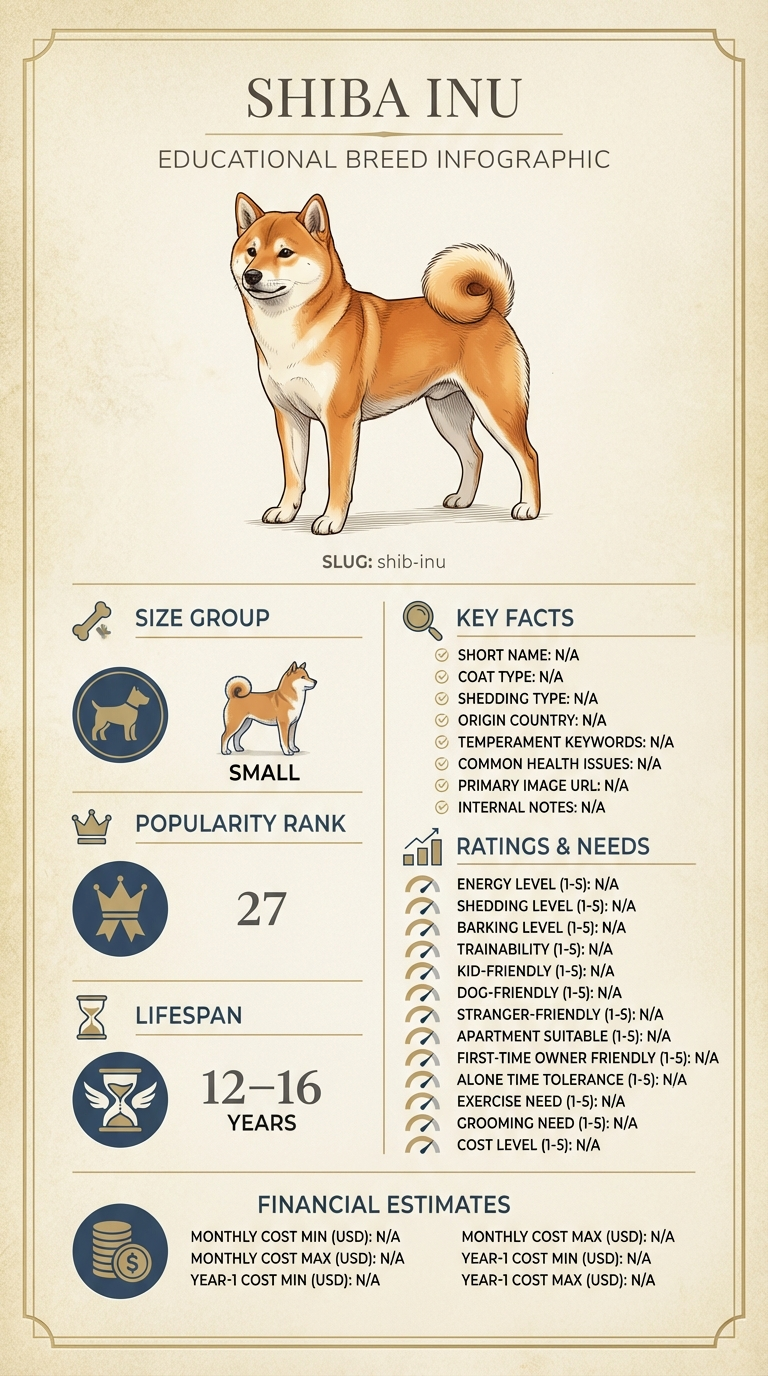
Owners of Shibа Inus, especially those new to the breed or dog ownership, may struggle with recognizing the signs of ear infections. Busy families, active individuals, or anyone who may overlook regular ear cleaning are at higher risk for dealing with this problem.
This guide is not medical advice. If your dog shows pain, sudden behavior change, or worsening symptoms, consult a licensed veterinarian.
Some links may be affiliate links. We may earn a commission at no extra cost to you. We only suggest products we believe are helpful for dog owners.
Shibа Inus are prone to ear infections, which can cause discomfort and distress. Daily, you might notice your Shibа Inu shaking their head frequently, scratching at their ears, or showing signs of pain when you touch their head. These infections can lead to more serious health issues if not addressed promptly.
Ear infections are relatively common in Shibа Inus, especially for those with floppy ears or those prone to allergies. Many owners report dealing with this issue at least once during their dog's life.
Shibа Inus are prone to ear infections due to their unique ear structure. Their ears are erect, which can trap moisture and wax, creating a perfect environment for bacteria and yeast to grow. Additionally, they have a thick coat, which can contribute to ear problems if not groomed properly.
Environmental factors play a significant role in ear infections. Allergies to food or pollen can cause inflammation, leading to ear issues. Moisture from baths or swimming can also increase the risk, especially if ears are not dried thoroughly afterward.
If your Shibа Inu resists ear cleaning or shows signs of anxiety during grooming, consider consulting a trainer. They can provide techniques to make the process easier and more comfortable for your dog.
If ear infections persist despite home care, or if you notice severe redness, swelling, or discharge, it's time to visit the vet. They can prescribe medications or investigate further underlying issues that may be causing chronic infections.
With consistent care, many owners see improvements in their Shibа Inu's ear infections within 4 to 8 weeks.
Success means fewer ear infections, less scratching, and your Shibа Inu appearing comfortable and happy.
Avoiding these common mistakes can help mitigate Shibа Inu ear infections effectively.
Not all Shibа Inu ear infections require immediate attention, but some signs definitely do. If your Shibа Inu is shaking their head excessively, scratching at their ears, or showing signs of distress, you should take a closer look. Emergency signs include a foul odor from the ear, swelling, or discharge. If your dog seems to be in pain, especially if they are whimpering or refusing to let you touch their ears, it's time to call your vet right away.
On the other hand, mild cases can often be monitored at home. If your Shibа Inu has slight ear wax build-up or seems to be itching occasionally without severe symptoms, you can keep an eye on them. Ensure you check their ears regularly and clean them gently if you notice any dirt. Keeping an eye on their behavior can also help; if they don't show signs of pain or distress, you might just need a watch-and-wait approach. It’s always best to consult your vet if you're unsure, as they can provide guidance on whether a visit is necessary or if a simple cleaning routine will suffice.
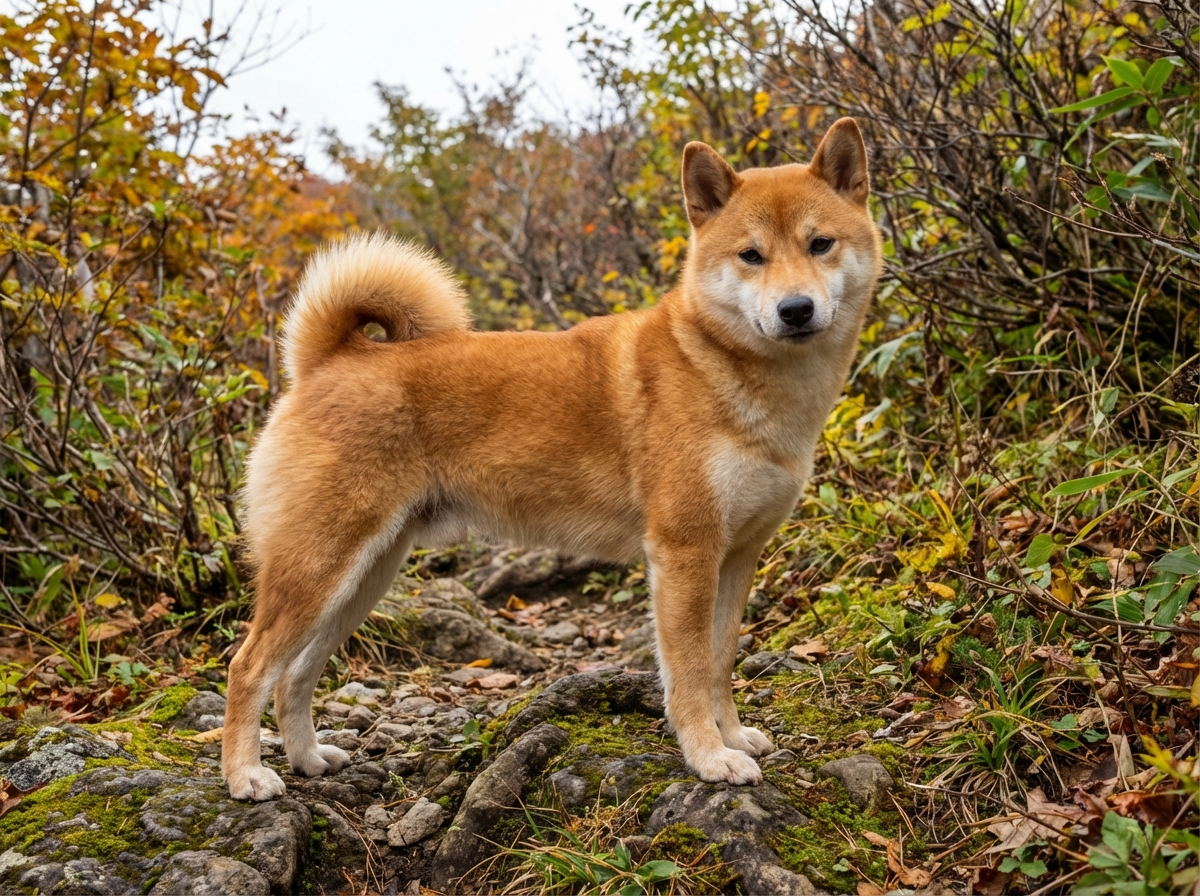
Sam, a new Shibа Inu owner, noticed that his dog Luna was frequently scratching her ears and shaking her head. After a visit to the vet, he learned that Luna had chronic ear infections. Sam followed the vet's advice, which included regular ear cleanings and a change in diet. He also committed to daily monitoring. Within a few weeks, Luna's discomfort decreased significantly, and her ears were healthier. Sam felt relieved and more confident in caring for her health.
Key takeaway: Regular vet visits and consistent ear care can make a big difference in managing Shibа Inu ear infections.
Shibа Inus can be prone to ear infections due to their unique ear structure, which can trap moisture and debris. Allergies, wax buildup, and even foreign objects can contribute to these infections. Regular ear cleaning and monitoring for signs of discomfort can help prevent these issues.
To help prevent ear infections, regularly clean your Shibа Inu's ears with a vet-recommended solution. Keep their ears dry after baths or swimming, and monitor for any signs of irritation or discharge. If infections persist, consult your vet for a tailored treatment plan.
Common symptoms of ear infections in Shibа Inus include shaking their head, scratching at their ears, and unusual odors. You may also notice redness or swelling in the ear canal. If you see these signs, it's essential to consult your veterinarian.
While you can clean your Shibа Inu's ears at home, it's best to consult a vet for any suspected infections. They can provide proper medication and guidance. Home remedies may not be effective and can sometimes worsen the situation.
Yes, food allergies can contribute to ear infections in Shibа Inus. If your dog frequently experiences infections, consider discussing dietary changes with your vet. A hypoallergenic diet may help reduce allergic reactions and improve their ear health.
Common signs of ear infections in Shibа Inus include excessive scratching at their ears, a bad smell, redness, and discharge. If your dog shakes their head frequently or seems to be in pain when you touch their ears, it's time to consult a vet.
Yes, ear infections can be more serious in older Shibа Inus due to underlying health issues. Regular vet check-ups are crucial for aging dogs to catch infections early and ensure their overall health is monitored.
Frequent ear infections in Shibа Inus can be due to allergies, poor ear hygiene, or environmental factors. Identifying triggers, like pollen or certain foods, can help you manage and reduce the risk of recurrent infections.
To prevent ear infections, keep your Shibа Inu's ears clean and dry. Regularly check their ears for wax buildup and consult your vet for appropriate cleaning solutions. Consistent grooming and monitoring can go a long way in preventing issues.
If your Shibа Inu shows persistent symptoms of an ear infection, such as discomfort or discharge, it's important to see a vet. Immediate care can help prevent further complications and ensure your dog receives the necessary treatment.
Regularly check and clean your Shibа Inu's ears to prevent infections. Ensure their ears stay dry and consult your vet if you notice any unusual symptoms.
Aim to clean your Shibа Inu's ears every few weeks, or more frequently if they are prone to infections. Always use a vet-approved cleaning solution.
A bad smell can indicate an infection or wax buildup. Consult your veterinarian for an examination and appropriate treatment.
Yes, if left untreated, ear infections can lead to more severe health issues, including hearing loss. Seek veterinary care if you suspect an infection.