Behavior
What are quick tips for managing Shibа Inu cherry eye?
Keep your Shibа Inu calm and stress-free, and consult your vet for any symptoms of cherry eye. Regular vet check-ups can help catch any issues early.
Cherry eye is a common issue in Shibа Inus that can affect their comfort and health. (Shibа Inu cherry eye)
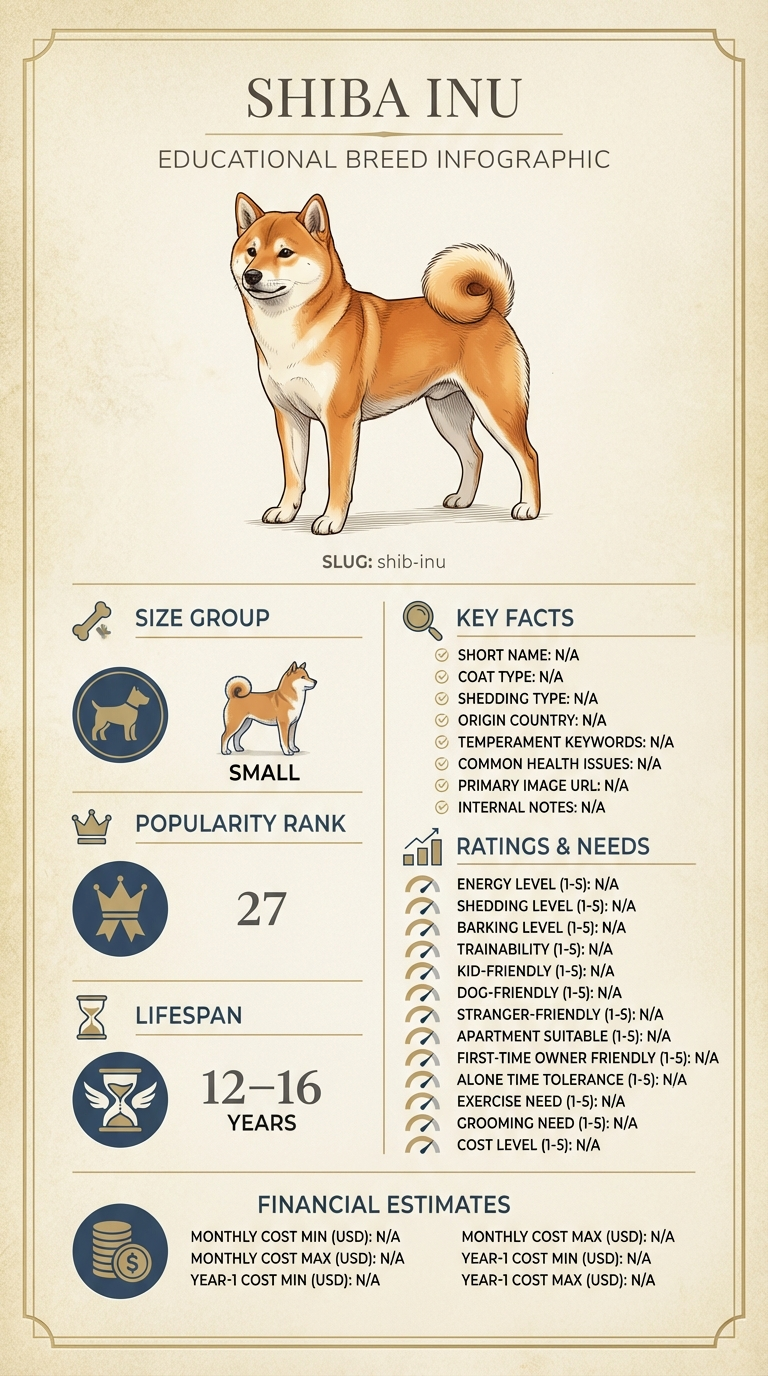
Owners of Shibа Inus often face this problem, especially if their dog shows signs of discomfort or if the cherry eye becomes visible. New dog owners or those unfamiliar with this breed's specific health issues may find it particularly concerning.
This guide is not medical advice. If your dog shows pain, sudden behavior change, or worsening symptoms, consult a licensed veterinarian.
Some links may be affiliate links. We may earn a commission at no extra cost to you. We only suggest products we believe are helpful for dog owners.
Shibа Inu cherry eye is a common eye condition in this breed. It occurs when the gland in the eyelid prolapses, causing a noticeable red bulge. This can lead to discomfort and potential complications if left untreated.
Cherry eye is relatively common in Shibа Inus, with many owners noticing the condition in their dogs, especially during their first few years of life.
Shibа Inus can develop cherry eye due to their unique eye structure. This breed is more prone to eyelid gland prolapse, which can lead to the condition. Genetics play a significant role, and some Shibа Inus may be more susceptible than others.
Environmental factors like excessive rubbing of the eyes can also contribute to cherry eye. Allergies, irritants, or even stress can lead your Shibа Inu to rub their eyes more than usual, increasing the likelihood of this issue.
If your Shibа Inu continues to rub their eyes despite your efforts, consider consulting a professional dog trainer. They can help identify any behavioral issues or anxiety that may be contributing to the problem.
If the cherry eye persists or worsens, it's essential to talk to your vet. They can assess the condition and recommend treatments, which may include medication or surgery if necessary.
Addressing Shibа Inu cherry eye can take several weeks to months, depending on the severity. After initial treatment, monitor your dog for improvements over a few weeks.
Successful management of cherry eye means the gland is no longer protruding, and your Shibа Inu is comfortable and free from irritation. Regular vet check-ups ensure ongoing health.
Avoiding certain behaviors can help your Shibа Inu with cherry eye. Here are common mistakes to avoid and better alternatives.
Cherry eye in Shibа Inus can be concerning, and it's important to know when to act quickly. Some signs indicate that you should call your vet immediately, while others are less urgent and can be monitored at home.
Red-flag signs that mean you need to contact your vet right away include: - Severe swelling or redness around the eye. - Excessive tearing or discharge that appears thick or discolored. - Signs of pain, such as excessive pawing at the eye or sensitivity to touch. - If your Shibа Inu is squinting or keeping the eye closed. - Visible discomfort, restlessness, or lethargy.
On the other hand, mild cases of cherry eye can often be watched and managed at home. In these situations, you might notice: - A small, protruding third eyelid gland that is not causing noticeable distress. - Occasional mild redness or irritation that doesn't worsen over time. - No signs of pain or discomfort, and your Shibа Inu is behaving normally otherwise.
For minor cases, consider implementing a monitoring plan. Keep an eye on your dog's eye condition, maintain eye cleanliness, and consult your vet if symptoms worsen. However, if you see any of the emergency signs, do not hesitate to seek veterinary assistance. Your Shibа Inu's health and comfort are paramount.
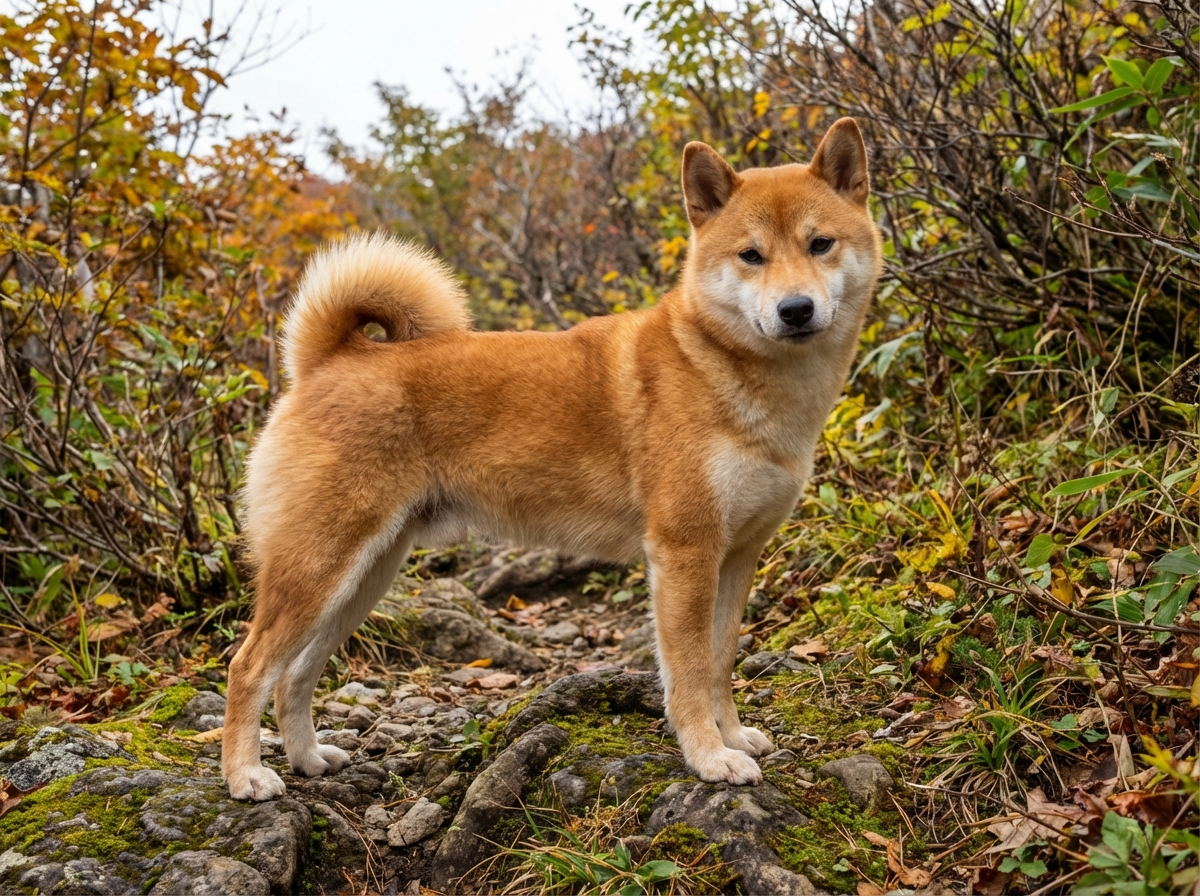
Sarah, a first-time Shibа Inu owner, noticed that her dog, Mochi, had a swollen eye. After researching, she learned it was cherry eye and felt overwhelmed. With her vet's guidance, she began a treatment plan that included eye drops and regular warm compresses. Over time, Sarah noticed Mochi's eye improving. She felt relieved and empowered by the knowledge she gained, realizing that consistent care made all the difference.
Key takeaway: Patience and veterinary support are key in managing Shibа Inu cherry eye effectively.
Shibа Inus can develop cherry eye due to a genetic predisposition or as a result of stress. The condition involves the prolapse of a gland in the eyelid, which can appear as a red mass. If you notice this, consult your vet for an appropriate diagnosis and treatment. This answer relates to Shibа Inu cherry eye.
While you can't always prevent cherry eye, keeping your Shibа Inu stress-free can help. Ensure they have a calm environment, regular exercise, and a balanced diet. If cherry eye occurs, your vet may recommend surgery to correct it.
Symptoms of cherry eye include a visible red mass in the corner of the eye and potential irritation or discharge. You might also notice your Shibа Inu rubbing their eyes or blinking more than usual. If you see these signs, it's best to consult your vet.
Cherry eye can lead to complications like irritation and infection if left untreated. While it may not be immediately life-threatening, addressing it promptly with your vet is important to avoid further issues. Treatment options vary from medical management to surgery.
After surgery, follow your vet’s instructions carefully. This may include administering prescribed medications and preventing your Shibа Inu from scratching or rubbing their eyes. Keeping them calm and comfortable during recovery is crucial.
While training won't directly prevent cherry eye, it can help reduce stress that might contribute to the condition. Positive reinforcement training can create a more relaxed environment, which is beneficial for your dog's overall well-being.
Cherry eye in Shibа Inus occurs when the tear gland in the eyelid prolapses or shifts out of its normal position. This can be due to genetic factors, age, or even a lack of proper support in the eyelid. It's important to consult a vet for an accurate diagnosis.
To prevent cherry eye from worsening, it's crucial to monitor your Shibа Inu for signs of irritation or discomfort. Regular vet check-ups can help catch issues early. Keeping their environment stress-free may also support overall eye health.
While cherry eye is not usually life-threatening, it can lead to more serious issues if left untreated, especially in older Shibа Inus. Chronic irritation can cause discomfort and may lead to further complications. A vet should evaluate the condition to determine the best course of action.
Home treatments for cherry eye are not recommended, as they may not address the underlying issue effectively. It's best to consult your vet for appropriate treatment options, which may include medication or surgical interventions if necessary.
You should see a vet as soon as you notice cherry eye in your Shibа Inu, especially if it seems to be causing discomfort. Prompt treatment can help prevent complications and improve your dog's quality of life. Don't delay in seeking professional advice.
Keep your Shibа Inu calm and stress-free, and consult your vet for any symptoms of cherry eye. Regular vet check-ups can help catch any issues early.
If you notice cherry eye, contact your vet for guidance and potential treatment options as soon as possible.
Home remedies are generally not recommended for cherry eye. It's best to consult your vet for safe and effective treatment.
Yes, after treatment, they may need medications and should be monitored closely to prevent eye rubbing or irritation.