Health
What are quick tips for managing Shibа Inu cancer?
Focus on a balanced diet, maintain regular vet visits, and create a stress-free environment. Monitor their behavior for any changes, as these can indicate health issues.
Shibа Inu cancer is a serious concern that can significantly affect your dog's health and well-being. Understanding the signs and taking action is crucial for your furry friend.
Dog owners, especially those new to the breed or unaware of their health vulnerabilities, often struggle with the emotional and logistical challenges of dealing with cancer in their Shibа Inu. Whether you're a first-time owner or have had dogs before, navigating this diagnosis can be daunting.
This guide is not medical advice. If your dog shows pain, sudden behavior change, or worsening symptoms, consult a licensed veterinarian.
Some links may be affiliate links. We may earn a commission at no extra cost to you. We only suggest products we believe are helpful for dog owners.
Shiba Inu cancer can manifest in various ways, affecting their health and behavior. Common signs include lethargy, unusual lumps, weight loss, and changes in appetite. Many owners find these symptoms distressing, often leading to significant concern and anxiety.
Unfortunately, cancer is relatively common among Shiba Inus, particularly as they age. As these dogs reach their senior years, the likelihood of developing cancer increases, making it crucial for owners to monitor their pets closely.
Shibа Inus can be genetically predisposed to certain types of cancer. Breeding practices may lead to inherited health issues that increase cancer risk. These breed-related factors can make Shibа Inus more vulnerable than other breeds.
Environmental factors also play a significant role in cancer development. Exposure to toxins, poor diet, and lack of exercise can contribute to health issues. Additionally, stress and anxiety can weaken the immune system, making it harder for your Shibа Inu to fight off diseases.
If your Shibа Inu shows signs of anxiety or stress that disrupt daily life, a trainer can help. Look for someone experienced in behavioral issues and anxiety management. Training can improve your dog's overall well-being.
Consult your vet if you notice persistent changes in behavior or health. Symptoms like weight loss, lethargy, or unusual lumps warrant immediate attention. Your vet can provide specific advice based on your Shibа Inu's health history.
Managing Shibа Inu cancer typically involves ongoing vet visits, treatment adjustments, and regular monitoring, which may take several months to effectively manage.
Success means your Shibа Inu maintains a good quality of life, manageable symptoms, and a supportive environment while undergoing treatment.
Many Shibа Inu owners unintentionally make their dog's cancer situation worse. Here are common mistakes to avoid, along with safer alternatives.
Recognizing when Shibа Inu cancer becomes an emergency is crucial for your dog’s health. Some signs indicate you should call your vet immediately. Look out for sudden weight loss, visible lumps or swellings, difficulty breathing, or excessive vomiting. These symptoms can signal serious complications that need urgent attention.
On the other hand, there are situations where you can monitor your Shibа Inu’s condition without rushing to the vet. If your dog is showing mild lethargy, slight changes in appetite, or minor discomfort, keep track of these changes over a few days. You can create a plan to observe and document any worsening symptoms.
However, if you notice any of the red-flag signs mentioned earlier, don’t hesitate. Timely intervention can make a significant difference in treatment options and outcomes. Always trust your instincts; if something feels off, it’s better to err on the side of caution.
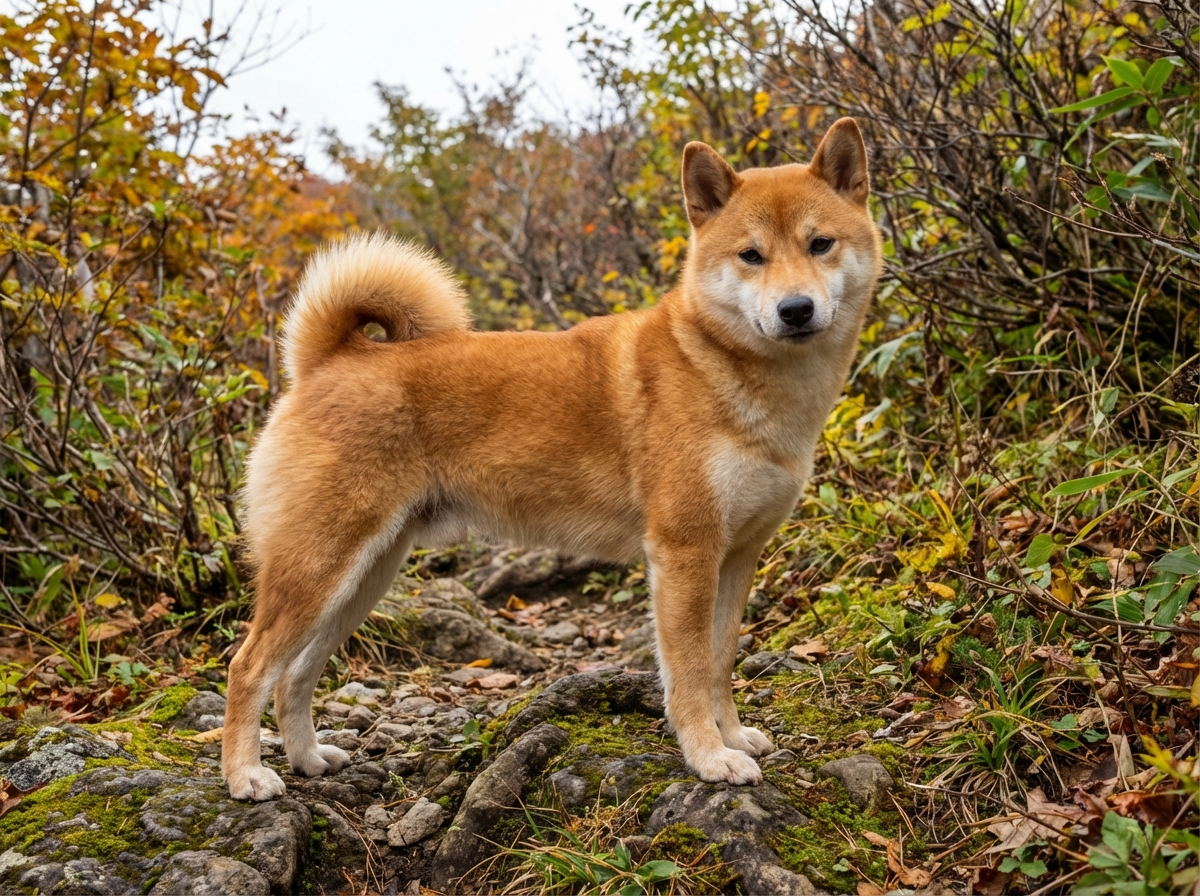
When Maria adopted Bella, a five-year-old Shibа Inu, she never imagined she would face a cancer diagnosis. After noticing Bella’s unusual lethargy and weight loss, a vet visit confirmed the worst: cancer. Maria felt lost but quickly learned about treatment options, including chemotherapy and dietary adjustments. With the vet's guidance, she created a plan that balanced treatment with Bella's comfort. Over the next few months, Bella responded well, regaining her energy and enthusiasm for walks.
Key takeaway: Staying informed and working closely with a vet can significantly improve your Shibа Inu's quality of life during cancer treatment.
Shibа Inus can develop cancer due to a combination of genetic predisposition, environmental factors, and age. Regular vet check-ups can help catch any signs early. It's crucial to monitor their health and report any unusual symptoms to your veterinarian.
Common signs include unexplained weight loss, lethargy, swelling, or a change in appetite. If you notice any of these symptoms, consult your veterinarian for a thorough examination. Early detection can significantly improve treatment outcomes.
While you can't completely prevent cancer, maintaining a healthy diet, regular exercise, and routine vet visits can help reduce risks. Avoid exposure to harmful substances or toxins in your home and yard. Keeping your Shibа Inu at a healthy weight is also essential.
Treatment options may include surgery, chemotherapy, and radiation, depending on the type and stage of cancer. Your vet will recommend a tailored plan based on your dog's specific needs. Always discuss the potential side effects and outcomes of each option.
Provide a calm and comfortable environment for your Shibа Inu. Pay attention to their dietary needs, offer gentle exercise, and ensure they have access to plenty of water. Regular communication with your vet is key to managing side effects and adjusting care.
The life expectancy of a Shibа Inu with cancer varies greatly depending on the type and stage of cancer. Some may live for years with proper treatment, while others may have a shorter prognosis. Regular veterinary care plays a significant role in this.
Signs of cancer in a Shibа Inu can include unexplained weight loss, persistent coughing, or unusual lumps. If you notice any sudden changes in your dog's behavior or health, consult your vet for advice.
Supporting a Shibа Inu with cancer involves providing a comfortable environment and ensuring they have a healthy diet. Regular vet check-ups and following their treatment plan are essential for managing their condition.
While not all cancers are preventable, maintaining a healthy lifestyle through proper diet and exercise can lower risks. Regular veterinary check-ups can also help catch potential issues early.
Yes, cancer is more prevalent in older Shibа Inus as their bodies undergo more wear and tear over time. It's important to monitor senior dogs closely and consult with your vet regarding any changes.
You should see a vet if your Shibа Inu shows any concerning symptoms, such as difficulty breathing, persistent vomiting, or noticeable swelling. Early intervention can make a significant difference in treatment outcomes.
Focus on a balanced diet, maintain regular vet visits, and create a stress-free environment. Monitor their behavior for any changes, as these can indicate health issues.
Provide a quiet space, engage in gentle play, and encourage a healthy appetite. Keep them comfortable and consult your vet for specific care advice.
Opt for high-quality, nutritious food that suits their dietary needs. Your vet can recommend specific brands or formulas that support their health during treatment.
Some supplements may support your dog's health, but always consult your vet before adding anything to their diet. They can suggest options that are safe and beneficial.