Behavior
What are quick tips for managing Shibа Inu brachycephalic obstructive airway syndrome (boas)?
Keep your Shibа Inu cool and avoid strenuous activities, especially in hot weather. Regular vet check-ups are important to monitor their health.
Shibа Inu brachycephalic obstructive airway syndrome (BOAS) is a serious breathing issue that affects many dogs of this breed.
Typically, new and first-time Shibа Inu owners face challenges with BOAS, as they may not be aware of the signs and symptoms. Additionally, busy families or individuals living in warmer climates may find it tougher to manage this condition, especially during hot days.
This guide is not medical advice. If your dog shows pain, sudden behavior change, or worsening symptoms, consult a licensed veterinarian.
Some links may be affiliate links. We may earn a commission at no extra cost to you. We only suggest products we believe are helpful for dog owners.
Shibа Inus are adorable, but they can suffer from brachycephalic obstructive airway syndrome (BOAS). This condition makes breathing difficult due to their short snouts. Owners may notice their dog snoring, wheezing, or struggling during exercise, especially in hot weather.
Brachycephalic Obstructive Airway Syndrome is a common issue in Shibа Inus due to their unique facial structure. Many Shibа Inus experience mild to moderate symptoms, making it essential for owners to be aware and proactive.
The Shibа Inu is a brachycephalic breed, meaning they have a short snout and flat face. This anatomical structure can lead to narrow airways, causing breathing difficulties. Many Shibа Inus inherit these traits, making them more prone to Brachycephalic Obstructive Airway Syndrome (BOAS).
Environmental factors can also contribute to BOAS. High temperatures, humidity, and poor air quality can worsen breathing issues. Additionally, obesity can exacerbate airway constriction, making it essential to maintain a healthy weight.
If your Shibа Inu shows persistent anxiety or distress during training, it may be beneficial to consult a professional dog trainer. They can help develop a personalized training plan that accommodates your dog's breathing limitations.
If you notice your Shibа Inu has frequent coughing, gagging, or excessive snoring, it's time to consult your veterinarian. A vet can assess the severity of BOAS and recommend further treatment options to improve your dog's quality of life.
With proper training and management, you can see improvements in your Shibа Inu's breathing within a few weeks. Consistency is key, and ongoing adjustments might be necessary over several months.
Success means your Shibа Inu can breathe more easily, enjoy walks without excessive panting, and show reduced signs of distress in hot weather. A calmer, happier dog is the ultimate goal.
Avoiding these common mistakes can help improve your Shibа Inu's comfort and health.
Recognizing when Shibа Inu brachycephalic obstructive airway syndrome (BOAS) becomes an emergency is crucial for your dog's health. If your Shibа Inu shows severe breathing difficulties, such as gasping for air, blue-tinged gums, or fainting, these are red flags that require immediate veterinary attention. Additionally, if your dog is unable to exercise or is excessively panting even during minimal activity, it's time to call your vet right away.
On the other hand, if your Shibа Inu is snoring or breathing loudly during sleep but remains alert and able to play, these are usually mild symptoms that can be monitored. You can create a plan that includes managing their weight and avoiding extreme temperatures. If your dog occasionally coughs or has slight difficulty breathing after exercise but recovers quickly, you might not need immediate help but should still consult your veterinarian to discuss long-term care strategies.
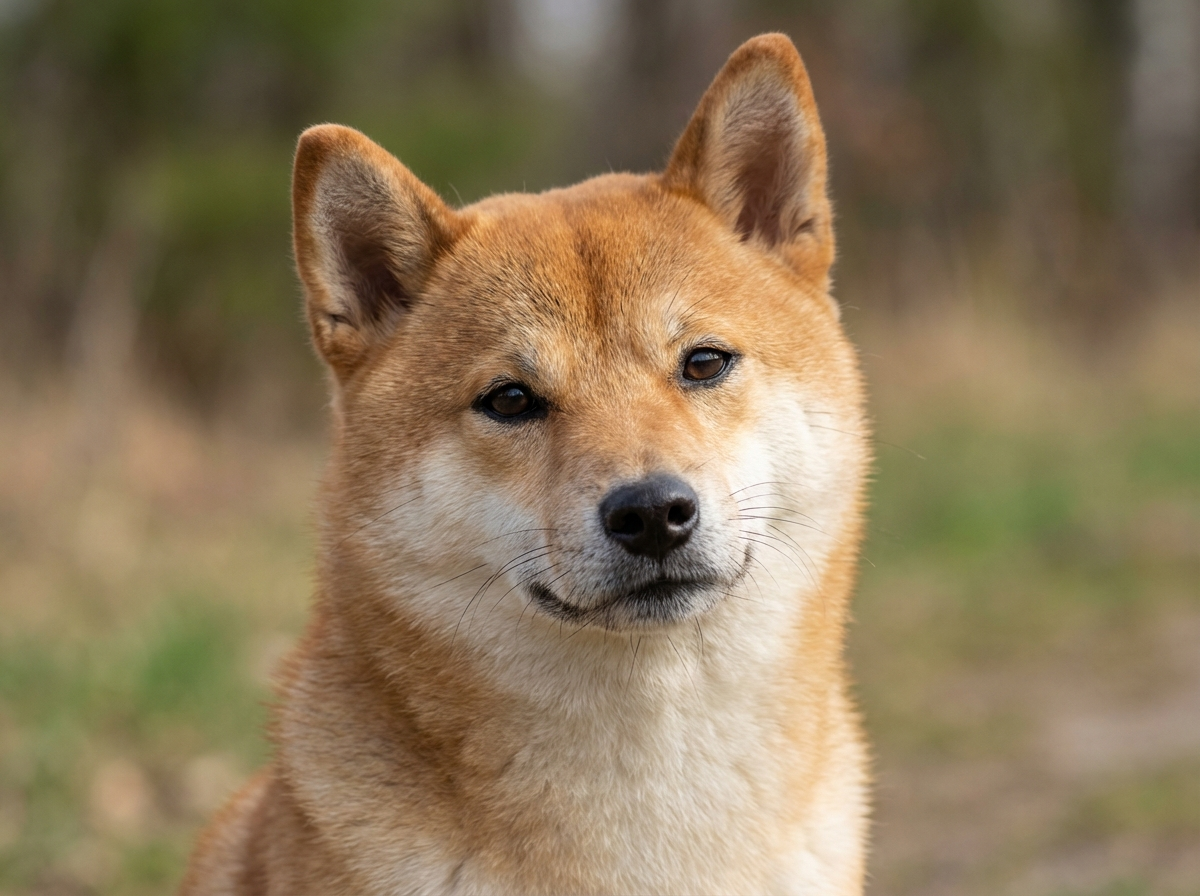
Aunt May adopted Boomer, her Shibа Inu, and quickly noticed he struggled to breathe, especially during playtime. Concerned, she learned about brachycephalic obstructive airway syndrome (BOAS) and started implementing training techniques to manage his symptoms. She set up a schedule for gentle exercise and avoided extreme temperatures. Gradually, Boomer's breathing improved, and he became more playful and energetic. Aunt May felt relieved watching her furry friend thrive again.
Key takeaway: Understanding your dog's needs is crucial. With patience and the right approach, you can help a Shibа Inu with BOAS lead a more comfortable life.
Shibа Inus have short snouts, making them prone to brachycephalic obstructive airway syndrome (boas). This condition can lead to breathing difficulties, snoring, and heat sensitivity. It's important to understand that genetics play a significant role, and certain traits in their breed predispose them to this issue.
To manage Shibа Inu brachycephalic obstructive airway syndrome (boas), consider weight management and ensure your dog maintains a healthy lifestyle. Avoid strenuous exercise during hot weather, as it can exacerbate breathing issues. Regular vet check-ups are crucial to monitor their condition.
Training your Shibа Inu with positive reinforcement can help them remain calm and reduce stress, which may alleviate some breathing issues. Incorporate short training sessions in a cool environment to avoid overexertion. Always reward them with treats or praise for good behavior.
Signs of brachycephalic obstructive airway syndrome (boas) in your Shibа Inu can include excessive panting, coughing, or difficulty breathing. If you notice any of these signs, especially during exercise or in warm weather, consult your vet for guidance.
If your Shibа Inu experiences a breathing emergency, remain calm and ensure they are in a cool area. Contact your veterinarian immediately or head to an emergency pet clinic. Quick action can be crucial in managing their health.
Signs of this condition include noisy breathing, snoring, and difficulty exercising. You may also notice your Shibа Inu panting excessively or struggling to breathe, especially in hot weather.
Yes, older Shibа Inus can develop this condition as their airways may become more constricted over time. Regular vet check-ups are important to monitor any breathing issues as your dog ages.
Keep your Shibа Inu in a cool environment and avoid strenuous activities during high temperatures. Providing plenty of water and a shaded area can help keep them comfortable and safe.
Surgery can be an option for severe cases of this condition. Your vet can assess your dog's specific needs and discuss possible surgical interventions to improve their breathing.
Training can help your Shibа Inu adapt to their breathing limitations. Focus on gentle leash training and short, controlled walks to prevent overexertion and ensure they remain calm during exercise.
Keep your Shibа Inu cool and avoid strenuous activities, especially in hot weather. Regular vet check-ups are important to monitor their health.
Watch for excessive panting, drooling, or lethargy in your Shibа Inu. If you notice these signs, move them to a cooler area immediately.
Yes, excess weight can worsen breathing difficulties in Shibа Inus with boas. Keeping them at a healthy weight helps alleviate some symptoms.
In severe cases, surgery may be an option to help improve breathing. Consult your vet to see if this is appropriate for your Shibа Inu.