Behavior
What are quick tips for preventing Shibа Inu bloat (gdv)?
Feed your Shibа Inu smaller, more frequent meals and discourage fast eating. Avoid exercise immediately after meals and limit water intake around feeding times.
Shibа Inu bloat (GDV) is a serious health condition that can be life-threatening. Understanding it is crucial for any owner.
Owners of Shibа Inus, especially first-time dog owners, may struggle with understanding the risks of bloat. Busy pet parents who might overlook subtle signs are particularly vulnerable, as are owners who are unaware of the preventative measures available.
This guide is not medical advice. If your dog shows pain, sudden behavior change, or worsening symptoms, consult a licensed veterinarian.
Some links may be affiliate links. We may earn a commission at no extra cost to you. We only suggest products we believe are helpful for dog owners.
Shibа Inu bloat (gdv) is a serious condition where a dog's stomach twists, causing gas to build up. Day-to-day, a Shibа Inu suffering from bloat may act restless, try to vomit without success, and have a swollen abdomen. If not treated promptly, it can lead to life-threatening consequences.
Bloat (gdv) is particularly common in certain breeds, and while Shibа Inus are not the most prone to it, they can still be affected. Being aware of the signs is crucial for all Shibа Inu owners.
Shibа Inus can be predisposed to bloat (GDV) due to their small size and unique body shape. Their deep-chested build makes them more vulnerable to stomach torsion. Additionally, this breed may be more sensitive to specific dietary choices, which can also contribute to the issue.
Environmental factors can include rapid eating or drinking, which may cause excess air to be swallowed. Stressful situations or changes in routine can also trigger bloat. Lack of exercise and being overly excited at mealtimes can further heighten the risk.
If your Shibа Inu shows persistent anxiety during mealtimes or if you struggle to implement changes successfully, consider working with a professional trainer. They can provide tailored strategies to help manage your dog's eating habits and anxiety around food.
If you notice signs of bloat, such as a swollen abdomen, restlessness, or unproductive attempts to vomit, seek veterinary help immediately. Even if your dog shows mild symptoms, it’s better to err on the side of caution and consult with your vet to rule out any serious issues.
You can expect to see improvements in your Shibа Inu's bloat (GDV) symptoms within a few weeks of implementing new training and management techniques.
Success means your Shibа Inu experiences fewer episodes of bloat, shows improved behavior during feeding times, and enjoys a more comfortable life.
Avoiding common mistakes can help manage Shibа Inu bloat (gdv) more effectively. Here are some behaviors to be aware of.
Call your vet immediately if your Shibа Inu exhibits the following signs: - Rapid or labored breathing - Distended abdomen that feels tight or hard - Excessive drooling or attempts to vomit without success - Weakness or collapse
These symptoms indicate that your dog's life may be at risk and requires urgent care.
On the other hand, if your Shibа Inu shows mild signs of discomfort, such as a slightly bloated belly without other severe symptoms, you can monitor the situation. Look for these less severe signs: - Occasional burping or mild discomfort - Reduced appetite but still drinking water - Lethargy without extreme weakness
In these cases, keep a close watch and maintain a plan to observe changes. If symptoms worsen or new red flags appear, seek veterinary help right away. It's better to be safe than sorry when it comes to potential bloat (GDV) issues.
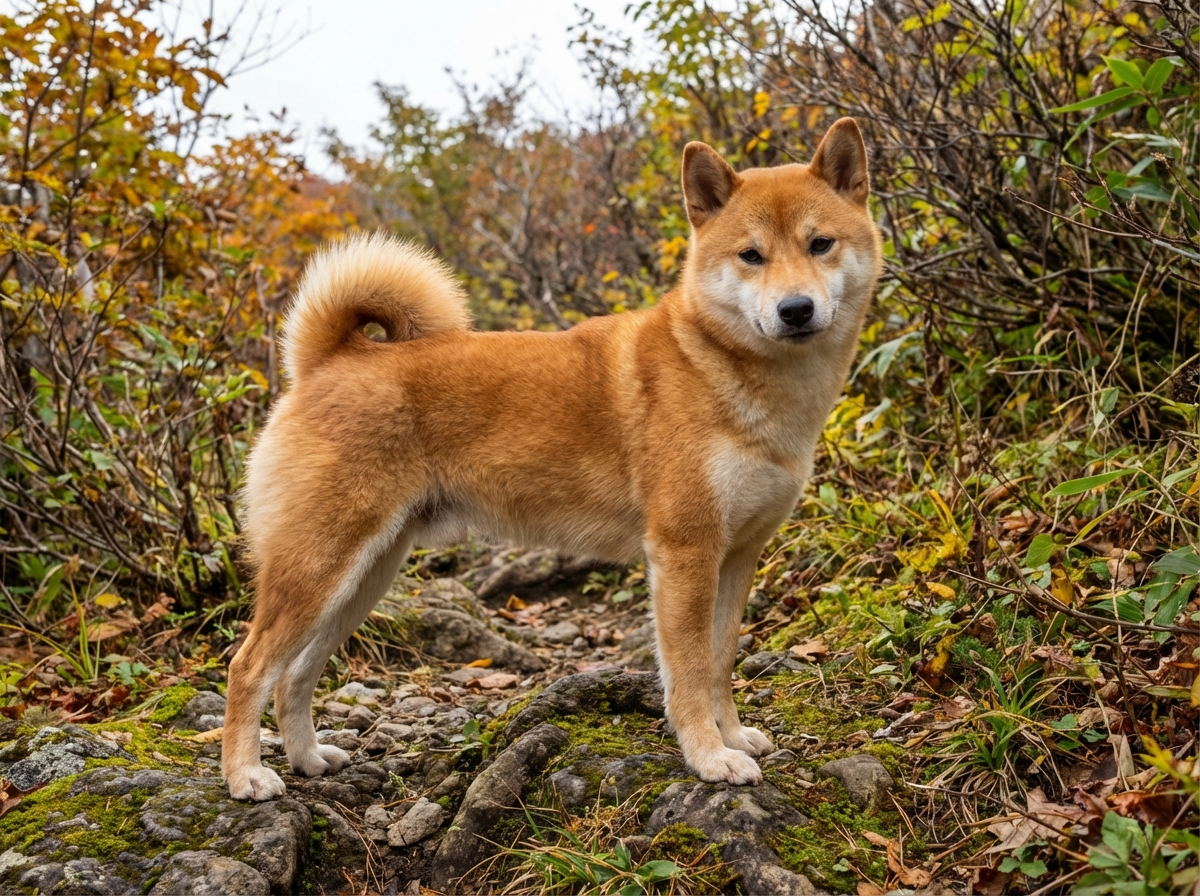
Tina, a first-time Shibа Inu owner, noticed that her dog Max often seemed uncomfortable after eating. After researching, she learned about Shibа Inu bloat (GDV) and the serious risks it poses. Determined to help Max, Tina adjusted his feeding schedule, switched to smaller, more frequent meals, and incorporated slow-feeding bowls. Within a month, Max's symptoms improved significantly, and he became much more energetic and playful.
Key takeaway: Regular feeding habits and proper meal sizes are crucial in preventing bloat (GDV) in Shibа Inus, leading to a happier and healthier dog.
Bloat, or gastric dilatation-volvulus (GDV), occurs when the stomach fills with gas and twists. This can be caused by rapid eating, drinking too much water too quickly, or stress. It's crucial to recognize the signs early, as bloat can be life-threatening.
To help prevent bloat in your Shibа Inu, feed smaller meals throughout the day instead of one large meal. Avoid letting your dog drink a lot of water immediately before or after eating. Training your dog to eat slowly can also reduce the risk.
Signs of bloat include a swollen abdomen, excessive drooling, restlessness, and attempts to vomit without success. If you notice these symptoms, seek veterinary care immediately, as GDV can escalate quickly.
While bloat can affect any dog, certain breeds, including Shibа Inus, may be more susceptible. Factors like age, size, and eating habits can contribute to the risk of developing GDV.
If you suspect bloat, you should take your dog to the vet immediately. Time is critical; early treatment can be life-saving. Do not try to treat it at home.
Early signs of Shibа Inu bloat (gdv) can include restlessness, pacing, and an inability to get comfortable. You may also notice your dog trying to vomit but not being able to. If you observe these symptoms, it's important to seek veterinary help immediately.
Yes, older Shibа Inus may be at higher risk for bloat (gdv) due to age-related changes in their gastrointestinal system. It's essential to monitor any signs of discomfort closely in older dogs, as they might not show symptoms as clearly as younger dogs. Regular vet check-ups are crucial for older pets.
To help prevent bloat (gdv) in your Shibа Inu, avoid feeding them large meals at once. Instead, opt for smaller, more frequent feedings and ensure they have time to rest after eating. Monitoring their activity levels around meal times can also help reduce the risk.
If you suspect your Shibа Inu has bloat (gdv), you should act immediately. This condition can escalate quickly and can be life-threatening. Take your dog to the vet as soon as possible for evaluation and treatment.
Bloat (gdv) in Shibа Inus can occur after eating due to the expansion of the stomach, which can twist and cause a blockage. Factors like eating too fast, consuming large meals, or exercising too soon after eating can increase this risk. Implementing preventive measures during feeding times can help.
Feed your Shibа Inu smaller, more frequent meals and discourage fast eating. Avoid exercise immediately after meals and limit water intake around feeding times.
Use a slow feeder bowl to make your Shibа Inu take their time. You can also try placing a large object in their bowl that they have to navigate around.
Treatment for bloat can vary widely but often includes emergency veterinary care, which may cost between $1,000 and $3,000 depending on the severity.