Behavior
What are quick tips for Shibа Inu bloat (gastric dilatation-volvulus/gdv)?
Feed smaller, more frequent meals and avoid exercise immediately after eating. This can help minimize the risk of bloat.
Shibа Inu bloat, also known as gastric dilatation-volvulus (GDV), is a serious and potentially life-threatening condition that affects many dogs. (Shibа Inu bloat (gastric dilatation-volvulus/gdv))
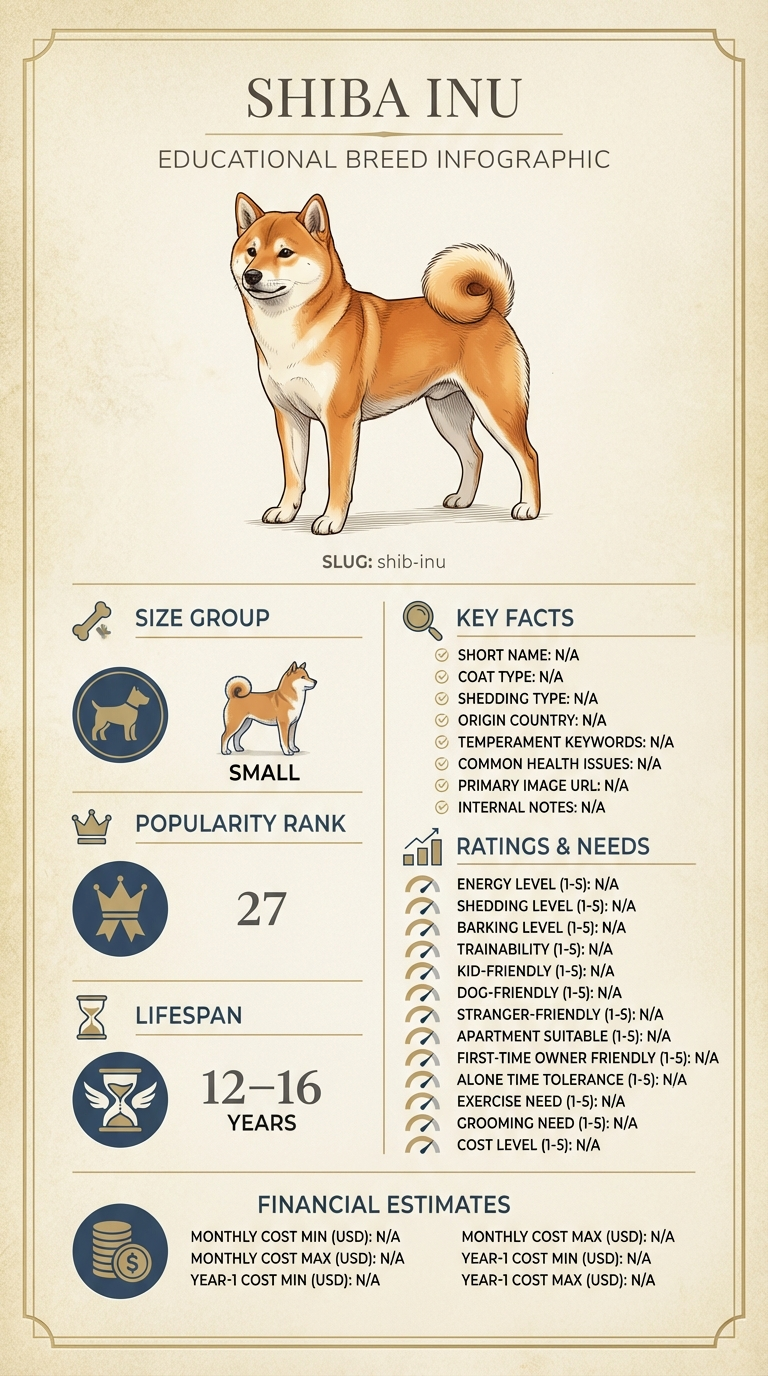
Owners of Shibа Inus may find themselves particularly worried about this issue. It often affects those who are first-time dog owners or those who may not be aware of the signs and risks associated with bloat.
This guide is not medical advice. If your dog shows pain, sudden behavior change, or worsening symptoms, consult a licensed veterinarian.
Some links may be affiliate links. We may earn a commission at no extra cost to you. We only suggest products we believe are helpful for dog owners.
Shibа Inu bloat, or gastric dilatation-volvulus (GDV), is a severe condition that can occur suddenly. It involves the stomach filling with gas and twisting, leading to a life-threatening emergency. On a day-to-day basis, you might notice your Shibа Inu appearing restless, trying to vomit without producing anything, and having a swollen abdomen.
While bloat is relatively rare, it can be especially dangerous for smaller breeds like the Shibа Inu. Owners should be aware of the signs and triggers, as early detection is critical for a better outcome.
Shibа Inus are small dogs with deep chests, which can predispose them to bloat. Their unique body structure makes them more susceptible to this life-threatening condition. Additionally, their temperament may lead to fast eating, increasing the risk of gastric dilatation-volvulus (GDV).
Environmental factors also play a role in bloat. Stressful situations, such as moving to a new home or changes in routine, can trigger anxiety in your Shibа Inu. Feeding habits, like giving them large meals or allowing vigorous exercise right after eating, can also contribute to this dangerous condition.
If your Shibа Inu shows signs of anxiety or stress around meal times, consider working with a trainer. They can help you implement positive reinforcement techniques to create a calmer eating environment.
If your Shibа Inu exhibits symptoms of bloat, such as a swollen abdomen, restlessness, or unproductive vomiting, contact your vet immediately. Bloat is a medical emergency that requires prompt attention.
Managing Shibа Inu bloat requires ongoing vigilance. You should start seeing improvements within a few weeks of implementing preventive measures, but full confidence may take a few months.
Success means your Shibа Inu shows fewer signs of distress, maintains a healthy appetite, and has regular, normal bowel movements. You should feel empowered with knowledge and tools to prevent bloat.
Avoiding these common mistakes can help manage and prevent Shibа Inu bloat effectively.
Bloat in Shibа Inus, also known as gastric dilatation-volvulus (GDV), can escalate quickly and requires immediate attention. It’s crucial to recognize the signs of a true emergency versus cases that can be monitored. If your Shibа Inu shows severe symptoms, it's time to call your vet right away.
Look for these critical signs that indicate your Shibа Inu needs urgent care:
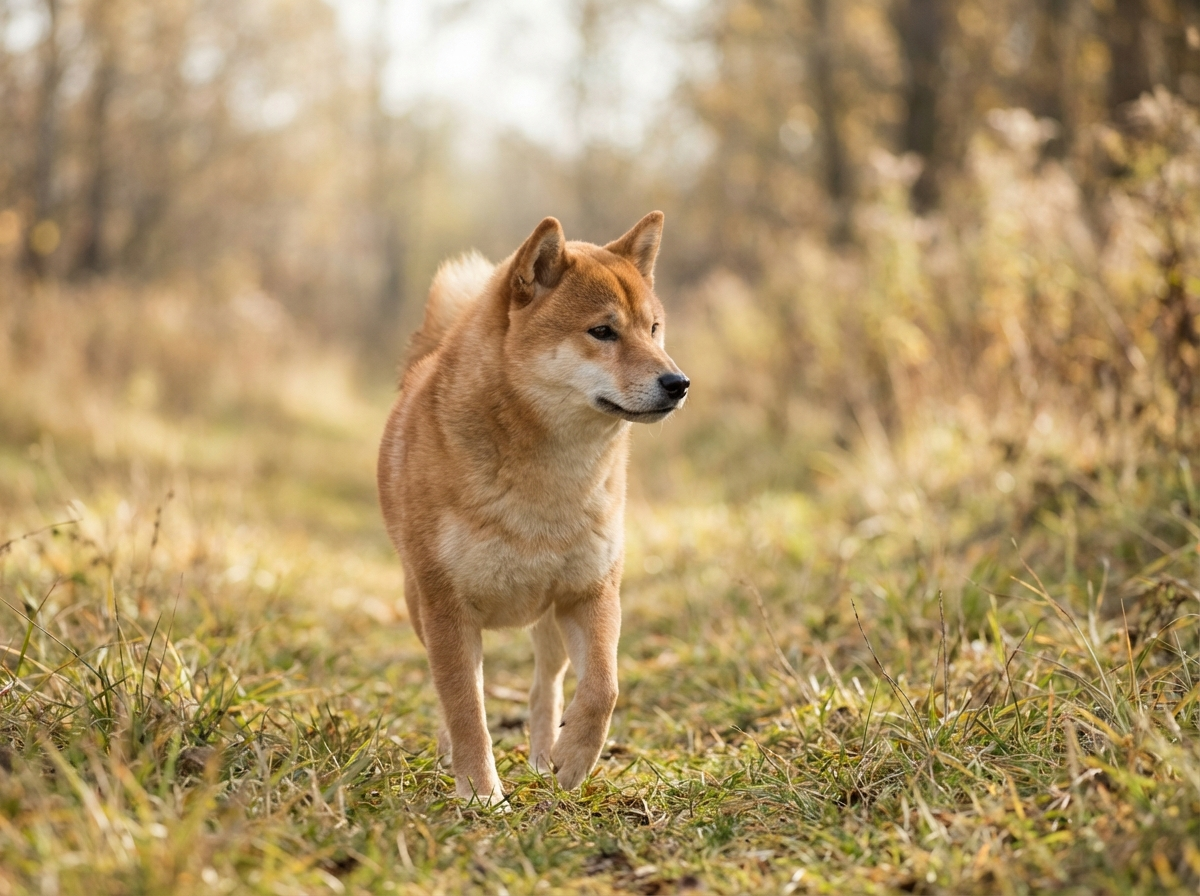
If your Shibа Inu has mild symptoms, you can monitor them closely. Here are some signs that may allow for a more relaxed approach:
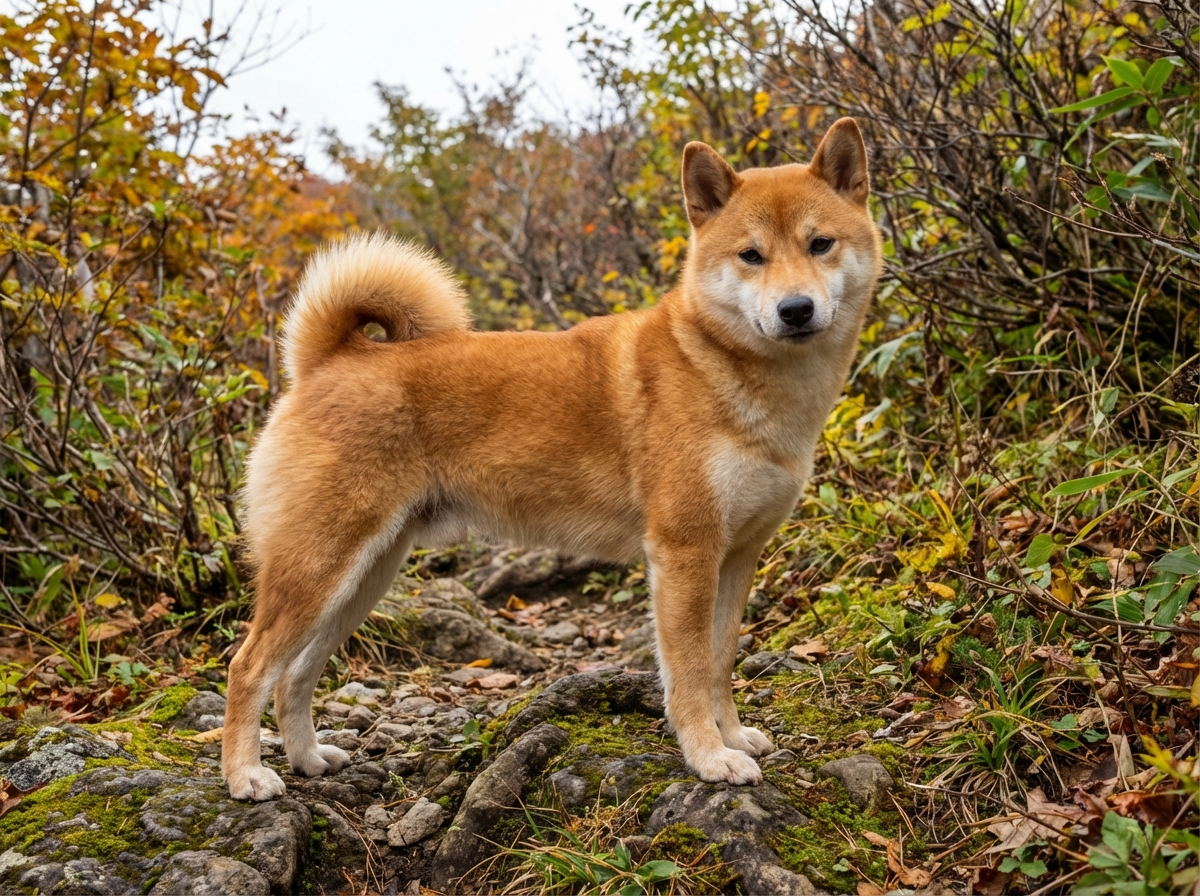
Maria, a busy nurse in San Diego, was worried when her Shibа Inu, Kiko, occasionally acted restless after meals. After doing some research, she learned about the dangers of bloat (gastric dilatation-volvulus). Maria consulted her vet, who recommended feeding Kiko smaller meals throughout the day and avoiding vigorous exercise right after eating. At first, it was challenging to adjust Kiko's routine, but with patience, Maria saw a noticeable change. Kiko became more relaxed and stopped showing signs of discomfort after meals.
Key takeaway: With the right approach and guidance from a vet, owners can effectively manage Shibа Inu bloat by making simple adjustments to feeding habits and exercise routines.
Shibа Inus can experience bloat due to their anatomy and eating habits. Factors like eating too quickly, exercising immediately after meals, or stress can contribute to this condition. It's essential to monitor their behavior and consult a vet if you notice signs of discomfort.
To prevent bloat in your Shibа Inu, consider feeding smaller meals more frequently. Use slow-feed bowls to discourage rapid eating and avoid vigorous exercise right after meals. Regular vet check-ups are also crucial for monitoring any predisposing factors.
Common symptoms include a distended abdomen, restlessness, excessive drooling, and attempts to vomit without success. If you notice these signs, seek veterinary help immediately, as bloat can be life-threatening. Early intervention is key.
Treatment often involves emergency surgery to relieve the pressure and prevent further complications. The cost can range from $1,500 to $7,500 depending on the severity and required care. Post-surgery, follow your vet's instructions for a safe recovery.
Yes, training can help establish better eating habits. Gradually condition your dog to eat slowly using techniques like hand feeding or slow-feed bowls. Consistency in training is crucial to reduce the risk of bloat.
Early signs of bloat in a Shibа Inu include a distended abdomen, excessive drooling, restlessness, and attempts to vomit without producing anything. If you notice these symptoms, it's crucial to seek veterinary help immediately.
Yes, older Shibа Inus can develop bloat, especially if they have a history of digestive issues. Regular vet check-ups are important as they age to monitor for any signs of this serious condition.
Veterinarians typically diagnose bloat through a physical examination, imaging tests such as X-rays, and by assessing the dog’s symptoms. Quick diagnosis is vital as bloat can progress rapidly.
Feeding smaller, more frequent meals and avoiding dry food that requires rapid consumption can help reduce the risk of bloat. Additionally, keeping your dog calm after eating can also be beneficial.
If your Shibа Inu displays signs of bloat, take them to the vet immediately. Bloat is a life-threatening condition that requires urgent medical attention to prevent serious complications.
Feed smaller, more frequent meals and avoid exercise immediately after eating. This can help minimize the risk of bloat.
Look for behaviors like eating too fast or showing signs of anxiety. Regular vet visits can help assess any health risks.
Seek immediate veterinary assistance. Quick action can be lifesaving if bloat is suspected.