Behavior
What are quick tips for Shibа Inu anesthesia sensitivity?
Always inform your vet about your Shibа Inu's anesthesia sensitivity. Ensure thorough pre-anesthetic testing and consider alternative medications if needed.
Shibа Inu anesthesia sensitivity is a serious concern for many dog owners. It can impact their health during procedures requiring anesthesia.
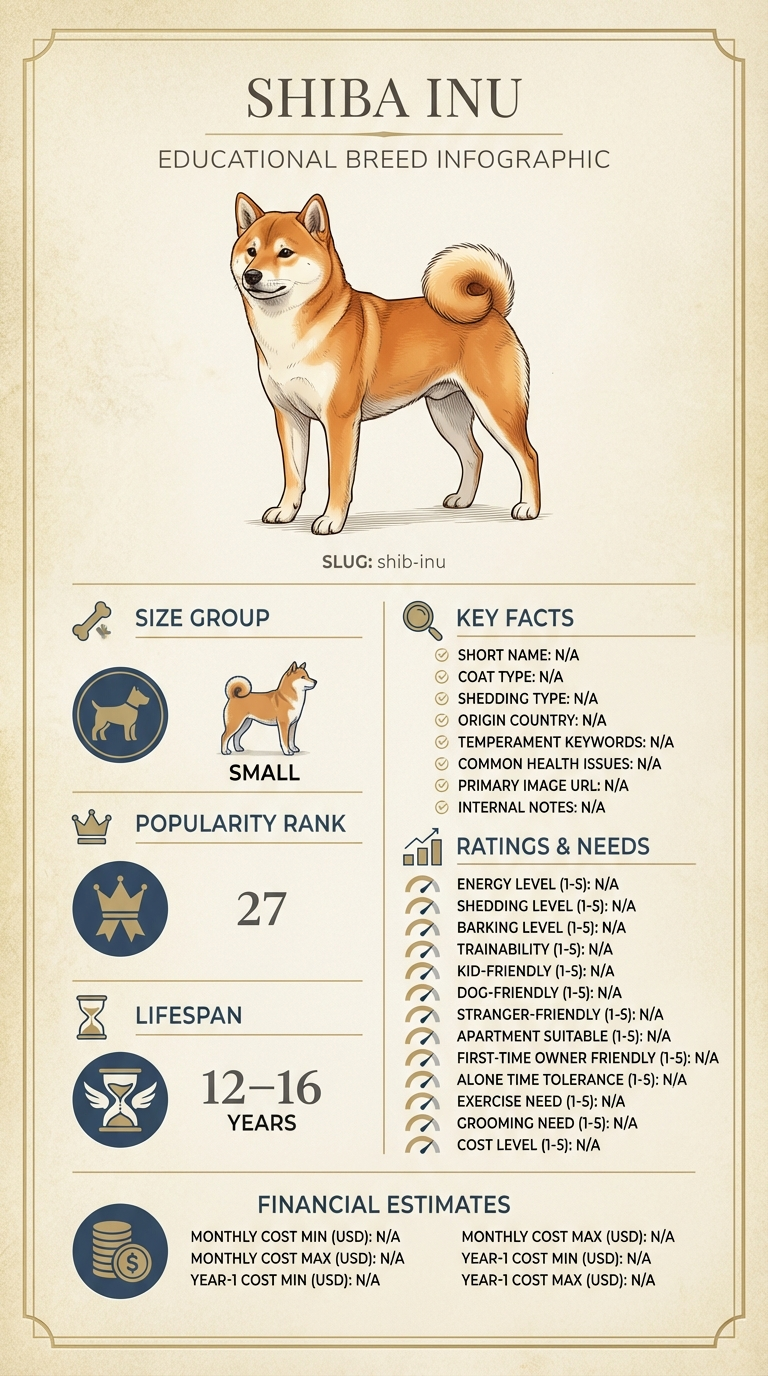
Owners of Shibа Inus, especially those who plan to have their dogs undergo surgery or dental work, often face this challenge. New dog owners or those unfamiliar with this breed's unique health traits may feel particularly anxious about anesthesia sensitivity.
This guide is not medical advice. If your dog shows pain, sudden behavior change, or worsening symptoms, consult a licensed veterinarian.
Some links may be affiliate links. We may earn a commission at no extra cost to you. We only suggest products we believe are helpful for dog owners.
Shibа Inus can experience anesthesia sensitivity, which means they may react poorly to anesthetic drugs. This can lead to complications during routine procedures like spaying or dental cleanings. Owners often notice unusual symptoms such as excessive lethargy or prolonged recovery times after anesthesia.
Anesthesia sensitivity is relatively common among Shibа Inus, and awareness of this issue can help owners take precautionary measures during surgeries or treatments.
Shibа Inus can be more sensitive to anesthesia due to their unique metabolism and genetic predispositions. This breed may have a higher chance of adverse reactions to certain anesthetic drugs compared to other breeds. Their smaller size can also contribute to this sensitivity, as dosages are often based on weight.
Environmental factors may also play a role in anesthesia sensitivity. Stressful situations, such as unfamiliar sounds or environments, can heighten anxiety during veterinary visits. Additionally, underlying health issues, which may not be immediately apparent, can affect how a Shibа Inu reacts to anesthesia.
If your Shibа Inu shows extreme anxiety or fear during vet visits, consider hiring a certified dog trainer. A trainer can provide tailored strategies to help your dog feel more comfortable and relaxed.
If you notice signs of anesthesia sensitivity, such as unusual reactions to past procedures or prolonged recovery times, discuss these concerns with your vet. They might recommend alternative anesthetic options or additional pre-surgery testing to ensure your dog's safety.
It may take a few weeks to a few months to notice significant improvements in your Shibа Inu's anesthesia sensitivity. Consistent training and gradual exposure are key.
Success means your Shibа Inu shows less anxiety during vet visits and recovers more quickly from anesthesia, making the overall experience smoother for both of you.
Avoid these common mistakes that can exacerbate anesthesia sensitivity in your Shibа Inu and learn safer alternatives.
Understanding when Shibа Inu anesthesia sensitivity is an emergency is crucial for your pet's health. If your Shibа Inu shows severe reactions after receiving anesthesia, such as difficulty breathing, seizures, or an inability to wake up, you should call your vet immediately. These signs indicate a serious problem that requires urgent medical attention.
On the other hand, if your Shibа Inu experiences mild symptoms like grogginess or slight disorientation that gradually improves, you can monitor them at home. Ensure they have a calm environment and observe their behavior for any changes. If symptoms persist beyond a few hours or worsen, contact your vet for guidance.
Keep in mind that every dog is unique, and your vet can provide tailored advice based on your Shibа Inu's health history. It's always better to err on the side of caution when it comes to anesthesia sensitivity.
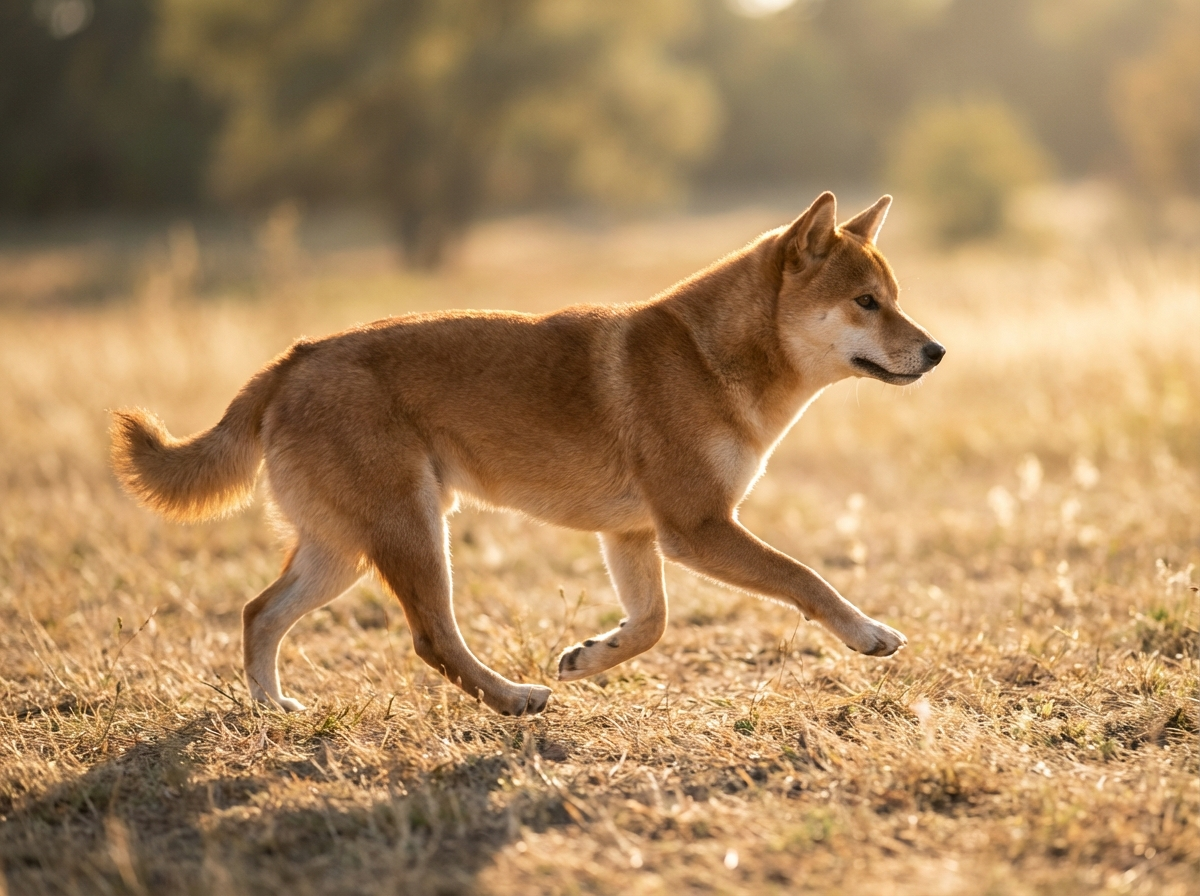
When Sarah adopted Bella, her Shibа Inu, she quickly realized Bella had severe anxiety around vet visits and anesthesia. After a particularly stressful experience with dental work, Sarah decided to address Bella's anesthesia sensitivity. She consulted with her veterinarian who suggested gradual desensitization. Sarah began taking Bella to the vet for happy visits, where they simply spent time in the waiting room without any procedures. Over the next few months, Bella became more relaxed with each visit and even learned to associate the vet with treats and play. When it came time for her next procedure, Bella showed noticeable improvement and recovered much faster than before.
Key takeaway: With patience and positive reinforcement, you can help your Shibа Inu manage anesthesia sensitivity, making vet visits less stressful.
Shibа Inus may have anesthesia sensitivity due to their unique genetic makeup. This breed can react differently to anesthetic drugs compared to others, leading to increased risks during procedures. It's essential to discuss this with your vet to ensure safe anesthesia management. This answer relates to Shibа Inu anesthesia sensitivity.
Signs of anesthesia sensitivity in your Shibа Inu may include prolonged recovery times or unexpected reactions after surgery. If your dog has had negative experiences with anesthesia before, it's essential to mention this to your vet prior to any procedure.
If your Shibа Inu shows signs of anesthesia sensitivity, consult your vet to discuss alternative anesthetic protocols. They may recommend pre-anesthetic testing to identify safe options. Always ensure your vet is aware of your dog's sensitivity history before any surgery.
While you cannot completely eliminate anesthesia sensitivity through training, you can help your Shibа Inu cope with stress related to vet visits. Gradual desensitization to the vet environment and positive reinforcement can make the experience less traumatic.
The risks of anesthesia for a Shibа Inu include potential adverse reactions and longer recovery times. These risks can be minimized with thorough pre-surgical evaluations and by using appropriate anesthetic agents. Always discuss these concerns with your veterinarian.
Anesthesia sensitivity can vary by individual, but older Shibа Inus may be at higher risk due to underlying health issues. Regular health check-ups can help identify any problems early and determine the safest approach to anesthesia.
If your Shibа Inu displays unusual symptoms after anesthesia, such as excessive vomiting, lethargy, or difficulty breathing, contact your vet immediately. These reactions can range from mild to severe, and timely intervention is crucial for your dog's health.
Yes, older Shibа Inus may have a higher sensitivity to anesthesia due to age-related health issues. Always discuss any concerns about anesthesia with your vet, especially if your dog is older or has pre-existing conditions.
Preparing your Shibа Inu involves ensuring they are healthy and up-to-date on vaccinations. Discuss with your vet about pre-anesthesia tests to assess their health and reduce potential risks.
Yes, there are alternative sedation options available, such as lighter sedation methods. Consult with your vet for the best choice tailored to your Shibа Inu's specific needs and medical history.
Signs of anesthesia sensitivity in Shibа Inus can include prolonged recovery time, excessive drooling, or changes in behavior post-surgery. If you notice these symptoms, discuss them with your vet to evaluate your dog's reaction to anesthesia.
Always inform your vet about your Shibа Inu's anesthesia sensitivity. Ensure thorough pre-anesthetic testing and consider alternative medications if needed.
Familiarize your Shibа Inu with the vet's office to reduce anxiety. Use treats and praise to create positive associations.
Monitor your Shibа Inu closely after anesthesia for any unusual behavior or prolonged recovery time. Contact your vet if you notice anything concerning.


