Health
What should I do if my Rottweiler has vwd1?
If your Rottweiler has vwd1, work closely with your vet to create a management plan that includes regular health check-ups.
Rottweiler von Willebrand's disease (vWD1) is a genetic bleeding disorder that can affect your dog's health significantly.
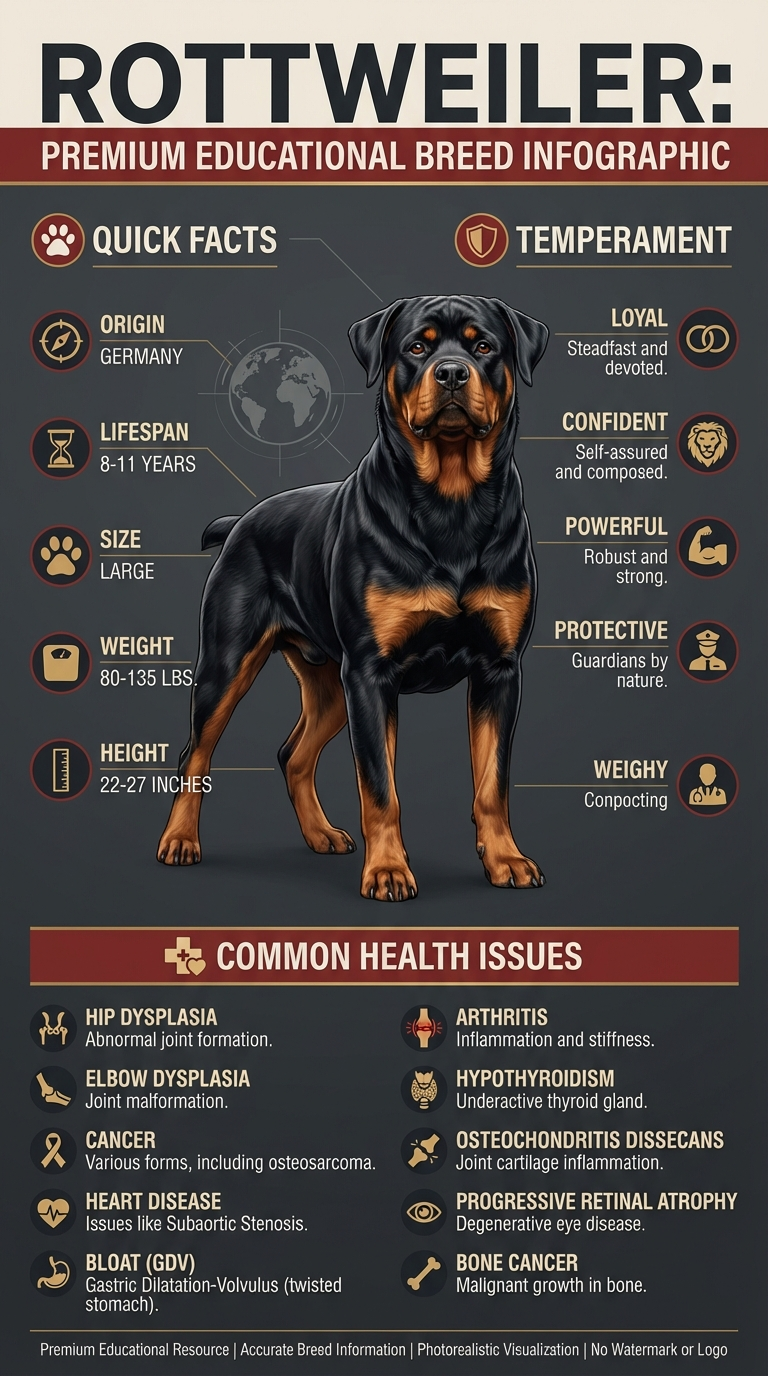
Typically, owners of Rottweilers may face this issue, especially those who may not be aware of the breed's health predispositions. If you're a first-time Rottweiler owner or considering bringing one into your home, knowing about vWD1 is essential.
This guide is not medical advice. If your dog shows pain, sudden behavior change, or worsening symptoms, consult a licensed veterinarian.
Some links may be affiliate links. We may earn a commission at no extra cost to you. We only suggest products we believe are helpful for dog owners.
Rottweiler von Willebrand's disease (vWD1) is a genetic bleeding disorder that affects the blood's ability to clot. This can lead to excessive bleeding from minor injuries, making day-to-day life challenging for owners. Common signs include prolonged bleeding after cuts, nosebleeds, or blood in urine, which can be alarming for Rottweiler owners.
Von Willebrand's disease is relatively common among Rottweilers, with estimates suggesting that around 1 in 10 Rottweilers may carry the gene. This means that many owners should be aware of the risks and symptoms associated with this condition.
Rottweilers are prone to von Willebrand's disease (vWD1) due to their genetics. This inherited bleeding disorder affects their ability to form blood clots. If your Rottweiler comes from a line with a history of vWD1, they are at higher risk.
Environmental factors play a smaller role but can contribute to stress and overall health. Poor nutrition or lack of exercise can exacerbate health issues. Regular vet check-ups are essential to catch any related problems early.
If your Rottweiler shows signs of anxiety or behavioral issues linked to their condition, consider consulting a trainer. A professional can provide guidance on managing stress and improving confidence through training techniques.
Consult your vet if you notice unusual bleeding or if your Rottweiler's energy levels drop significantly. Early intervention can help manage von Willebrand's disease effectively.
Managing Rottweiler von Willebrand's disease (vwd1) is a journey that typically takes several months. You can expect to see gradual improvements in your dog's health and behavior as you implement a consistent care routine and work with your veterinarian.
Success means your Rottweiler has fewer bleeding episodes, improved overall health, and a better quality of life. You'll also feel more confident in managing their condition and understanding their needs.
Avoiding common mistakes can help manage Rottweiler von Willebrand's disease (vWD1) more effectively. Here are some behaviors to steer clear of.
Rottweiler von Willebrand's disease (vWD1) can pose serious health risks. It's crucial to know when to seek immediate veterinary care and when you can monitor your dog at home. If your Rottweiler shows any signs of severe bleeding, such as from the nose, gums, or in urine or stool, you must call your vet right away.
These can be symptoms of serious complications from vWD1.

If your Rottweiler has mild symptoms like occasional nosebleeds or minor bruising, you may monitor them closely before contacting a vet. Keep track of any changes in their behavior or condition. If you notice persistent or worsening symptoms, it’s time to reach out to your veterinarian for advice.

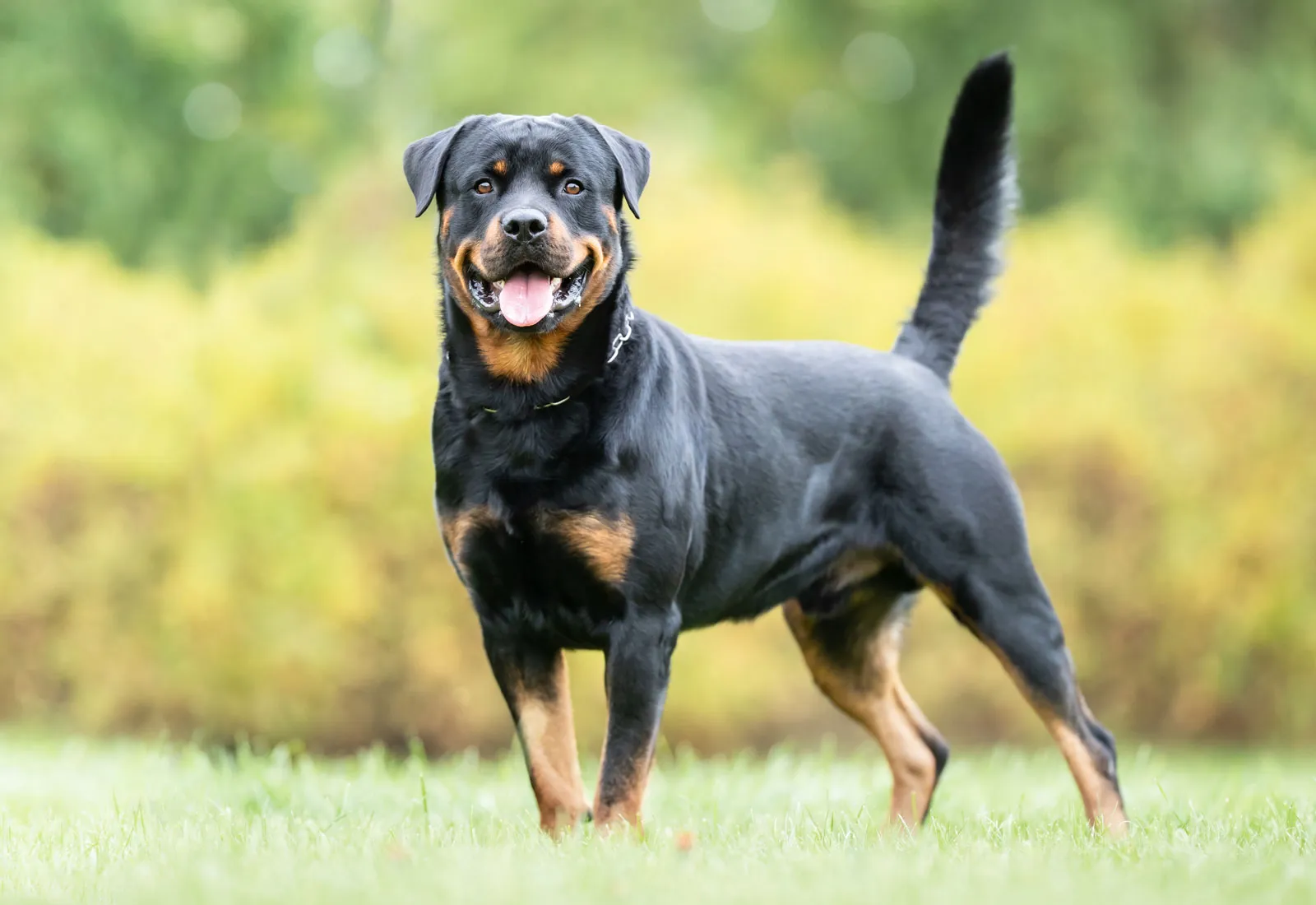
When Sarah adopted Max, her Rottweiler, she was excited but soon discovered he had von Willebrand's disease (vwd1). At first, she was overwhelmed by the prospect of managing his condition. After consulting with her vet, she implemented a strict routine of regular check-ups, a balanced diet, and careful monitoring of his activity levels. Over time, she learned to recognize his signs of distress and adjusted his care accordingly. With patience and dedication, Max's health improved, and he became a happy, active member of her family.
Key takeaway: The key takeaway from Sarah's experience is that consistent care and open communication with your vet can significantly improve the quality of life for a Rottweiler with von Willebrand's disease (vwd1).
Rottweiler von willebrand's disease (vwd1) is a genetic bleeding disorder that affects your dog's ability to clot blood. This condition can lead to excessive bleeding from minor injuries and can be life-threatening in severe cases. Regular check-ups and blood tests can help manage this condition.
This disease is inherited, meaning it can be passed down from parent dogs. If your Rottweiler has vwd1, it’s likely due to genetics. Responsible breeding practices can help reduce the incidence of this disorder in the breed.
Managing vwd1 involves regular veterinary visits and monitoring your dog's health closely. Your vet may recommend avoiding surgeries unless absolutely necessary and keeping your Rottweiler away from situations that could lead to injuries.
Yes, many Rottweilers with vwd1 can lead normal lives with proper care. However, owners should be aware of the risk of bleeding and take precautions to minimize injuries. Training and socialization can also help keep them safe.
Common symptoms include excessive bleeding during heat cycles, prolonged bleeding after surgery or injury, and unexplained bruising. If you notice any of these signs, consult your vet immediately.
While you can't stop vwd1 from occurring, you can prevent its spread by choosing a responsible breeder who tests for the gene. Additionally, managing your dog’s health proactively through vet visits can help mitigate the effects.
Signs of von Willebrand's disease (vWD1) in Rottweilers can include excessive bleeding from minor cuts, prolonged bleeding after surgery, or spontaneous nosebleeds. You may also notice that your Rottweiler has unusual bruising or blood in their urine. If you observe any of these symptoms, consult your veterinarian promptly.
Yes, older Rottweilers may show more pronounced symptoms of von Willebrand's disease (vWD1) due to age-related health issues. Their overall health may complicate the management of vWD1, making it essential to have regular veterinary check-ups. Early detection and tailored treatment plans can help improve their quality of life.
Diagnosing von Willebrand's disease (vWD1) in Rottweilers typically involves blood tests to check for clotting factor levels. Your vet may also review your dog's medical history and any bleeding episodes. Accurate diagnosis is crucial for determining the best management strategy.
Treatment options for Rottweilers with von Willebrand's disease (vWD1) may include desmopressin therapy to help improve clotting ability or blood transfusions in severe cases. Your veterinarian will recommend the best approach based on your dog's specific condition. Regular monitoring and adjustments may be necessary to ensure effective management.
Yes, Rottweilers with von Willebrand's disease (vWD1) may require lifestyle adjustments to prevent injury and manage bleeding episodes. This includes avoiding high-risk activities like rough play or surgery unless necessary. Always consult your vet for personalized advice on keeping your dog safe.
If your Rottweiler has vwd1, work closely with your vet to create a management plan that includes regular health check-ups.
There is no cure for vwd1, but it can be managed with proper care and attention to your dog's health.
Yes, training your Rottweiler can help keep them calm and reduce the chances of injury, which is crucial for dogs with vwd1.
Yes, you may incur additional veterinary costs for regular check-ups and potential treatment measures for vwd1.
The first signs of vwd1 often include excessive bleeding after minor injuries or during heat cycles.