Behavior
What are quick tips for Rottweiler Mix brachycephalic obstructive airway syndrome (boas)?
Keep your Rottweiler Mix cool and avoid vigorous exercise in hot weather. Regular vet check-ups are essential to monitor their breathing health.
Rottweiler Mix brachycephalic obstructive airway syndrome (BOAS) can lead to serious breathing difficulties. This condition affects many dogs, but it’s particularly common in certain breeds.
Many Rottweiler Mix owners face challenges with BOAS, especially those who live in warmer climates or have active lifestyles. First-time dog owners may feel overwhelmed when their dog struggles to breathe, and they often seek guidance on how to manage this condition effectively.
This guide is not medical advice. If your dog shows pain, sudden behavior change, or worsening symptoms, consult a licensed veterinarian.
Some links may be affiliate links. We may earn a commission at no extra cost to you. We only suggest products we believe are helpful for dog owners.
Rottweiler Mixes can suffer from Brachycephalic Obstructive Airway Syndrome (BOAS), which leads to breathing difficulties. This condition often manifests as snoring, labored breathing, and increased heat sensitivity. Daily life can become challenging, as these dogs may struggle during exercise or in hot weather.
BOAS is relatively common among Rottweiler Mixes due to their brachycephalic traits. Many owners report experiencing these breathing issues, especially during warmer months or after strenuous activities.
Rottweiler Mixes can inherit traits from their brachycephalic ancestors, which often leads to a squished facial structure. This can cause narrow airways, making it harder for them to breathe comfortably. Breeds like Bulldogs or Pugs are common contributors to these traits.
Environmental factors can worsen the situation. If your Rottweiler Mix is exposed to heat, humidity, or heavy exercise, they may struggle more with breathing. Stressful situations, like loud noises or crowded places, can also trigger their anxiety and make breathing more difficult.
If your Rottweiler Mix shows signs of anxiety or stress, a professional dog trainer can help. They can guide you on effective training techniques to ease your dog's fears and improve their comfort.
If your dog has persistent breathing issues, it's essential to consult a vet. They can evaluate the severity of BOAS and suggest treatment options, which may include medications or surgical interventions.
You can expect to see improvements in your Rottweiler Mix's breathing within 2 to 4 weeks of consistent training and management.
Success means your dog can breathe more easily, has reduced snoring, and can handle moderate exercise without discomfort.
Avoiding these common mistakes can help your Rottweiler Mix manage brachycephalic obstructive airway syndrome (BOAS) better.
Understanding the signs of an emergency with Rottweiler Mix brachycephalic obstructive airway syndrome (BOAS) is crucial. If you notice your dog struggling to breathe, gasping, or making unusual noises while breathing, it’s a red flag. These symptoms require immediate veterinary attention, as they can indicate a serious blockage or severe distress.
Conversely, if your dog occasionally snores or seems to breathe heavily during exercise but is otherwise active and playful, you may not need to panic. Monitoring your Rottweiler Mix for mild signs like mild snoring or slight panting is essential. Create a plan to manage their condition and consult with your vet about the best approach.
Here’s a quick breakdown to help you distinguish between emergencies and mild cases:
Emergency Signs: - Gasping for air or extreme difficulty breathing - Blue-tinged tongue or gums - Excessive drooling or weakness - Signs of distress like pacing or whining
Mild Signs to Monitor: - Occasional snoring during sleep - Heavy panting after exercise - Slight fatigue but still playing - Mild cough without other symptoms
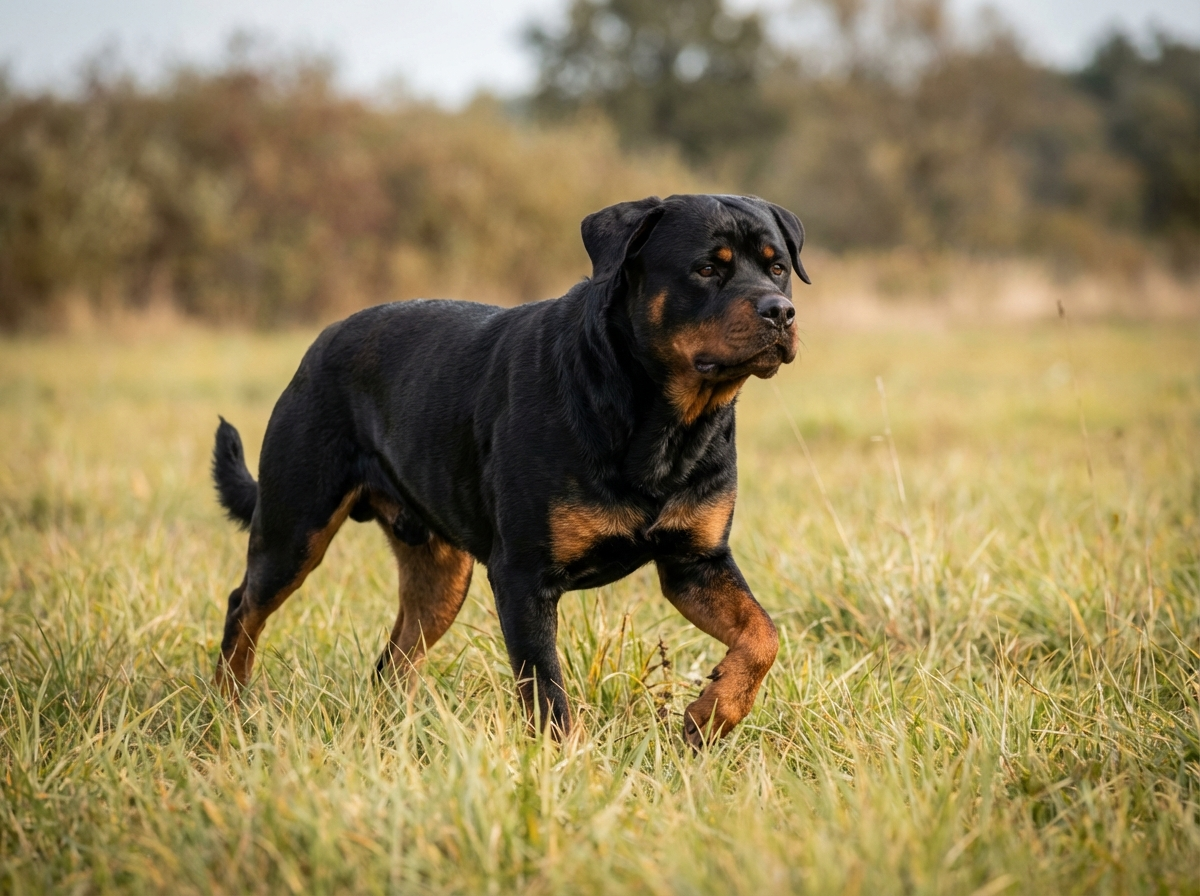
When Sarah adopted Bella, her Rottweiler Mix, she quickly noticed Bella's heavy breathing and snoring. Initially, Sarah was worried, thinking it was just part of Bella's personality. After a vet visit, she learned about brachycephalic obstructive airway syndrome (BOAS) and how training could help. Sarah started a routine of gentle exercises, focused on controlled breathing techniques, and avoided hot weather outings. Over time, Bella's breathing improved, and she became more active during walks.
Key takeaway: Understanding the condition and committing to a training routine made a significant difference in Bella's quality of life.
Brachycephalic obstructive airway syndrome (BOAS) occurs in dogs with short noses and flat faces. Rottweiler Mixes may inherit this trait from their parent breeds. The condition can cause breathing difficulties and heat sensitivity, so it's important to monitor your dog's breathing.
To help your Rottweiler Mix with BOAS, avoid strenuous exercise in hot weather and keep them cool. Regular vet check-ups can help monitor their breathing and overall health. Consider weight management, as extra weight can worsen their condition.
Symptoms of BOAS include noisy breathing, snoring, and difficulty breathing during exercise. You may also notice your dog struggling to catch their breath or becoming fatigued quickly. If you observe any of these symptoms, consult your vet.
Training can help your Rottweiler Mix learn calm behaviors, but it won't fix BOAS. Focus on commands that encourage relaxation and gentle movements. Training can also help reduce anxiety, which may exacerbate breathing issues.
If your Rottweiler Mix shows signs of breathing problems, contact your veterinarian immediately. They can assess the severity of the issue and recommend treatment options. This may include lifestyle changes or, in severe cases, surgery.
Common signs of Brachycephalic Obstructive Airway Syndrome (BOAS) in Rottweiler Mixes include excessive snoring, difficulty breathing, and a tendency to overheat. If your dog struggles during exercise or seems to tire quickly, it may be experiencing airway issues and should be evaluated by a vet.
Yes, BOAS can become more pronounced as your Rottweiler Mix ages. Older dogs may experience increased difficulty breathing, especially during hot weather or exercise. Regular check-ups with your vet can help monitor and manage these symptoms effectively.
To help your Rottweiler Mix with BOAS during hot weather, ensure they have access to plenty of cool water and shade. Limit outdoor activities, especially during peak heat times, and consider using a cooling vest to keep them comfortable.
Training your Rottweiler Mix with BOAS can focus on building their confidence and promoting calm behaviors. Positive reinforcement training can help reduce anxiety and stress, which may alleviate some breathing difficulties. Consult a trainer experienced with brachycephalic breeds for tailored strategies.
If you notice signs of severe difficulty breathing, persistent coughing, or excessive panting, you should take your Rottweiler Mix to the vet immediately. Prompt attention can help prevent serious complications related to BOAS.
Keep your Rottweiler Mix cool and avoid vigorous exercise in hot weather. Regular vet check-ups are essential to monitor their breathing health.
Provide plenty of water and shade, and avoid walks during peak heat times. Consider using cooling mats or vests for extra relief.
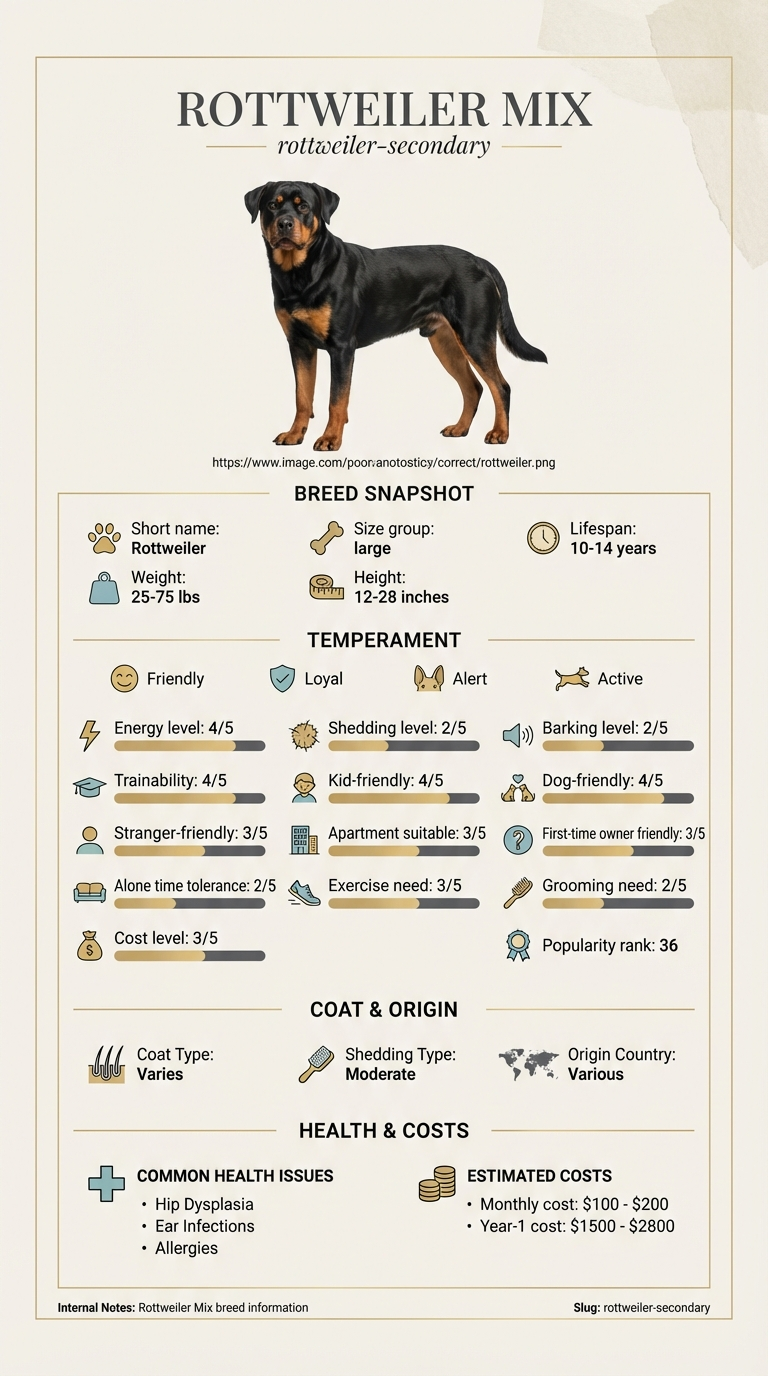
Managing BOAS can range from $100 to $200 monthly for vet visits and care. Surgery, if needed, can significantly increase costs.
Surgery is not always necessary but may be recommended for severe cases. Consult your vet to discuss the best options for your dog.
Positive reinforcement training can help reduce anxiety and encourage calmness. Focus on gentle commands and avoid stressful situations.