Behavior
What are quick tips for managing Rottweiler patellar luxation?
Maintain a healthy weight, provide low-impact exercise, and consider physical therapy. Regular vet check-ups are essential to monitor your dog's condition.

Quick answer
What are quick tips for managing Rottweiler patellar luxation?
Maintain a healthy weight, provide low-impact exercise, and consider physical therapy. Regular vet check-ups are essential to monitor your dog's condition.
Rottweiler patellar luxation is a common knee cap dislocation that can affect your dog's mobility and quality of life.
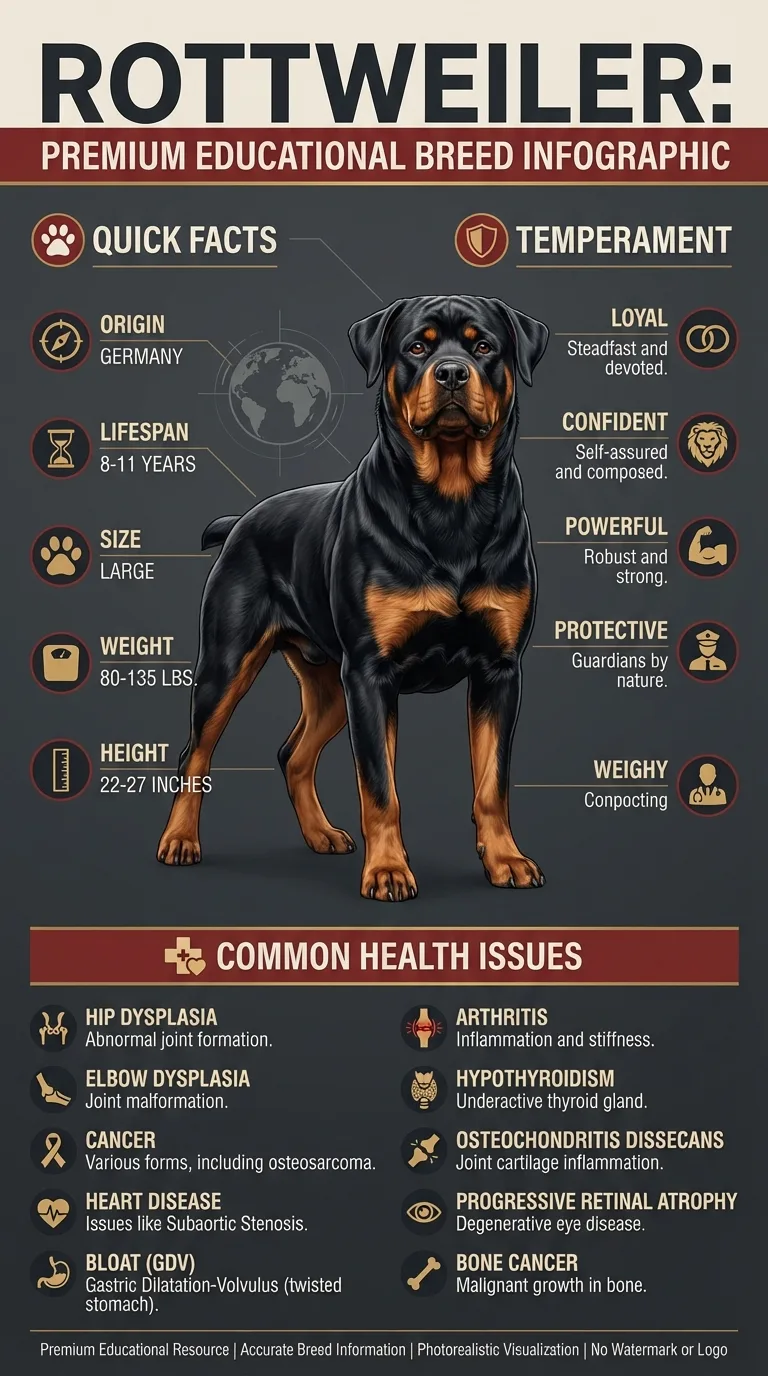
Typically, owners of Rottweilers, especially those who are first-time pet parents, may struggle with understanding this condition. Busy families or individuals who might overlook subtle signs of discomfort in their dogs can also find themselves facing challenges with patellar luxation.
This guide is not medical advice. If your dog shows pain, sudden behavior change, or worsening symptoms, consult a licensed veterinarian.
Some links may be affiliate links. We may earn a commission at no extra cost to you. We only suggest products we believe are helpful for dog owners.
We research and check what we publish, but we do not warrant that any figure, date, price, or statement is accurate, complete, or current, and we accept no liability for any loss, cost, injury, or other harm arising from the use of this site. Use it as one reference among several. You remain responsible for your own decisions and for your dog's care - confirm anything that matters with a licensed veterinarian or another qualified professional before you act on it. Full disclaimer.
Check this first
Patellar luxation can be a serious issue for Rottweilers, and knowing when to act is crucial. If your Rottweiler shows signs of severe pain, such as yelping when touched, or if they can't bear weight on the affected leg, you should call your vet immediately. Red-flag signs also include visible swelling around the knee, sudden inability to walk, or if the knee cap is visibly out of place.
On the other hand, if your Rottweiler is limping slightly but still able to walk and play, it might not be an emergency. Monitor their behavior closely. If the limping persists or worsens over several days, consult your vet.
Mild cases can often be managed with rest and controlled activity, but don’t hesitate to seek professional advice if you’re unsure. Keeping a close eye on your Rottweiler’s movement and comfort level is key to ensuring their health and well-being.
If any of these apply, call your vet or an emergency clinic now. The rest of this page is for the cases that are not an emergency.
Rottweiler patellar luxation is a common knee issue where the kneecap dislocates, causing pain and mobility problems. Daily signs may include limping, difficulty climbing stairs, or reluctance to exercise. Owners may notice their Rottweiler suddenly lifting a leg or having trouble getting up after resting.
Patellar luxation is relatively common in Rottweilers, especially those with a family history of joint issues. It can affect up to 20% of Rottweilers, making it important for owners to be aware of the signs and seek veterinary advice.
Rottweilers are large, muscular dogs, which can contribute to issues like patellar luxation due to their weight and structure. Genetic factors also play a role, as certain Rottweilers may inherit a predisposition to this condition. Additionally, their energetic nature means they often engage in activities that may exacerbate knee problems.
Inadequate exercise or a lack of proper joint support can lead to patellar luxation in Rottweilers. If they're overweight or if their environment is too slippery, these factors can worsen the likelihood of knee dislocation. Poor training methods that don't focus on joint health can also lead to improper movement and increased risk.
If you notice signs of pain, swelling, or limping in your Rottweiler, it's important to consult a vet. They can provide a diagnosis and recommend appropriate treatments or therapies for patellar luxation. Early intervention can prevent further complications.
Avoiding common pitfalls can help with Rottweiler patellar luxation. Here are mistakes to steer clear of and better alternatives.
See all Rottweiler health problems, which breeds are prone to patellar luxation, or the full Rottweiler breed guide for temperament, exercise needs and ownership costs.
With consistent care and veterinary guidance, you can expect to see improvements in your Rottweiler's condition within 3 to 6 months.
Success means your Rottweiler can move comfortably, engage in regular activities, and show reduced signs of pain or discomfort.
When Sarah adopted Max, her Rottweiler, she noticed he often limped and struggled to jump. After a vet diagnosis of patellar luxation, Sarah felt overwhelmed. She began a training program focusing on low-impact exercises and followed up with physical therapy. Over time, Max started to play more and his limp diminished significantly, making walks enjoyable once again.
Key takeaway: With proper training and care, managing Rottweiler patellar luxation can lead to a happy, active life for your dog.
Rottweiler patellar luxation occurs when the kneecap dislocates from its normal position. This can cause pain, limping, or difficulty in walking. It's important to recognize the signs early to prevent further complications.
Patellar luxation can be caused by a combination of genetic factors and improper bone structure. It may also occur due to trauma or injury. Keeping your Rottweiler at a healthy weight can help reduce the risk.
Signs of patellar luxation include limping, difficulty in jumping, or holding the leg up. If your Rottweiler frequently shifts weight or seems in pain, it’s essential to consult a vet for a proper diagnosis.
Treatment options vary from physical therapy to surgery, depending on the severity. Mild cases may improve with weight management and exercise adjustments, while severe cases often require surgical intervention. Always consult your vet for the best approach.
Yes, training can help strengthen the muscles around the knee and improve stability. Focus on low-impact exercises and gradually increase activity as tolerated. Consult a trainer or vet for tailored training plans.
Not always. Many mild cases can be managed with conservative methods like weight control and physical therapy. Your vet will help determine if surgery is needed based on your dog's condition.
Not always. Mild cases of Rottweiler patellar luxation might be managed with weight management and physical therapy. However, severe cases often require surgical intervention to prevent further complications.
Yes, older Rottweilers can develop patellar luxation, especially if they have underlying conditions like arthritis. Regular vet check-ups are crucial to monitor any joint issues as they age.
Untreated Rottweiler patellar luxation can lead to chronic pain, joint damage, or arthritis. Early intervention is key to ensuring your dog's mobility and overall quality of life.
Maintain a healthy weight, provide low-impact exercise, and consider physical therapy. Regular vet check-ups are essential to monitor your dog's condition.
Yes, genetic factors play a significant role in patellar luxation. Choose breeding carefully to avoid passing on this condition.
Limping, pain when touched, or reluctance to exercise can indicate severe luxation. Immediate vet attention is advised in these cases.
Recovery can take several weeks to months, depending on the severity. Follow your vet's post-operative care instructions for the best outcome.
A balanced diet that maintains a healthy weight is crucial. Consult your vet for specific dietary recommendations to support joint health.
A one-page prep sheet for this condition: the signs, the questions to ask, what to get priced. Unlocks here.
You get: Vet visit prep sheet
No spam. One-click unsubscribe. See our privacy policy.
Preview page 1 before you decide.