DogBreedCompass
← Back to breed profile

Rottweiler Degenerative Myelopathy (DM): What You Need to Know

Rottweiler degenerative myelopathy (DM) is a serious condition that affects your dog's mobility and quality of life.

Owners of Rottweilers, especially those in their senior years, often struggle with the emotional and practical challenges that come with DM. This includes pet parents who want to support their furry companions as they face mobility issues and adapt to lifestyle changes.

Important reminder

This guide is not medical advice. If your dog shows pain, sudden behavior change, or worsening symptoms, consult a licensed veterinarian.

Some links may be affiliate links. We may earn a commission at no extra cost to you. We only suggest products we believe are helpful for dog owners.

What this problem looks like

Rottweiler degenerative myelopathy (DM) is a progressive spinal cord disease that affects the dog's ability to move. It often starts with subtle signs, like difficulty getting up or dragging their back legs. As the condition worsens, your Rottie may struggle to walk or maintain balance, leading to frustration and anxiety.

Common triggers

  • Genetics, as DM is often hereditary.
  • Age, with symptoms usually appearing in middle to older dogs.
  • Lack of exercise, which can exacerbate mobility issues.

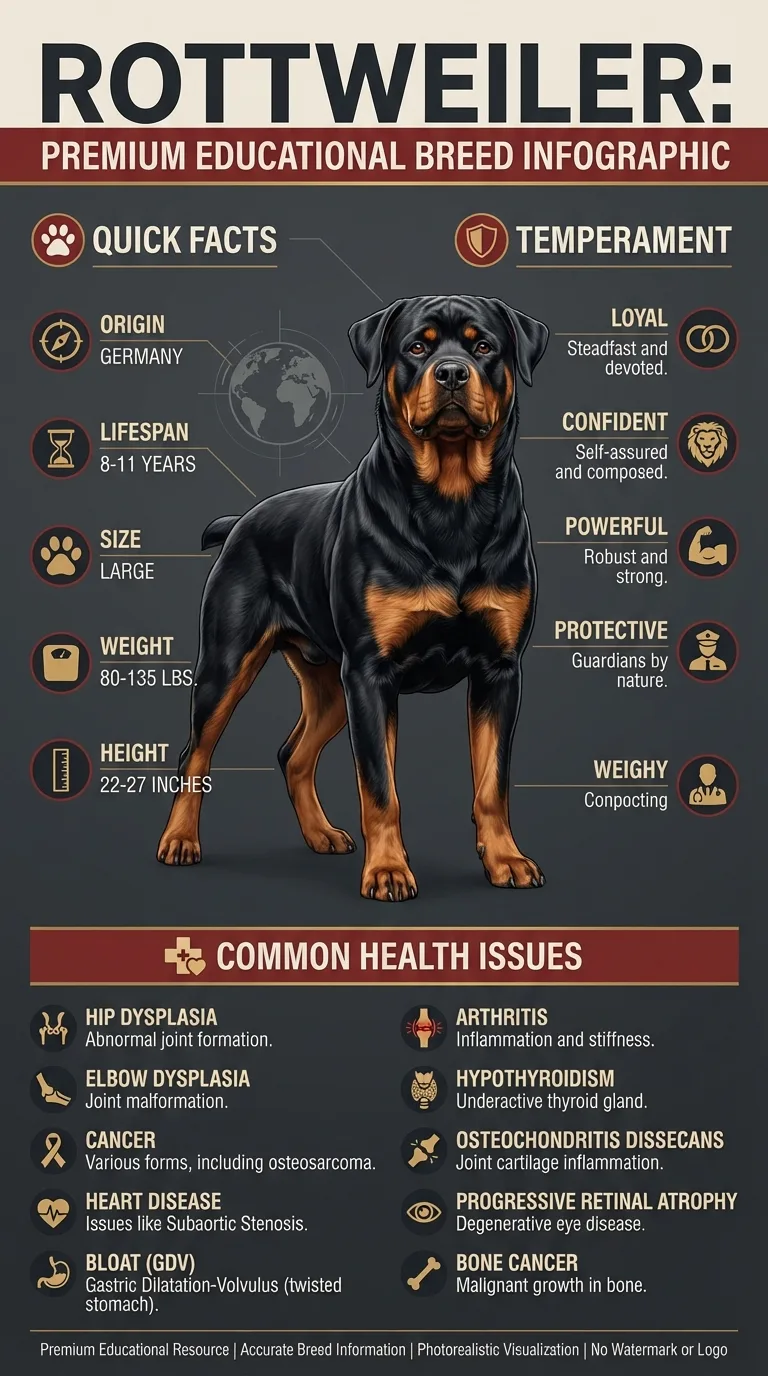
Degenerative myelopathy is relatively common in Rottweilers, especially those over five years old. Research estimates that about 10% of Rottweilers may develop this condition in their lifetime, making it an important concern for owners.

Why this happens

Breed factors

Rottweilers are prone to degenerative myelopathy (DM) due to their genetics. This condition is often hereditary, linked to specific genes that affect spinal cord health. As a large breed, Rotties may also have a higher risk of developing DM as they age.

Environment factors

Environmental factors, such as lack of exercise or obesity, can exacerbate the symptoms of DM. An inactive lifestyle can weaken the muscles and joints, making it harder for your Rottweiler to cope with the disease. Additionally, an unhealthy diet can contribute to weight gain, which puts further strain on their spine.

What you can try

At-home strategies

  • Provide regular, gentle exercise to maintain muscle strength. Short walks and swimming can be great options. Avoid high-impact activities that could cause injury.
  • Create a comfortable living space with non-slip surfaces to help your Rottweiler move around safely. Consider using ramps or mats to ease access to furniture or vehicles.
  • Monitor your dog's weight and adjust their diet accordingly. Consult with your vet about a balanced diet that supports joint and spinal health.

When to consider a trainer

If your Rottweiler shows signs of anxiety or trouble with mobility, consider hiring a professional trainer. They can provide specialized exercises and training techniques to help manage your dog's symptoms effectively.

When to talk to your vet

Talk to your vet if you notice significant changes in your Rottweiler's mobility or behavior. Early intervention can help manage DM symptoms better. Additionally, if your dog seems to be in pain or discomfort, a vet visit is crucial for appropriate care.

Realistic expectations

Managing Rottweiler degenerative myelopathy (DM) is a long-term process. You'll start noticing changes within a few months after diagnosis, but the progression can take one to three years, depending on your dog's condition.

Success means maintaining your Rottweiler's quality of life for as long as possible. This includes regular vet visits, adapting your home for mobility, and providing supportive care to keep them comfortable.

Managing DM: A Journey with Max the Rottweiler

Sarah, a devoted Rottweiler owner, noticed her dog Max was having trouble standing after a long play session. After a vet visit, she learned that he had degenerative myelopathy (DM). At first, she felt overwhelmed, unsure of how to support him. With time, Sarah educated herself about DM through online resources and connected with a support group. She adjusted their home to include ramps and soft bedding, and she worked on gentle exercises to keep Max active. While his condition progressed, Sarah found solace in the joyful moments they shared, like leisurely strolls in the park. Her dedication made a significant difference in Max's comfort and happiness.

Key takeaway: Understanding and adapting to your dog's needs is crucial in managing degenerative myelopathy. With patience and support, you can enhance their quality of life, even as challenges arise.

Frequently asked questions

What is Rottweiler degenerative myelopathy (dm)?

Rottweiler degenerative myelopathy (dm) is a progressive spinal cord disease that affects the dog's ability to walk. It typically leads to weakness and loss of coordination in the hind limbs. This condition is most common in older Rottweilers and is unfortunately incurable.

Why does my Rottweiler have degenerative myelopathy (dm)?

The exact cause of Rottweiler degenerative myelopathy (dm) is still being studied, but it is believed to have a genetic component. Factors such as age and breed predisposition can also play a role. Regular veterinary check-ups can help monitor your dog's health and catch issues early.

How can I help my Rottweiler with degenerative myelopathy (dm)?

While there's no cure for Rottweiler degenerative myelopathy (dm), you can help manage the condition. Providing a supportive harness can assist with mobility, and physical therapy may improve quality of life. Keeping your dog at a healthy weight is also crucial to reduce strain on their body.

Is there any training for Rottweiler degenerative myelopathy (dm)?

Training for Rottweiler degenerative myelopathy (dm) focuses on maintaining mobility and comfort. Positive reinforcement techniques can encourage your dog to engage in gentle exercises. Consulting with a professional trainer experienced in dealing with mobility issues is beneficial.

What are the signs of Rottweiler degenerative myelopathy (dm)?

Signs of Rottweiler degenerative myelopathy (dm) include stumbling, dragging of the hind legs, and difficulty getting up. You may also notice a decrease in coordination or changes in behavior. Early detection is key, so watch for these signs and consult your vet.

Can Rottweiler degenerative myelopathy (dm) be prevented?

Currently, there is no known way to prevent Rottweiler degenerative myelopathy (dm). However, responsible breeding practices can reduce the risk in future generations. Regular vet visits and maintaining a healthy lifestyle can help manage overall health.

What is the life expectancy for a Rottweiler with degenerative myelopathy (dm)?

The life expectancy for a Rottweiler with degenerative myelopathy (dm) varies, but many dogs live around 6 months to 3 years after diagnosis. The progression of the disease differs from dog to dog. Keeping your dog comfortable and cared for during this time is essential.

What are the early signs of Rottweiler degenerative myelopathy (DM)?

Early signs of Rottweiler degenerative myelopathy (DM) often include subtle changes in coordination, such as dragging back legs or difficulty getting up. You might also notice your Rottweiler having trouble with stairs or appearing less active. If you see these signs, it's important to consult your vet for a thorough evaluation.

Can Rottweiler degenerative myelopathy (DM) affect older dogs differently?

Yes, older Rottweilers may show symptoms of degenerative myelopathy (DM) more rapidly than younger dogs. Their overall health and existing conditions can impact how quickly the disease progresses. Regular vet check-ups are crucial to monitor any changes in condition.

How can I help my Rottweiler with degenerative myelopathy (DM)?

Supporting a Rottweiler with degenerative myelopathy (DM) involves providing a comfortable environment, using harnesses for mobility, and considering physical therapy. Maintaining a healthy weight and ensuring they have supportive bedding can also help improve their quality of life.

Is there a cure for Rottweiler degenerative myelopathy (DM)?

Currently, there is no cure for Rottweiler degenerative myelopathy (DM). However, there are management strategies like physical therapy and supportive care that can help slow its progression and improve your dog's comfort. Always discuss treatment options with your veterinarian.

Why does my Rottweiler have degenerative myelopathy (DM)?

Rottweiler degenerative myelopathy (DM) is primarily caused by genetic factors. It is a progressive spinal cord disease that can occur in Rottweilers due to inherited predispositions. Consulting your vet can help you understand more about your dog's health and potential risk factors.

Quick answers

View more answers
Behavior

What are quick tips for Rottweiler degenerative myelopathy (dm)?

Provide a supportive harness and encourage gentle exercise to help your Rottweiler. Regular vet check-ups and monitoring weight are crucial. Consider physical therapy to maintain mobility.

Living

How can I make my Rottweiler comfortable with degenerative myelopathy (dm)?

Use non-slip mats around your home to help your Rottweiler move safely. A cozy bed with supportive padding can also help with comfort. Keeping their environment safe is key.

Health

Are there any dietary changes for Rottweilers with degenerative myelopathy (dm)?

Consult your vet about a balanced diet that maintains a healthy weight. Supplements like omega fatty acids may support joint health. Always tailor diet to individual needs.

Training

What tools can help manage Rottweiler degenerative myelopathy (dm)?

Consider mobility aids like carts or slings for support. Training and behavioral support tools can also be helpful. Always consult your vet for personalized recommendations.

Living

How to cope emotionally with a Rottweiler's degenerative myelopathy (dm)?

It's tough to see your dog struggle, so don’t hesitate to seek support from friends, family, or support groups. Sharing experiences can help you cope better during this challenging time.

Related DogBreedCompass guides

  • Rottweiler degenerative myelopathy (dm) trainingLearn how to support your Rottweiler with degenerative myelopathy through effective training techniques.
  • Why does my Rottweiler have degenerative myelopathy (dm)?Understanding the causes of degenerative myelopathy can help you care for your Rottweiler better.
  • Rottweiler behavior problemsExplore common behavior issues in Rottweilers, including those related to health problems.
  • Rottweiler separation anxiety guideFind solutions for Rottweiler separation anxiety, which can be a concern for many owners.
  • Rottweiler cost breakdownCalculate the costs of owning a Rottweiler, including potential health issues like DM.

Related guides

Take Behavior Assessment

Understand why your dog acts this way.

Take a quick dog behavior quiz to spot red flags in training, anxiety and everyday habits before they snowball into bigger problems.

Take quiz